Blood in Cat Urine But No urinary tract concerns: stress-related bladder inflammation and Stress Cystitis Explained
Your vet says no urinary tract concerns but there's blood in your cat's urine. It's probably stress-related bladder inflammation (stress-related bladder inflammation) — a stress-related condition. Here's how to manage it.
Published 2026-04-18
Is It stress-related bladder inflammation or Something Else?
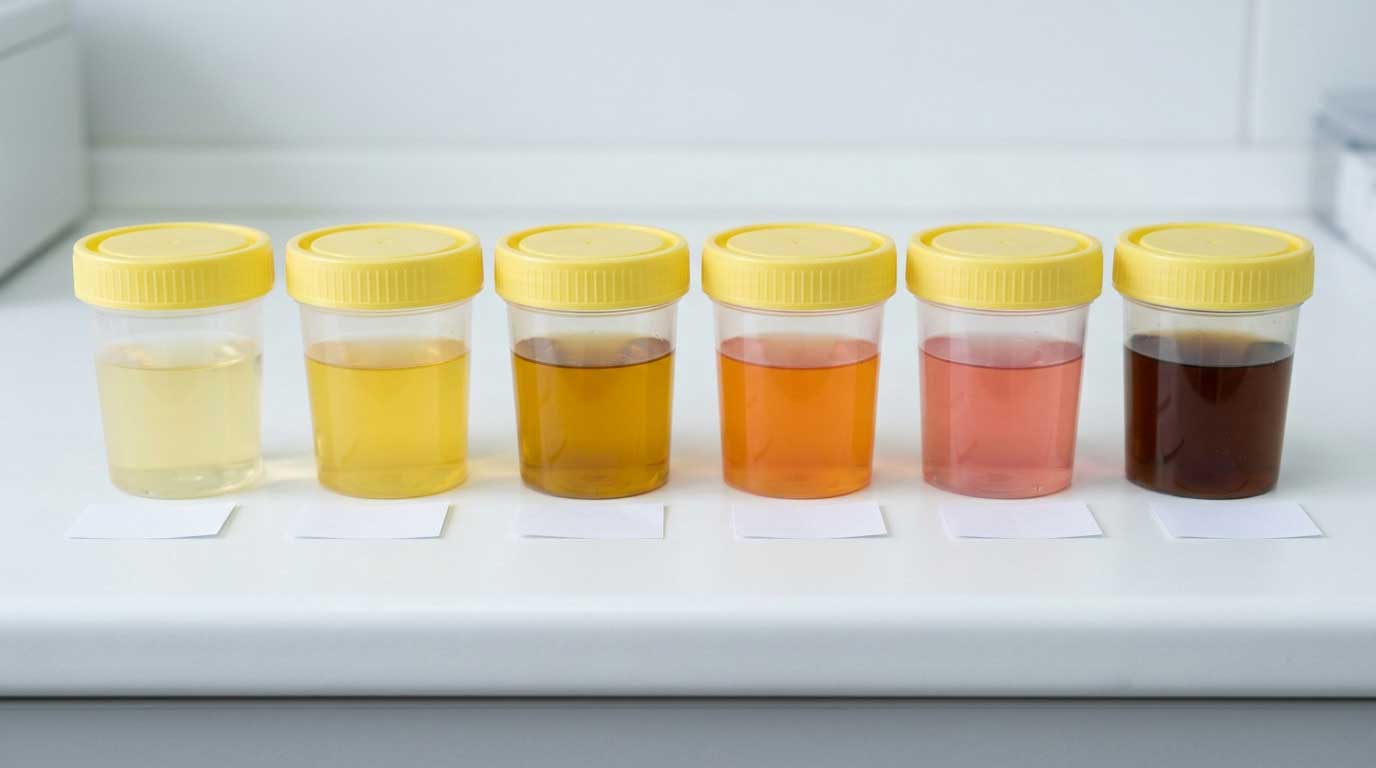
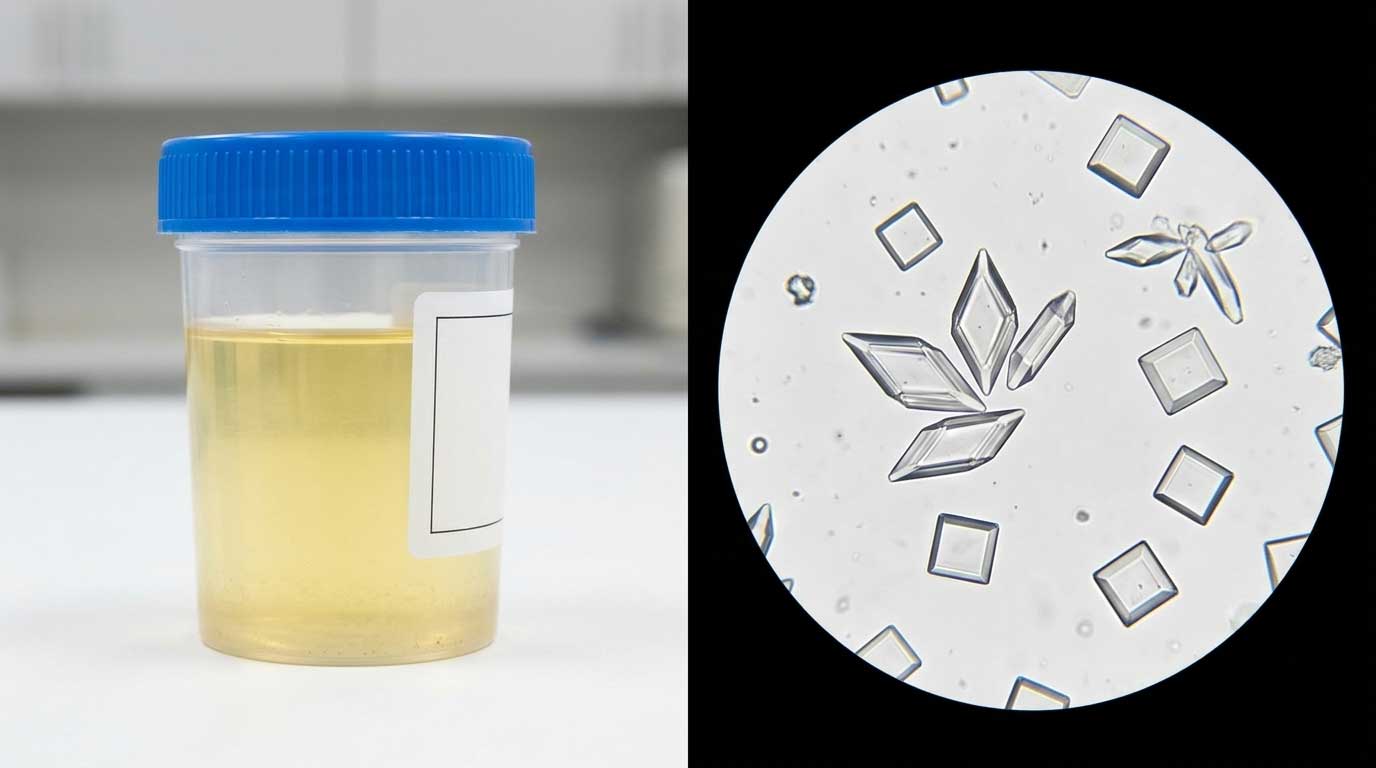
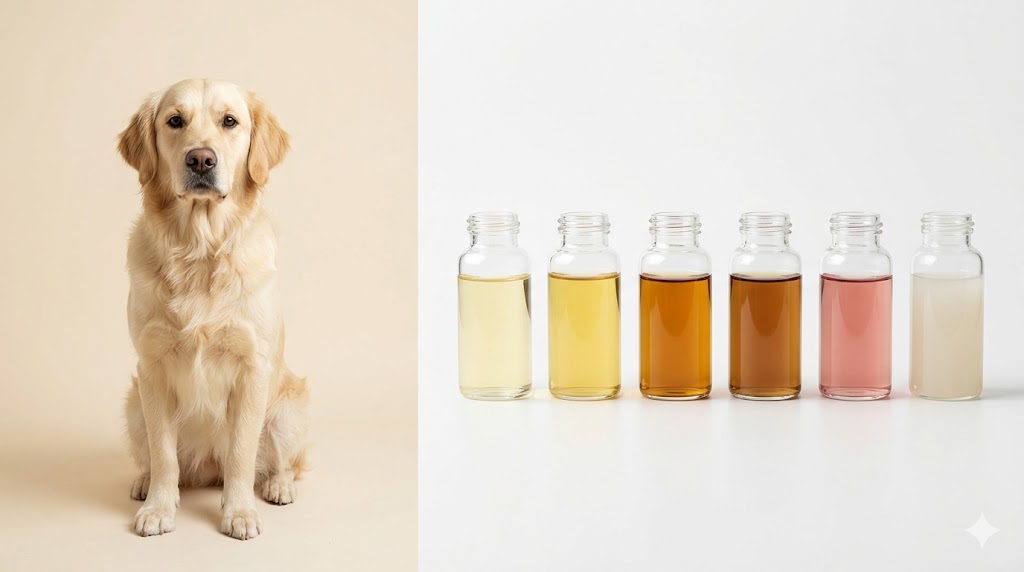
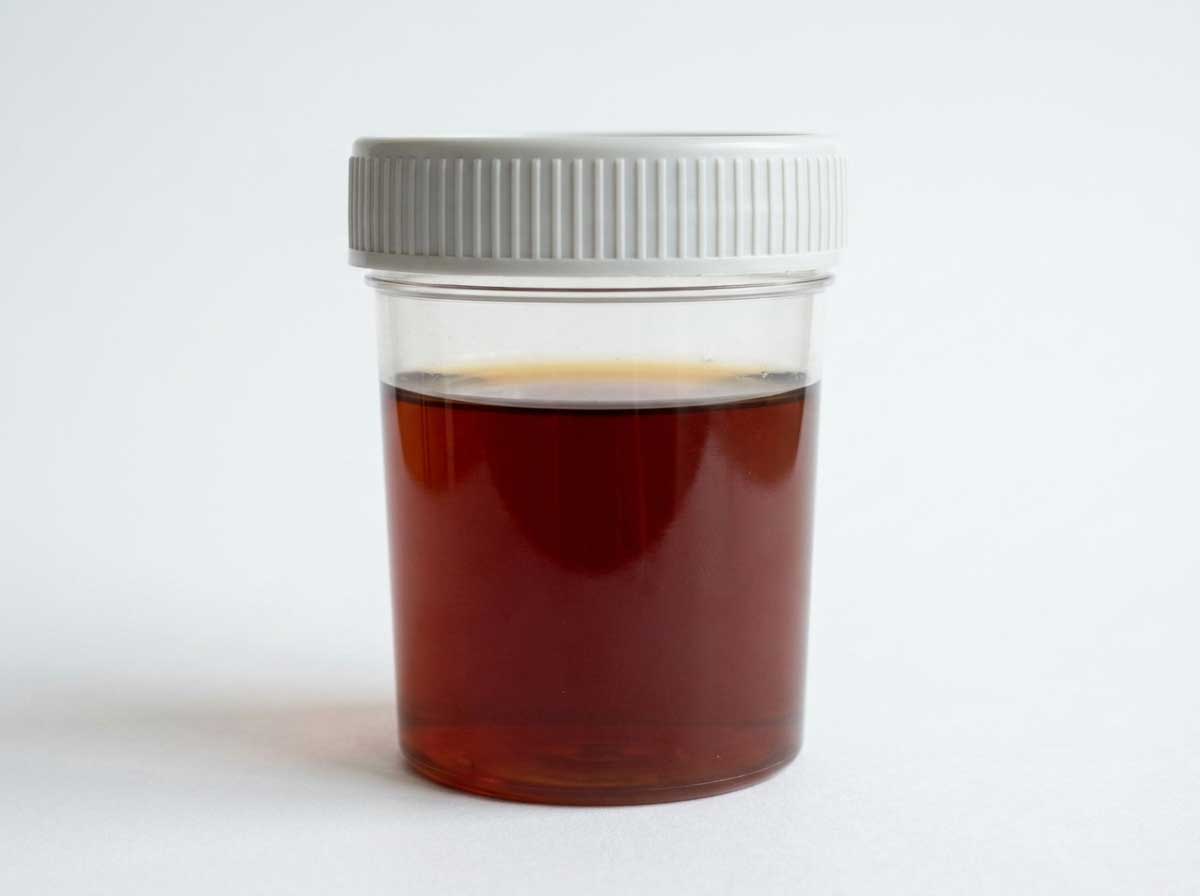
Upload a urine photo — if it shows blood but the cat has been stressed recently, stress-related bladder inflammation is likely the cause.
You saw blood in your cat's urine, took them to the vet, paid for a urinalysis — and they said "no bacterial infection." But the blood is real. So what's going on?
You're almost certainly dealing with stress-related bladder inflammation (stress-related bladder inflammation) — also called feline interstitial cystitis or Pandora Syndrome. This is the #1 cause of bloody urine in cats under 10 years old, and it's fundamentally different from a urinary tract concerns. Here's what it is and how to manage it.
What Is stress-related bladder inflammation?
stress-related bladder inflammation is inflammation of the bladder wall without a bacterial cause. "Idiopathic" means "we don't fully understand why it starts" — but research shows it's triggered by stress. The bladder becomes inflamed, blood vessels in the wall leak, and you see blood in the urine. The cat experiences bladder pain similar to a urinary tract concerns, but vet-prescribed medication don't help because there's no infection to kill.
Why stress-related bladder inflammation Happens: The Stress Connection
Cats are incredibly sensitive to environmental stress. The feline bladder has a direct neurological connection to the adrenal system — when a cat is stressed, stress hormones (cortisol, adrenaline) directly affect the bladder wall. In stress-related bladder inflammation-prone cats, this causes inflammation within hours.
Common stress-related bladder inflammation triggers:
- ✓Moving to a new home
- ✓New pet or baby in the household
- ✓Schedule changes (new job, kids starting school)
- ✓Construction, loud noises, or renovations
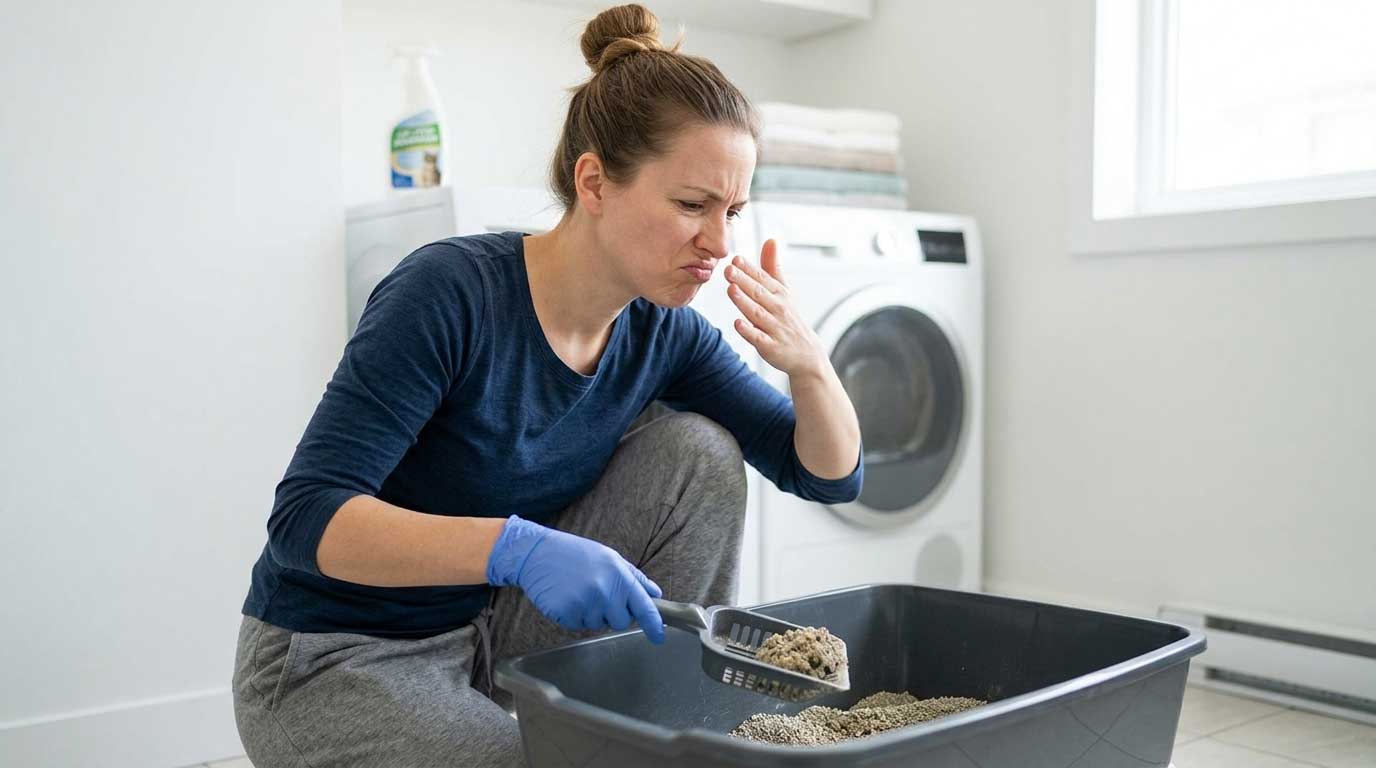
- ✓Dirty, inaccessible, or too-few litter boxes
- ✓Conflict between cats in a multi-cat household
- ✓Weather or season changes (some cats have seasonal flares)
- ✓Diet changes
- ✓Dehydration
- ✓Travel or boarding
Classic stress-related bladder inflammation Symptoms
- ✓Blood in urine (pink, red, or rusty)
- ✓Straining or discomfort when urinating
- ✓Frequent small urinations
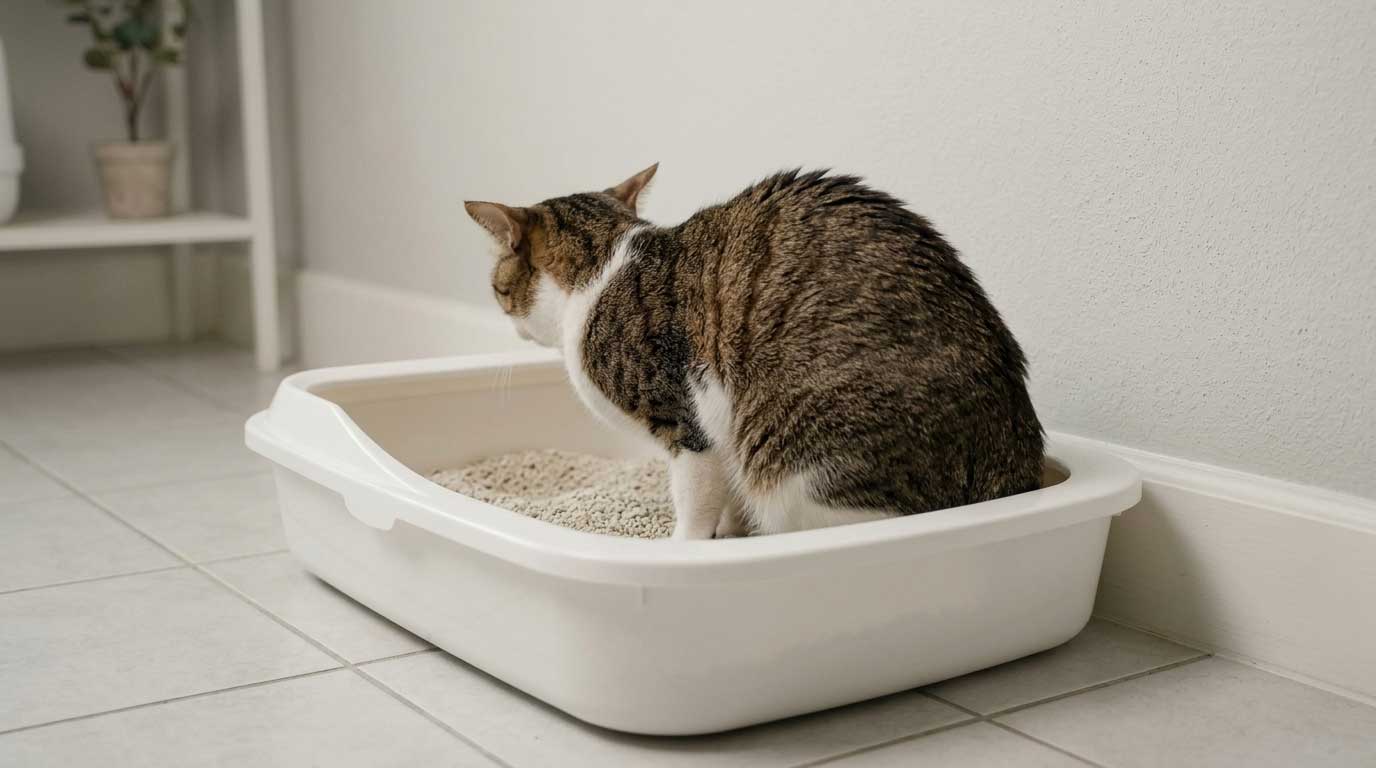
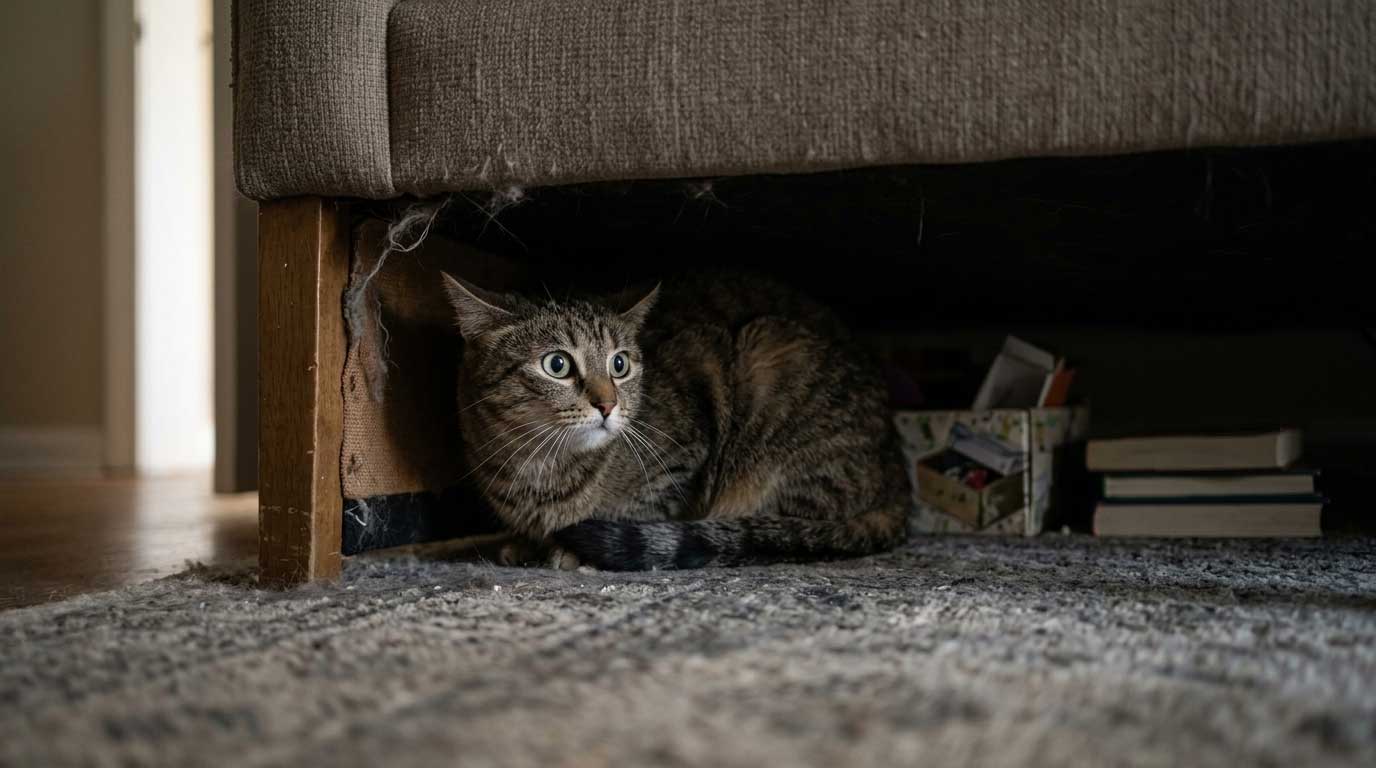
- ✓Peeing outside the litter box (classic stress-related bladder inflammation sign)
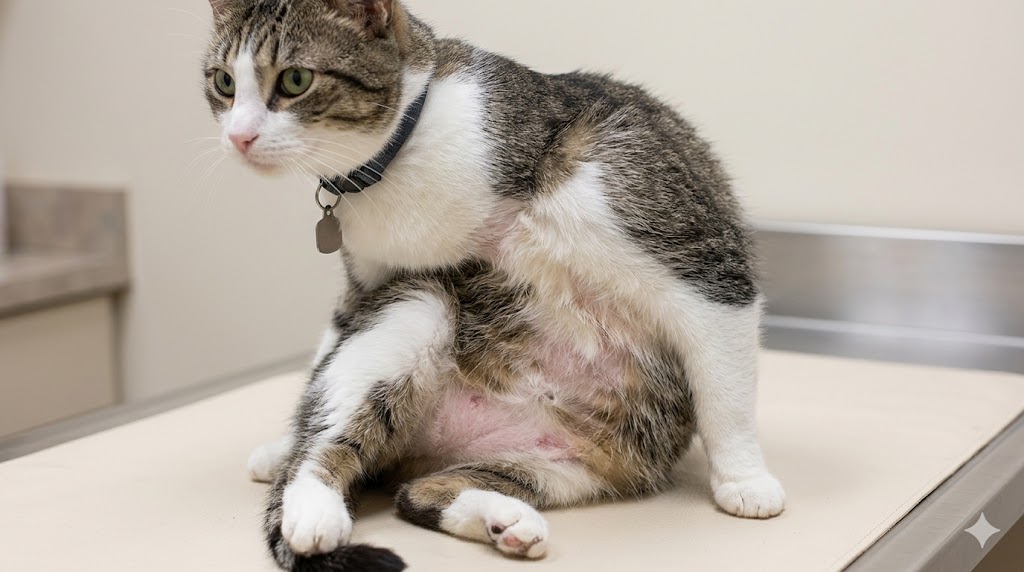
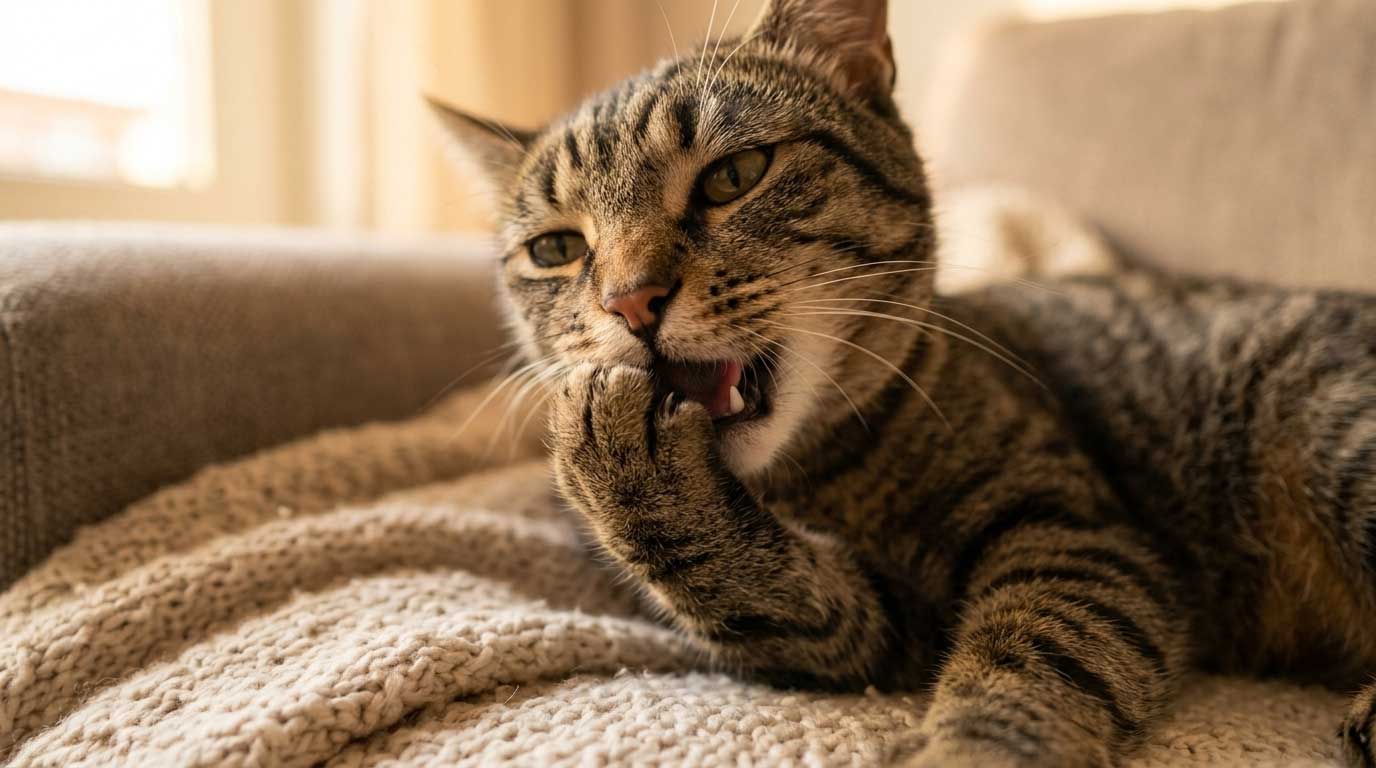
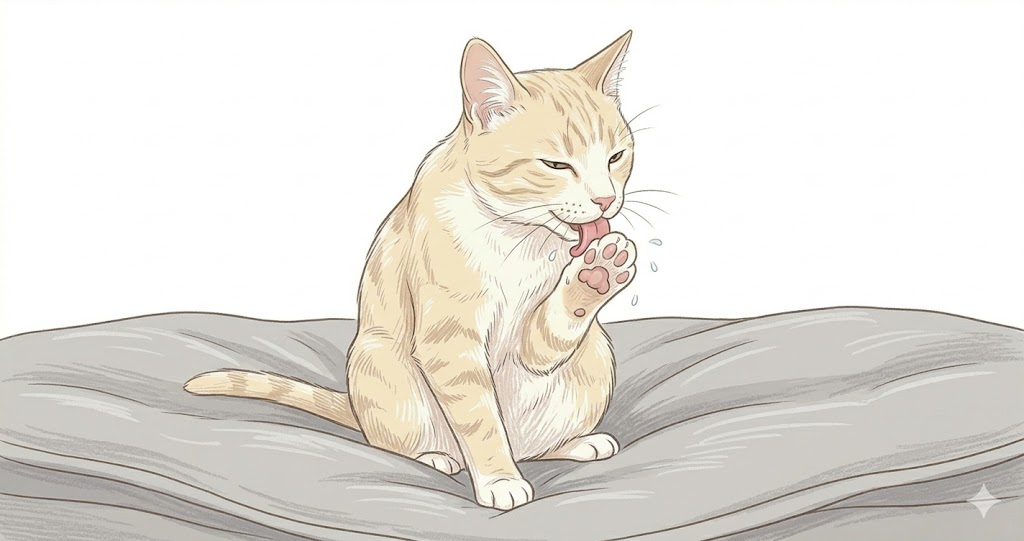
- ✓Excessive licking of the genital area
- ✓Hiding, reduced appetite, or behavior changes
- ✓Cloudy or concentrated urine
- ✓Symptoms often resolve in 3-7 days even without treatment — then recur during next stress
One striking feature: stress-related bladder inflammation flares often follow a specific stressor by 24-72 hours. If you can link the flare to a life event, that's strongly supportive of stress-related bladder inflammation.
How stress-related bladder inflammation Is Diagnosed
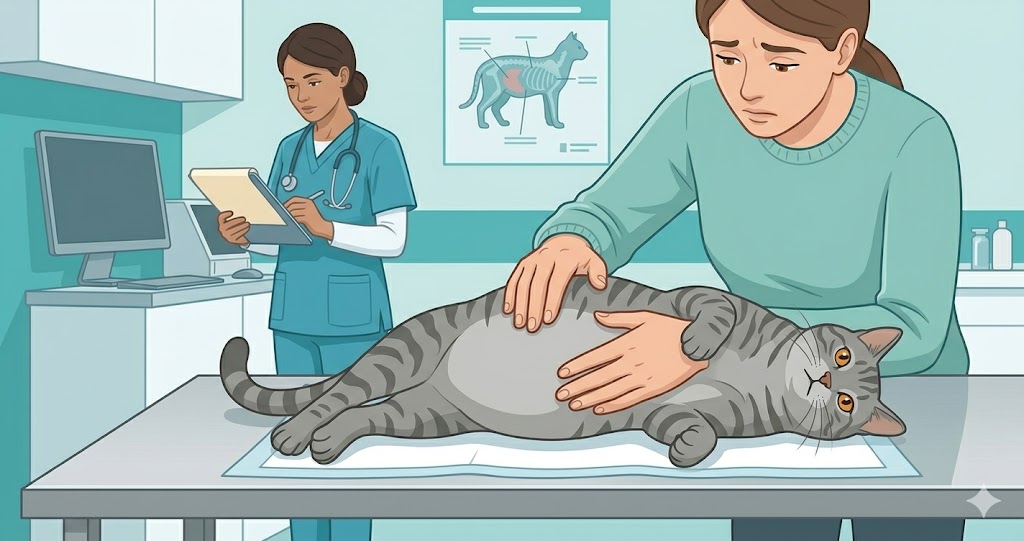
stress-related bladder inflammation is a diagnosis of exclusion — meaning vets rule out other causes first:
- ✓Urinalysis — shows blood and inflammation but NO bacteria
- ✓Urine culture — negative (no bacterial growth)
- ✓Blood tests — normal
- ✓Ultrasound or X-ray — shows no stones, tumors, or blockage
- ✓History of stress trigger + response to stress reduction confirms it
Why "Blood but No urinary tract concerns" Matters for Treatment
Here's the critical distinction: stress-related bladder inflammation does NOT improve with vet-prescribed medication. vet-prescribed medication only help bacterial infections. If your vet prescribed vet-prescribed medication and symptoms seemed to improve in 5-7 days — that's because stress-related bladder inflammation often self-resolves on that timeline anyway. The vet-prescribed medication didn't help; the inflammation just ran its course. This is why many stress-related bladder inflammation cats get repeated courses of vet-prescribed medication that don't really help.
True stress-related bladder inflammation management focuses on STRESS REDUCTION, not medication.
How to Manage stress-related bladder inflammation at Home
MEMO: Environmental Management
Veterinary behaviorists use the acronym MEMO — Multimodal Environmental Modification — for stress-related bladder inflammation management:
1. Water Intake
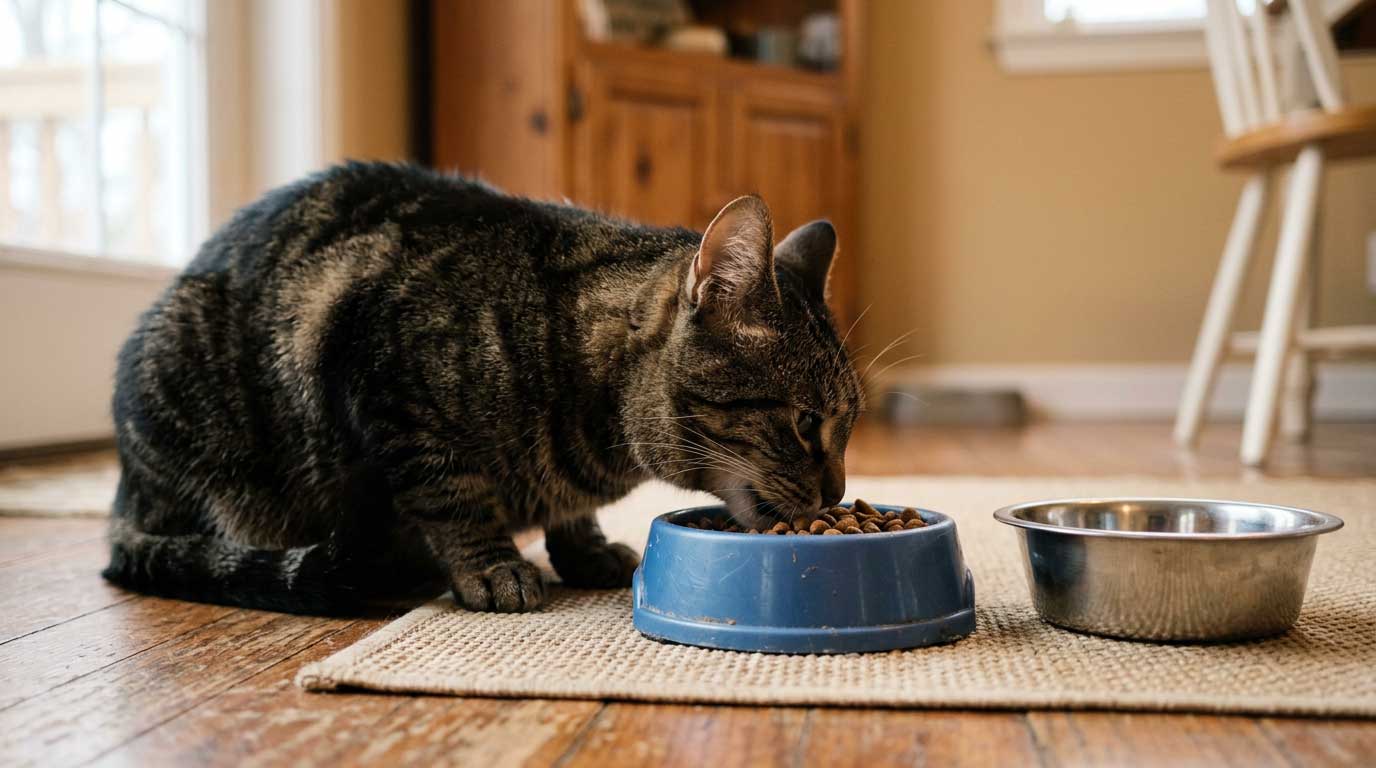
- ✓Switch to wet food if on dry (huge difference in stress-related bladder inflammation rates)
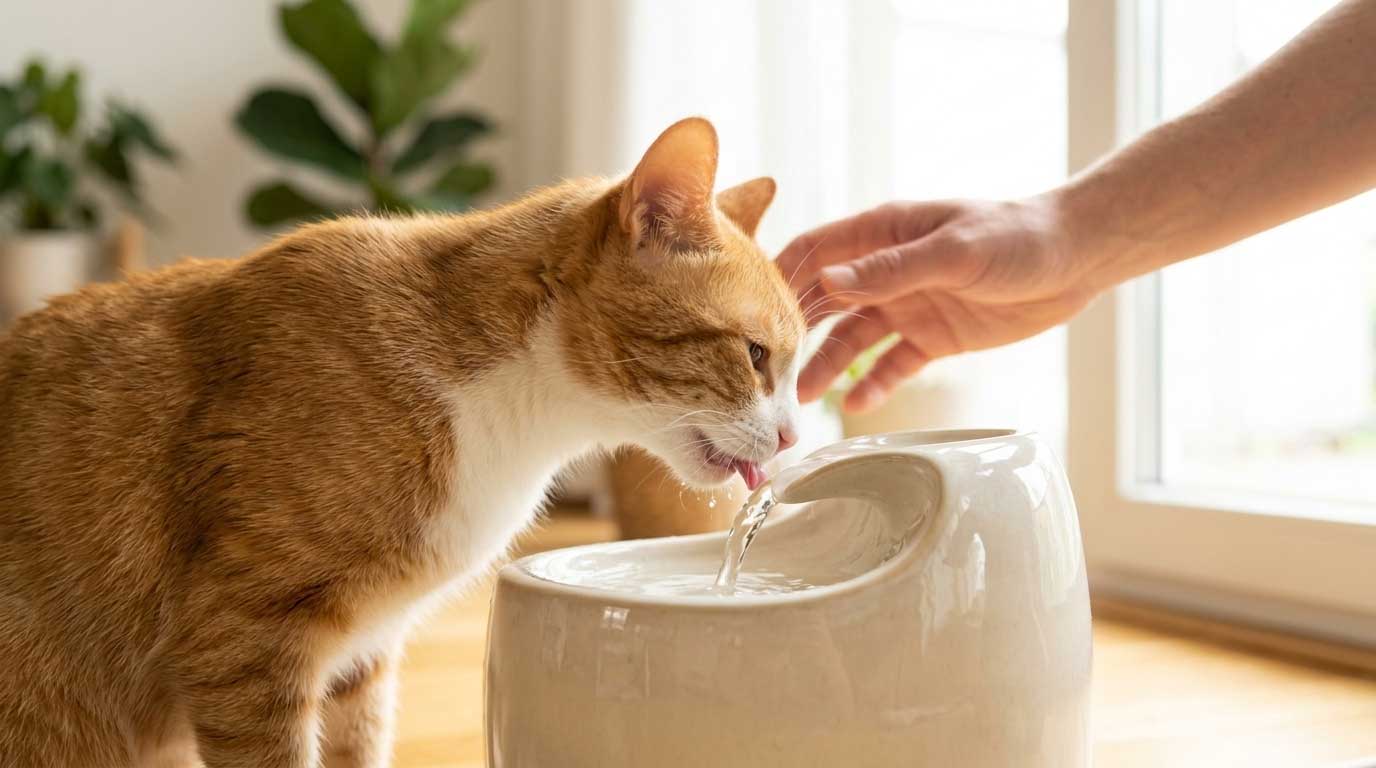
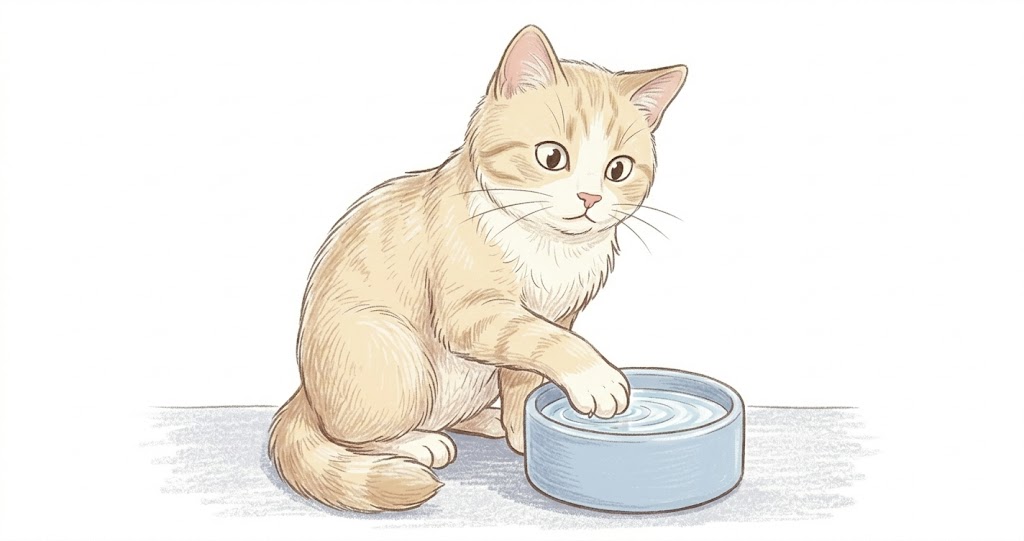
- ✓Add water fountains (cats prefer moving water)
- ✓Multiple water bowls in different rooms
- ✓Wide, shallow bowls (no whisker fatigue)
- ✓Add a splash of tuna juice or chicken broth for flavor
2. Litter Box Optimization
- ✓Rule: 1 box per cat + 1 extra
- ✓Scoop daily (cats hate dirty boxes)
- ✓Multiple locations in quiet areas
- ✓Avoid covered boxes (too stressful for some cats)
- ✓Try different litter types — unscented, low-dust
- ✓Large boxes — many cats prefer storage container size
3. Environmental Enrichment
- ✓Vertical space (cat trees, shelves)
- ✓Hiding spots (boxes, covered beds, cubbies)
- ✓Window perches with outdoor view
- ✓Interactive play sessions 2x daily
- ✓Puzzle feeders instead of bowl feeding
- ✓Access to safe outdoor time (catio, harness walks)
4. Stress Reduction Tools
- ✓Feliway Classic diffusers in main living areas
- ✓Feliway MultiCat for multi-cat households
- ✓Zylkene supplements (casein-based calming)
- ✓Prescription stress-reduction diets (Hills c/d Stress, Royal Canin Calm)
- ✓In severe cases: prescription anti-anxiety medication from vet
When stress-related bladder inflammation Flares Become Emergencies
stress-related bladder inflammation is uncomfortable but usually not life-threatening. HOWEVER:
- ✓Male cats with stress-related bladder inflammation can develop urethral spasms that progress to BLOCKAGE
- ✓Any straining + NO urine output = emergency (could be partial to complete blockage)
- ✓Vomiting or lethargy during stress-related bladder inflammation flare = more than just stress-related bladder inflammation
Managing Expectations
stress-related bladder inflammation is often chronic. Some cats have 1-2 flares a year during major stress; others have monthly issues. The good news: most stress-related bladder inflammation cats live full normal lives when environment is optimized. Flares typically last 3-7 days. The bad news: there's no "cure" — just management. Goal shifts from "eliminate" to "minimize flares."
If your cat has repeated episodes of "blood but no urinary tract concerns," bring this article to your vet and ask specifically about stress-related bladder inflammation. Many general practitioners under-diagnose it.
Is It stress-related bladder inflammation or Something Else?
Upload a urine photo — if it shows blood but the cat has been stressed recently, stress-related bladder inflammation is likely the cause.
Disclaimer: This article is for informational purposes only and is not a substitute for professional veterinary advice. Always consult a licensed veterinarian for diagnosis and treatment of your pet's health conditions.