Dog Wound Care: How to Clean, Treat & Monitor Wounds at Home
Complete guide to dog wound care at home. Learn how to clean a wound, what to put on it, signs of infection to watch for, and when to see a vet.
Published 2026-04-16
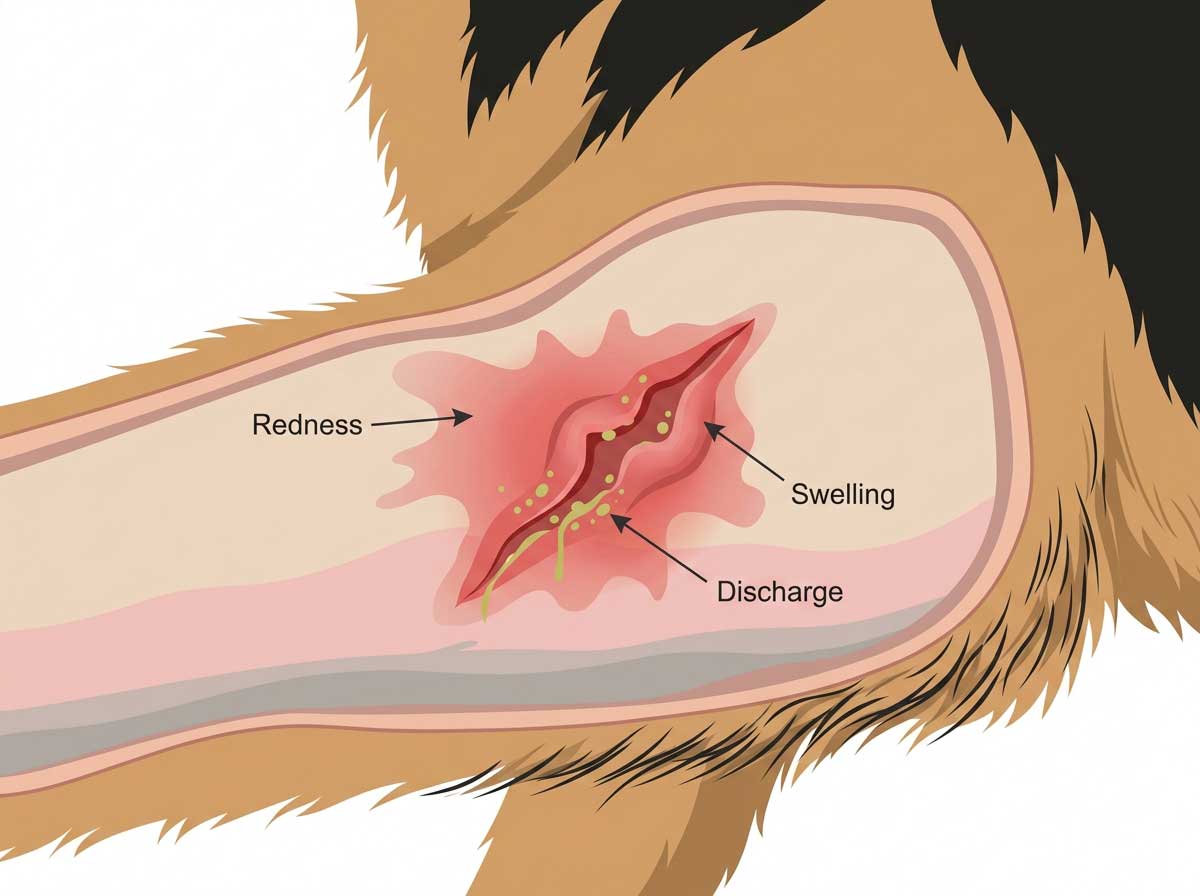
Worried About Your Dog's Wound?
Upload a photo and get an instant AI assessment of infection signs, wound severity, and whether you need to see a vet.
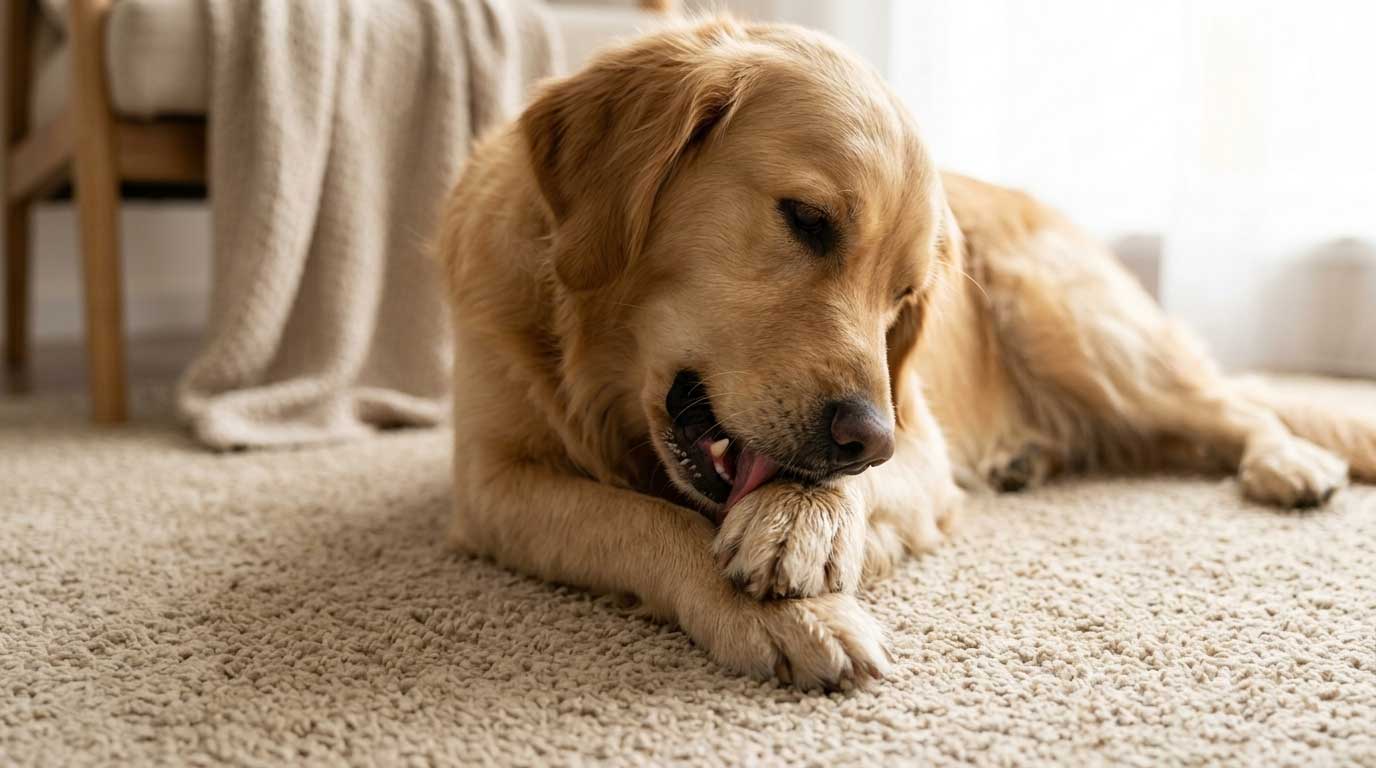
Your dog just came in from the yard with a cut on their leg. Or maybe they scraped themselves during a walk. Whatever happened, you're now wondering: can I take care of this at home, or does my dog need a vet? Dog wound care is one of the most searched pet health topics — and for good reason. Knowing how to properly clean and monitor a wound can prevent infections and save you an emergency vet bill.
Step 1: Assess the Wound
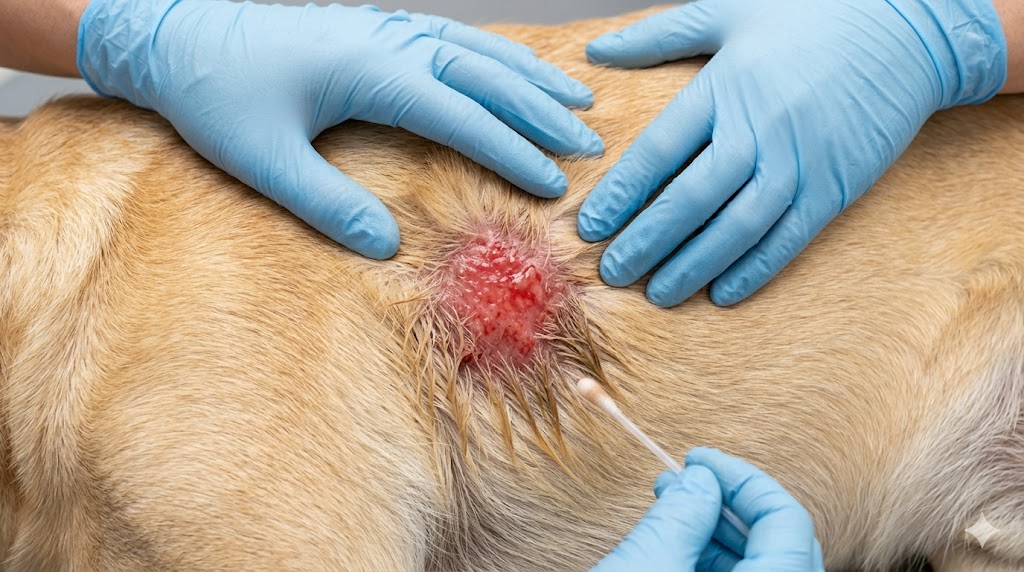
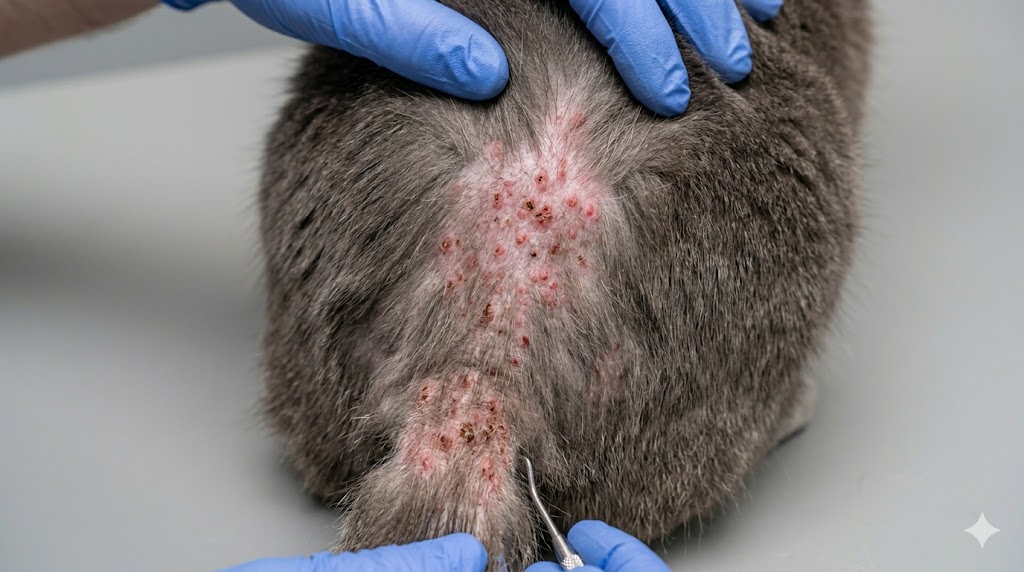
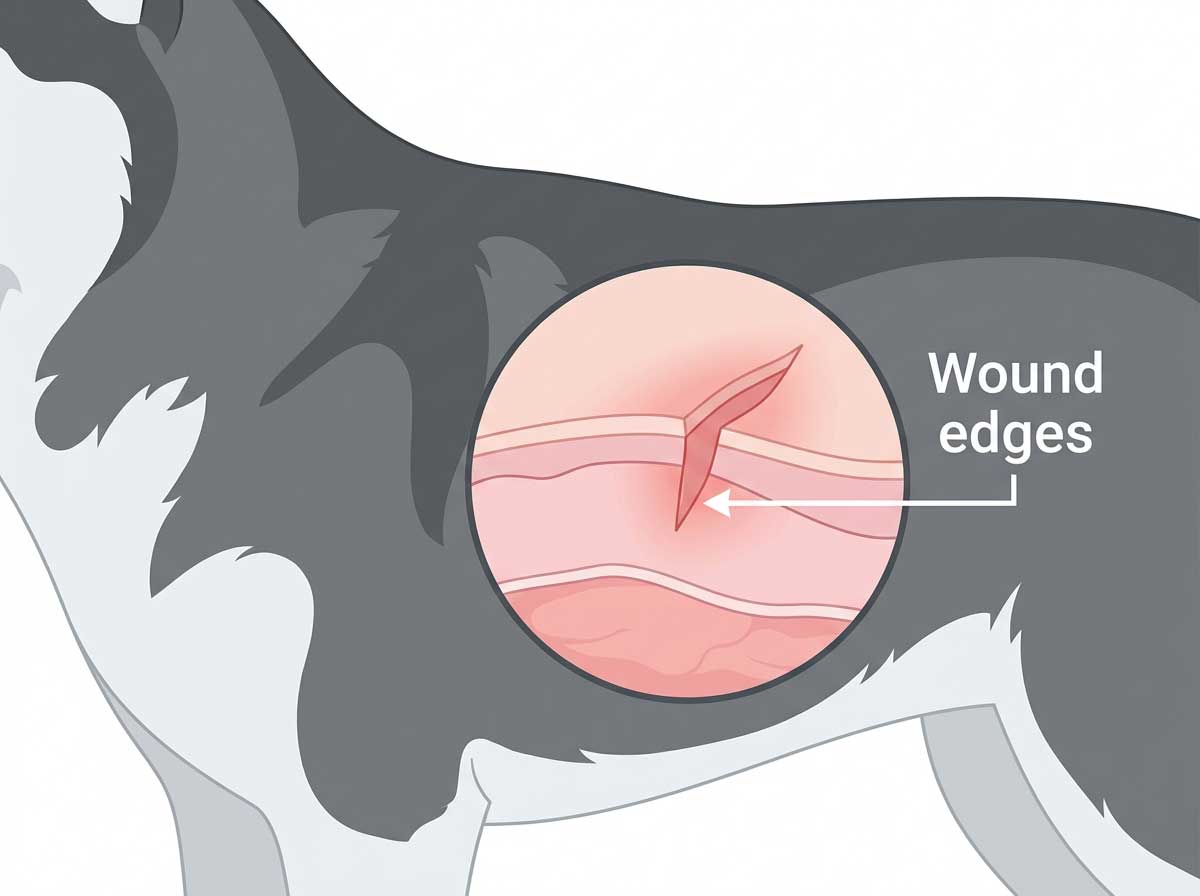
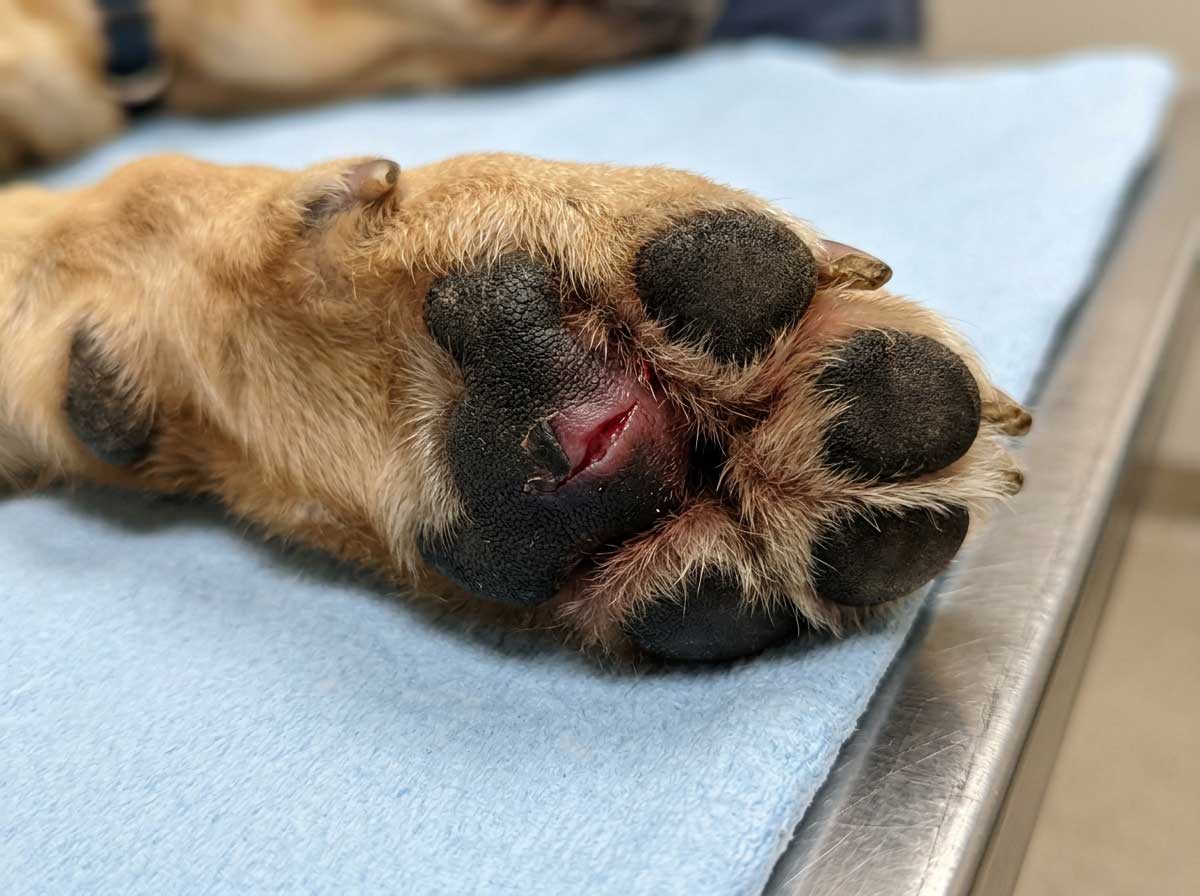
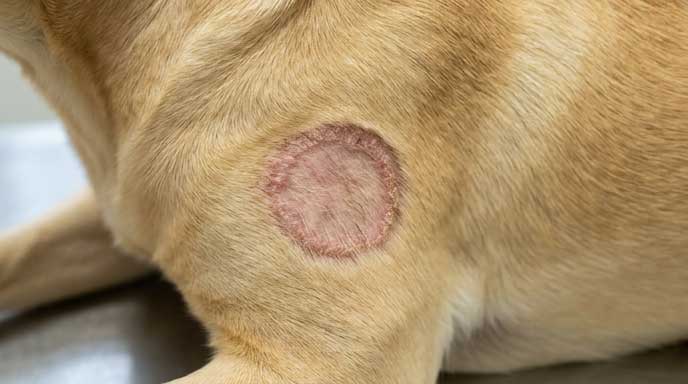
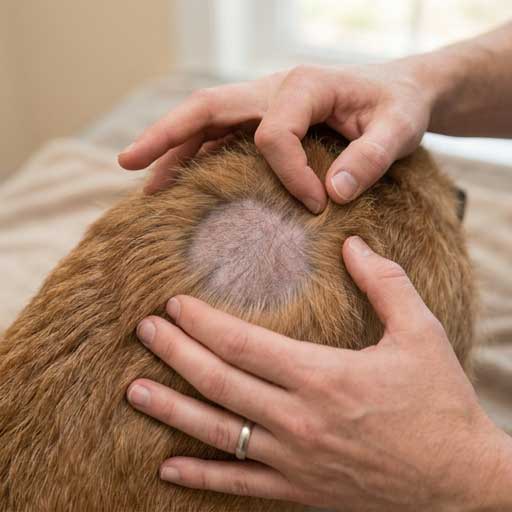
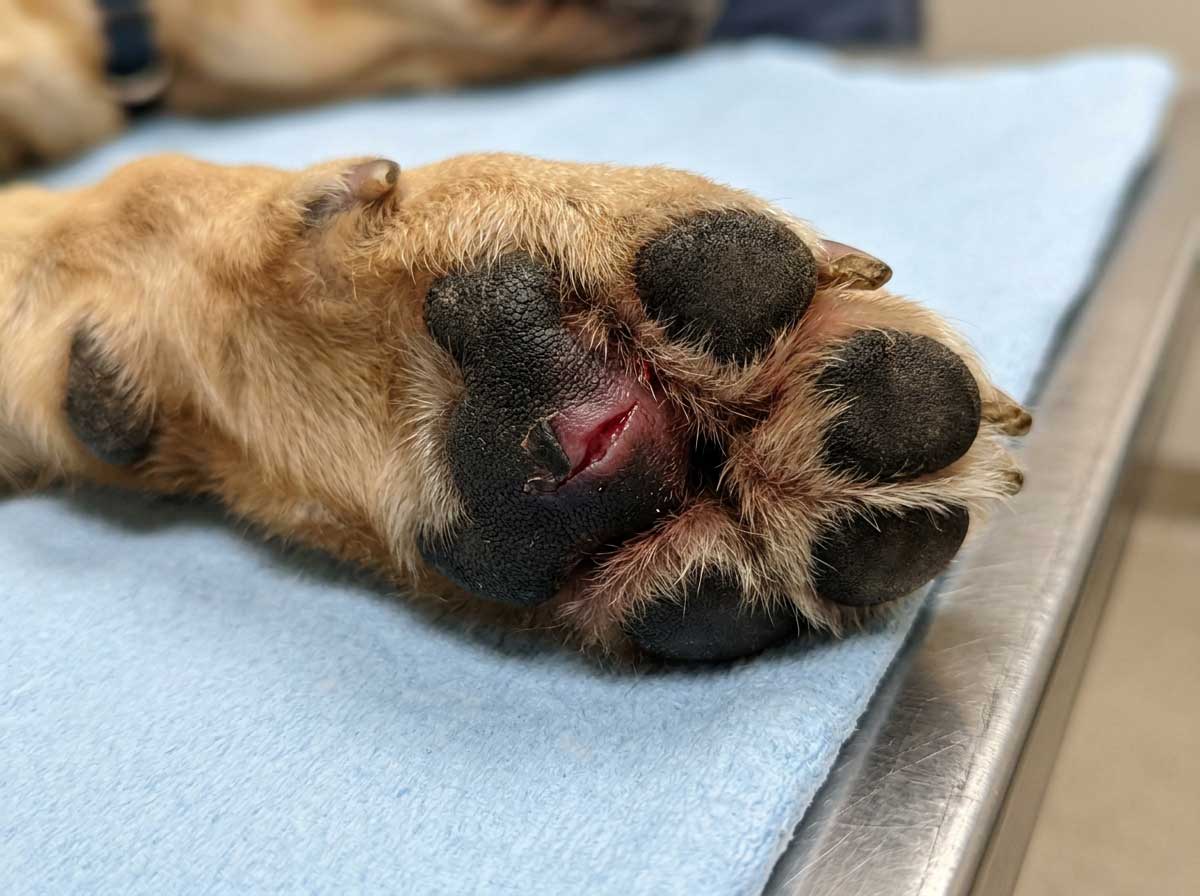
Before doing anything, take a breath and assess what you're dealing with. Not all wounds are equal:
- ✓Minor scrapes and abrasions — skin is intact or barely broken, minimal bleeding. Usually safe to treat at home.
- ✓Shallow cuts — skin is cut but you can't see tissue underneath. May be treatable at home if small.
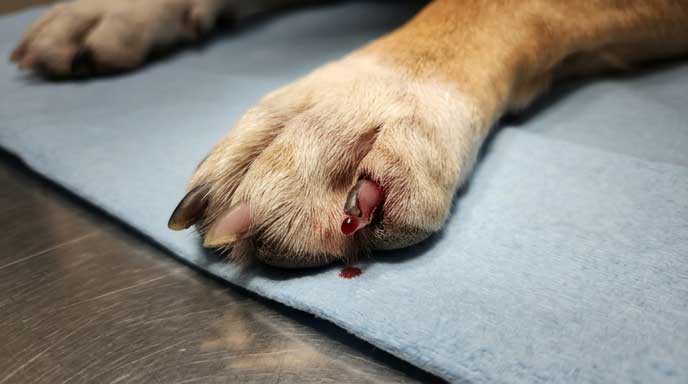
- ✓Deep cuts or lacerations — you can see fat, muscle, or tissue. Needs a vet.
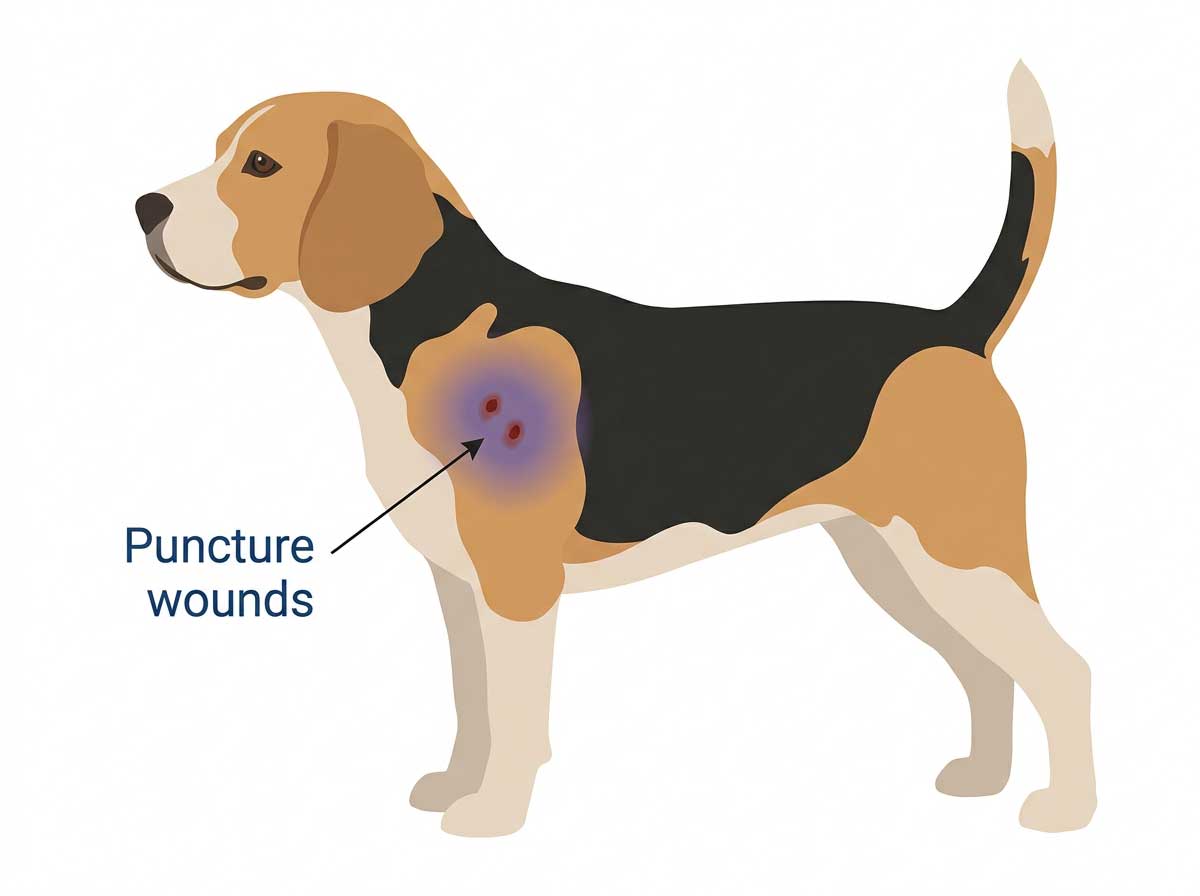
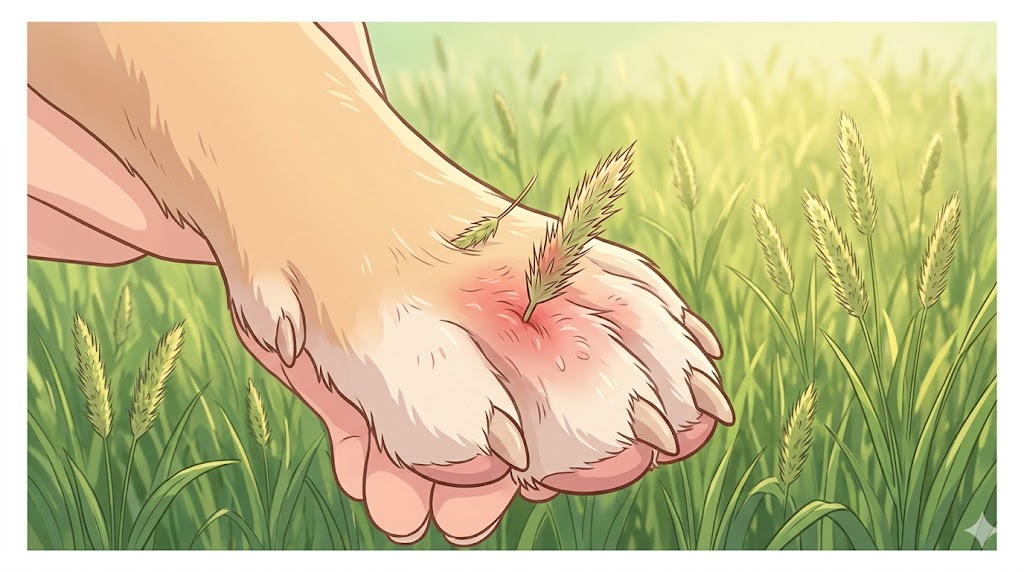
- ✓Puncture wounds — small entry point but potentially deep. Always see a vet.
- ✓Bite wounds — any bite from another animal. Always see a vet due to high infection risk.
If you're unsure about the severity, take a clear photo and upload it to our AI wound photo analysis tool for an instant assessment.
Step 2: Stop the Bleeding
For minor wounds, bleeding usually stops on its own. For more active bleeding:
- ✓Apply gentle, direct pressure with a clean cloth or gauze for 5-10 minutes
- ✓Don't peek — lifting the cloth resets the clotting process
- ✓If blood soaks through, add another layer on top (don't remove the first)
- ✓If bleeding doesn't stop after 10 minutes of direct pressure, go to the vet
Step 3: Clean the Wound
Proper cleaning is the most important part of wound care for dogs. Here's the right way to do it:
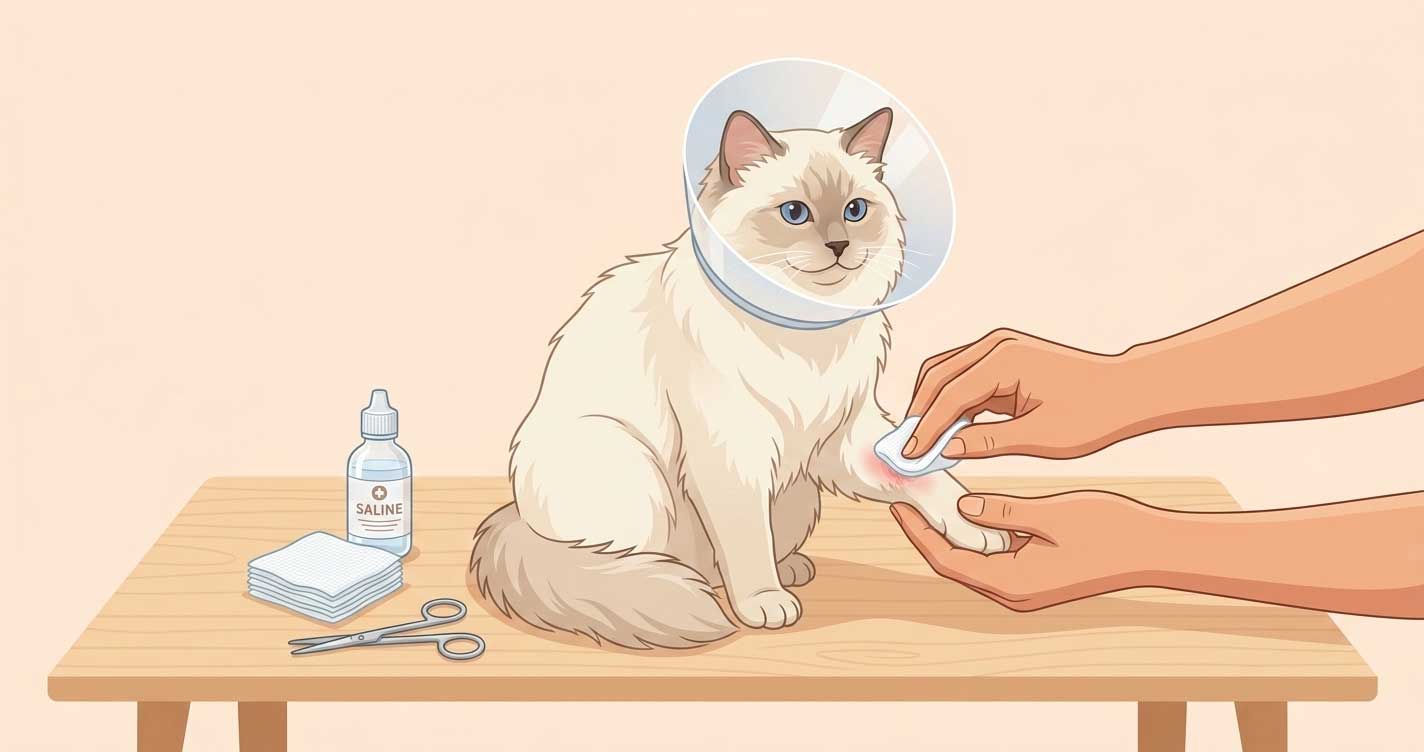
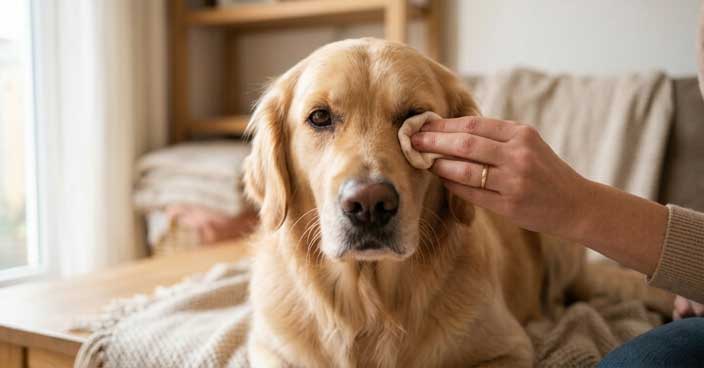
- ✓Use lukewarm water or sterile saline solution to flush the wound gently
- ✓Remove any visible dirt, debris, or hair from the wound area
- ✓You can use a mild antiseptic like diluted vet-recommended antiseptic (not full strength)
- ✓Avoid hydrogen peroxide — despite its popularity, it damages healthy tissue and slows healing
- ✓Avoid alcohol — it causes severe pain and tissue damage
- ✓Pat dry gently with clean gauze
Trim the fur around the wound if possible — this prevents hair from getting into the wound and trapping bacteria.
Step 4: Apply Wound Treatment
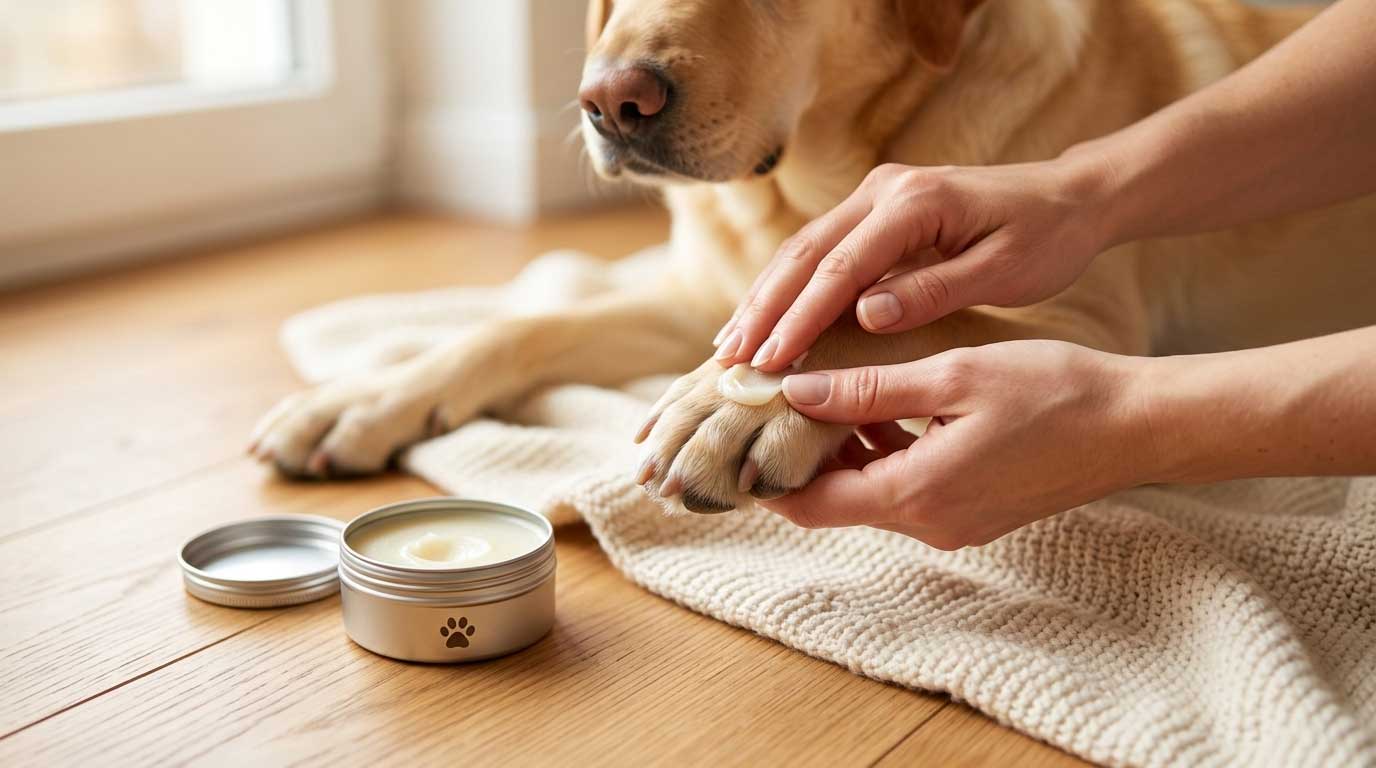
- ✓Apply a thin layer of veterinary wound ointment or plain Neosporin (without pain relief ingredients — the "caine" ingredients are toxic to dogs if licked)
- ✓If the wound is in a lickable area, consider a light bandage or e-collar
- ✓Change bandages daily and check the wound each time
- ✓Never use human medications like aspirin, ibuprofen, or acetaminophen on dogs — they're toxic
Step 5: Monitor for Infection
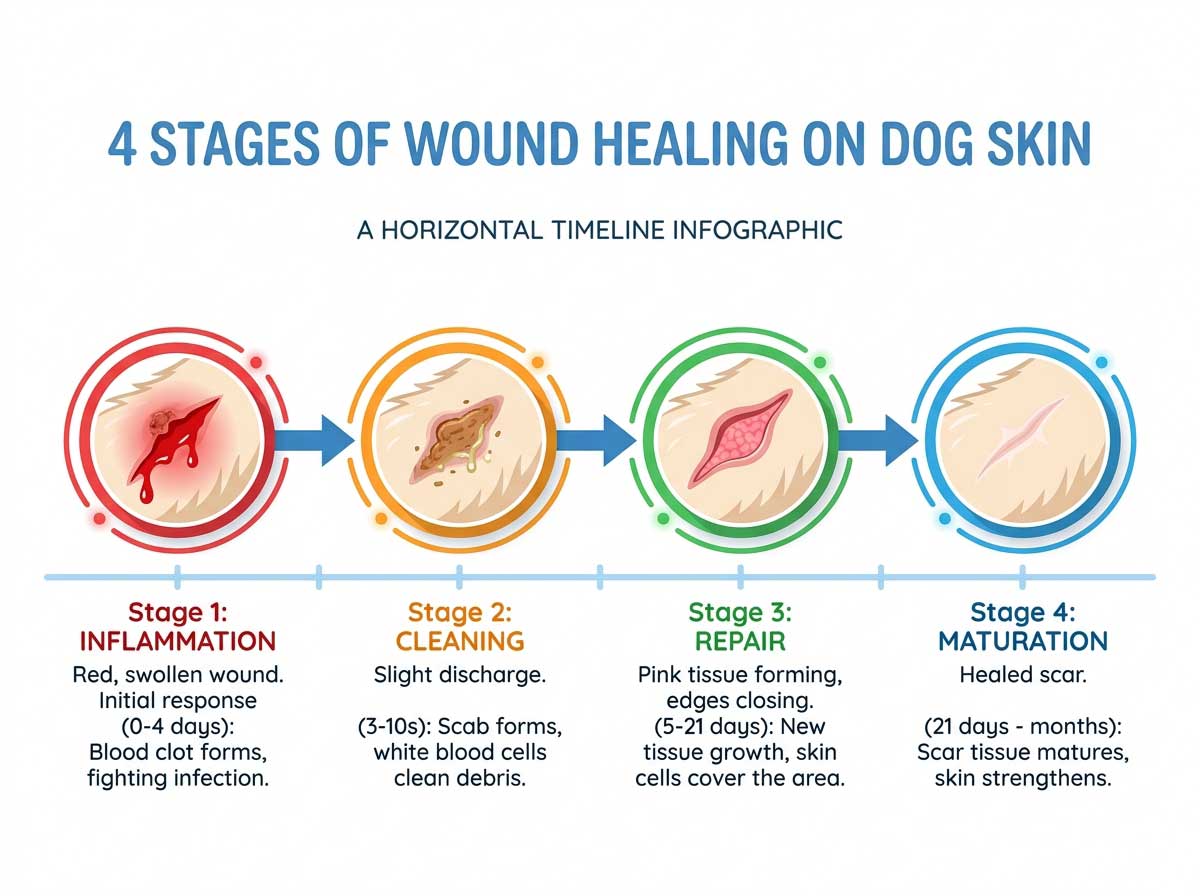
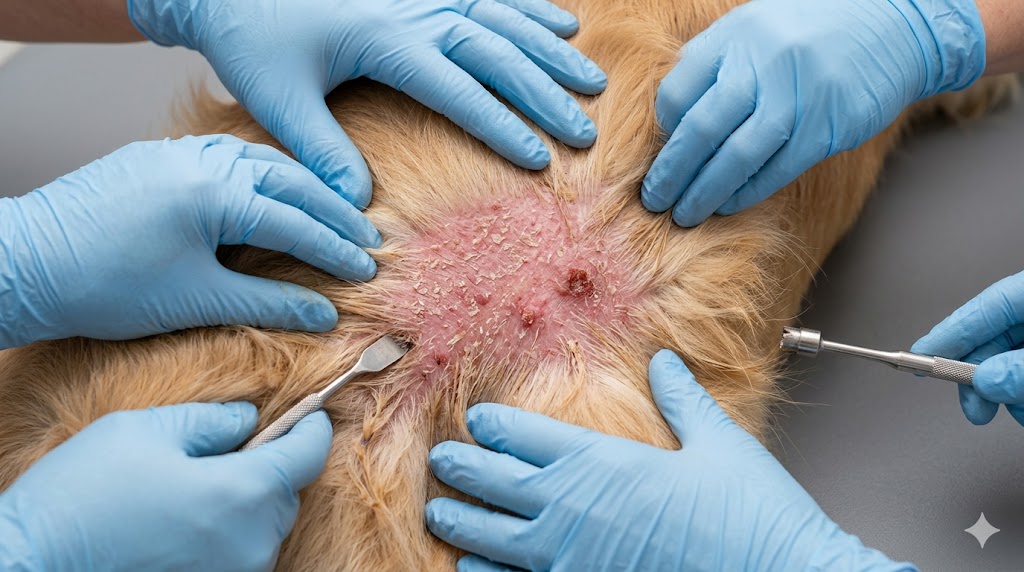
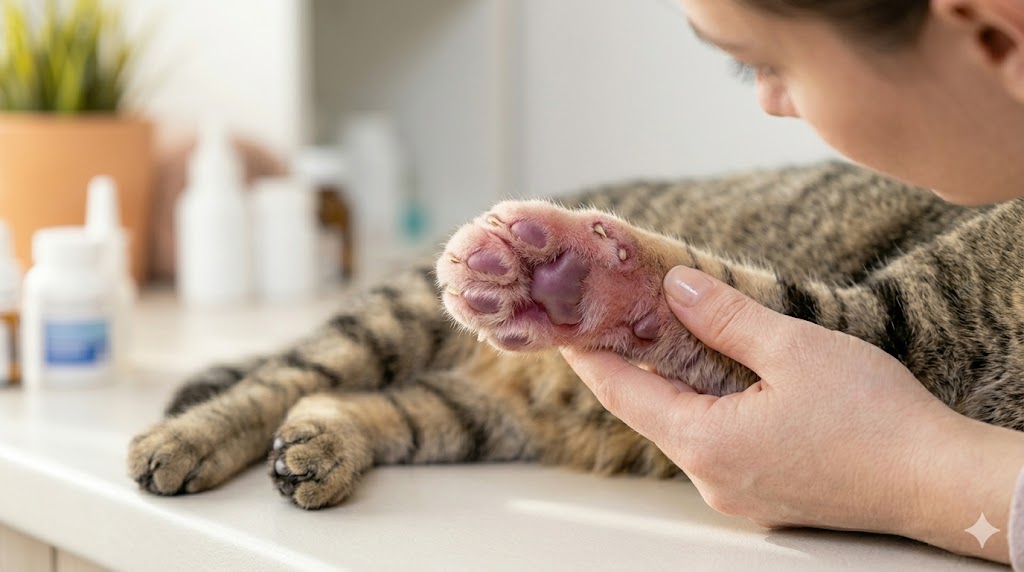
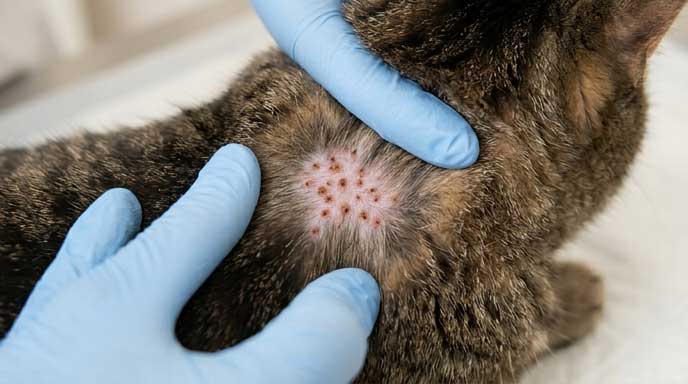
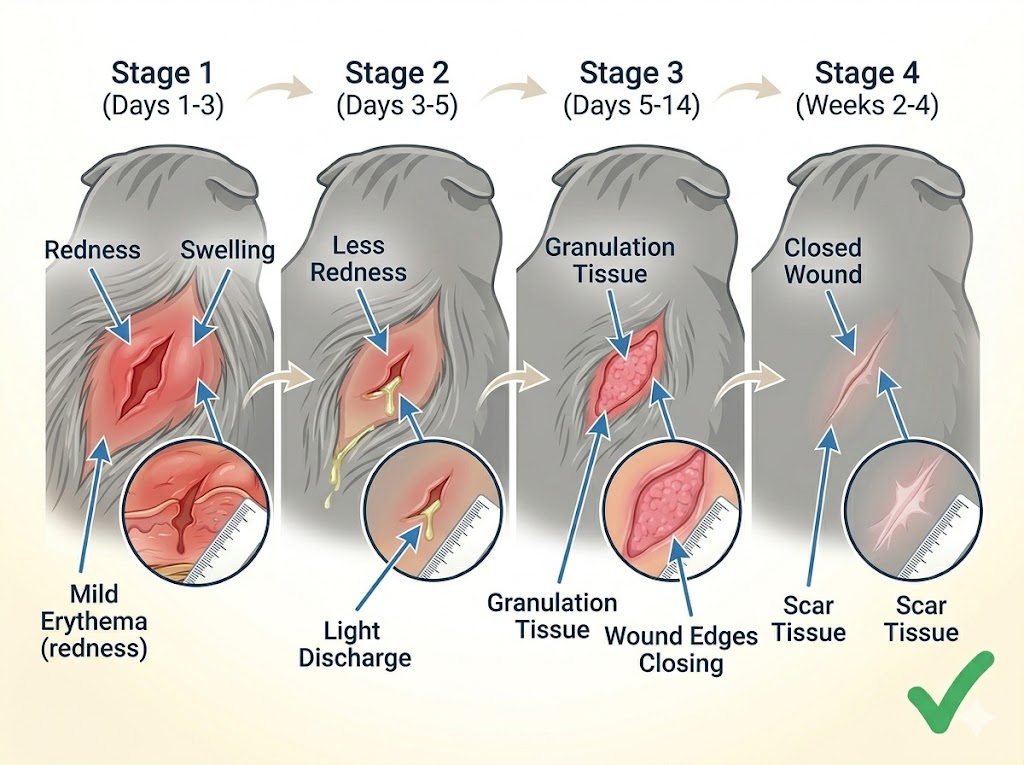
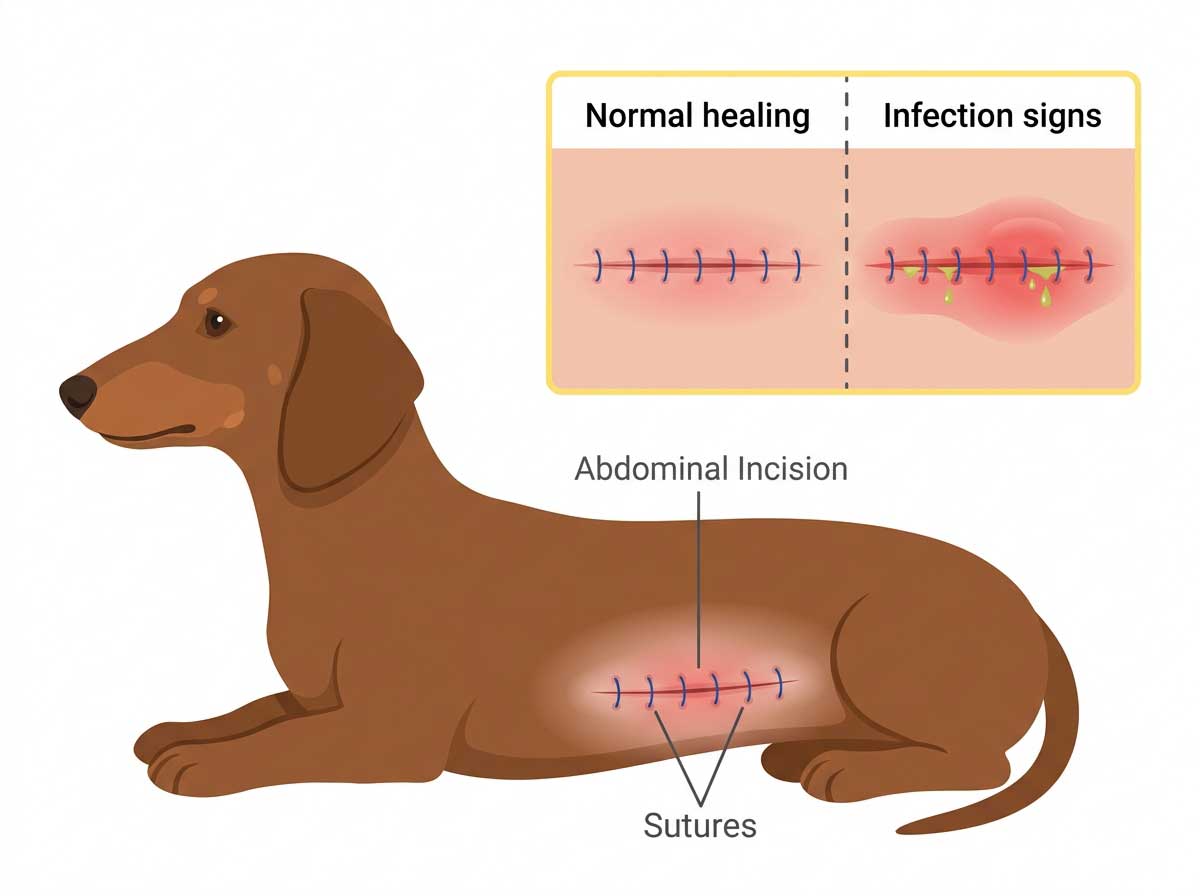
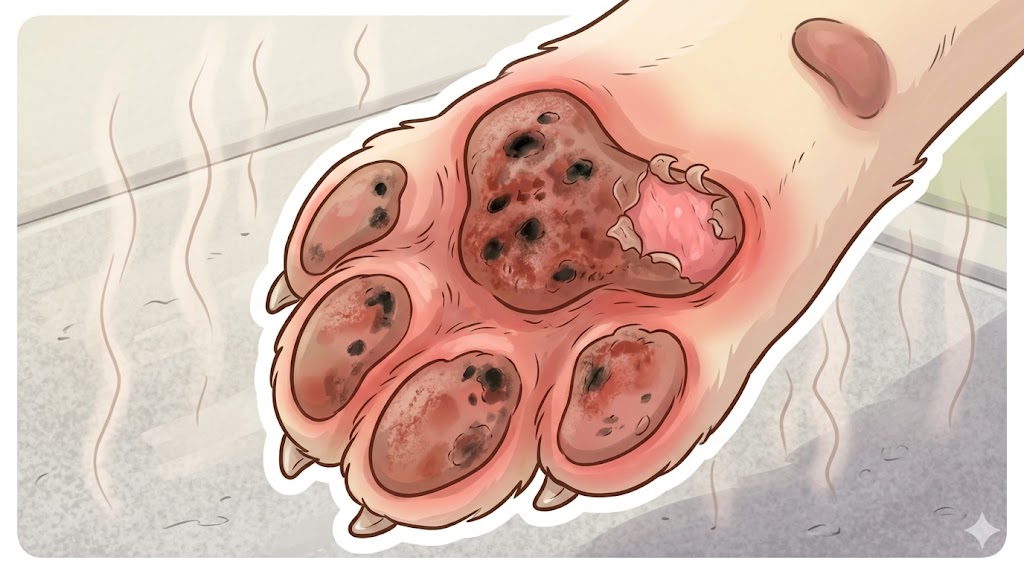
This is where most pet owners need help — knowing the difference between normal healing and infection. Check the wound twice daily and watch for these infection signs:
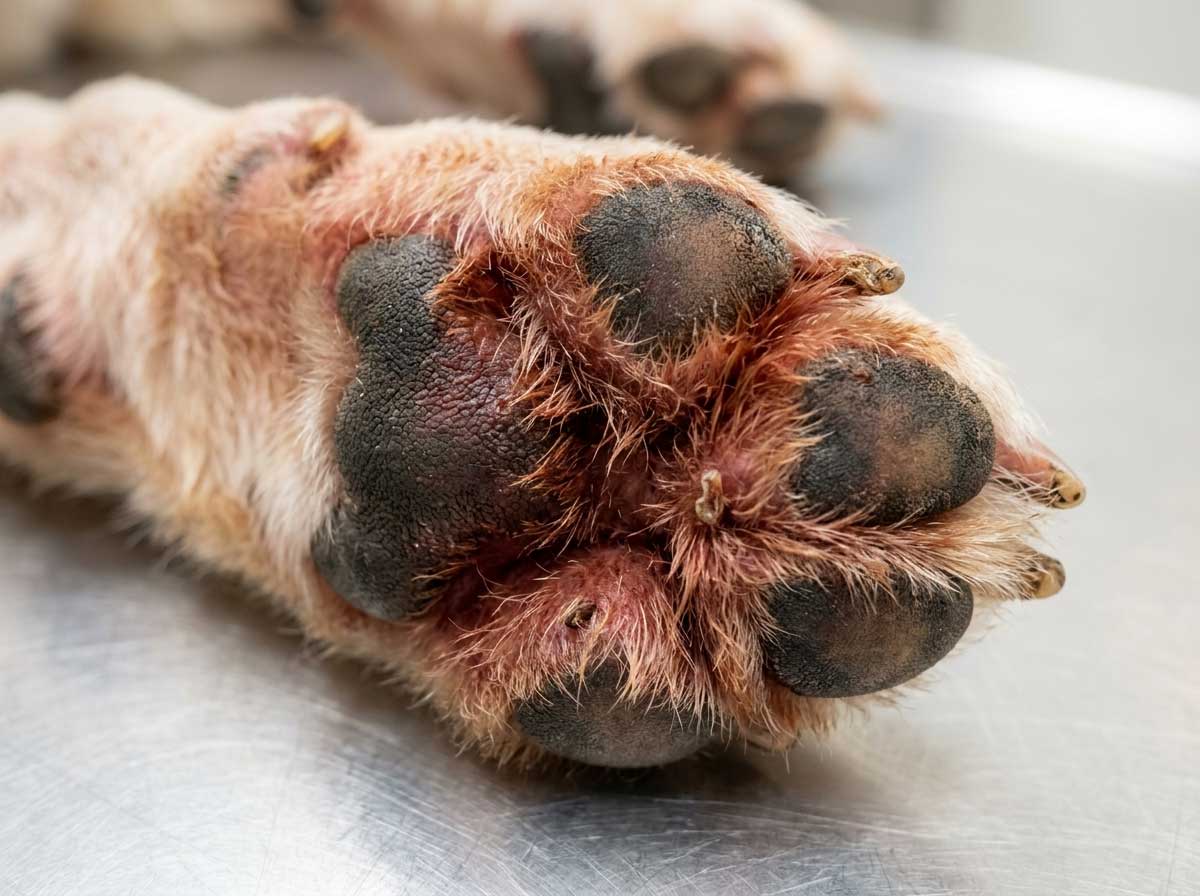
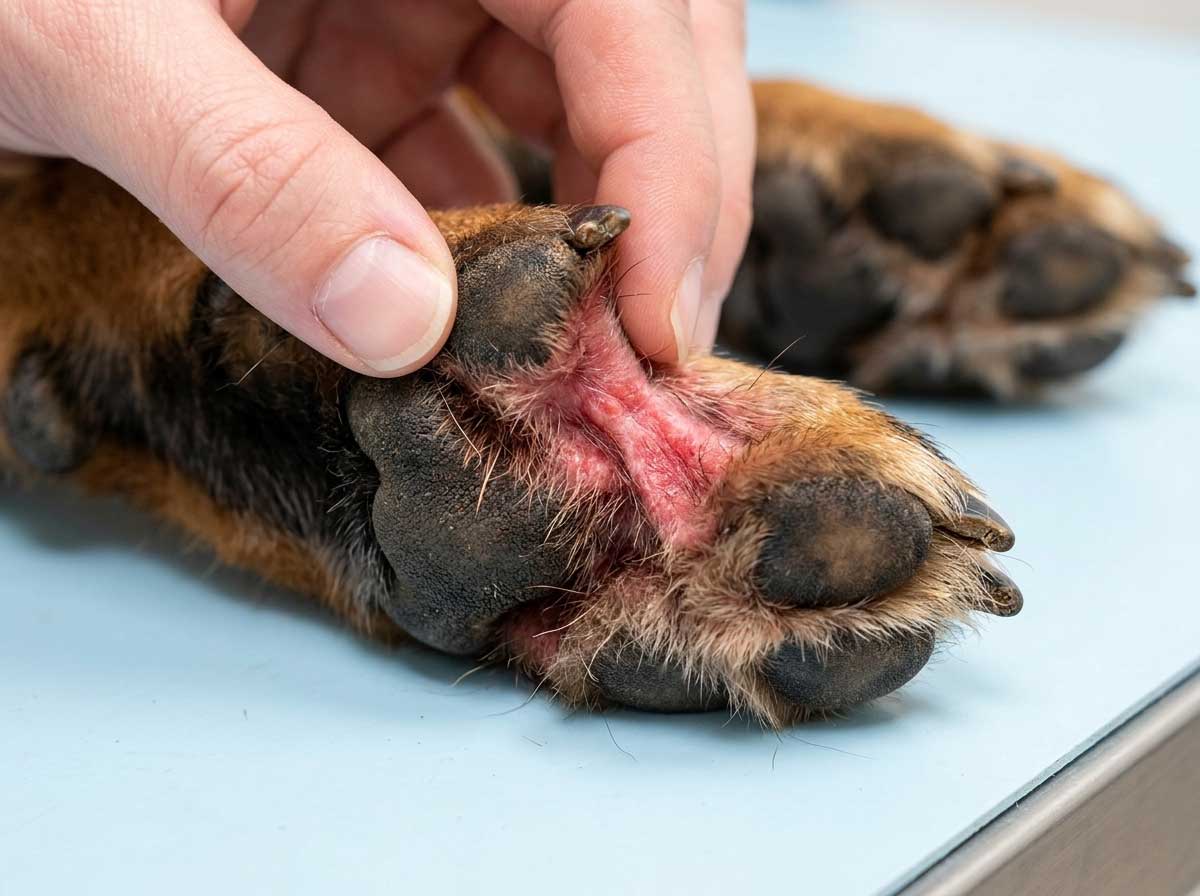
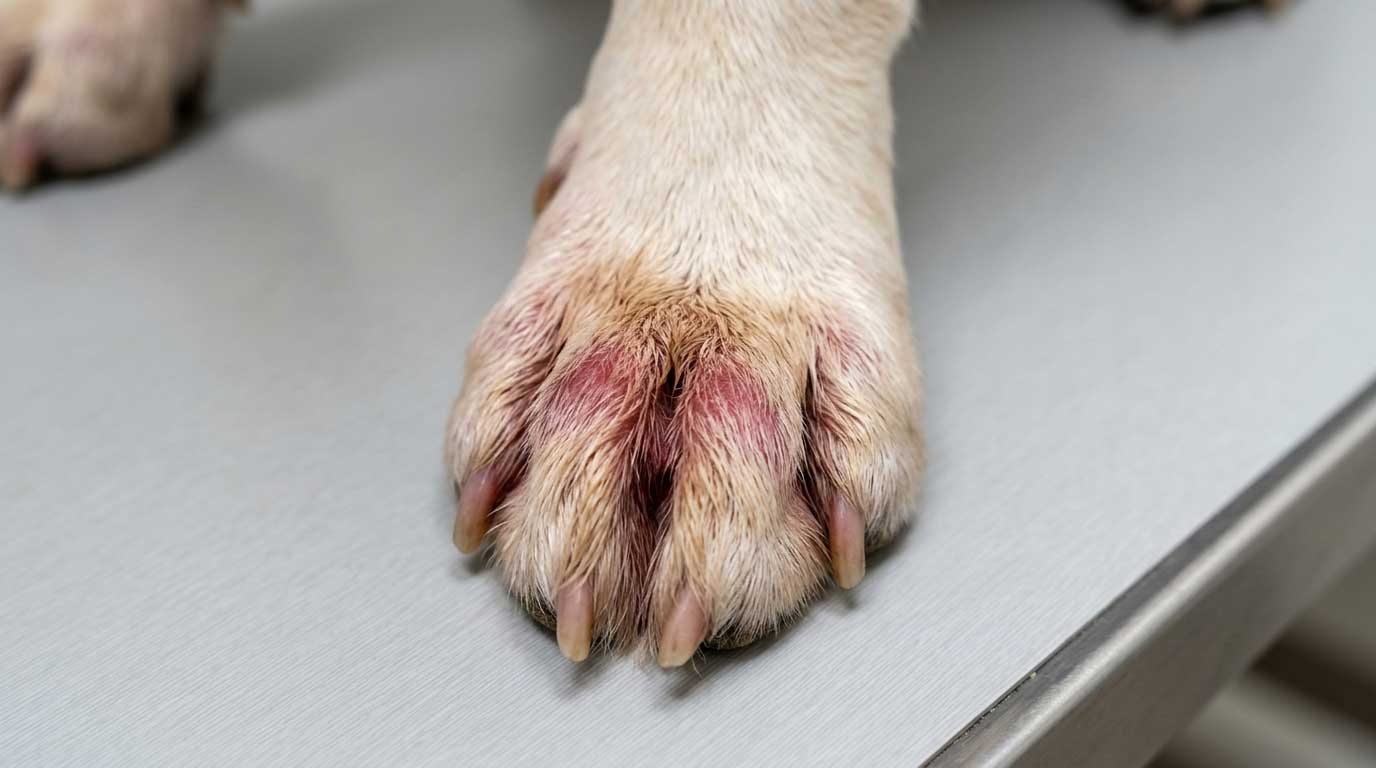
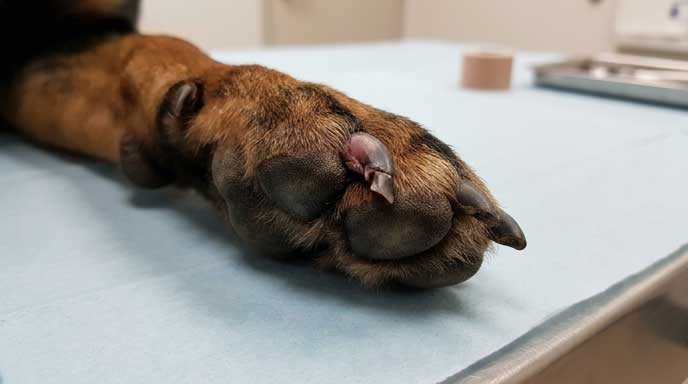
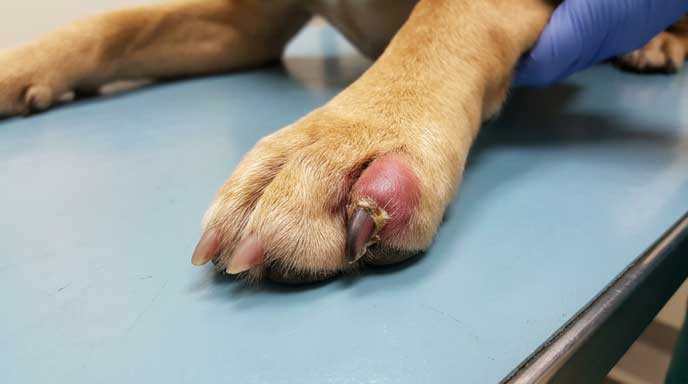
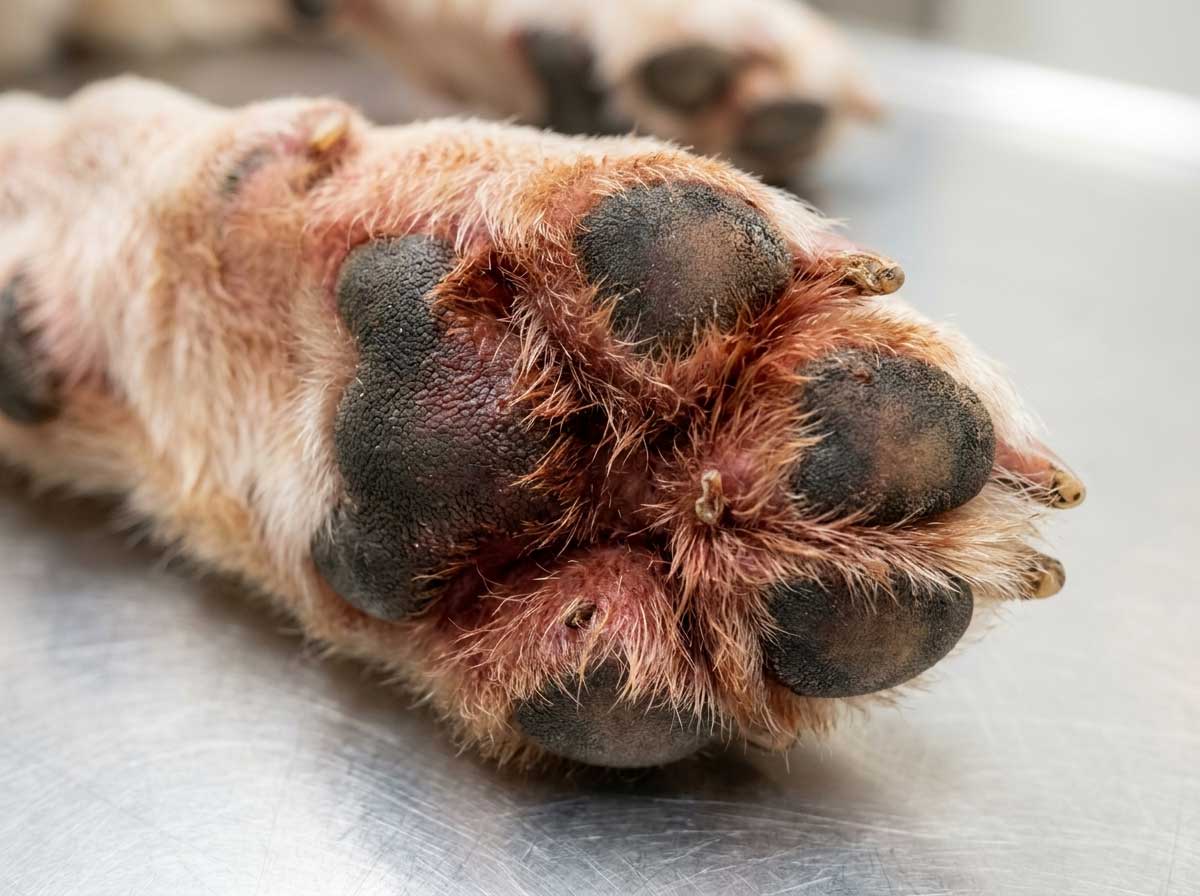
- ✓Increasing redness and swelling (not improving after 2-3 days)
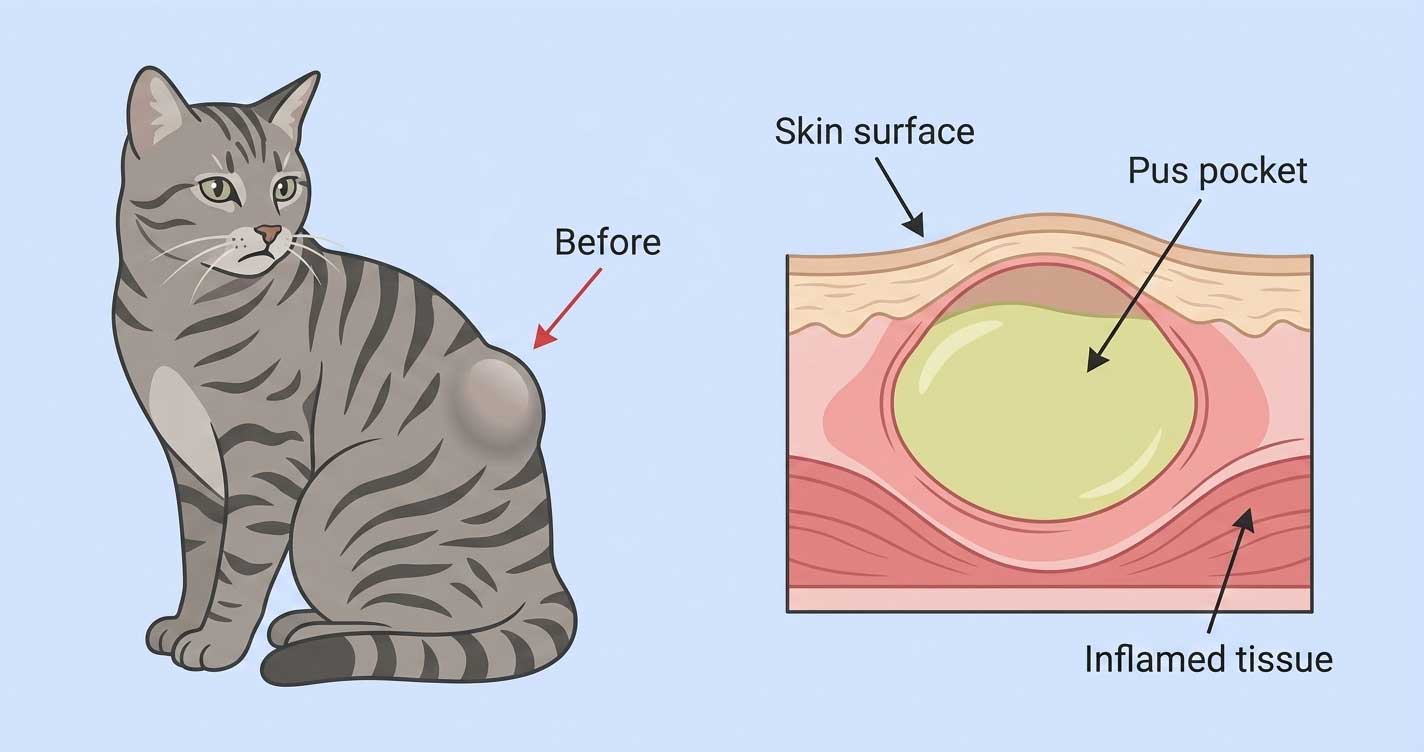
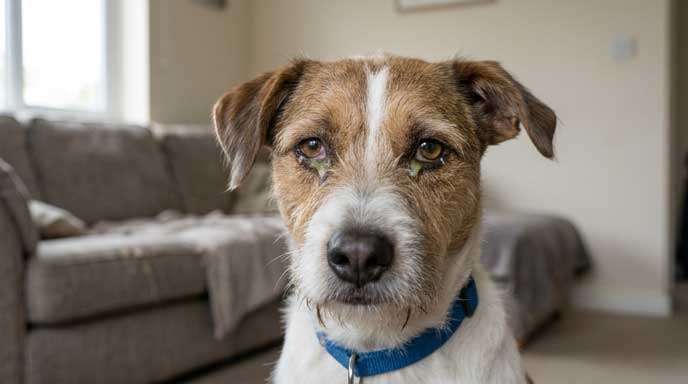
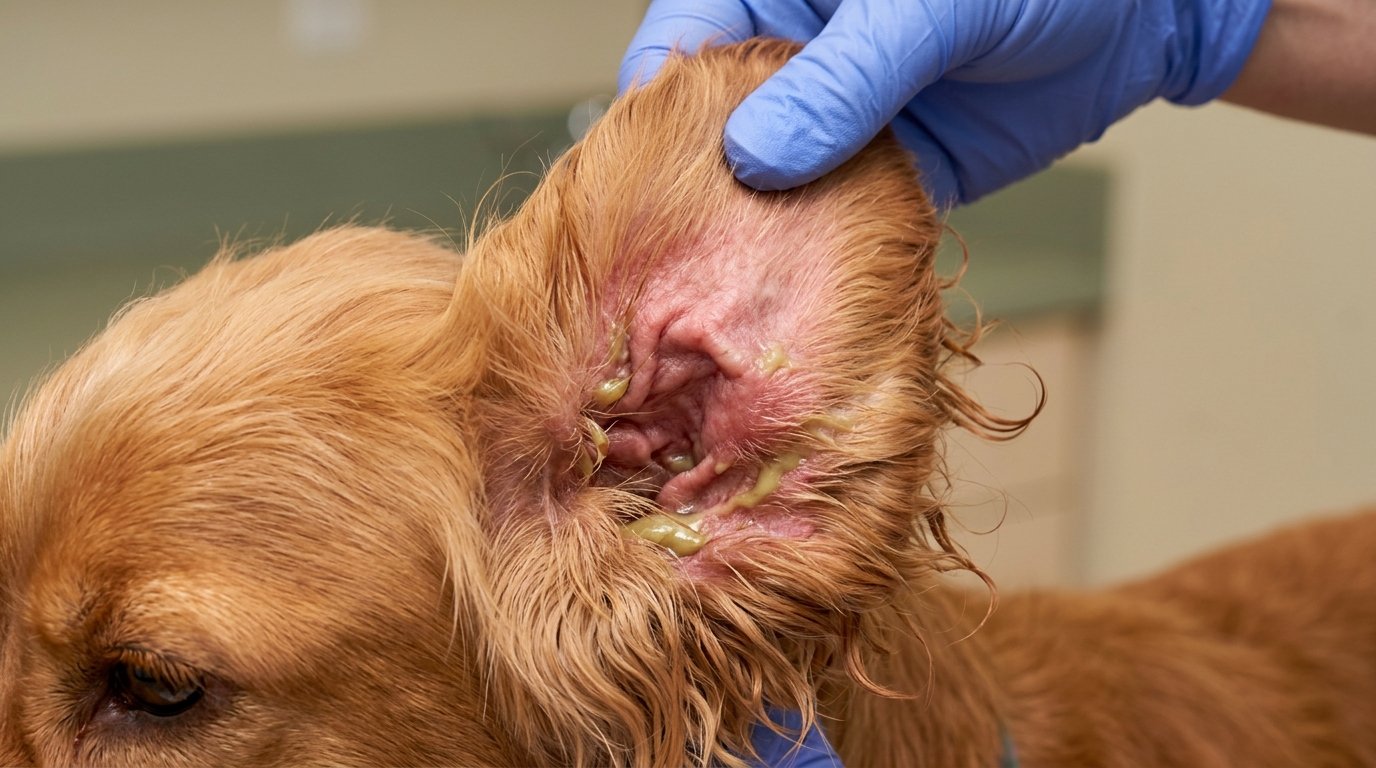
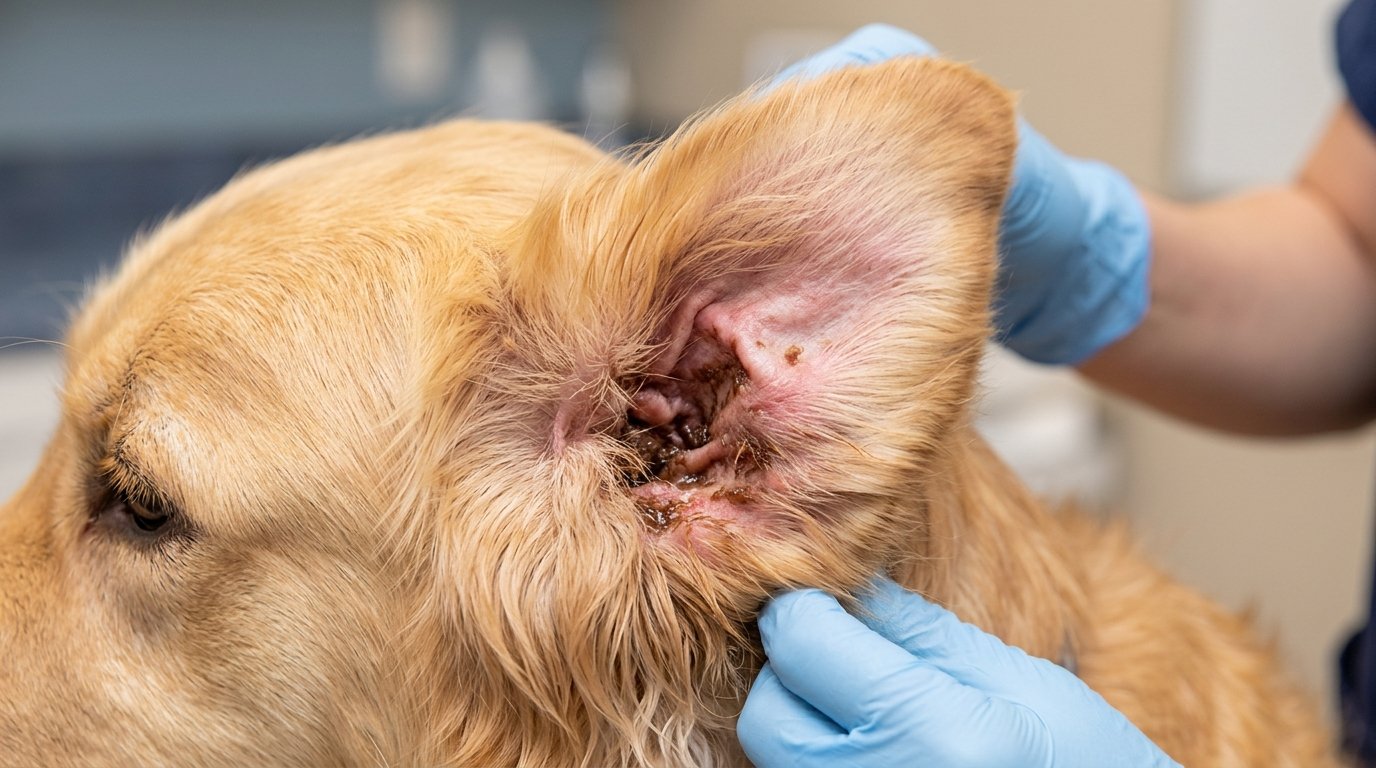
- ✓Yellow, green, or foul-smelling discharge (pus)
- ✓The wound feels hot to the touch
- ✓Red streaks spreading outward from the wound
- ✓Your dog is in more pain than before, not less
- ✓Bad smell coming from the wound
- ✓Your dog develops a fever, stops eating, or becomes lethargic
If you see any of these signs, your dog needs veterinary vet-prescribed medication. Wound infections don't resolve on their own and can escalate to dangerous systemic infections (sepsis).
When to Skip Home Care and Go Straight to the Vet
- ✓Bleeding that won't stop with 10 minutes of pressure
- ✓Deep wounds where you can see tissue, muscle, or bone
- ✓Any bite wound from another animal
- ✓Puncture wounds (they look small but can be deep)
- ✓Wounds on the face, eyes, chest, or abdomen
- ✓Your dog is in severe pain or won't let you touch the area
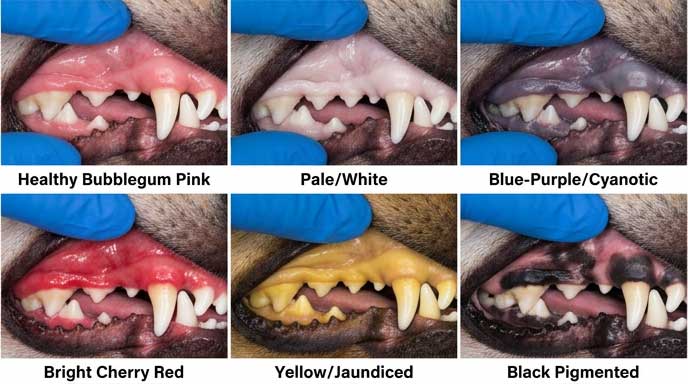
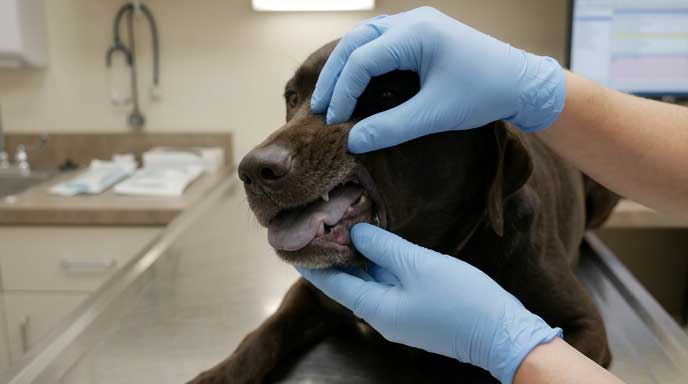
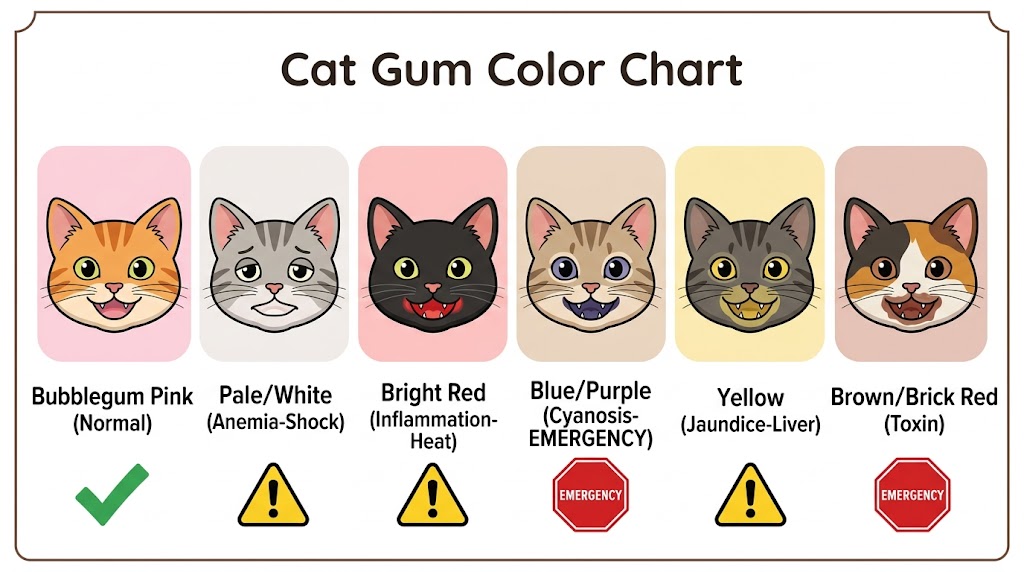
- ✓Signs of shock: pale gums, rapid breathing, weakness
- ✓The wound has been there more than 24 hours and hasn't improved
Not Sure If It's Serious? Let AI Help
Sometimes it's hard to tell if a wound needs a vet or can be managed at home. Our AI dog wound photo analysis tool can analyze a photo of your dog's wound in seconds — assessing infection signs, wound severity, and healing stage. It's not a replacement for a vet, but it can help you make a more informed decision about next steps.
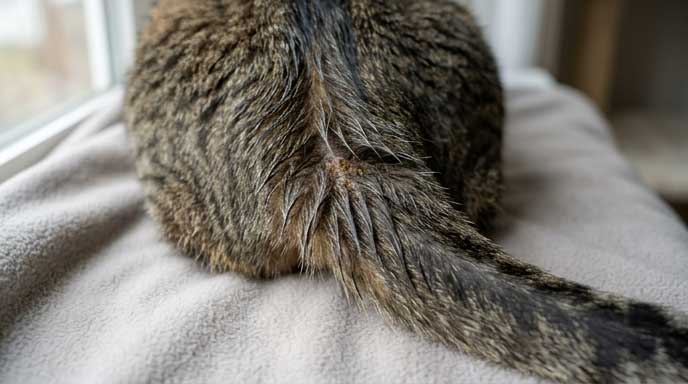
Lump on dog tail rather than open wound? Our new AI tool identifies cyst vs lipoma vs concerning mass from your photo + tells you when to see vet.
Try Tail Lump Pictures AI ToolWorried About Your Dog's Wound?
Upload a photo and get an instant AI assessment of infection signs, wound severity, and whether you need to see a vet.
Disclaimer: This article is for informational purposes only and is not a substitute for professional veterinary advice. Always consult a licensed veterinarian for diagnosis and treatment of your pet's health conditions.