Dog Paw Yeast Infection: Pictures, Treatment, Soaks & Home Remedies
Dog paw yeast infection — the corn-chip smell + rust-stained fur tell. Pictures, soaks, ACV truth, treatment timeline, and when home care isn't enough.
Published 2026-04-18 · Updated 2026-06-18
Yeast Infection, Bacterial, or Something Else?
Upload a photo of your dog's paw and get AI analysis of likely infection type and severity.
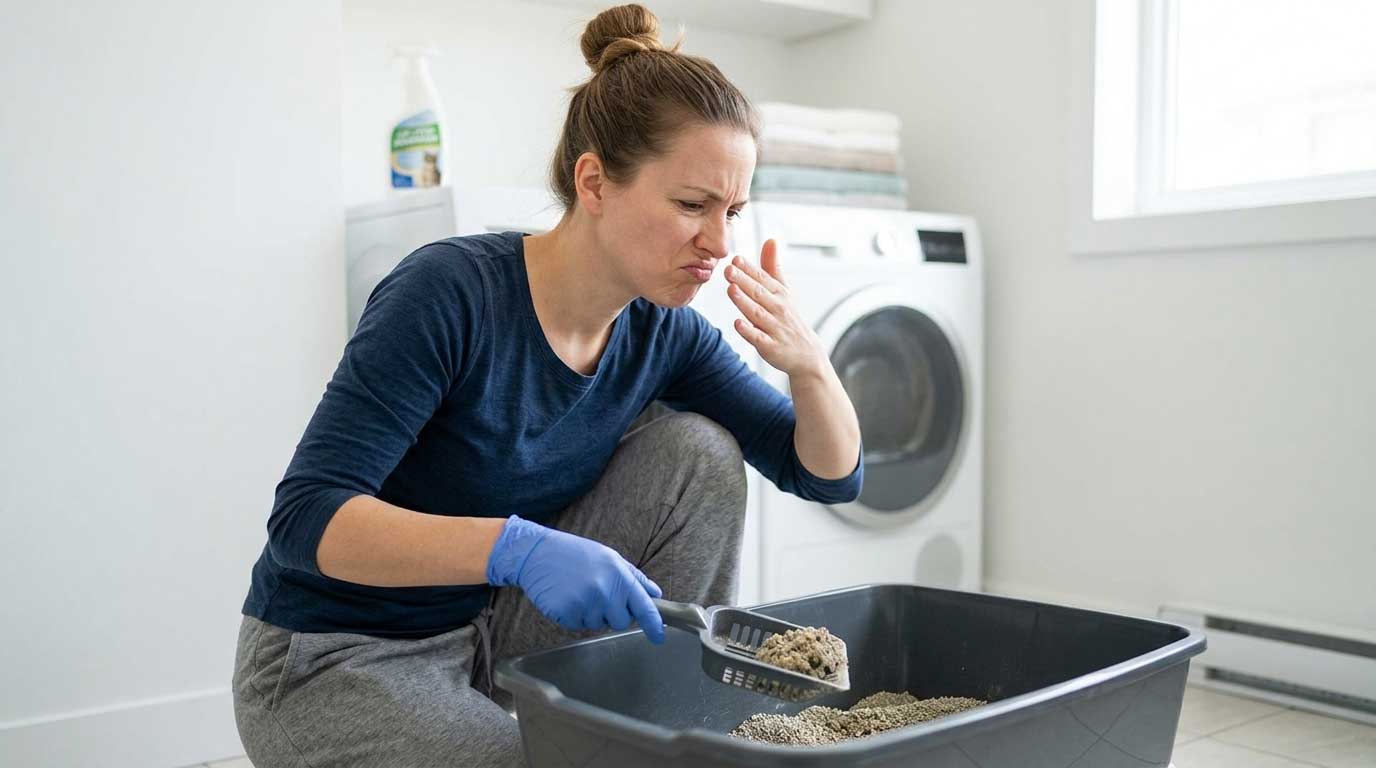
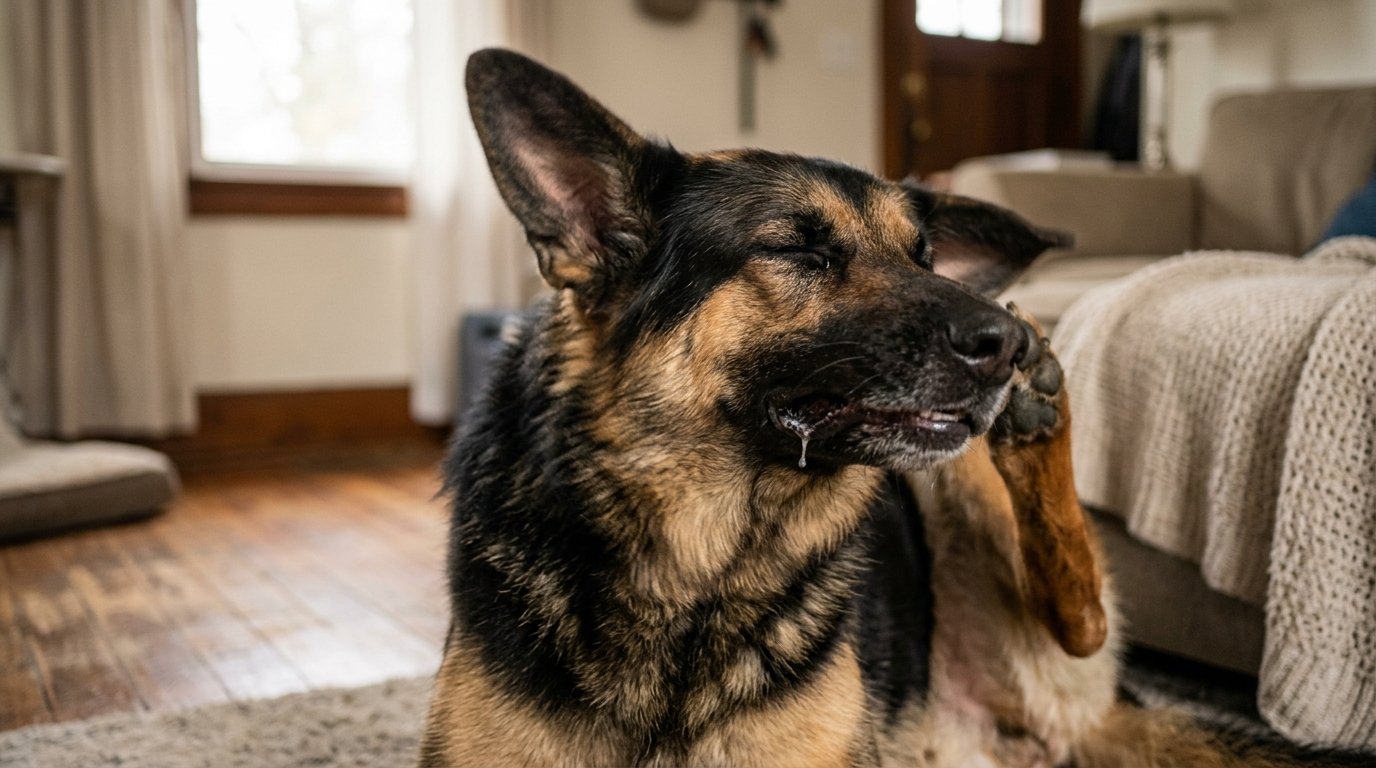
If your dog's paws smell like corn chips, Fritos, or old cheese, there's a good chance you're dealing with a yeast infection. Malassezia yeast naturally lives on dog skin in small amounts, but when conditions are right — warm, moist, and itchy — it overgrows and causes one of the most frustrating recurring paw issues dogs get.
This guide covers what yeast paws look like (with pictures), what causes the overgrowth, the truth about apple cider vinegar, the 3 best paw soaks, the treatment timeline, when home care is enough vs when you need prescription antifungals, and how to prevent the inevitable comeback.
This article is for general educational purposes only and is not a substitute for veterinary diagnosis or treatment. Severe or recurring yeast infections need a vet — they signal an underlying allergy that home care cannot address.
Smelling that corn-chip odor on your dog's paws? Upload a photo for AI pattern check — yeast vs bacterial vs allergy.
Check Dog PawWhat Does a Yeast Paw Infection Look Like?
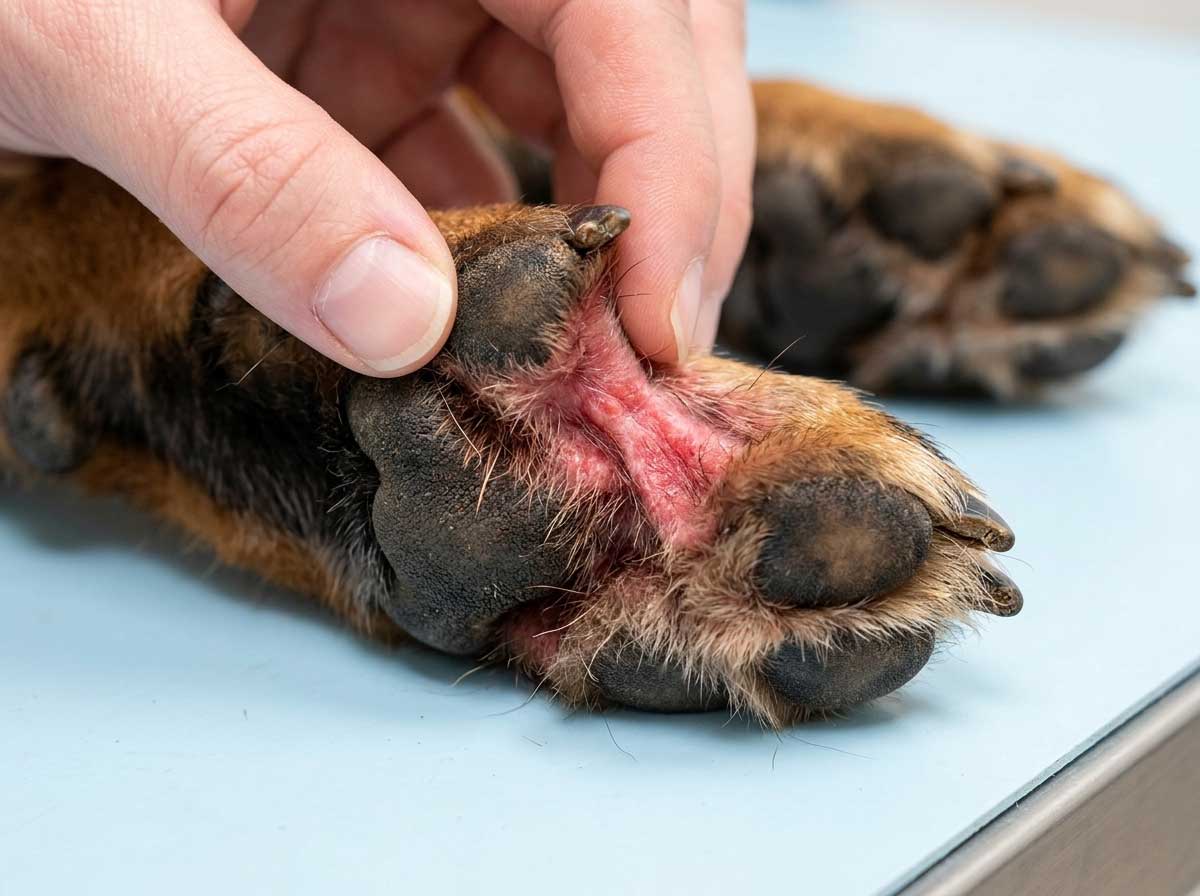
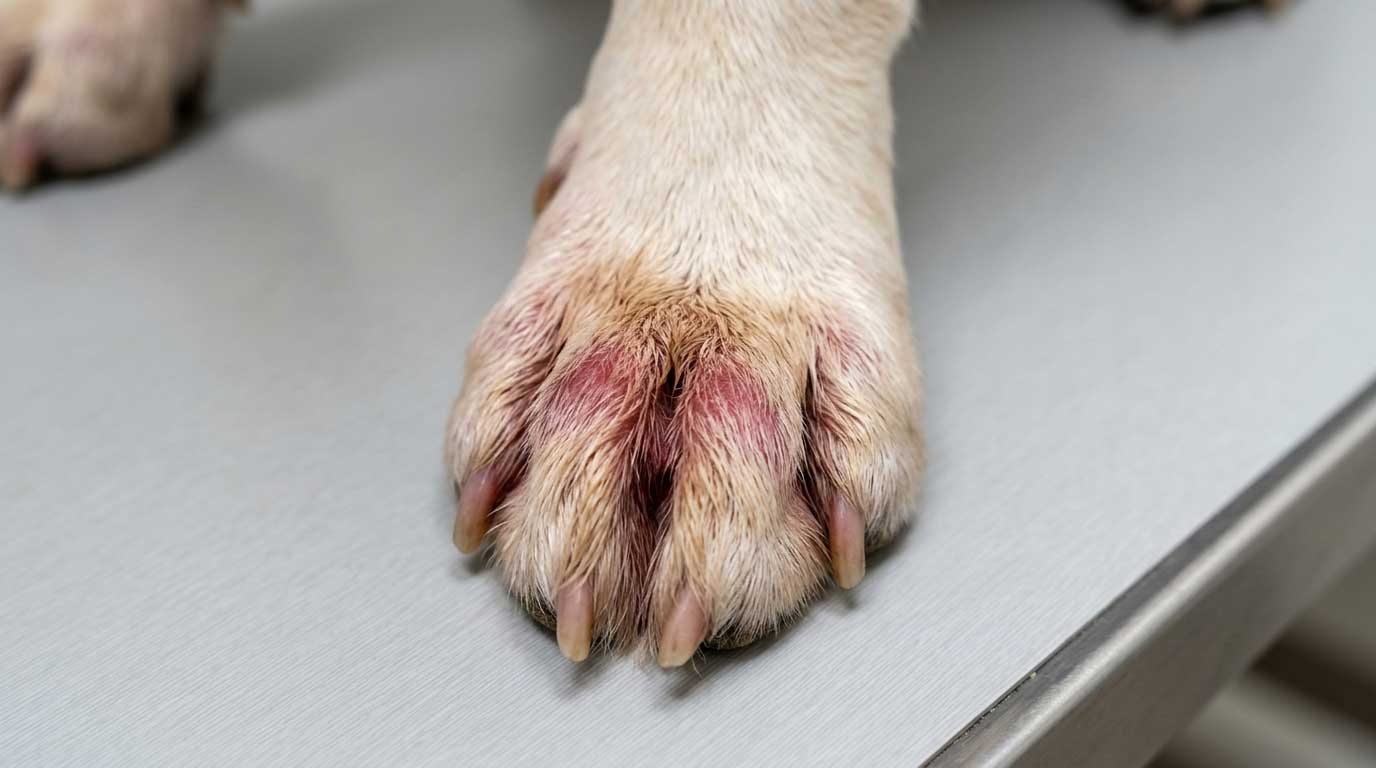
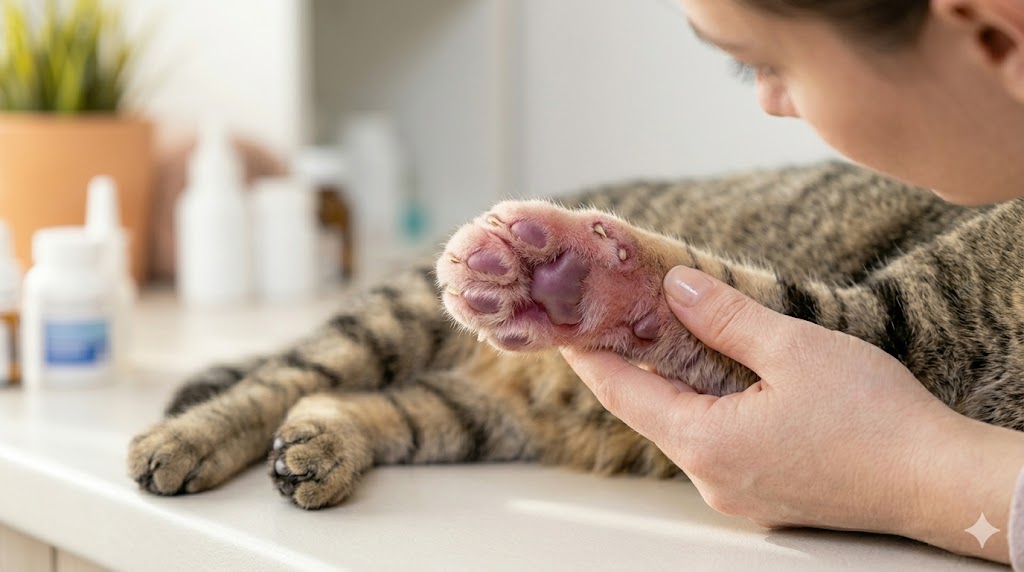
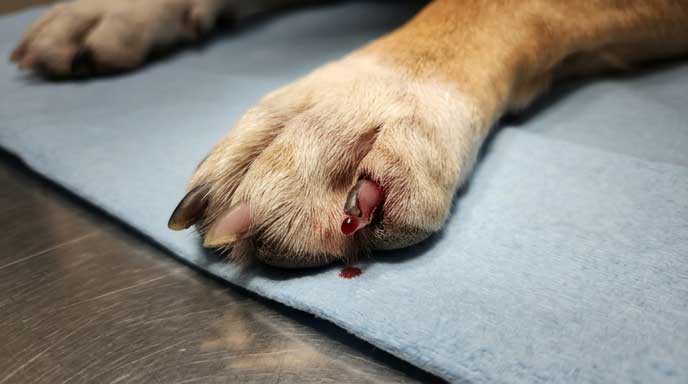
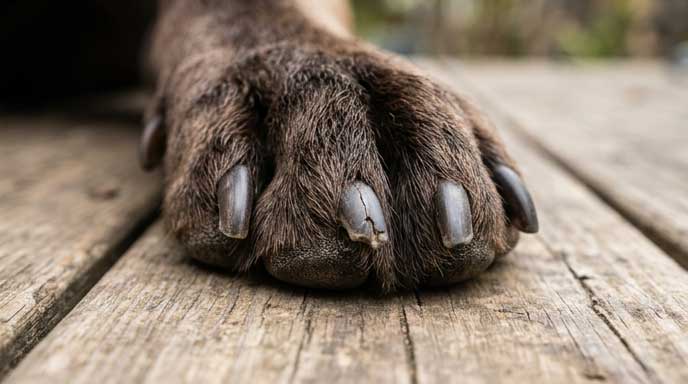
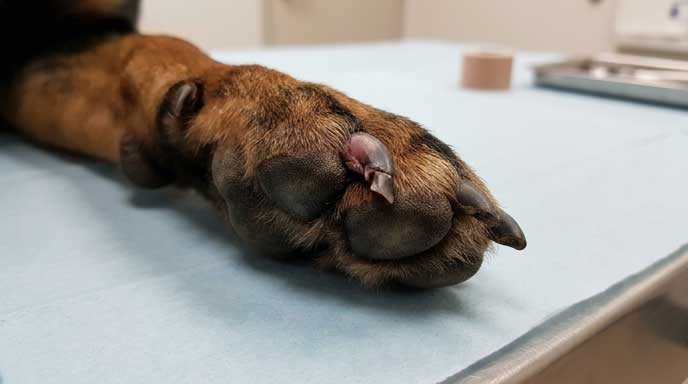
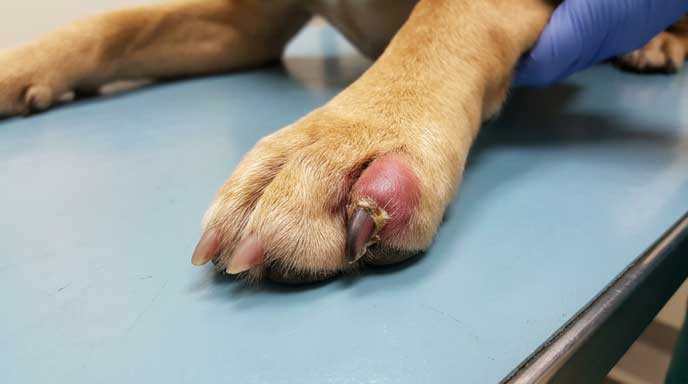
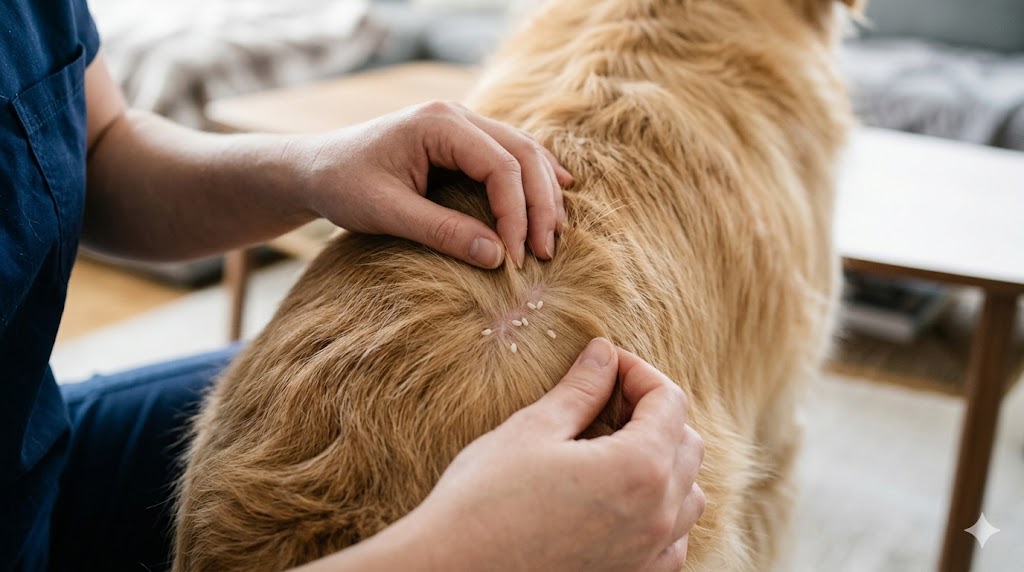
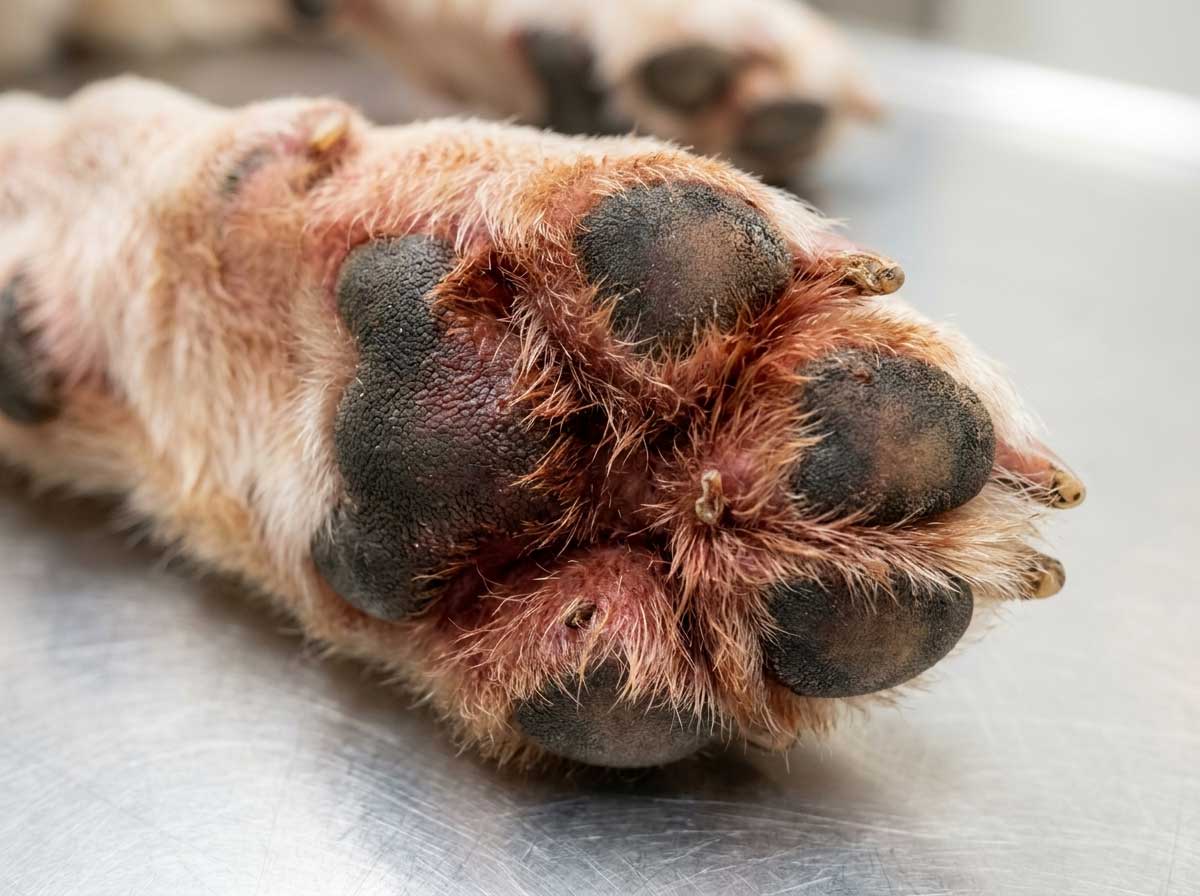
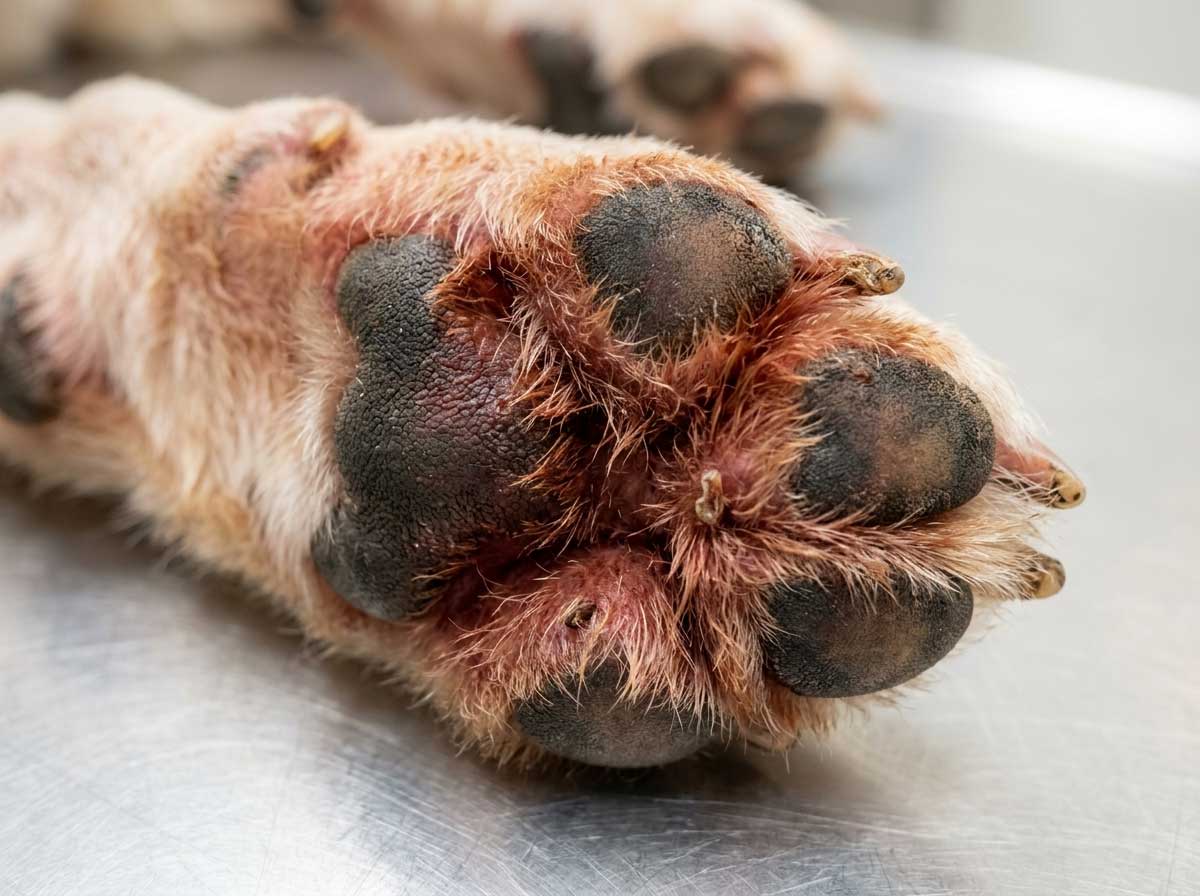
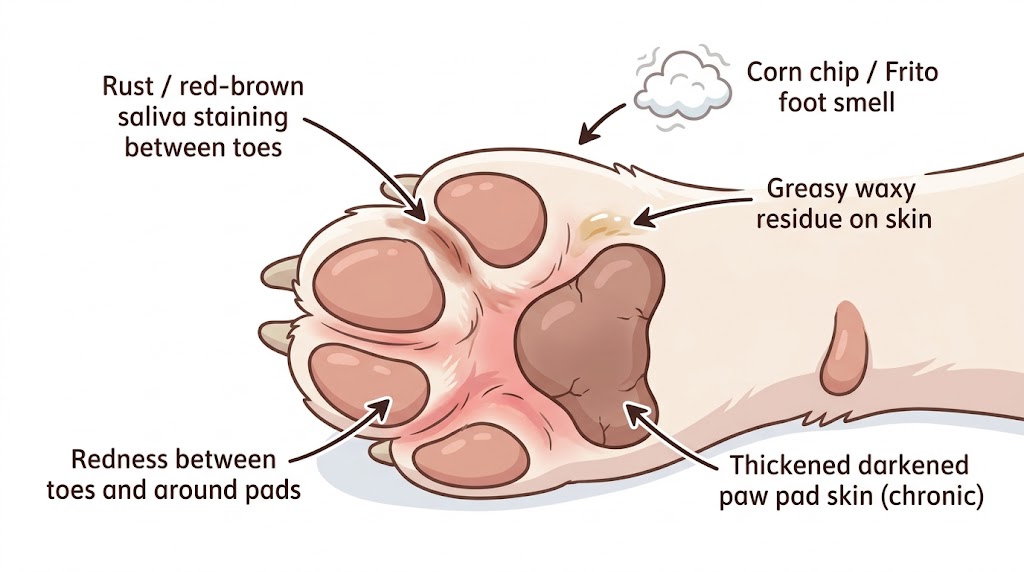
Classic signs of a dog paw yeast infection:
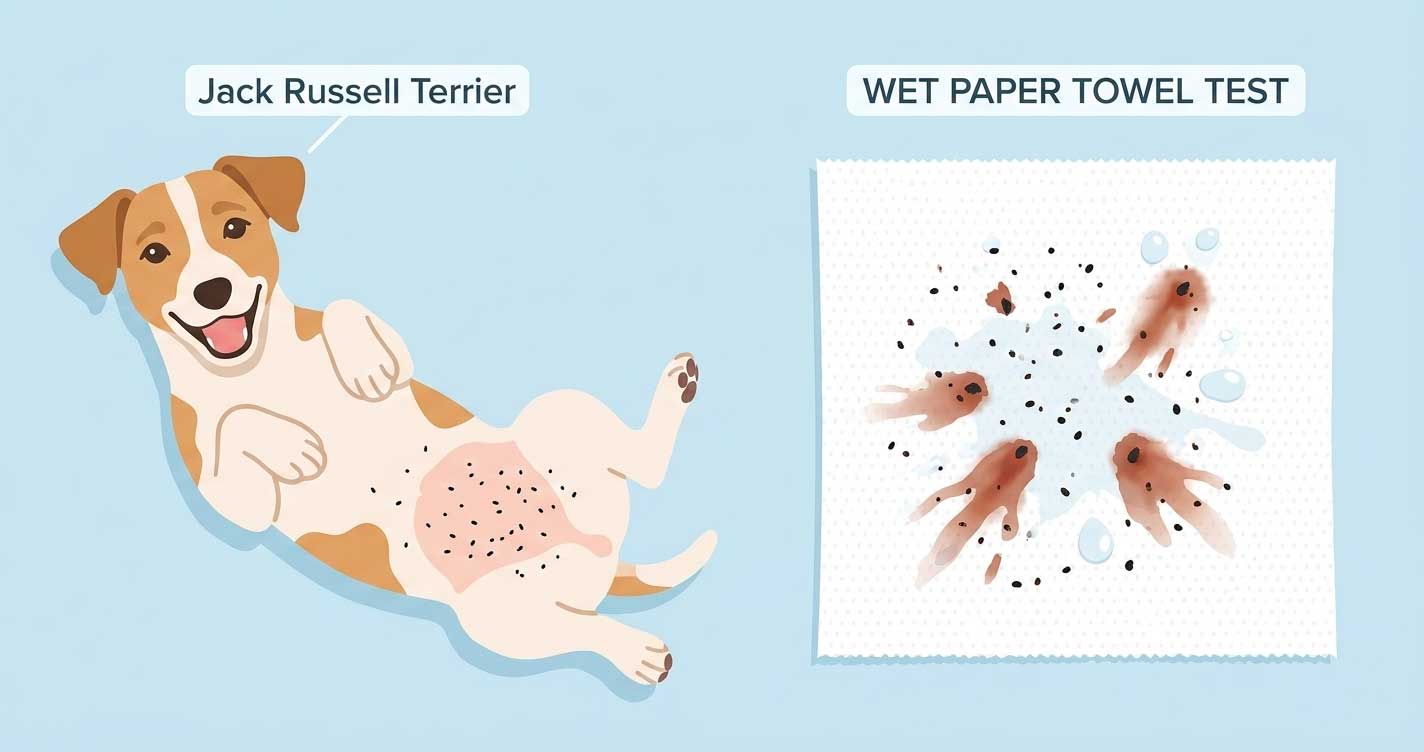
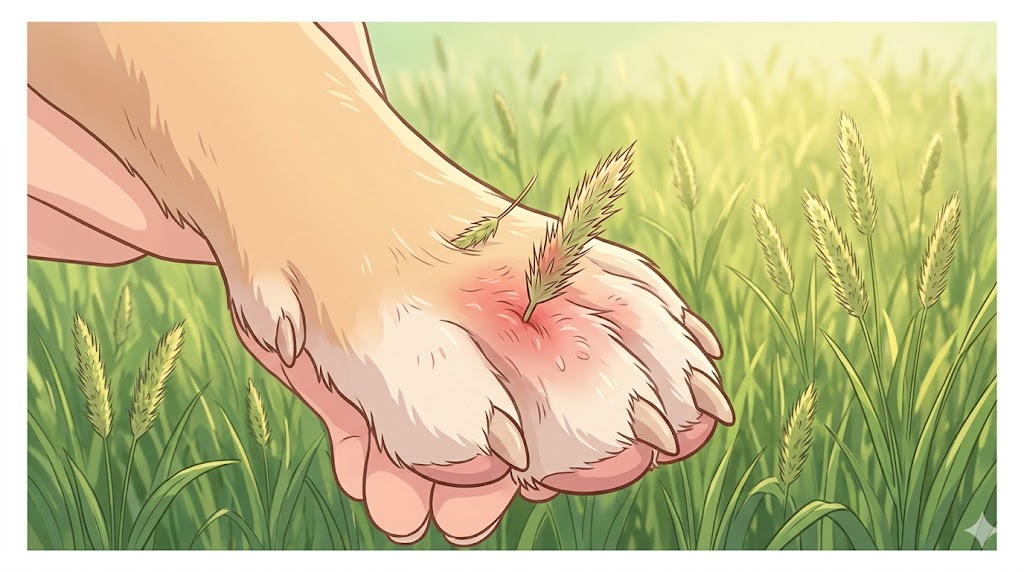
- ✓Red-brown or rust-colored staining on the fur between the toes — this is from saliva + yeast, not blood
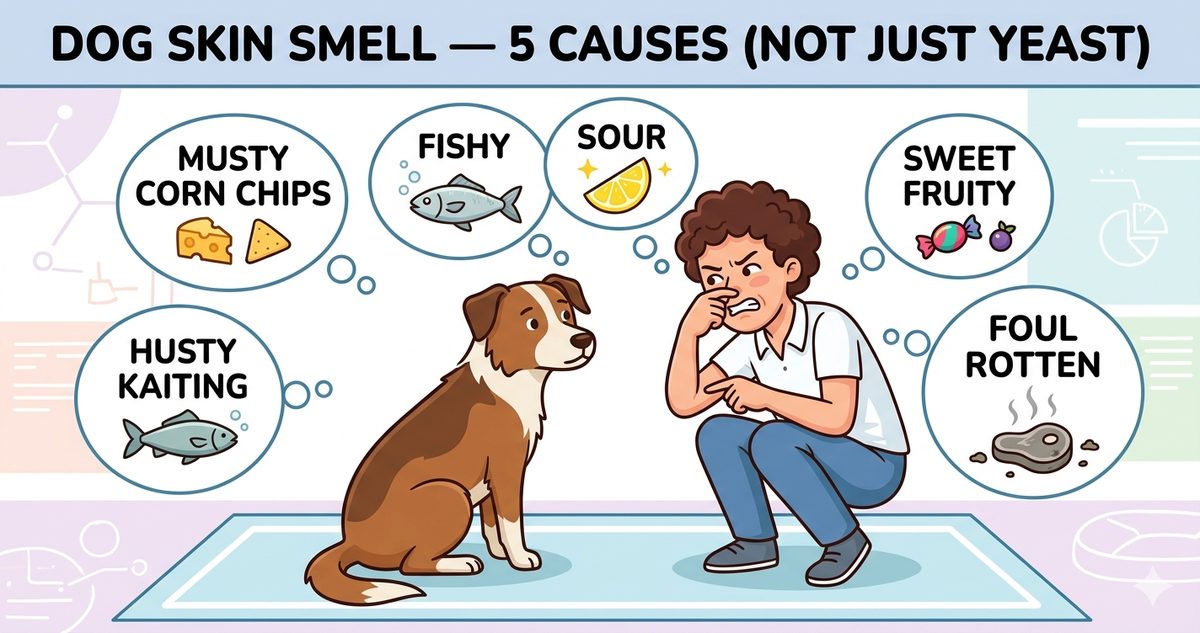
- ✓A distinctive musty, corn-chip, or "Frito foot" smell (unmistakable once you've smelled it)
- ✓Greasy, waxy, or slightly oily residue on the skin
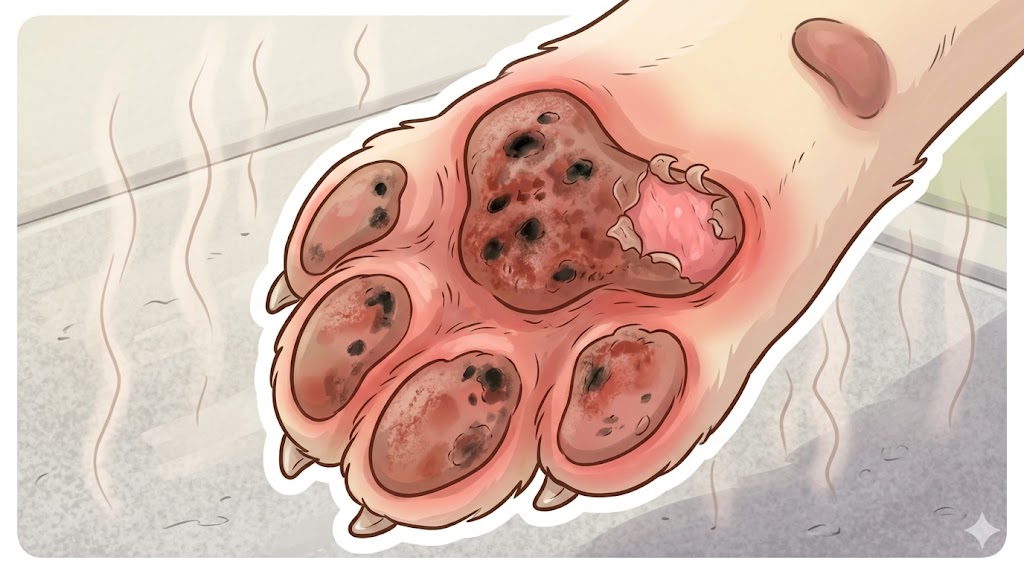
- ✓Thickened, darkened (hyperpigmented) paw pad skin in chronic cases
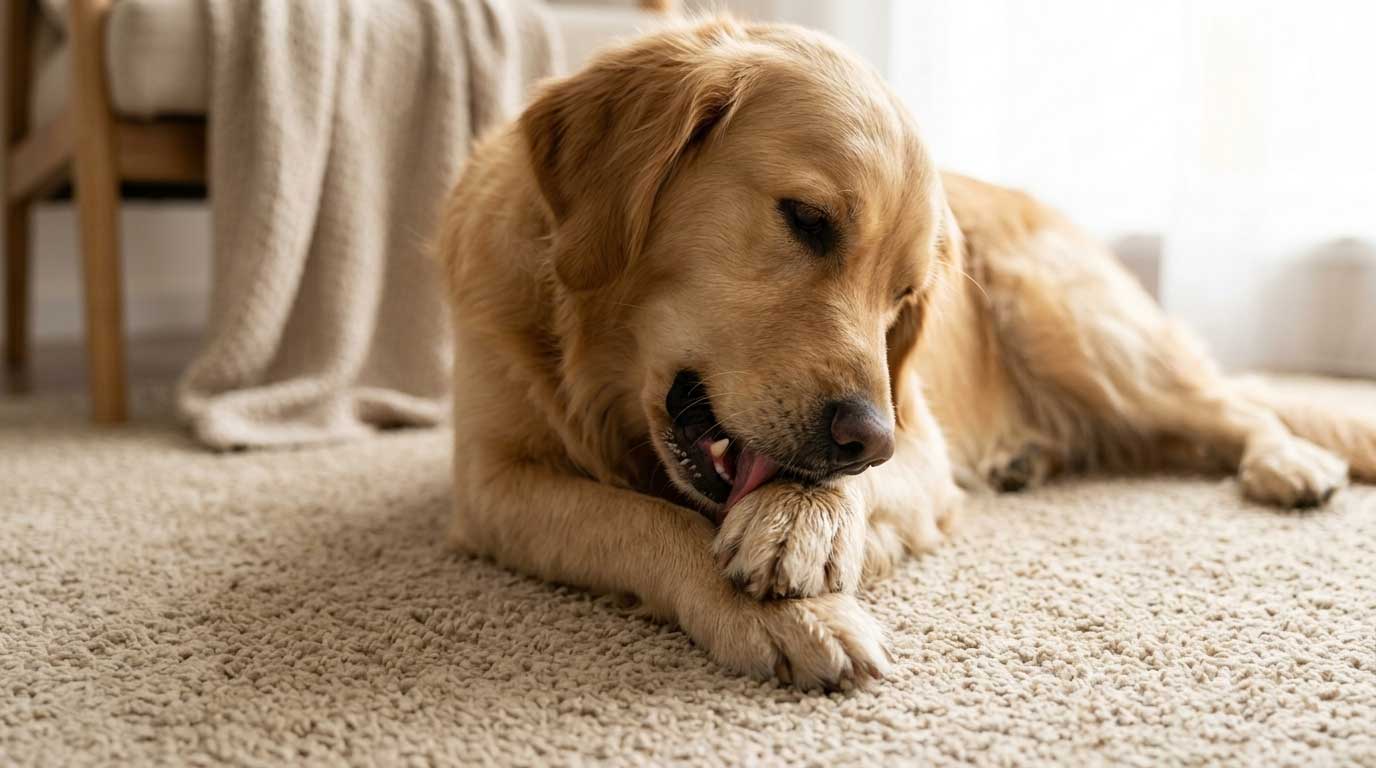
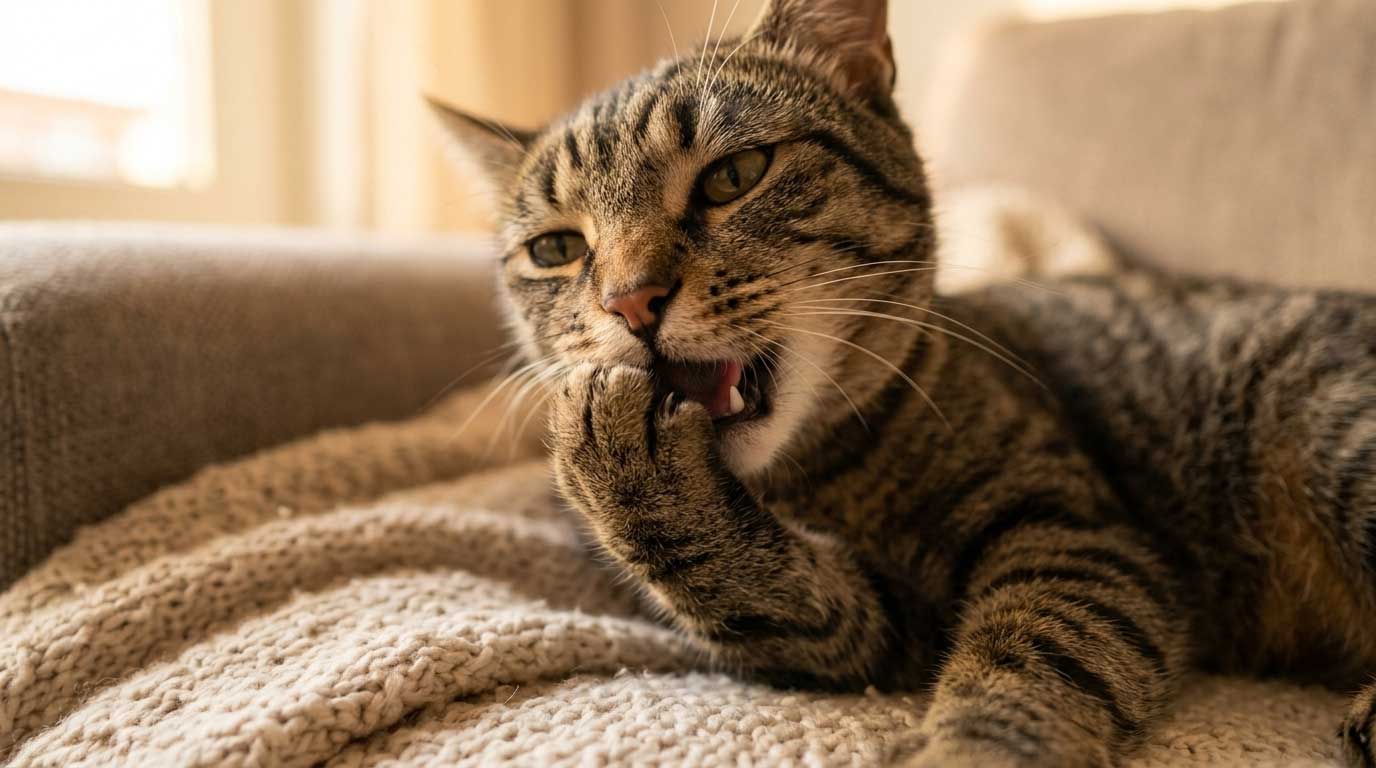
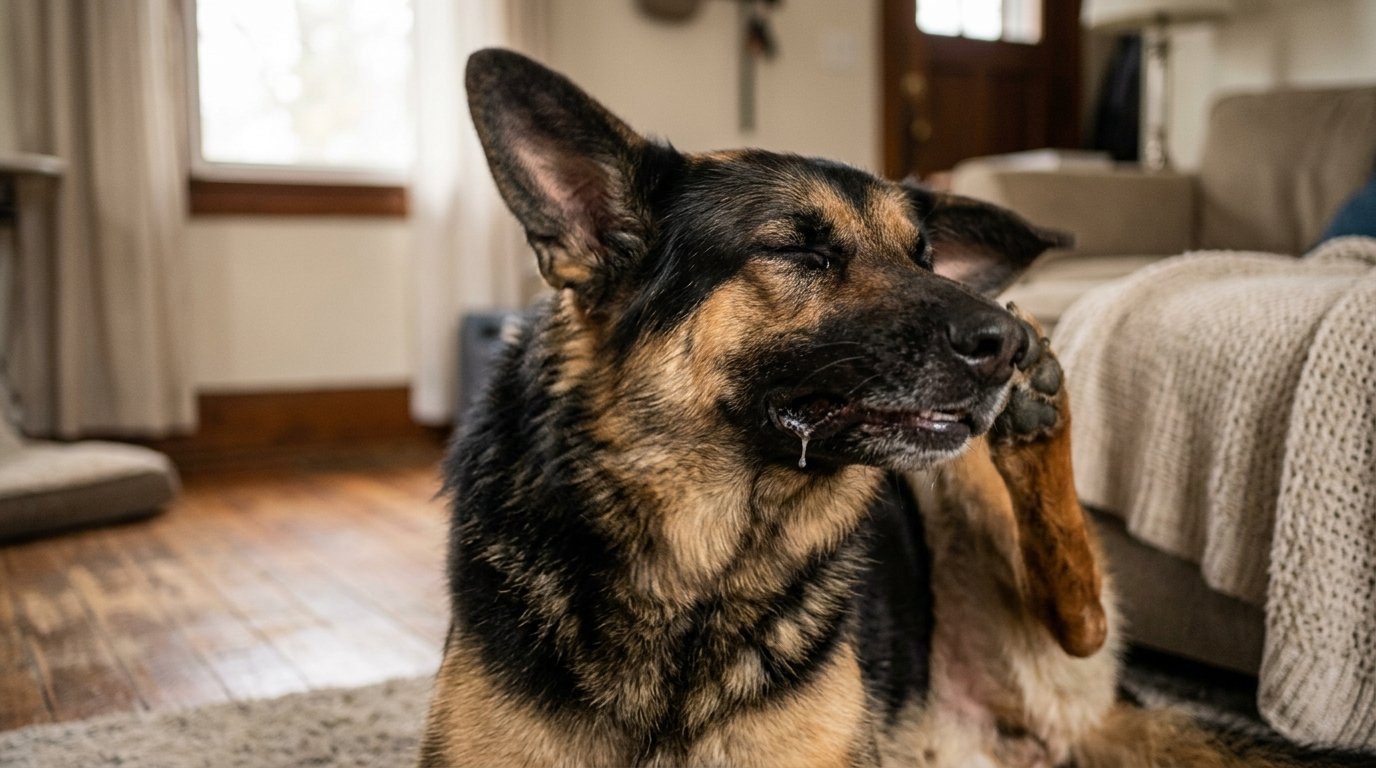
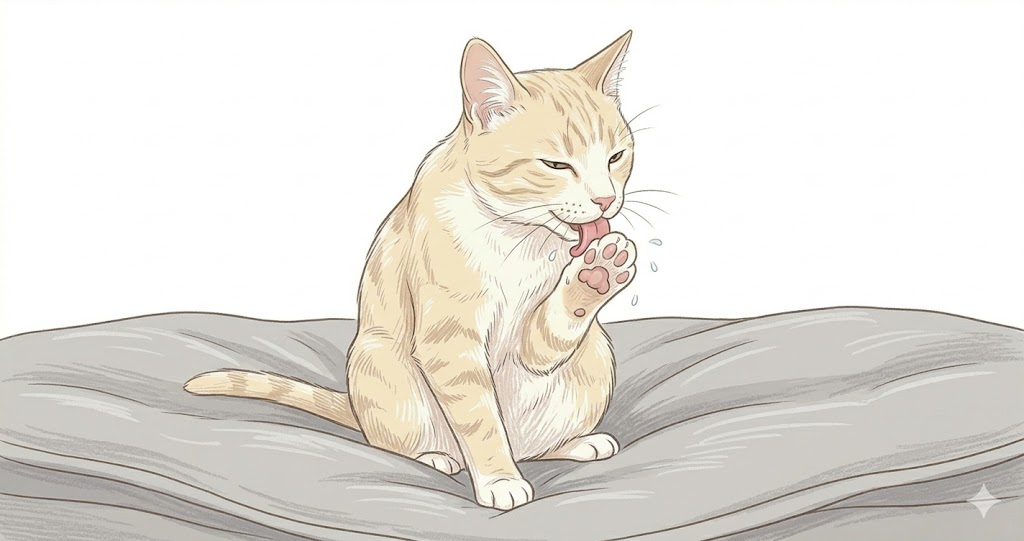
- ✓Constant licking and chewing — yeast is intensely itchy
- ✓Redness between the toes and around the paw pads
- ✓Sometimes a gray or pink film on the skin
Yeast usually affects all four paws, though one may be worse than the others. If only one paw is affected, consider bacterial infection or foreign body instead.
What Causes Yeast Overgrowth?
Yeast doesn't just "appear" — it's always there. Something shifts the balance and lets it multiply:
- ✓Allergies (environmental or food) — the #1 trigger; itching leads to licking, licking creates a warm wet environment for yeast
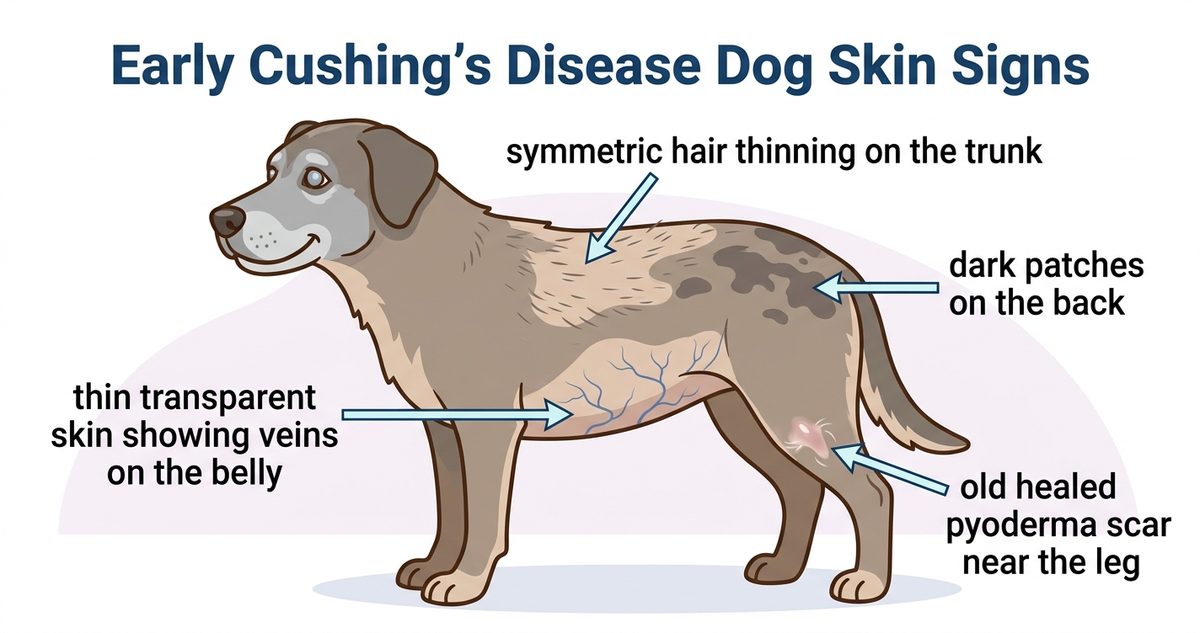
- ✓Immune suppression — illness, steroids, or conditions like Cushing's disease
- ✓thyroid concerns and other endocrine issues
- ✓vet-prescribed medication use (wipes out healthy skin bacteria, letting yeast dominate)
- ✓Humidity and moisture (swimming dogs, wet paws after walks)
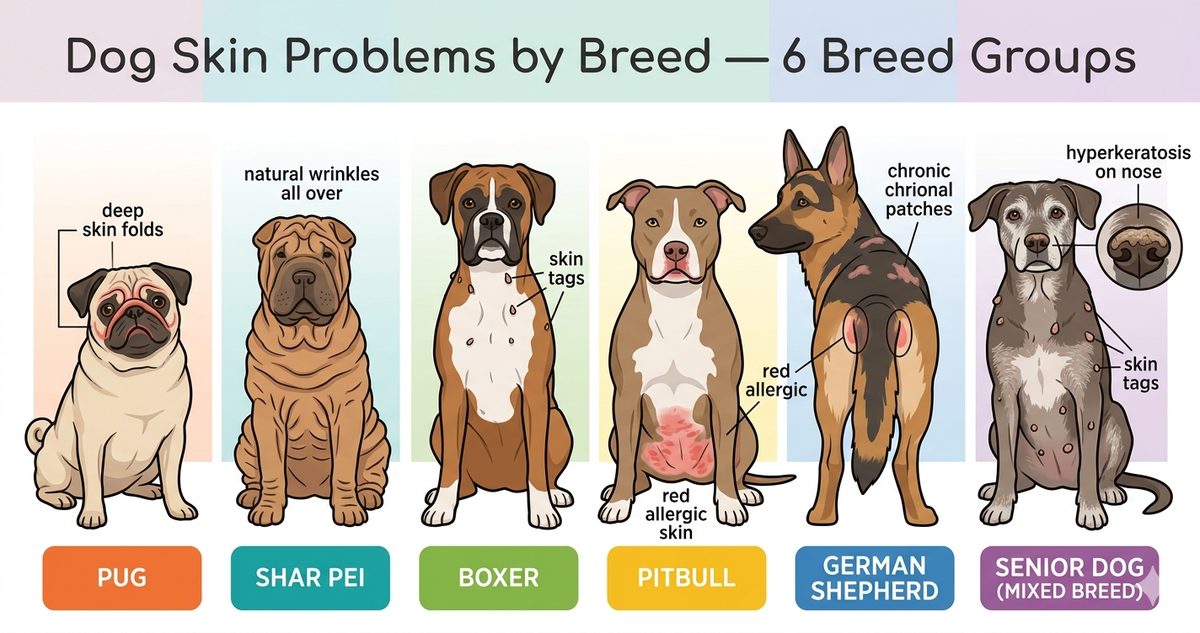
- ✓Breed predisposition — West Highland White Terriers, Cocker Spaniels, Basset Hounds, and Shar-Peis are especially prone
Home Treatment for Mild Yeast Infections
If caught early and the skin isn't raw or severely inflamed, you can often clear a yeast infection at home over 2-4 weeks.
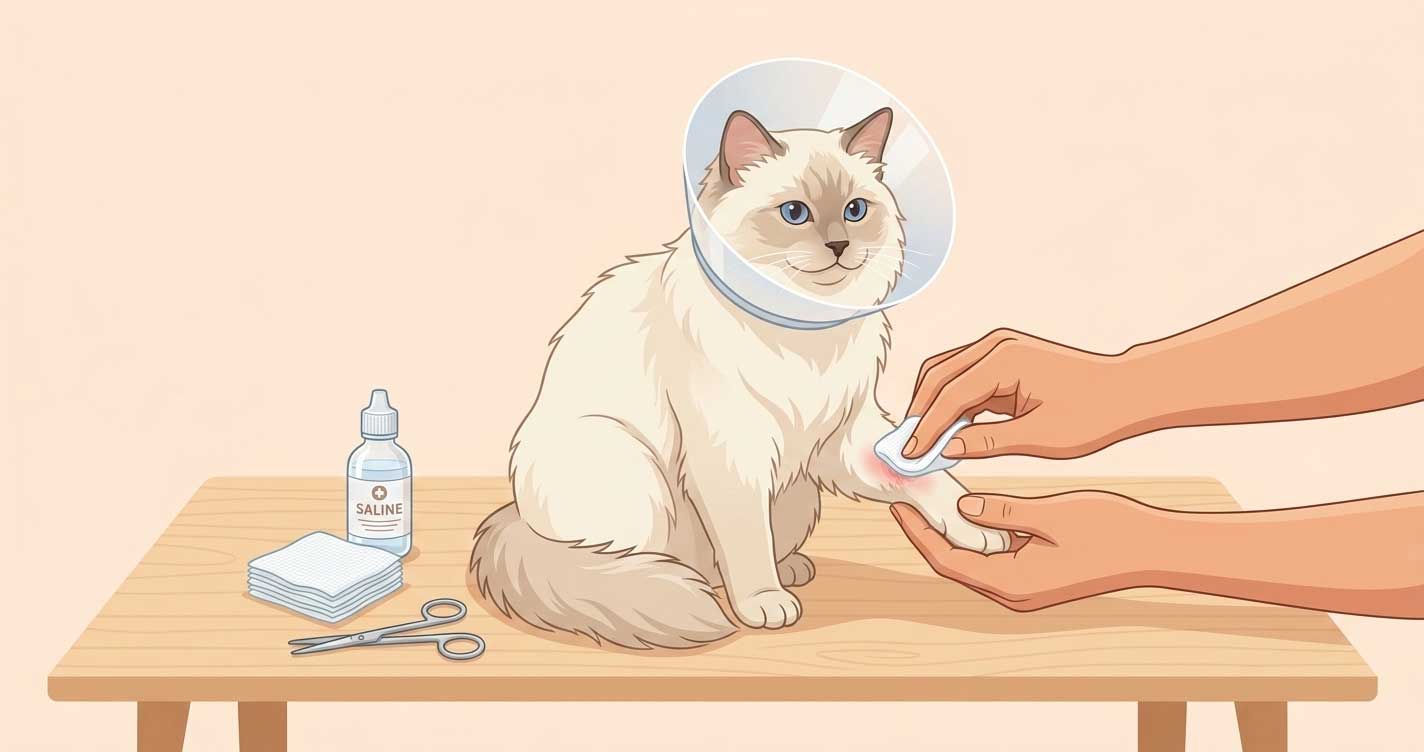
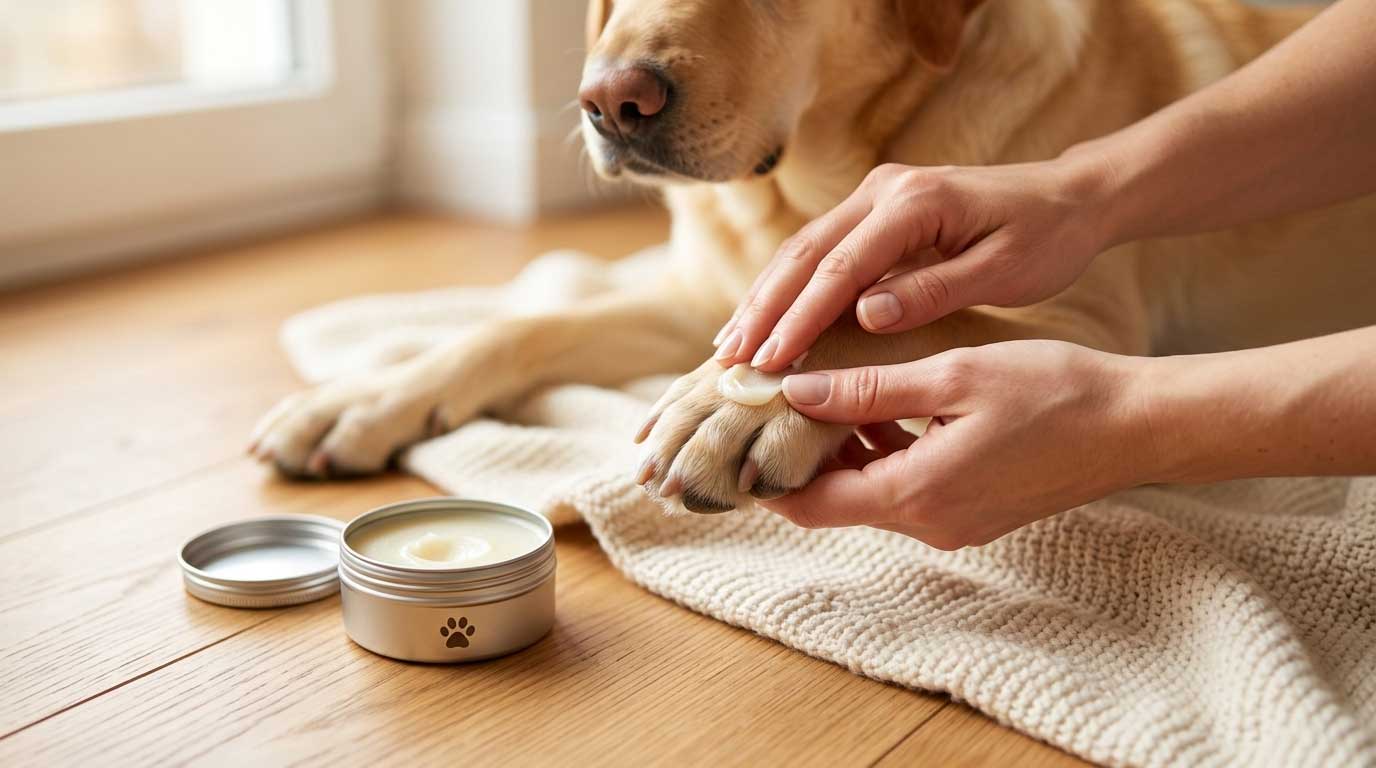
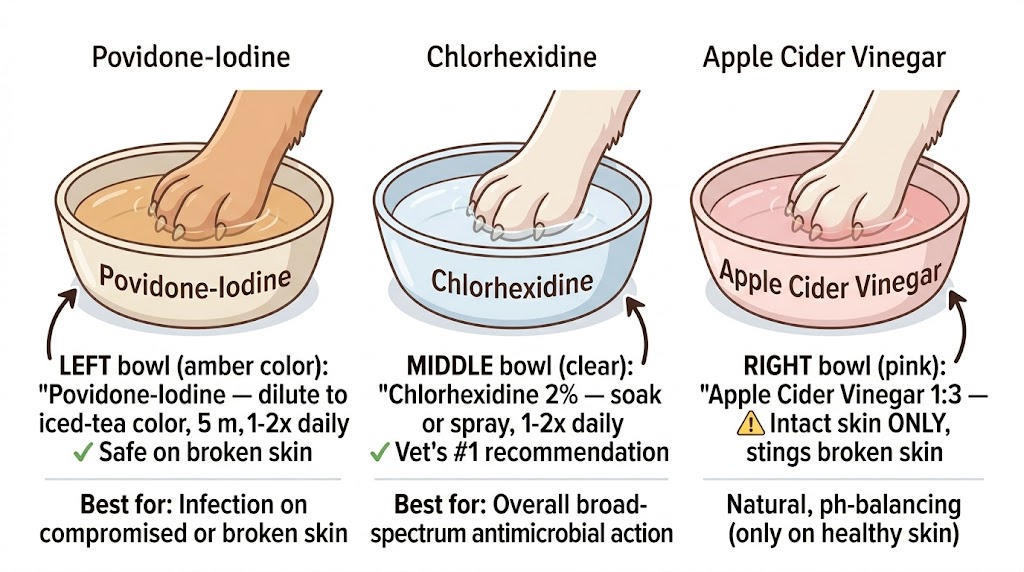
Antifungal Foot Soaks
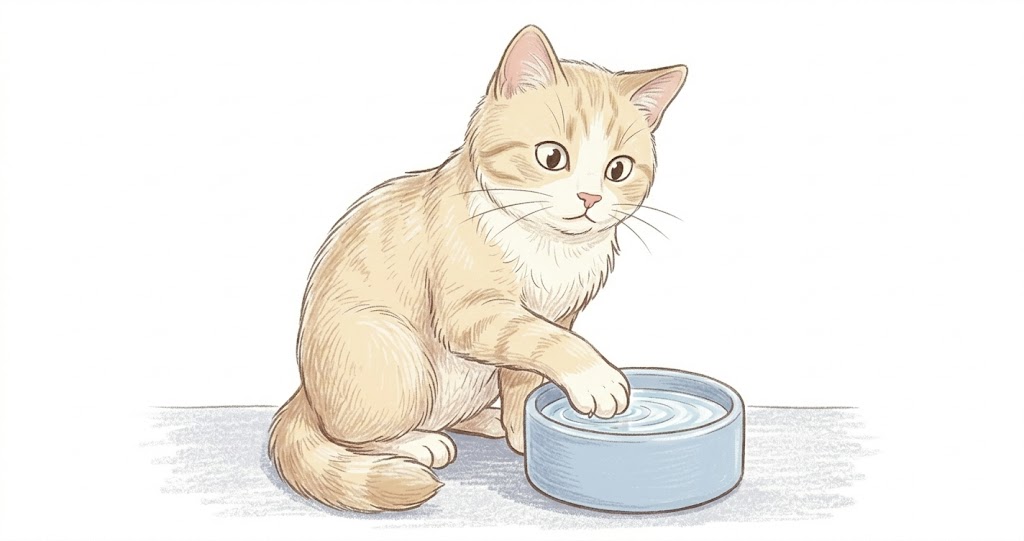
- ✓Povidone-iodine soak: dilute to iced-tea color, soak 5 minutes, 1-2x daily
- ✓Chlorhexidine 2% solution: soak or spray on paws, 1-2x daily — vet's #1 recommendation
- ✓Apple cider vinegar rinse: 1:3 ACV:water, use on intact skin only (stings broken skin)
Medicated Shampoos
Shampoos containing vet-prescribed care, miconazole, or vet-recommended antiseptic are the gold standard. Brands: Malaseb, Douxo Pyo, Virbac KetoChlor. Work the shampoo into the paws, leave it on for 10 minutes (use a timer), then rinse and dry thoroughly. Use 2x per week until clear.
Keep Paws Dry
Yeast needs moisture. After walks, after baths, after swimming — dry between the toes with a towel or paper towels. This single habit shift cuts recurrence rates dramatically.
Treating at home but not sure it's working? Upload a photo for AI progress check at any point.
Check Dog PawBest Paw Soaks for Yeast Infection — Detailed
Three soak options work for mild paw yeast. Match the soak to your dog's skin condition:
Povidone-Iodine (Betadine) Soak
Dilute to weak iced-tea color (NOT full strength — too harsh). Soak paw for 5 minutes, 1-2 times daily. Safe on broken or raw skin. Stains fur temporarily. Costs ~$8 for a bottle that lasts months.
Chlorhexidine 2% Solution
Vet-recommended #1 for paw yeast. Spray directly on paw OR soak. 1-2 times daily. Both antibacterial AND antifungal — covers mixed infections. Available OTC as Chlorhexiderm or Hibiclens. Costs ~$15 for a bottle.
Apple Cider Vinegar (ACV) Rinse
ONLY on intact skin (no cracks, no raw spots, no open lesions). Dilute 1 part ACV : 3 parts water. Apply 1-2 times daily for 2-3 minutes. Stings on broken skin. Mild antifungal effect but evidence is weak compared to chlorhexidine. Better for prevention than active treatment.
Will Apple Cider Vinegar Actually Cure Dog Paw Yeast?
Short answer: not reliably. ACV has very mild antifungal properties at high concentrations, but at the safe dilution for dog paws (1:3), the antifungal effect is too weak to clear an established yeast overgrowth. Most veterinary dermatologists rank ACV well below chlorhexidine and povidone-iodine for actual yeast treatment. ACV is most useful as prevention in dogs with chronic yeast tendencies — a weekly 1:3 rinse after baths can shift the skin pH and slow regrowth, but it won't cure an active infection. Critical warning: never use ACV on raw, broken, or open skin — it stings severely and slows healing.
How Long Does Treatment Take?
Mild yeast caught early with proper soaks + drying habits + medicated shampoo usually clears in 2-4 weeks. Severe or chronic cases needing prescription antifungal medications take 4-8 weeks of consistent treatment. The biggest determinant: did you address the underlying allergy trigger? If you treat the yeast without finding why your dog is licking, expect recurrence within 4-6 weeks of stopping treatment. The "yeast is gone" milestone is when the corn-chip smell disappears AND your dog stops licking — both, not either alone.
Will Dog Paw Yeast Infection Go Away on Its Own?
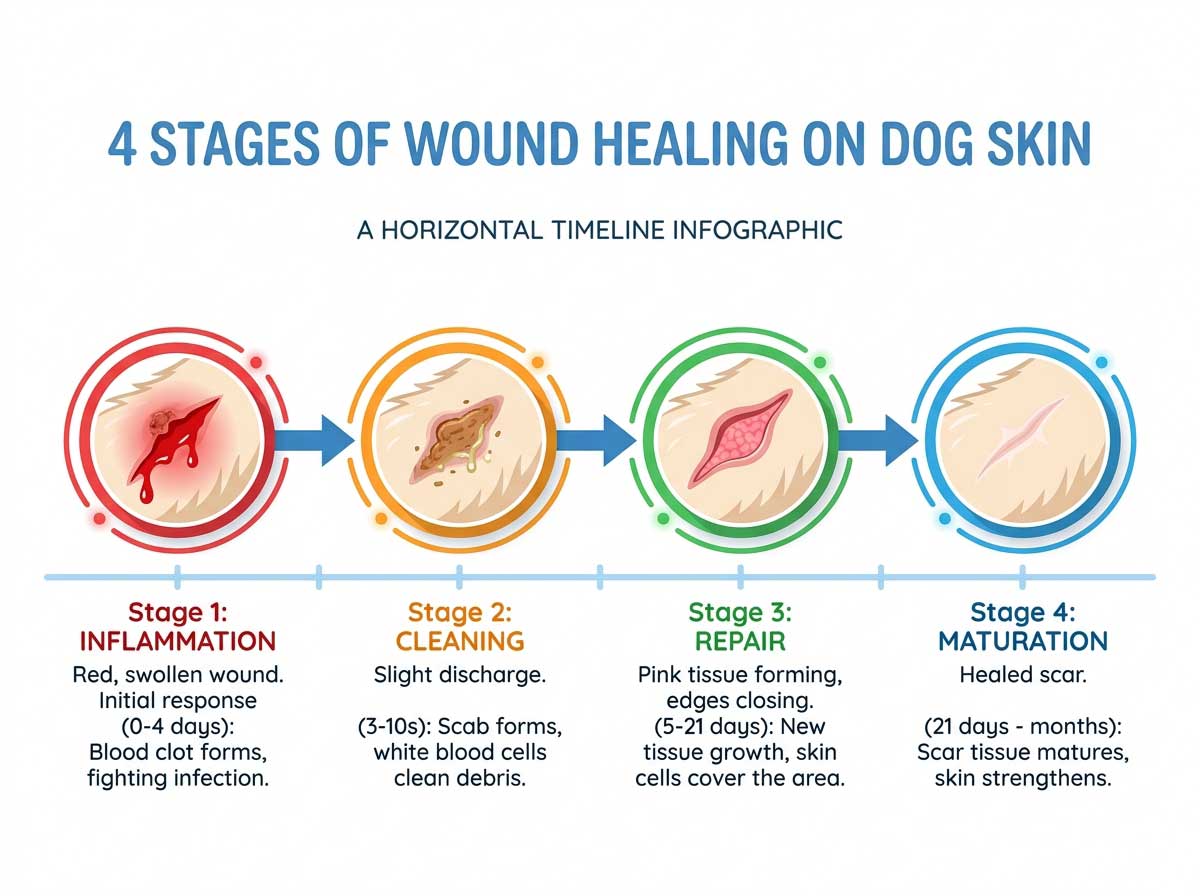
Rarely. Yeast is part of the normal skin microbiome, so an active overgrowth means something has shifted the balance — usually a chronic allergy, immune issue, or moisture problem. Until that underlying trigger is addressed, the yeast keeps multiplying. Untreated paw yeast almost always gets worse — the lick-yeast-itch cycle deepens, secondary bacterial infections develop, and the paw pad skin thickens permanently in chronic cases. Even if it seems to plateau, you risk progression to pyoderma (deep bacterial skin infection) within 2-4 weeks. Don't wait it out beyond 5-7 days of home soaks.
When Home Treatment Isn't Enough
See a vet if:
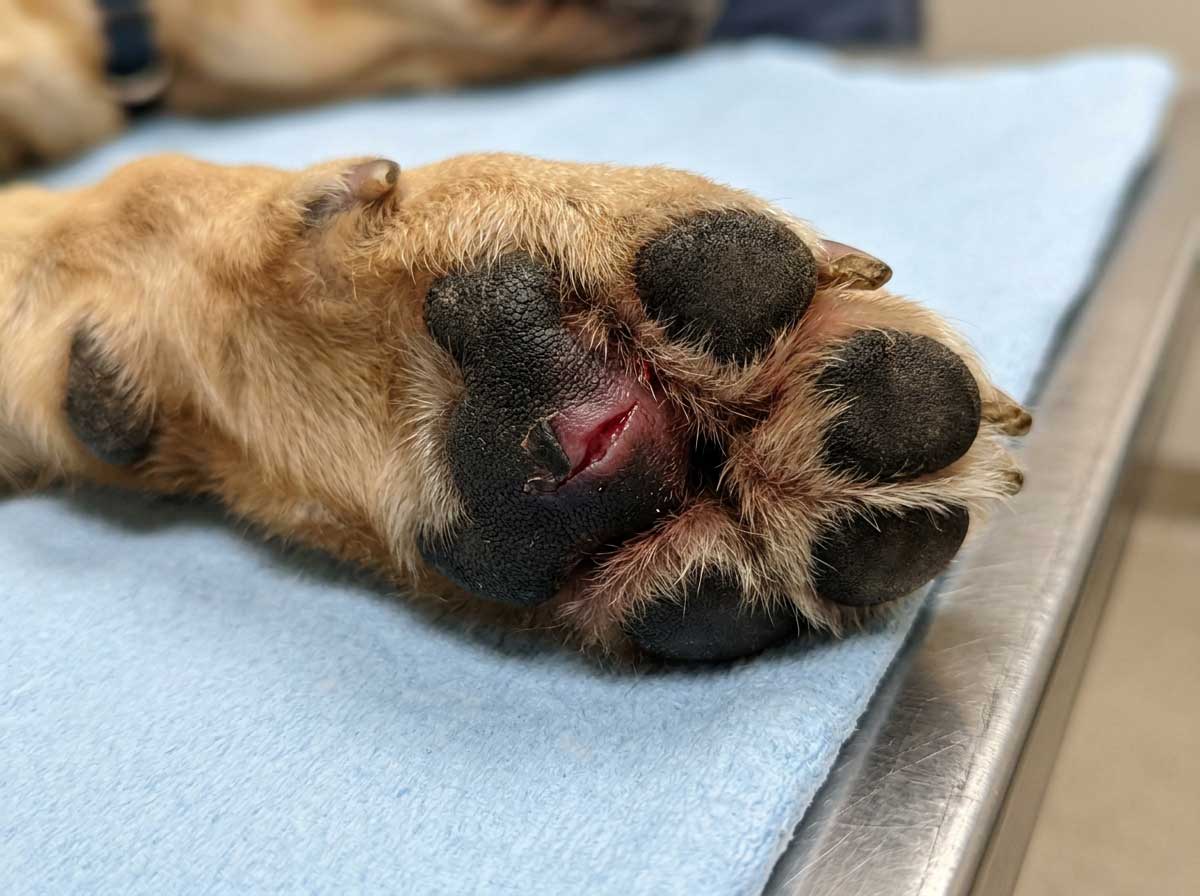
- ✓Paws are extremely red, swollen, or raw
- ✓You've been treating for 3-4 weeks without clear improvement
- ✓Your dog is in obvious pain or not walking well
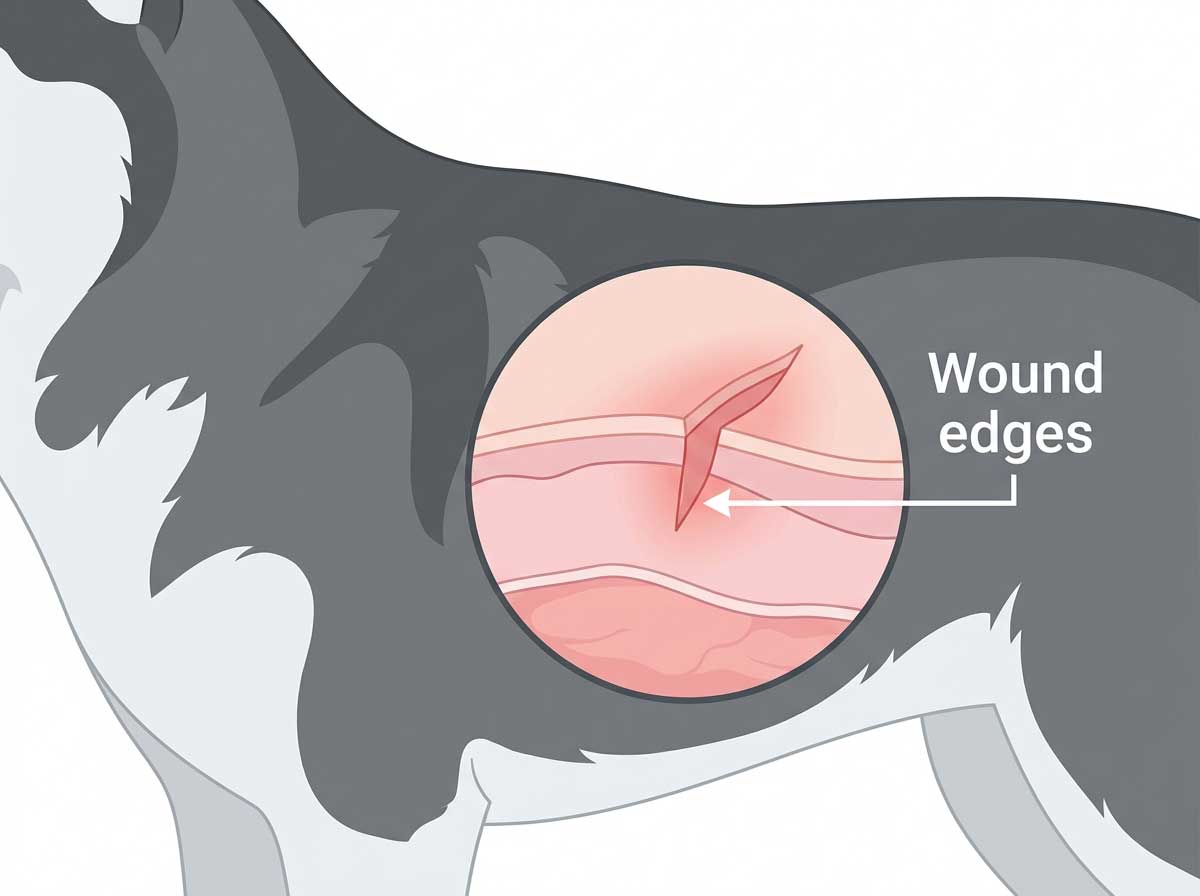
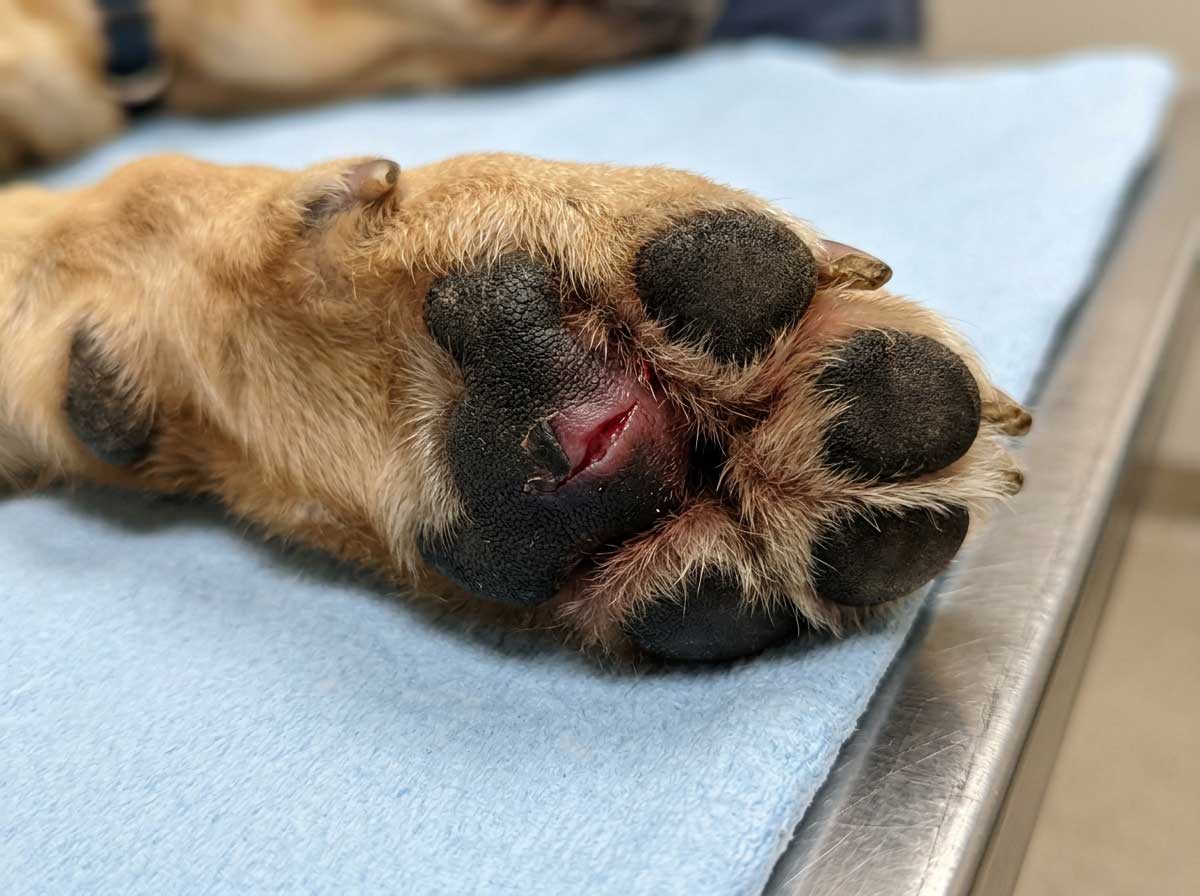
- ✓The skin has deep cracks or fissures
- ✓Recurrence happens within a few weeks of clearing
The vet may prescribe oral antifungals (vet-prescribed care, fluconazole, or itraconazole) for stubborn cases. A skin culture can confirm whether it's yeast alone, bacteria, or both (mixed infections are common).
Preventing Recurrence
Yeast will come back if you don't address the underlying trigger. The playbook:
- ✓Work with your vet to identify allergies (environmental, food, or both)
- ✓Wipe paws with a vet-recommended antiseptic wipe after every walk, especially in pollen season
- ✓Feed a low-carb diet — yeast feeds on sugars; grain-free or low-glycemic foods can help
- ✓Add omega-3 supplements to reduce skin inflammation
- ✓Use medicated shampoo preventatively 1x every 2 weeks in allergy season
- ✓Consider long-term allergy medications (Apoquel, Cytopoint) if recurrences are severe
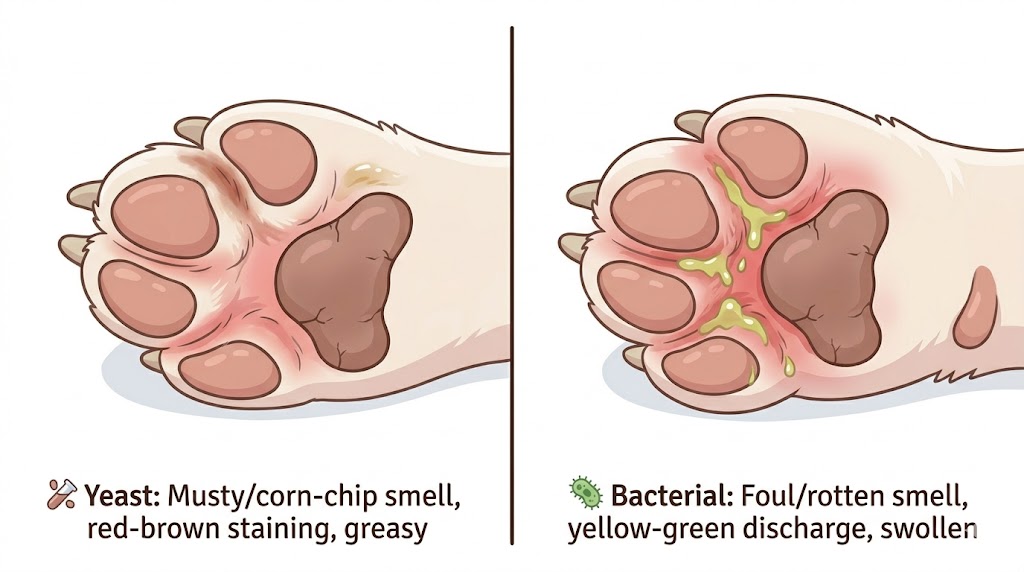
Yeast vs Bacterial Infection — How to Tell
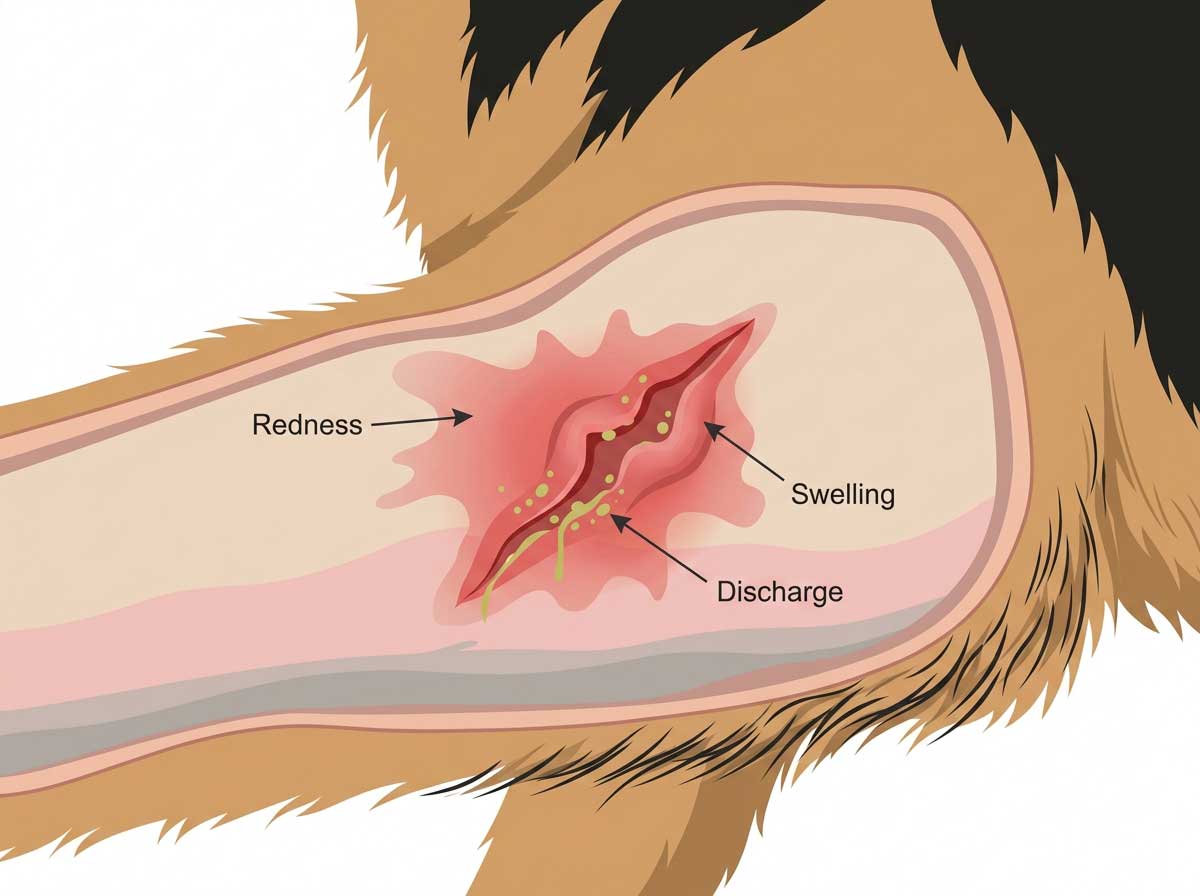
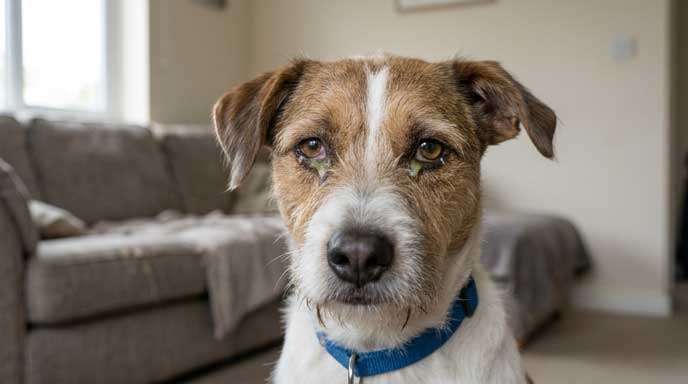
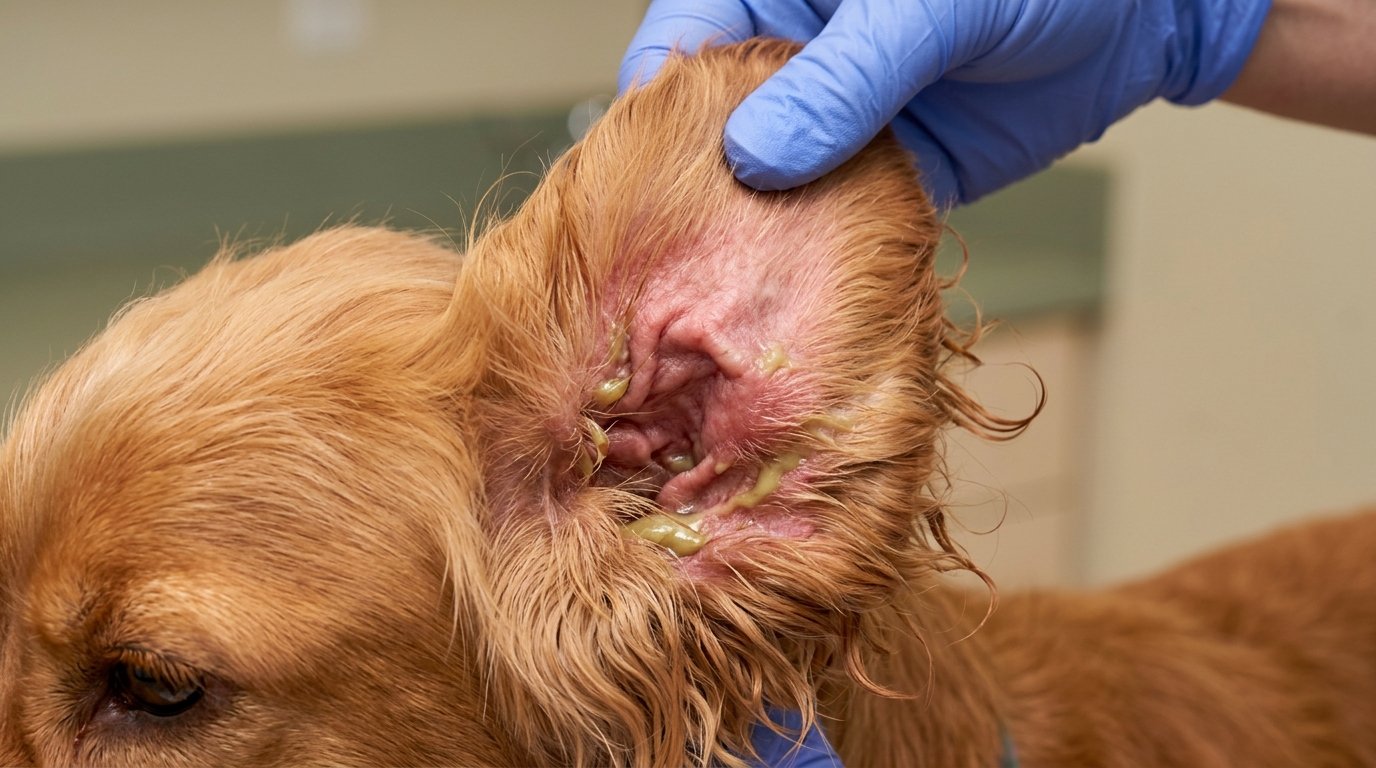
Yeast smells musty/corn-chip and has red-brown staining. Bacterial smells foul/rotten and has yellow or green discharge. Mixed infections (both) are common — they need combined treatment.
Yeast, bacterial, or mixed infection? Upload a photo for AI rapid comparison.
Check Dog PawFor redness specifically between the toes (not just on pad surfaces), see our dog paws red between toes guide — it covers all 5 main causes including yeast. For broader paw allergy management see our dog paw allergies guide. For external veterinary references see Dr. Buzby's "Dog Paw Yeast Infections" guide, Cornell Vet on Malassezia dermatitis, and PetMD's yeast dermatitis article.
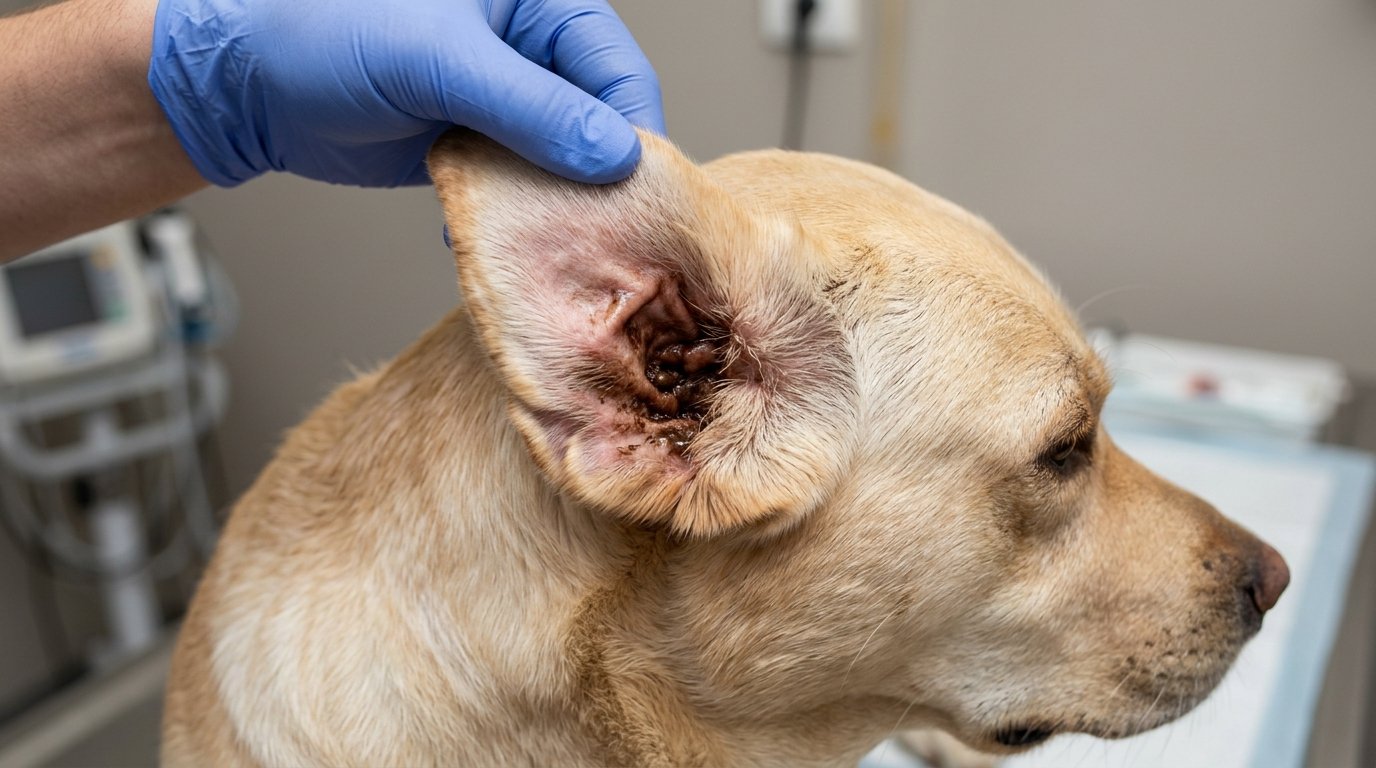
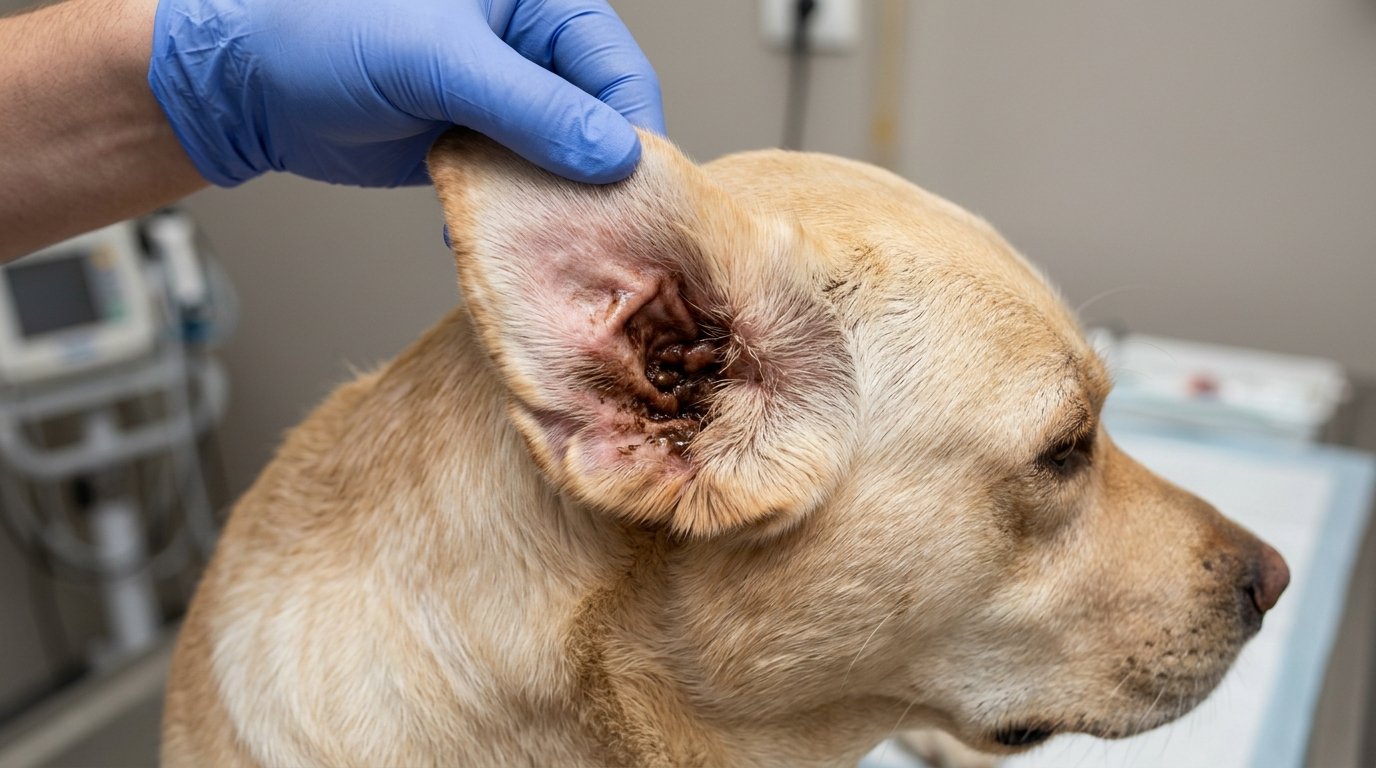
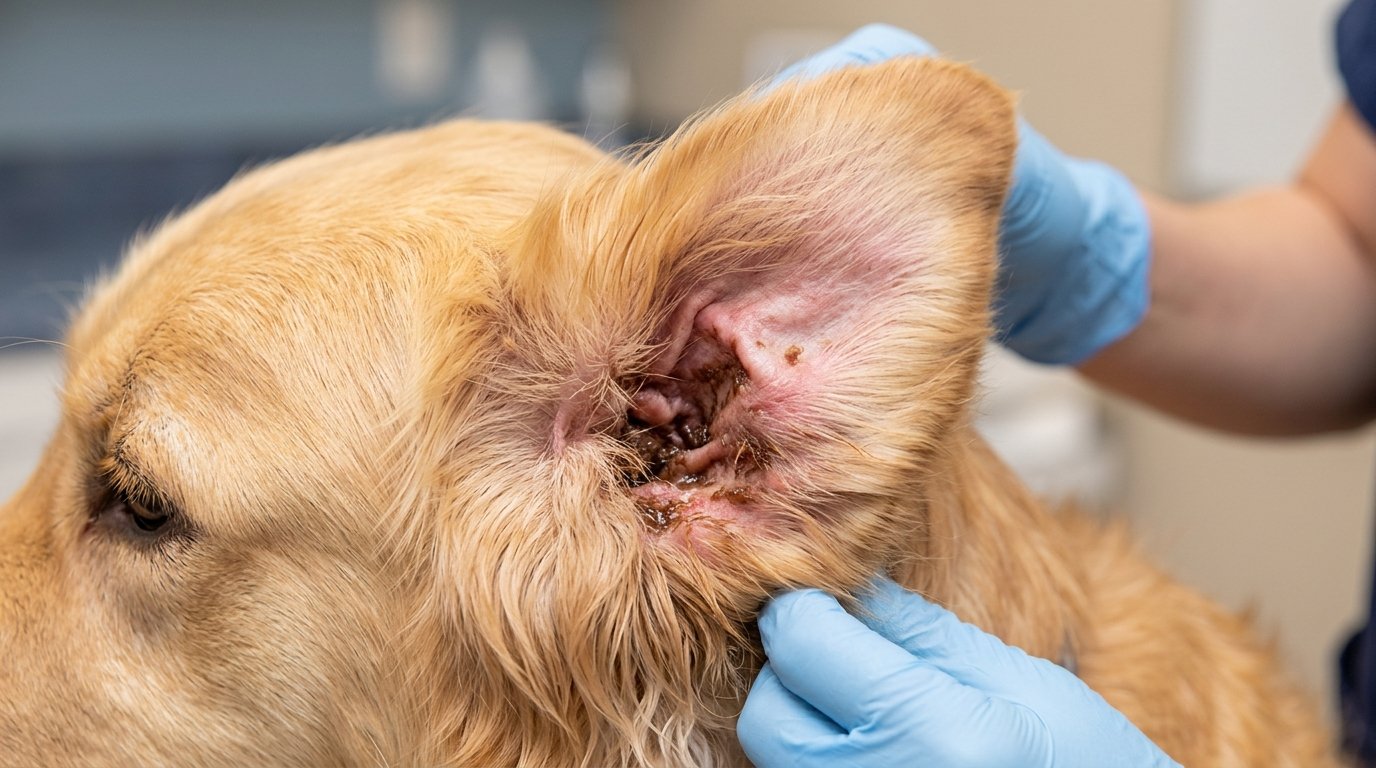
Yeast in paws often means yeast in ears too. Got the corn-chip smell on the paws plus dark ear wax? Try our new ear-focused AI tool.
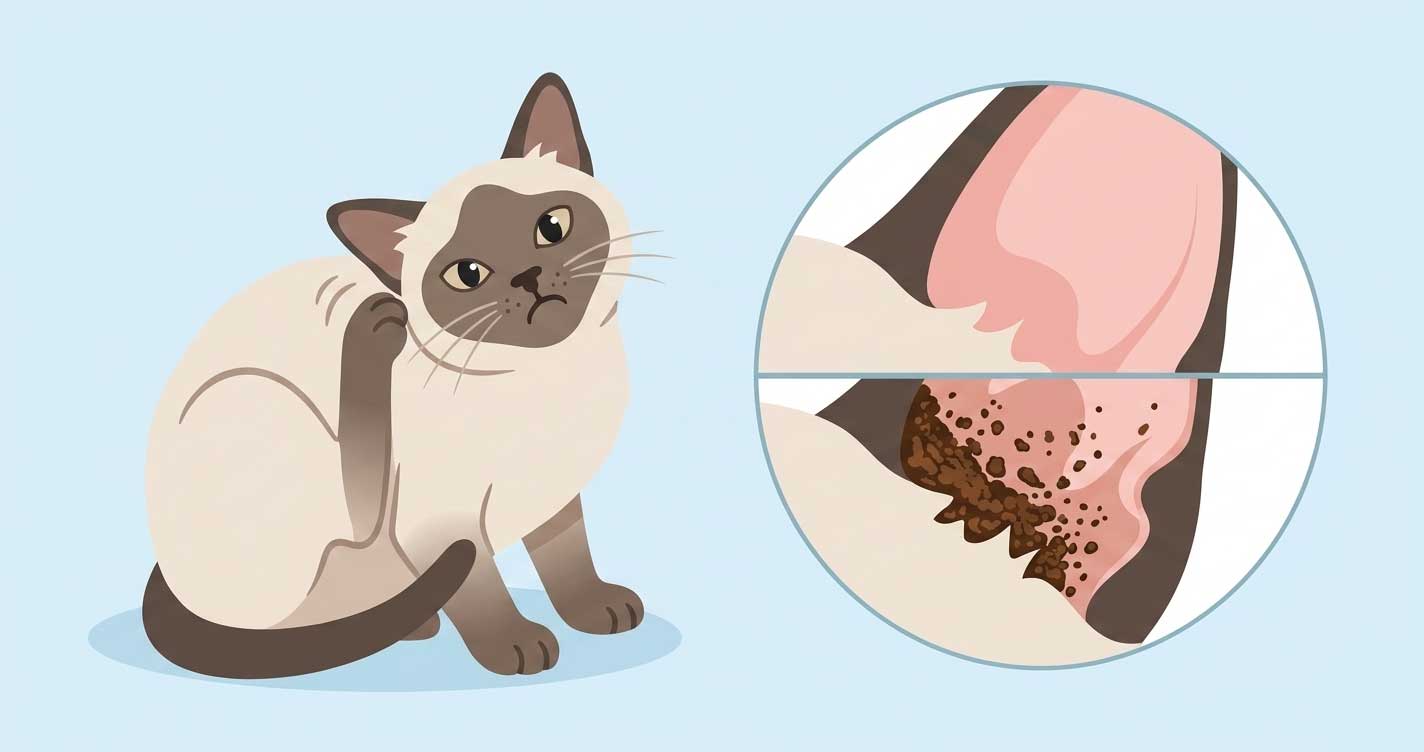
Try Severe Ear Wax AI ToolYeast on the paws + brown chunky wax with sweet smell in the ears? Our new AI dog ear yeast infection pictures tool identifies Malassezia yeast vs bacterial vs ear mites specifically from the ear photo.
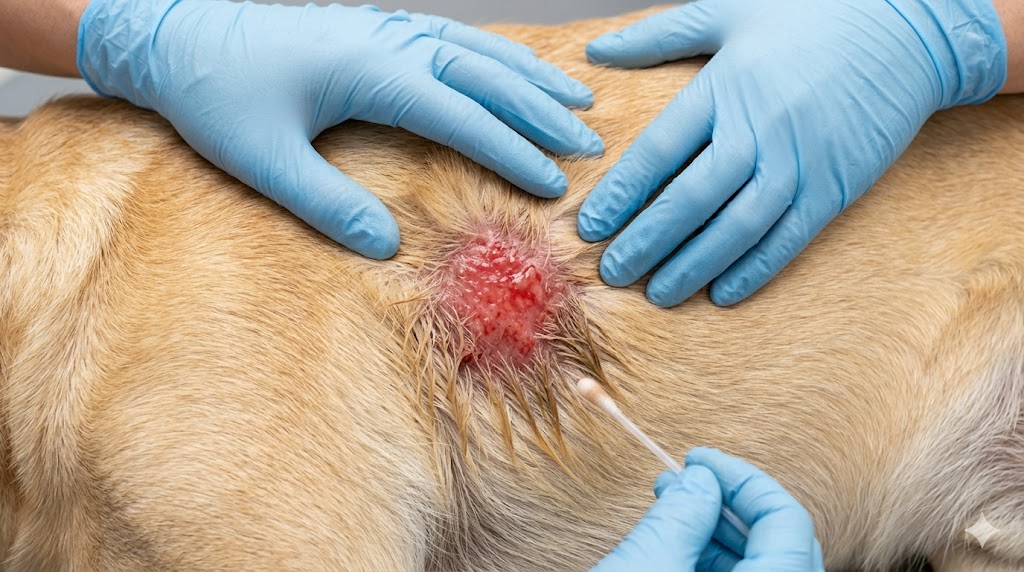
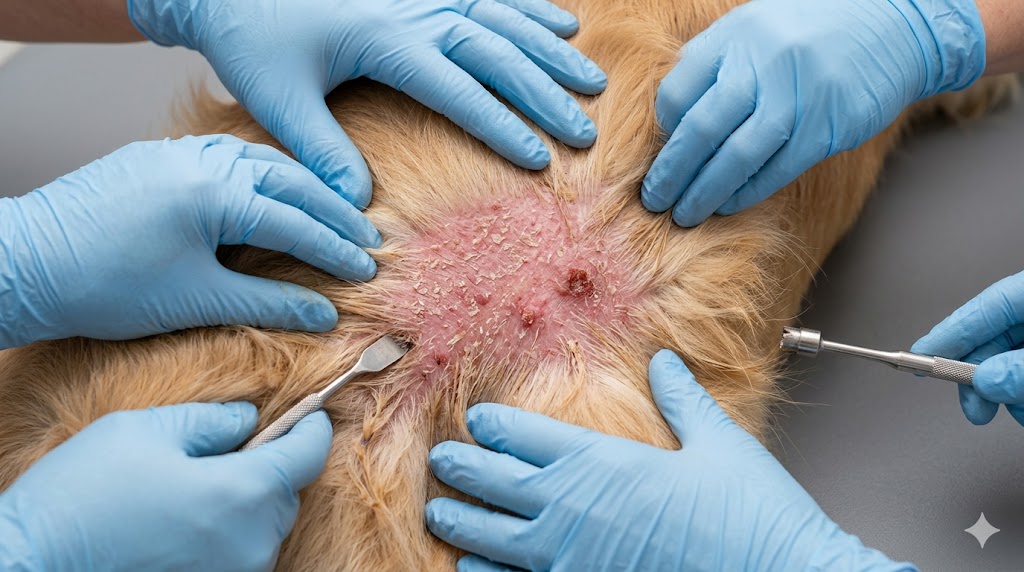
Try Dog Ear Yeast Pictures AI ToolYeast on paws + greasy brown patches on skin? Yeast is just 1 of 5 most common dog skin diseases. Our new AI dog skin diseases pictures tool identifies allergic vs bacterial vs mange vs ringworm vs hot spot from your dog's actual skin photo.
Try Dog Skin Diseases Pictures AI ToolYeast on paws often spreads to skin folds. Our new AI dog skin infection pictures tool identifies bacterial pyoderma vs yeast Malassezia vs fungal ringworm vs hot spot pattern from the skin photo.
Try Dog Skin Infection Pictures AI ToolYeast on paws + belly folds together? Brown greasy in belly folds is classic yeast. Our new AI dog belly rash pictures tool identifies yeast vs allergy vs flea vs bacterial belly pattern.
Try Dog Belly Rash Pictures AI ToolYeast Malassezia often shows as brown greasy dark patches on skin. Our new AI dog skin black spots pictures tool identifies yeast vs comedones vs hyperpigmentation vs Cushing's from the skin photo.
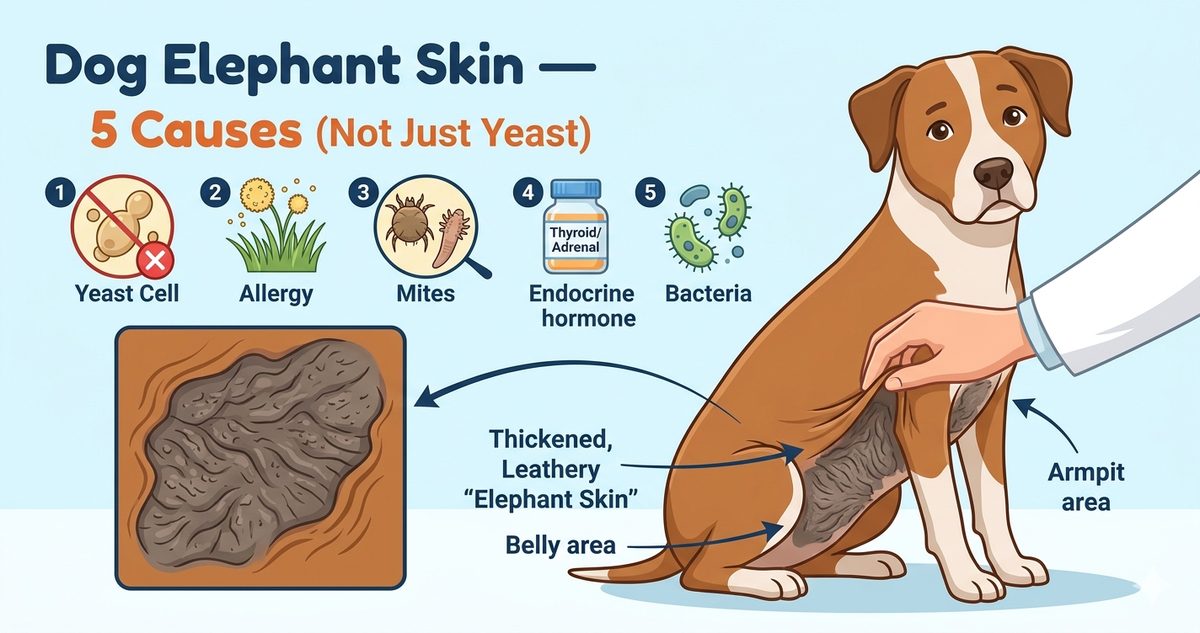
Try Dog Skin Black Spots AI ToolChronic yeast paw infection can progress to elephant skin (lichenification). Our new dog elephant skin guide covers 5 causes including yeast vs atopic vs Cushing's differential.
Read Dog Elephant Skin GuideYeast paw infection produces classic musty corn-chip smell. Our new dog skin smell guide covers 5 distinct smell types — yeast vs fishy vs sour vs sweet fruity (diabetic emergency) vs foul.
Read Dog Skin Smell 5 Causes GuideFrequently Asked Questions
How do I treat a yeast infection on my dog's paws?
+
What do yeasty dog paws look like?
+
Will a yeast infection go away on its own on a dog?
+
How can I treat my dog's infected paw at home?
+
Does apple cider vinegar actually cure dog paw yeast infections?
+
What is the best paw soak for dog yeast infection?
+
Yeast Infection, Bacterial, or Something Else?
Upload a photo of your dog's paw and get AI analysis of likely infection type and severity.
Disclaimer: This article is for informational purposes only and is not a substitute for professional veterinary advice. Always consult a licensed veterinarian for diagnosis and treatment of your pet's health conditions.