Dog Paw Cut on Pad: When to Vet + Care Guide [2026]
Dog paw cut on pad? Spot 4 severity levels (minor scrape, deep cut bleeding, ripped flap, infected), what to do, when to walk, plus when to see the vet today.
Published 2026-06-21
Not sure if the cut needs vet care now? Let AI take a quick look.
Upload a clear close-up of your dog paw — our AI compares the cut against the 4 severity levels (minor, shallow, deep bleeding, ripped flap) and gives you the most likely match in seconds so you know whether to head to the vet today.
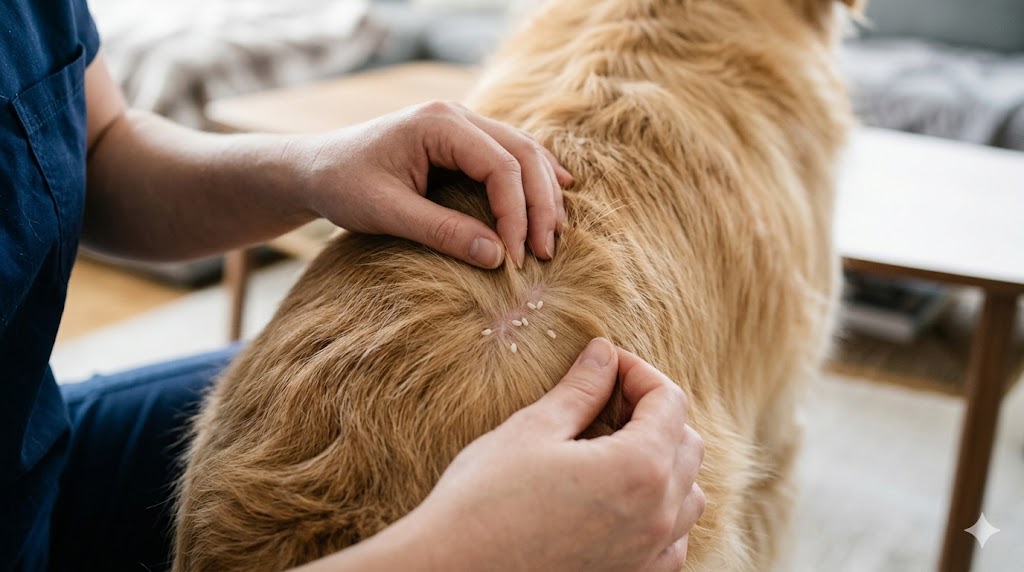
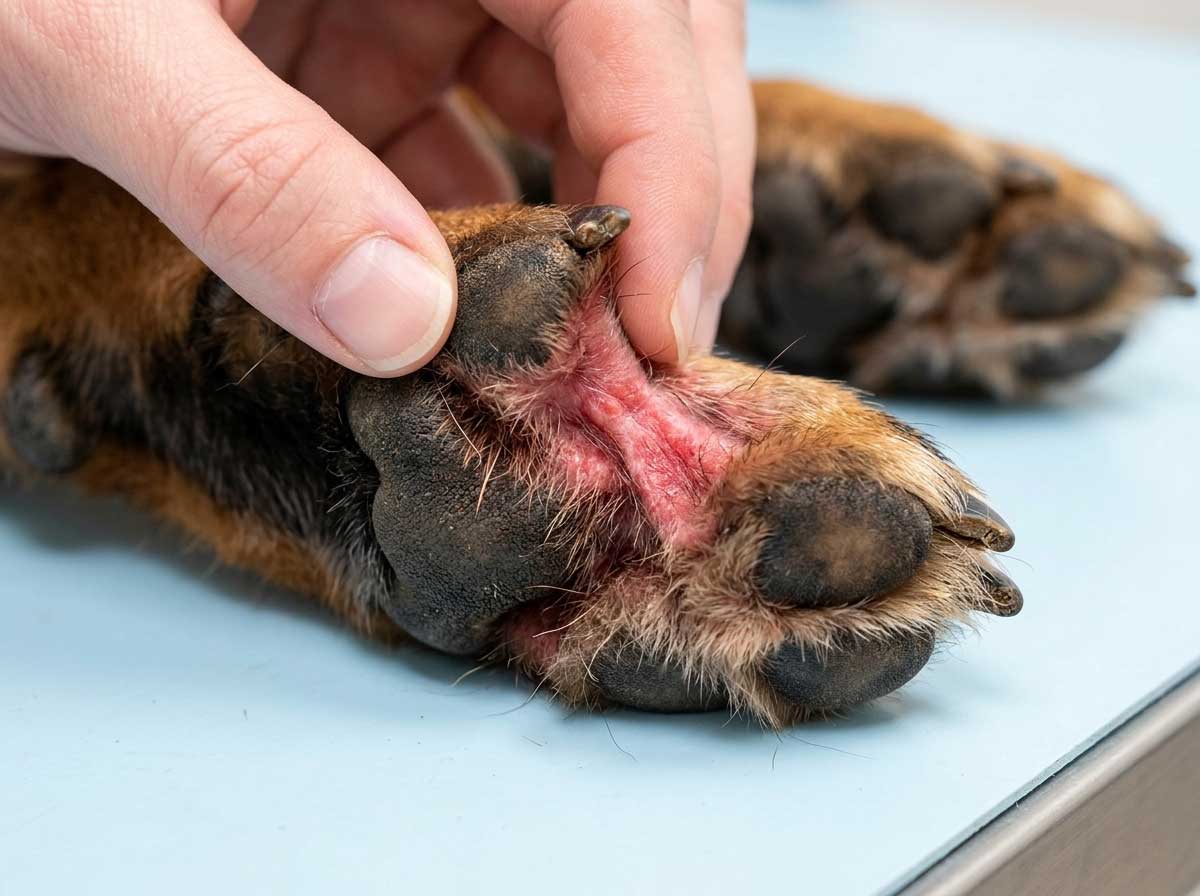
When your dog limps in with a dog paw cut on pad — sometimes bleeding visibly, sometimes hidden under fur — the question owners ask first is "do I need to go to the vet today, or can I watch this at home?" The honest answer depends on 4 things: how deep the cut goes, whether it is still bleeding 5 minutes after pressure, whether the flap of pad is still attached, and whether the dog can bear weight without yelping. Use the page navigation above to jump to the severity table, the no-blood pattern, or the FAQ. According to the American Kennel Club paw care reference, the pad skin is so much thicker than regular skin that even shallow-looking cuts may take longer to scab over than expected. This guide walks through the 4 severity levels, what each one means, what to do BEFORE the vet visit, the truth about walking your dog with a cut paw, and the answer to whether neosporin is safe.
Not sure if what you see on the pad is a true cut, hyperkeratosis crack, or something else? Upload a clear photo of your dog paw — our AI compares against cut/cracked/yeast/healthy patterns in seconds.
Check Dog Paw Now →Quick summary upfront: a dog paw cut on pad almost always falls into one of 4 severity levels — minor scrape that resolves in 2 days, shallow cut that needs 5 minutes of pressure and watch-and-wait, deep bleeding cut that needs a same-day vet visit, or ripped pad flap that needs emergency vet stitches. The four-step home check is the fastest path to picking the right next step instead of guessing.
4 Severity Levels of Dog Paw Cut on Pad
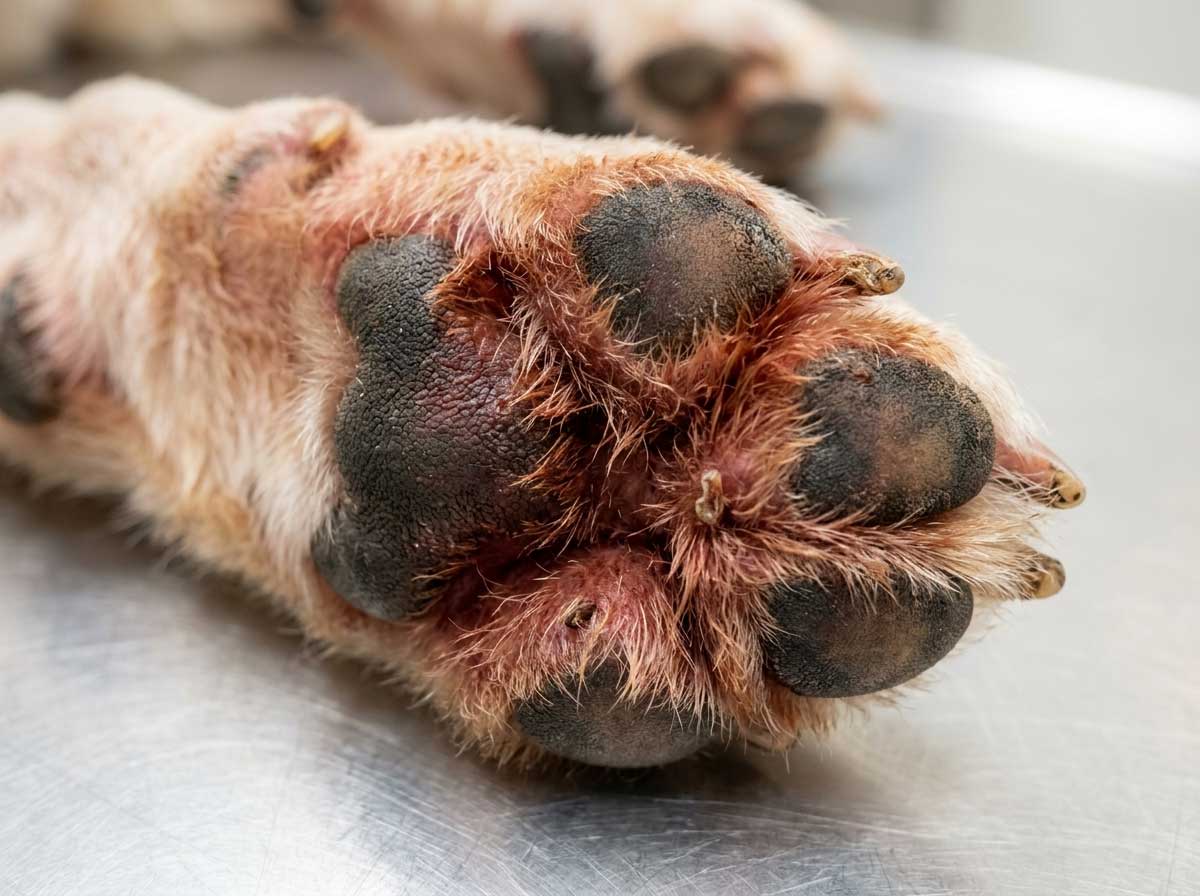
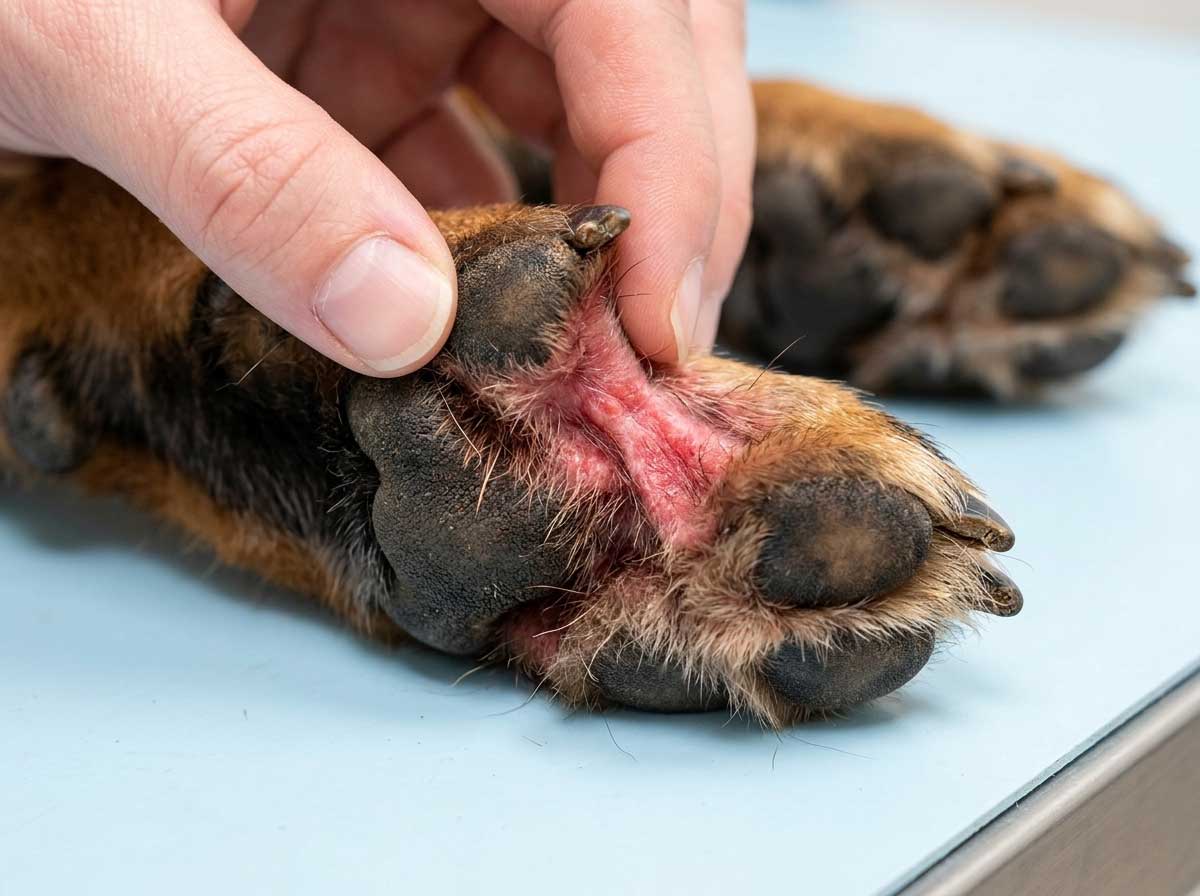
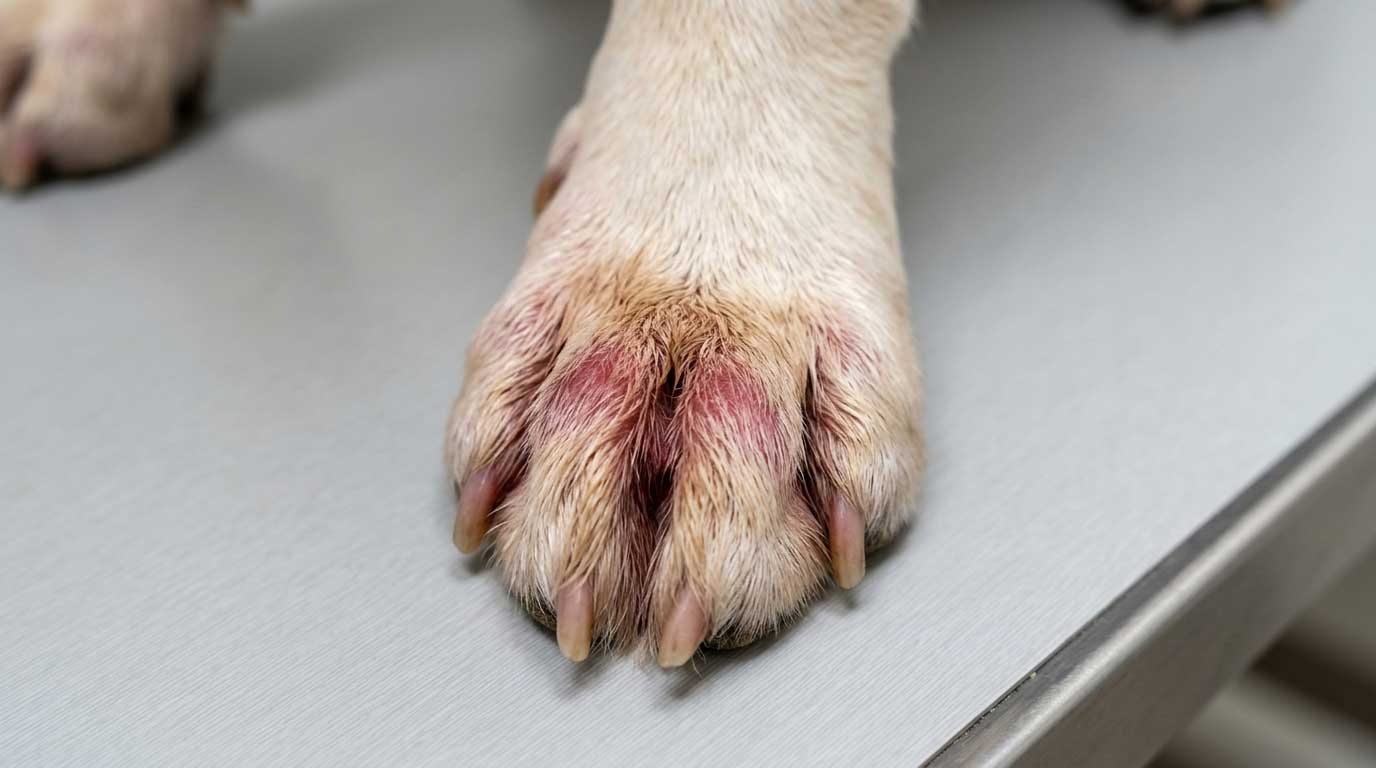
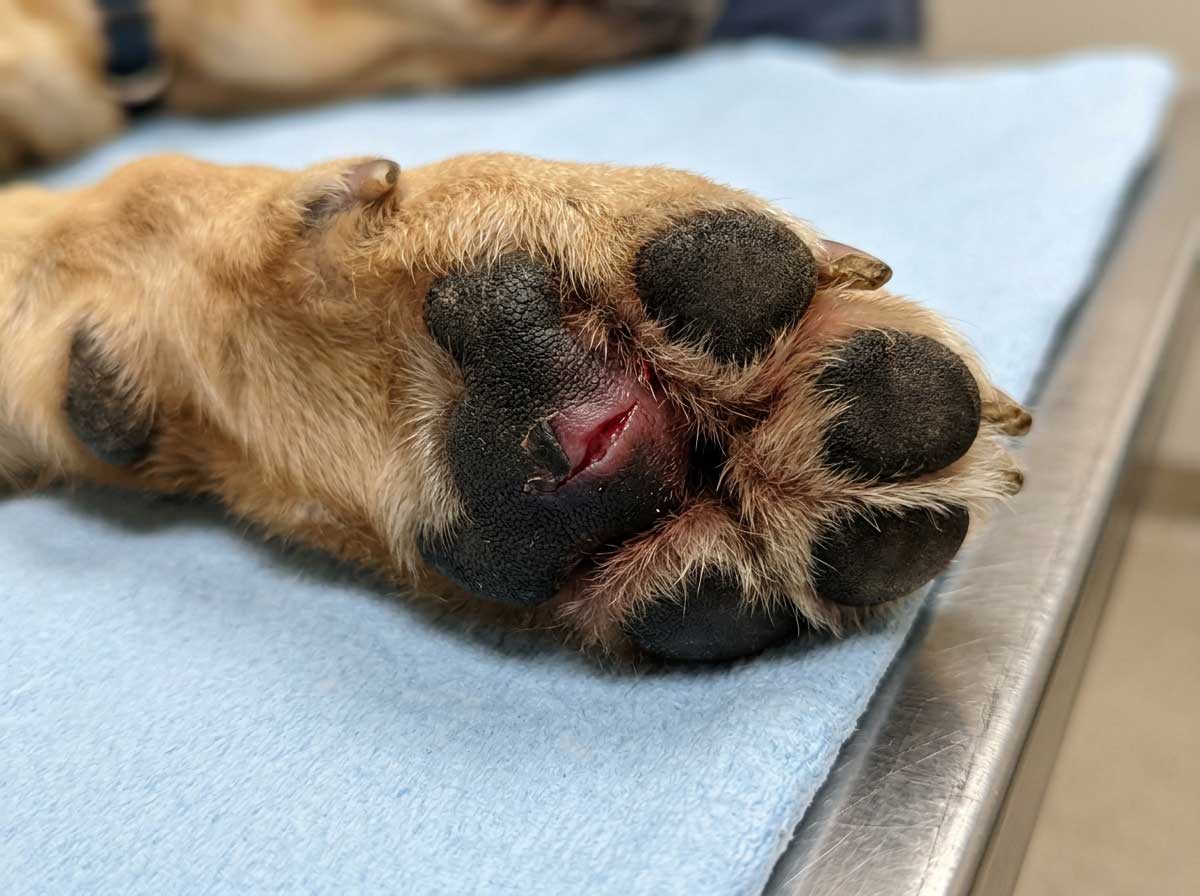
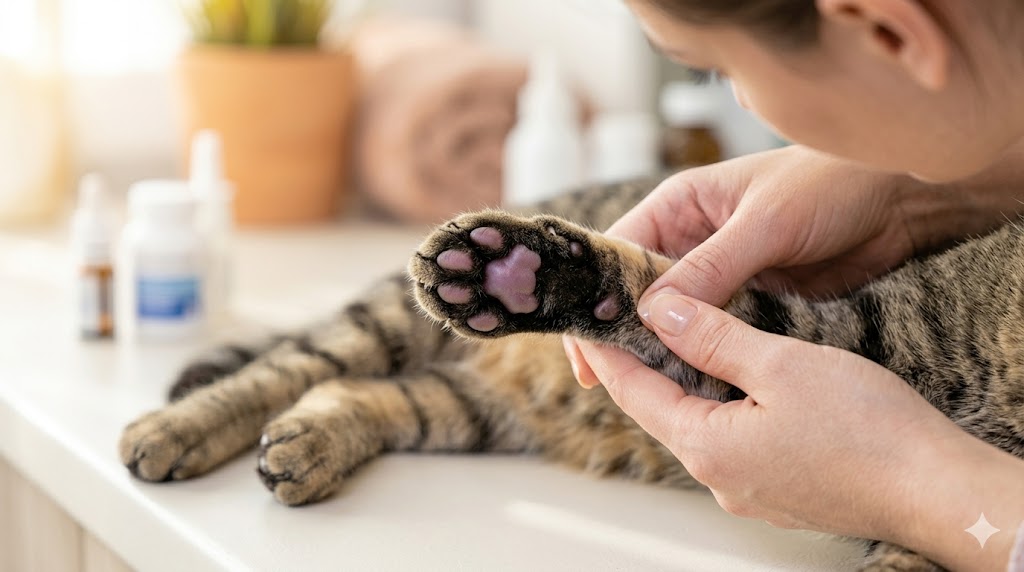
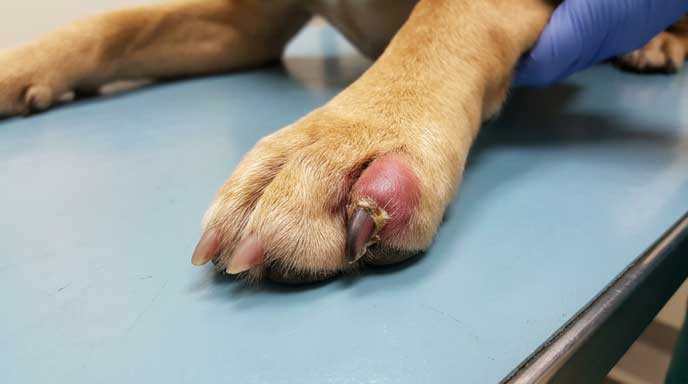
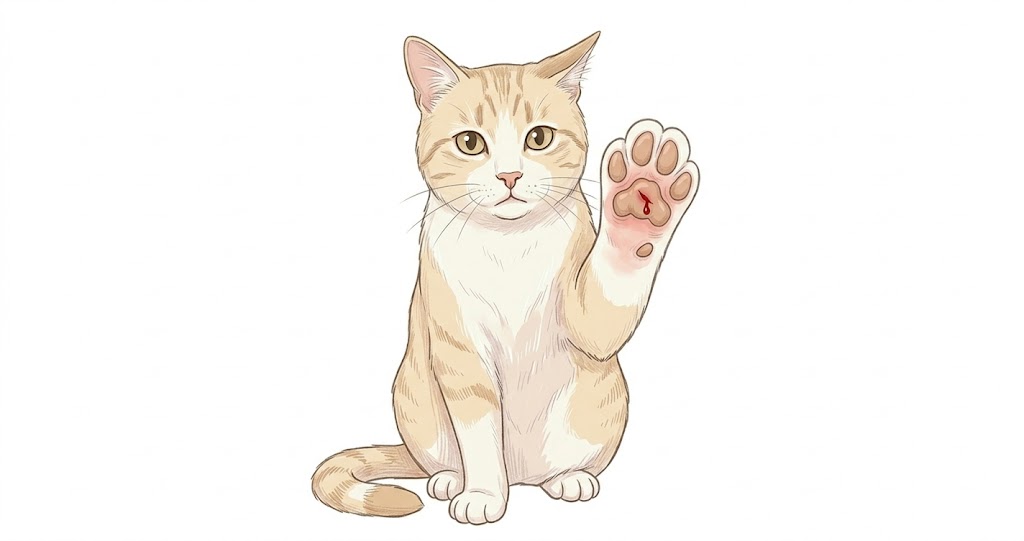
A dog paw cut on pad is not a single problem — it ranges from a barely-visible surface scrape that heals on its own in 2 days to a deep ripped pad flap that needs vet stitching same-day. Use this severity ladder to decide what step to take next.
| Severity | What you see | Next step |
|---|---|---|
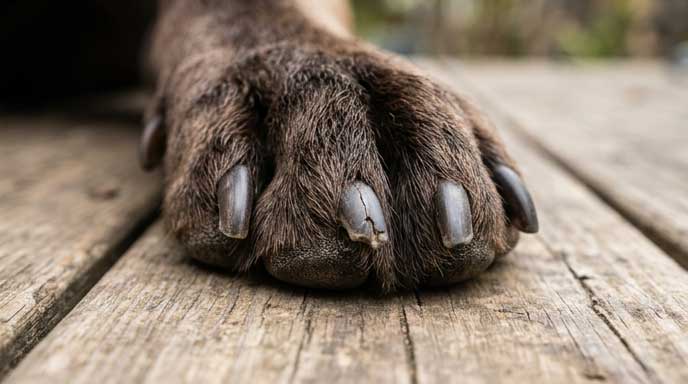
| Level 1 — Minor scrape | Surface scuff only, no blood, dog walks normally | Clean with plain water, monitor 48 hours, no vet needed |
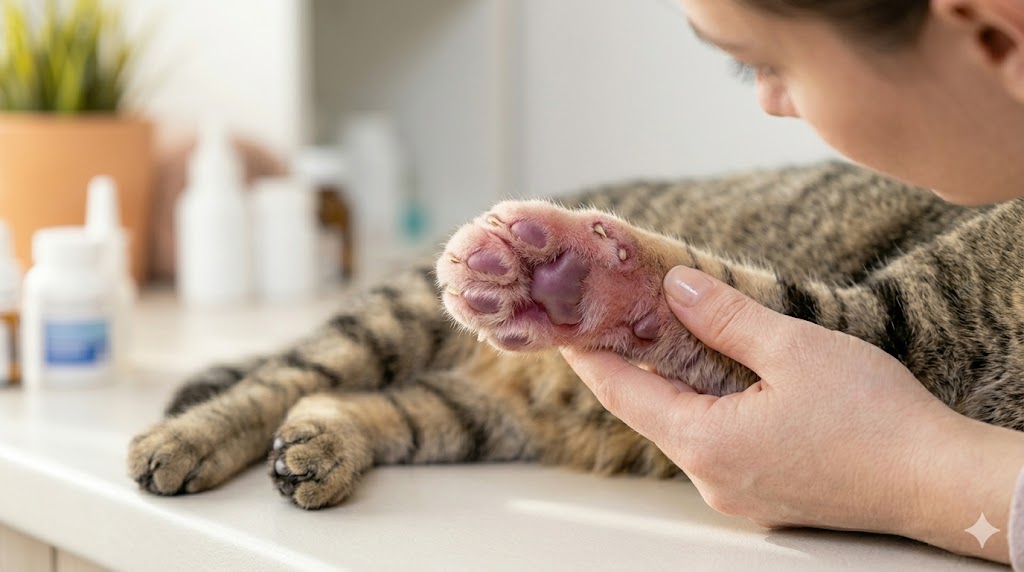
| Level 2 — Shallow cut | Visible cut line, slight blood, dog limps a few steps then walks | Apply pressure 5 min, clean, monitor, vet within a week if not improving |
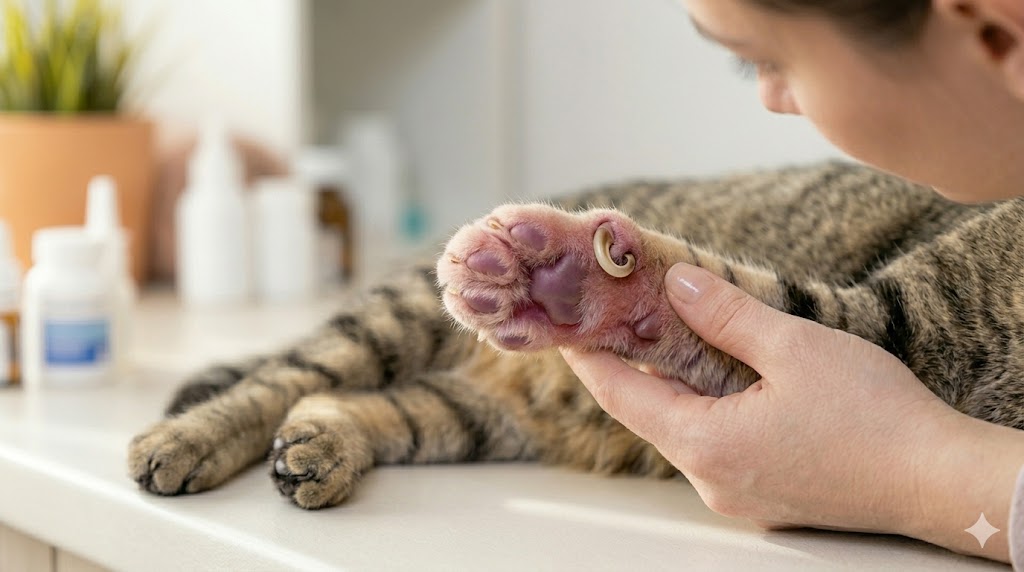
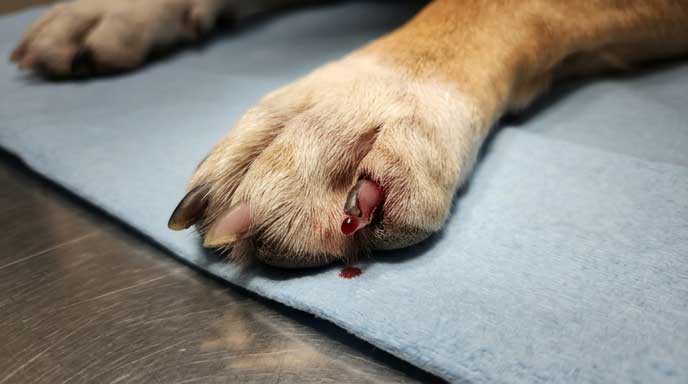
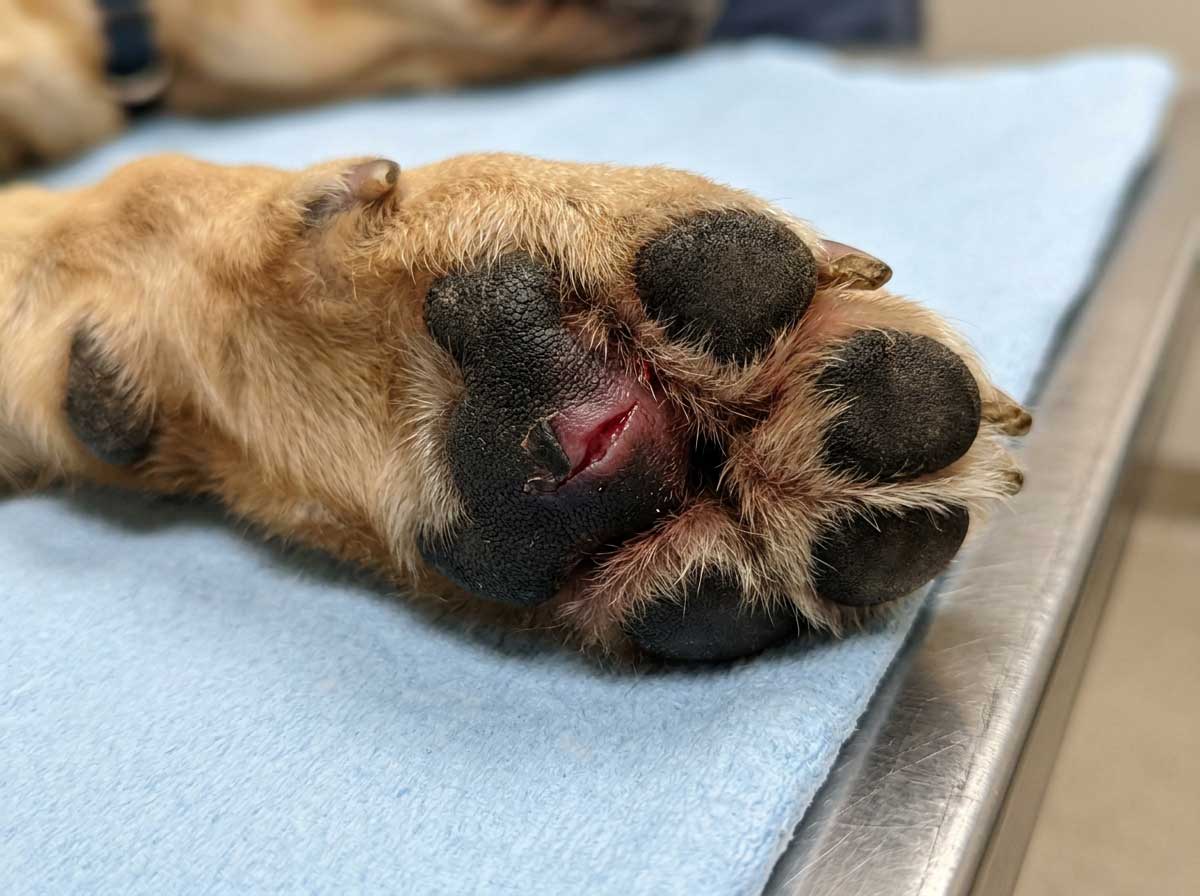
| Level 3 — Deep cut bleeding | Cut splits open, blood does not stop after 5 min pressure, dog will not bear weight | Same-day vet visit for assessment and possible stitches |
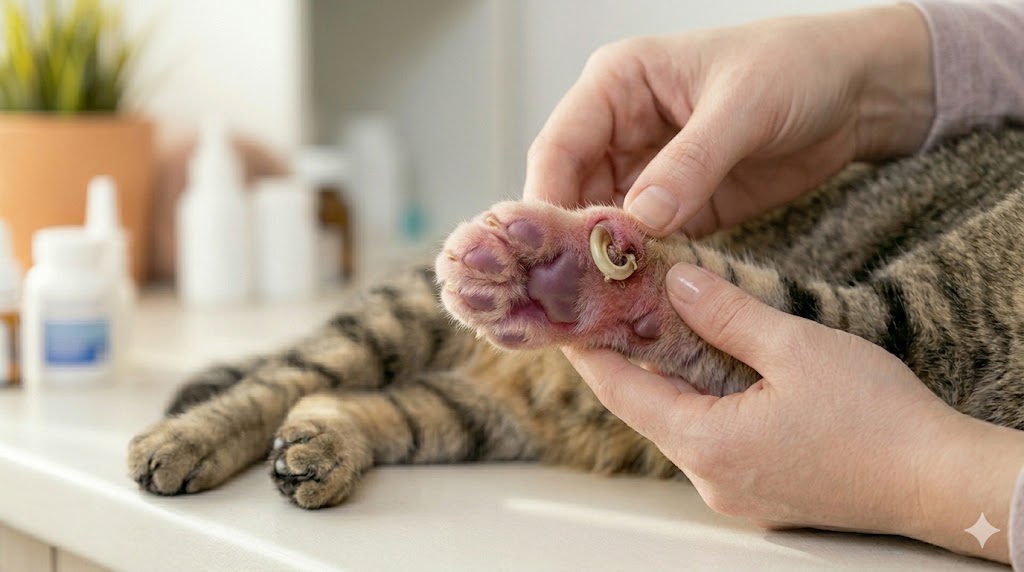
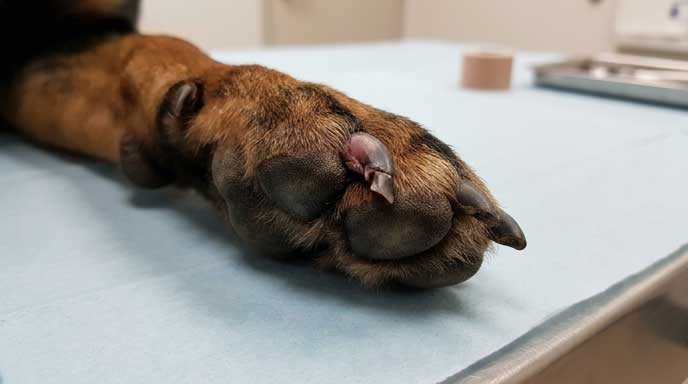
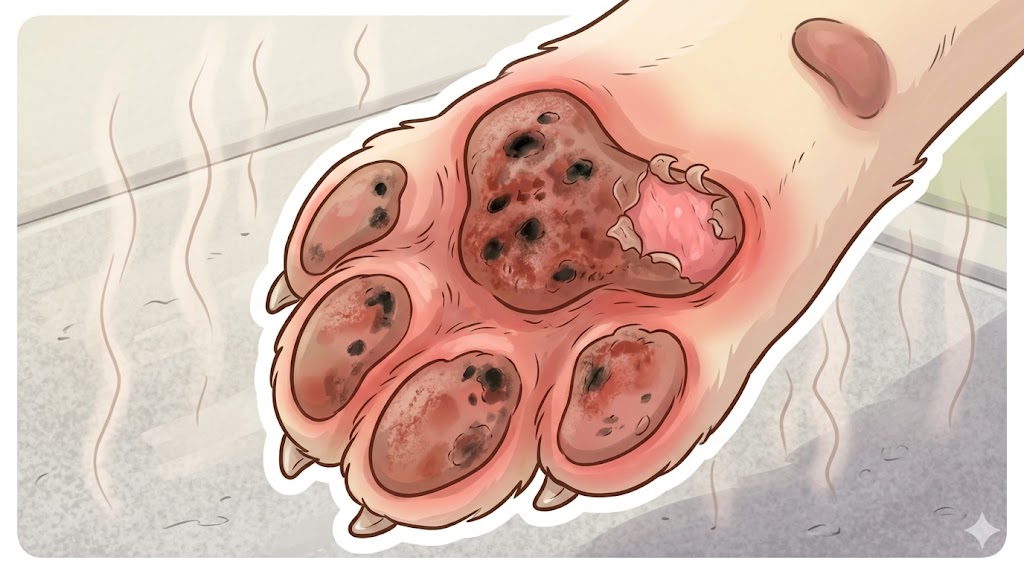
| Level 4 — Ripped flap or large laceration | A piece of pad hangs loose, exposed flesh underneath, heavy bleeding | Emergency vet now — ripped pads need surgical repair within hours |
Dog Cut Paw Pad No Blood — What It Means
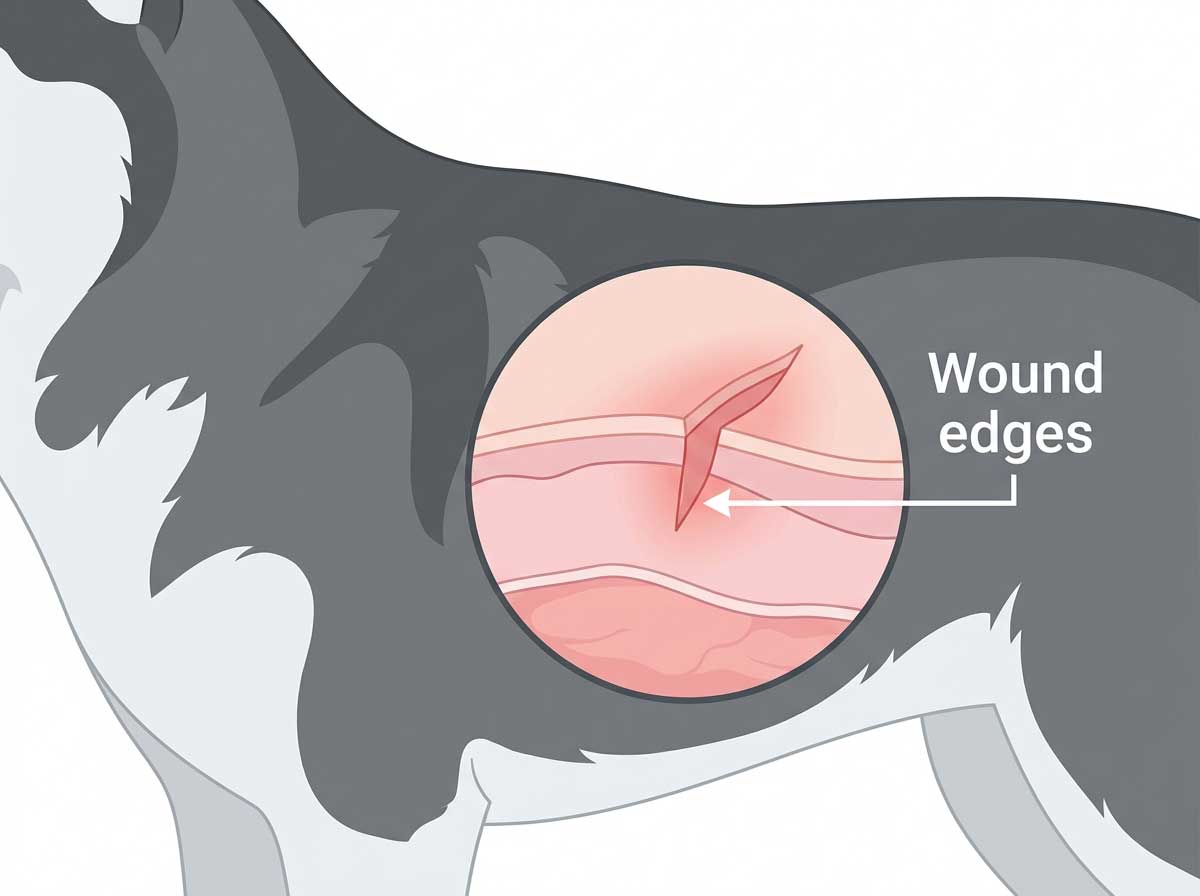
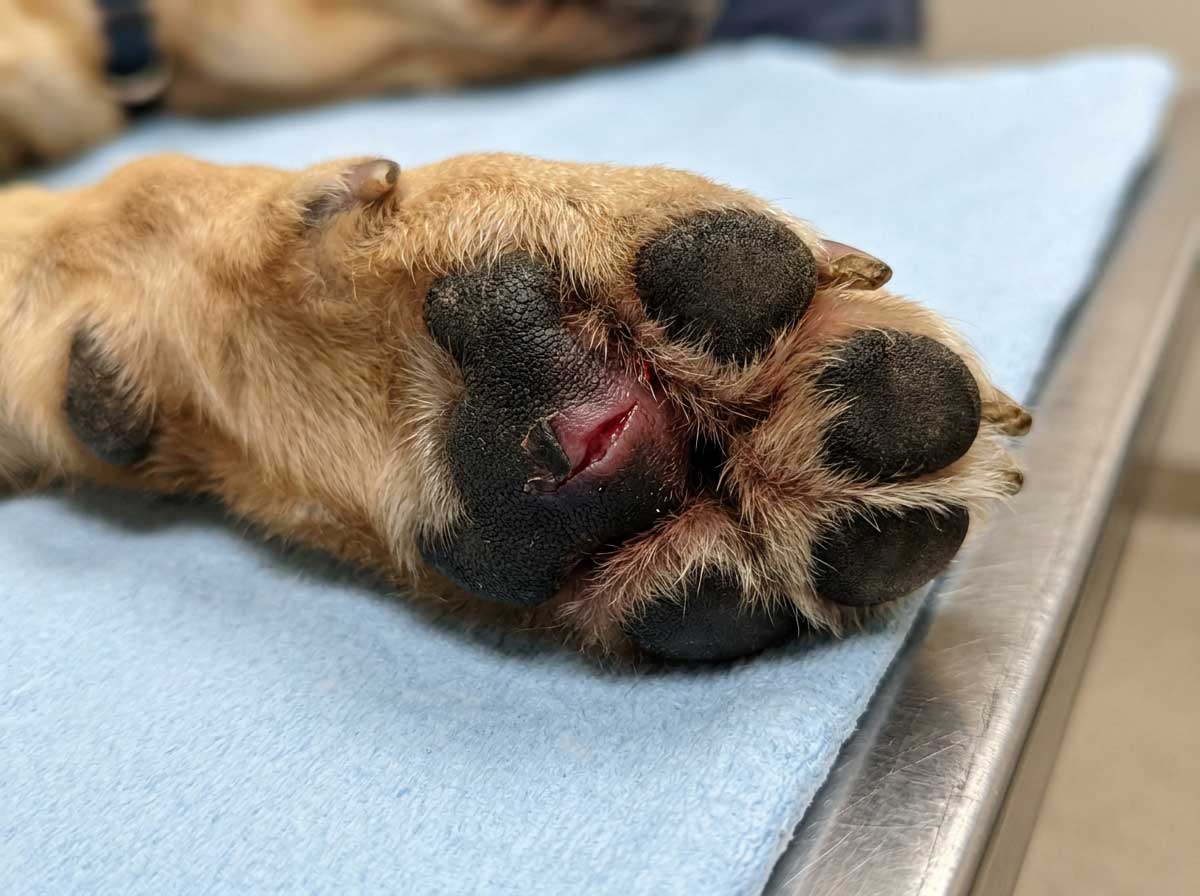
Dog cut paw pad no blood is one of the most common owner observations — and the no-blood version is not always less serious than a bleeding cut. Pads are thick keratinized tissue, so a cut deep enough to need vet attention sometimes does not bleed at all because the blood vessels sit below the pad layer. What matters more than bleeding is: depth, whether the dog limps, whether the cut edges are clean or jagged, and whether you can see white tendon or pink flesh underneath. A no-blood cut showing pink flesh is still a vet-visit cut.
Dog Paw Cut on Pad Pain — When Pain Is the Warning Sign
The level of dog paw cut on pad pain the dog shows is one of the most useful at-home diagnostic clues. Brief sharp yelp at first touch, then walks normally = probably minor. Consistent limping for more than 30 minutes after the injury = vet visit within a week. Refuses to bear weight at all on that paw = same-day vet visit. Sudden pain hours or days after the cut appeared to scab over = possible infection, vet within 48 hours. The reason pain matters is that the pad skin barrier is the dog body main defense against bacteria entering the foot — once that barrier breaks, infection can move into deeper tissue surprisingly fast.
Can I Put Neosporin on My Dog Cut Paw Pad?
Can I put neosporin on my dog cut paw pad is one of the most-asked questions on this topic, and the honest answer is "not without vet approval first". Neosporin is a topical wound product designed for human skin, and while it is sometimes used in small amounts on dogs under vet guidance for minor cuts, several reasons mean owners should not reach for it as a first-line solution. First, dogs lick paws constantly and ingesting the topical product can cause stomach upset. Second, neosporin is not effective against all the bacteria that infect dog paw cuts — a vet-chosen alternative may be far more appropriate. Third, if the cut is deep enough to need stitches, a topical product is not going to substitute for vet care. The right move is a vet phone call or visit first, then any topical product under vet guidance.
Want a quick photo opinion on whether the cut needs urgent vet care or can wait? Upload a clear photo — our AI compares against the 4 severity levels in seconds.
Photo Triage Now →Should You Walk a Dog with a Cut Paw Pad?
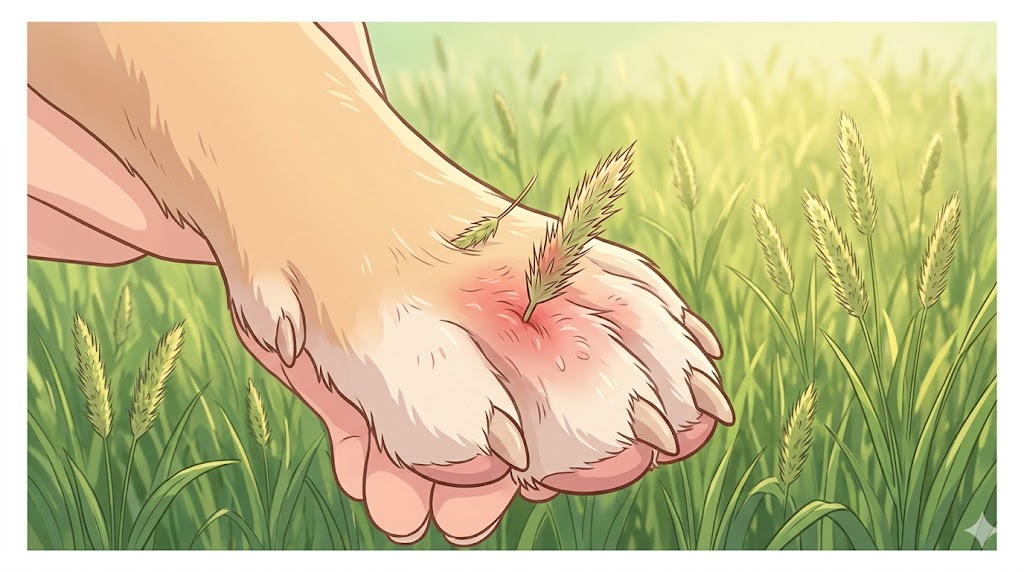
Should you walk a dog with a cut paw pad depends on the severity. Level 1 minor scrape — short slow walks are fine; the movement helps recovery through gentle blood flow. Level 2 shallow cut — restrict to short controlled walks for 5-7 days, avoid hot pavement and grass with foxtails. Level 3 deep cut — no walks until vet clears the dog; bear-weight pressure on a deep cut tears the cut open further and slows recovery dramatically. Level 4 ripped flap — strict cage or crate rest until vet repair plus follow-up. The general rule: if walking causes the dog to limp visibly, the paw is not ready for walks yet.
Is It Harmful If My Dog Licks Their Cut Paw Pad?
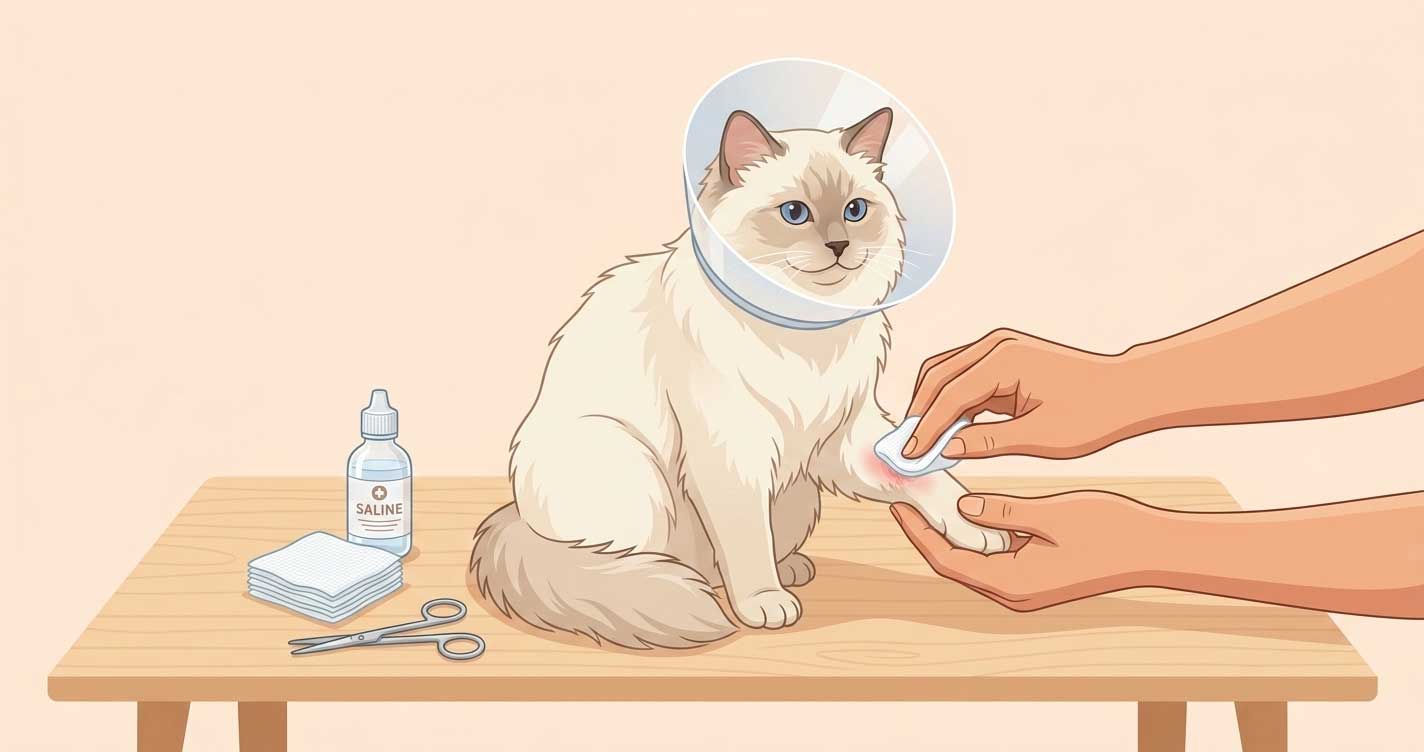
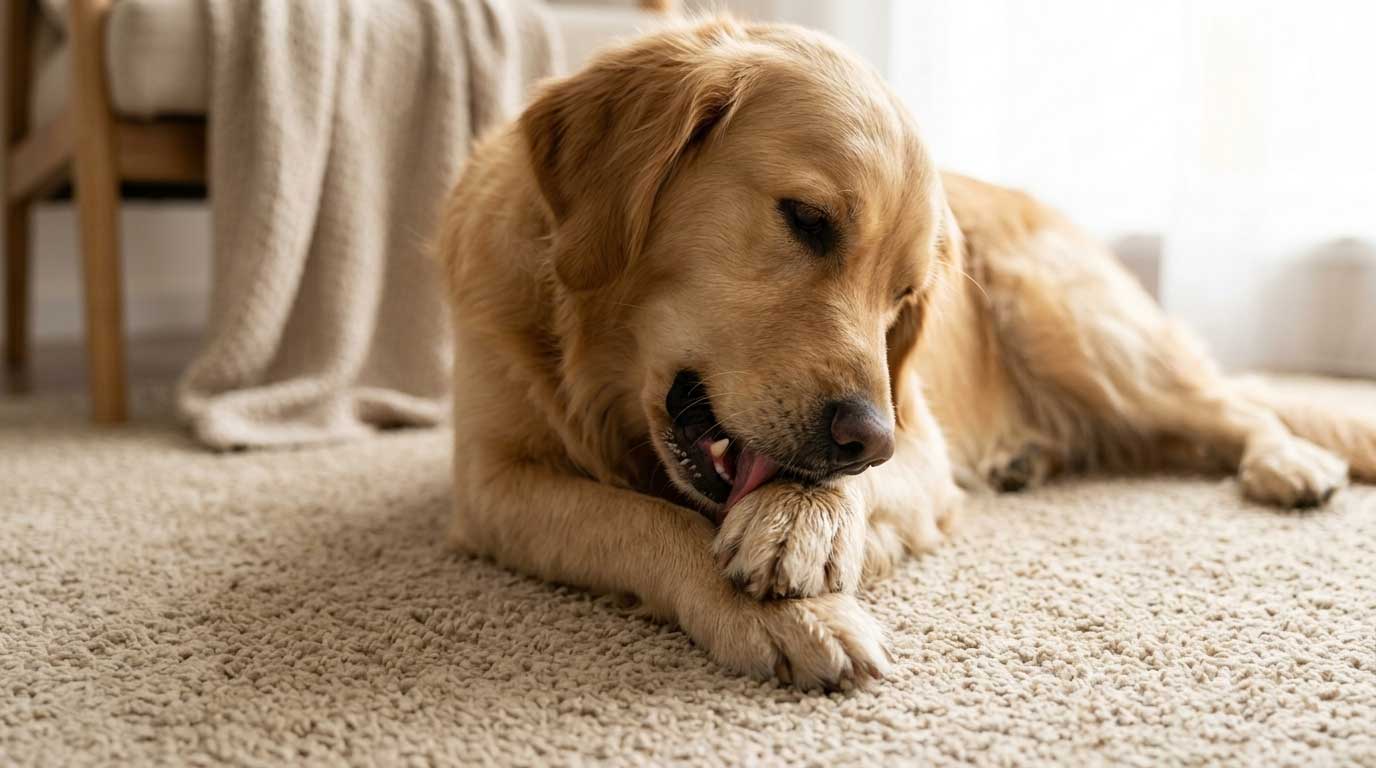
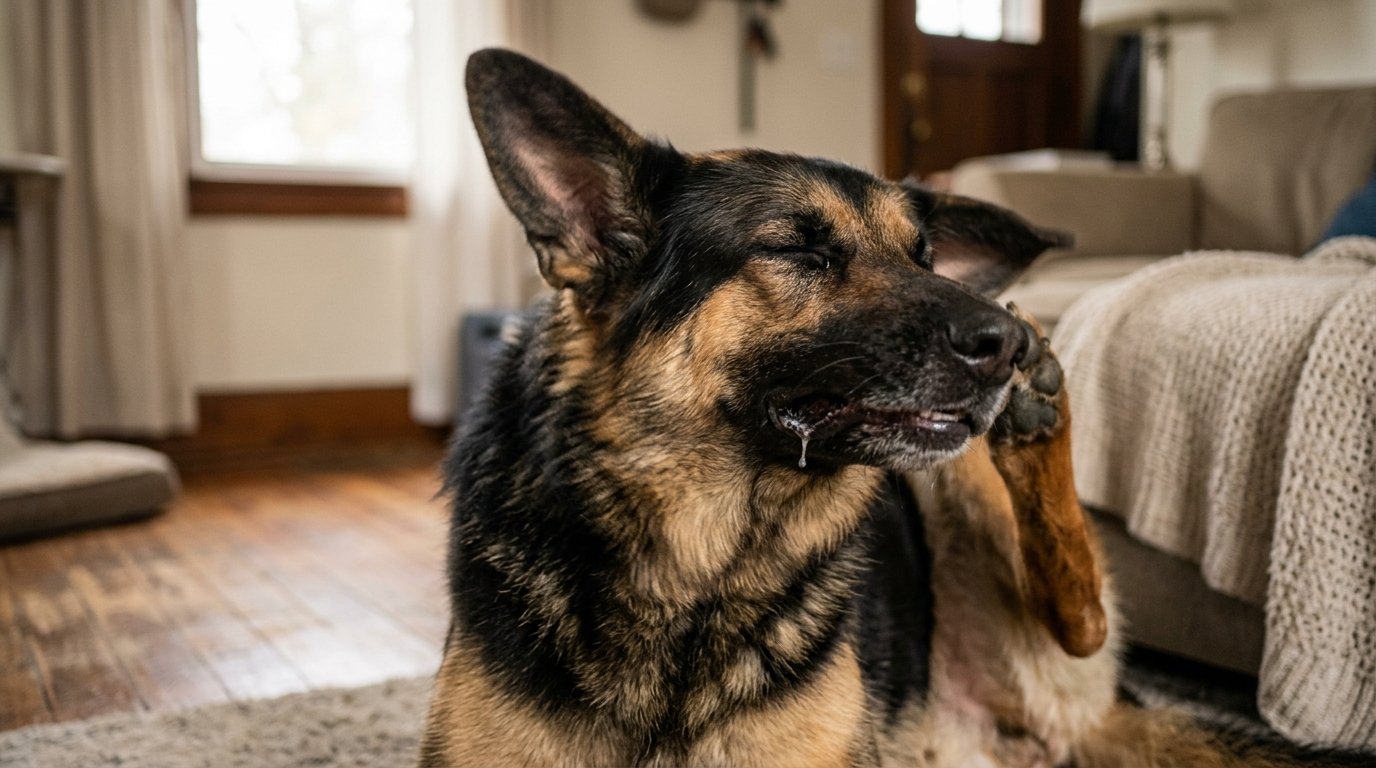
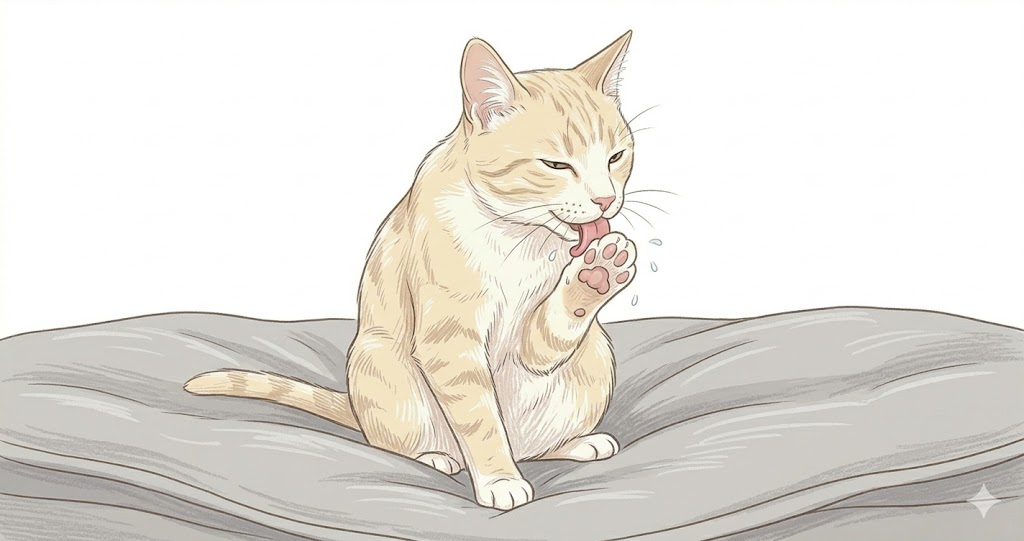
Is it harmful to a dog if they lick their paw if a pad is cut — yes, almost always. Dog saliva contains some natural antibacterial enzymes, but the volume and constant motion of licking does far more harm than good for paw cuts specifically: it keeps the wound wet (preventing scab formation), introduces new bacteria from the mouth, mechanically reopens closing edges, and can cause yeast or bacterial secondary infection within days. An e-collar (cone) or soft inflatable collar is the single most useful tool for paw cut recovery. For the broader picture on why dogs lick paws, see our companion guide on paw licking causes.
Caught the cut early and not sure if a vet visit is needed today? Upload a photo — our AI compares against the 4 severity levels and tells you the most likely match in seconds.
Severity Check Now →When to See a Vet for Dog Paw Cut on Pad
Use this decision table to pick the right vet timing after seeing the cut.
| Situation | Right vet timing |
|---|---|
| Minor surface scrape, no limp | No vet needed — monitor 48 hours |
| Shallow cut, slight blood, occasional limp | Vet within a week if not improving |
| Deep cut, bleeding does not stop in 5 min, dog will not weight bear | Same-day vet visit |
| Ripped pad flap, exposed flesh, heavy bleeding | Emergency vet now |
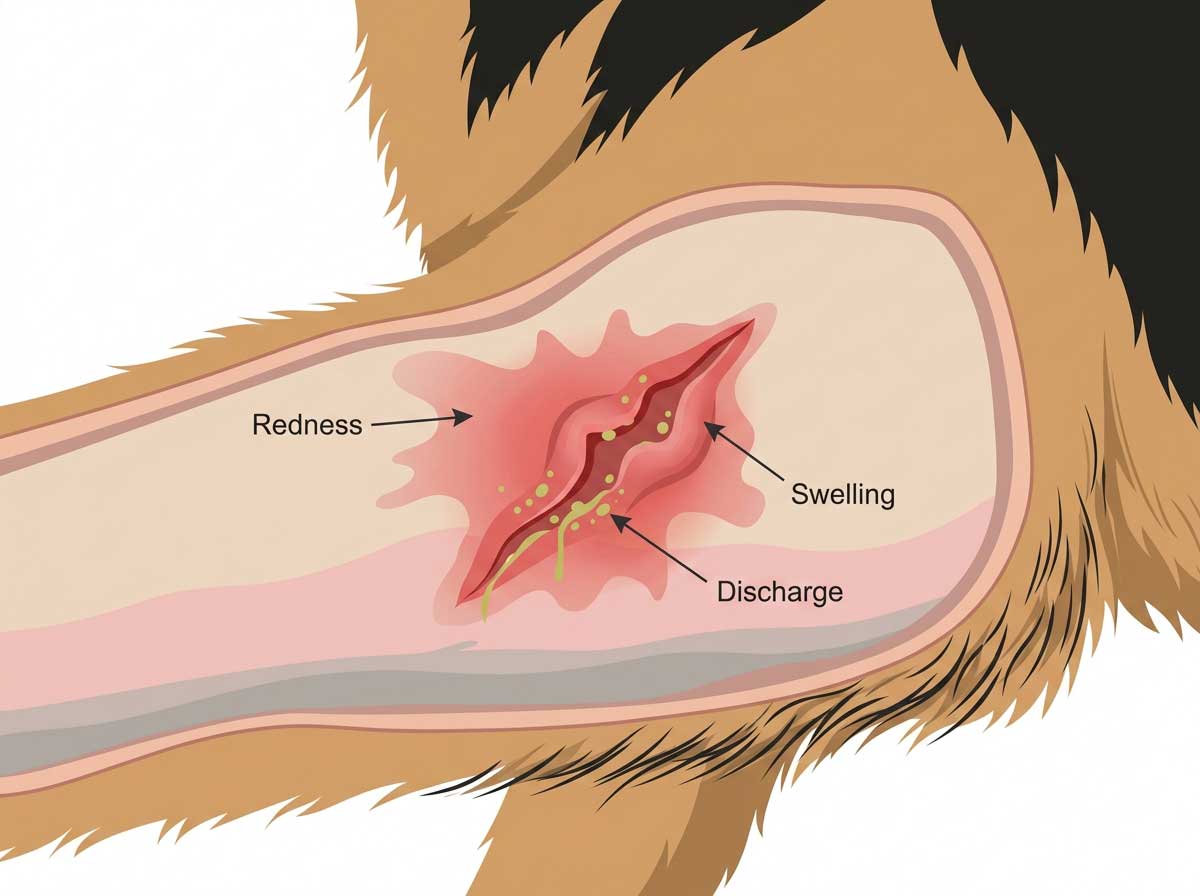
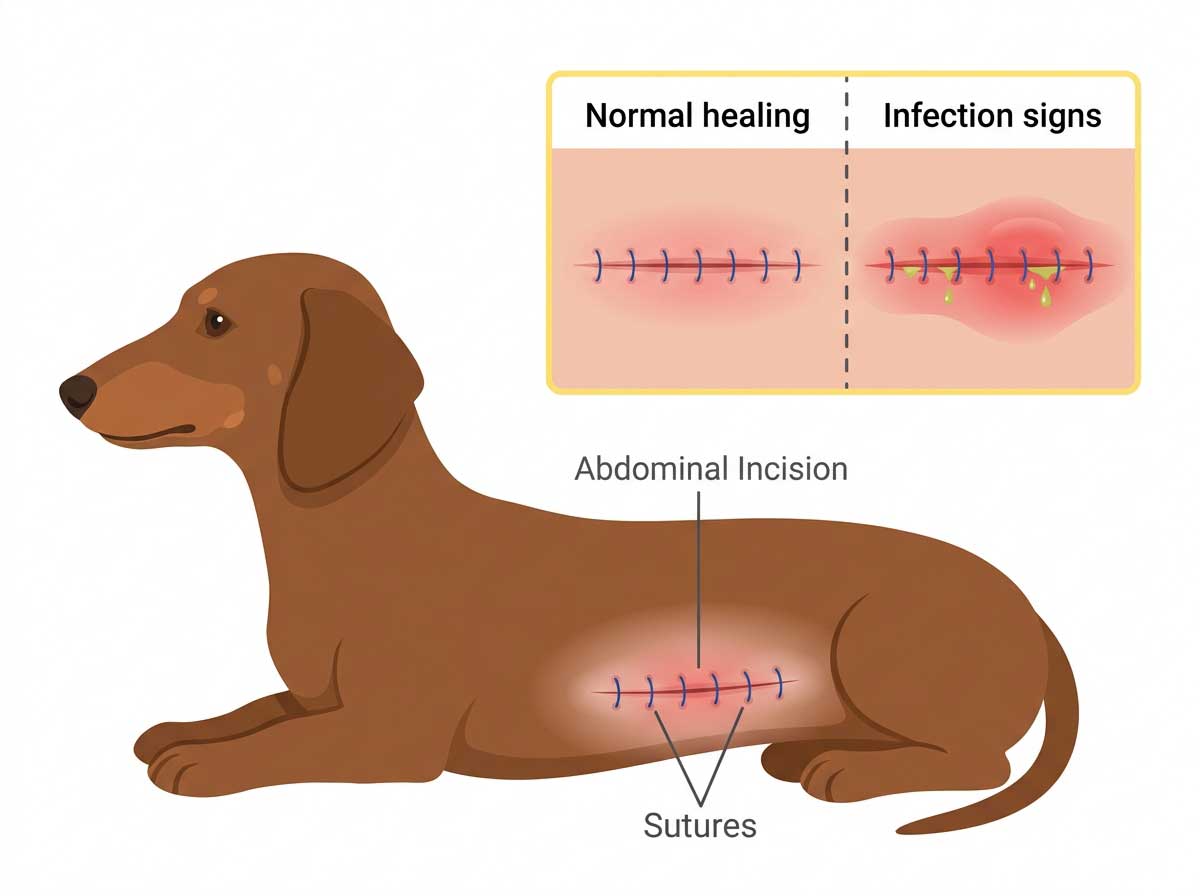
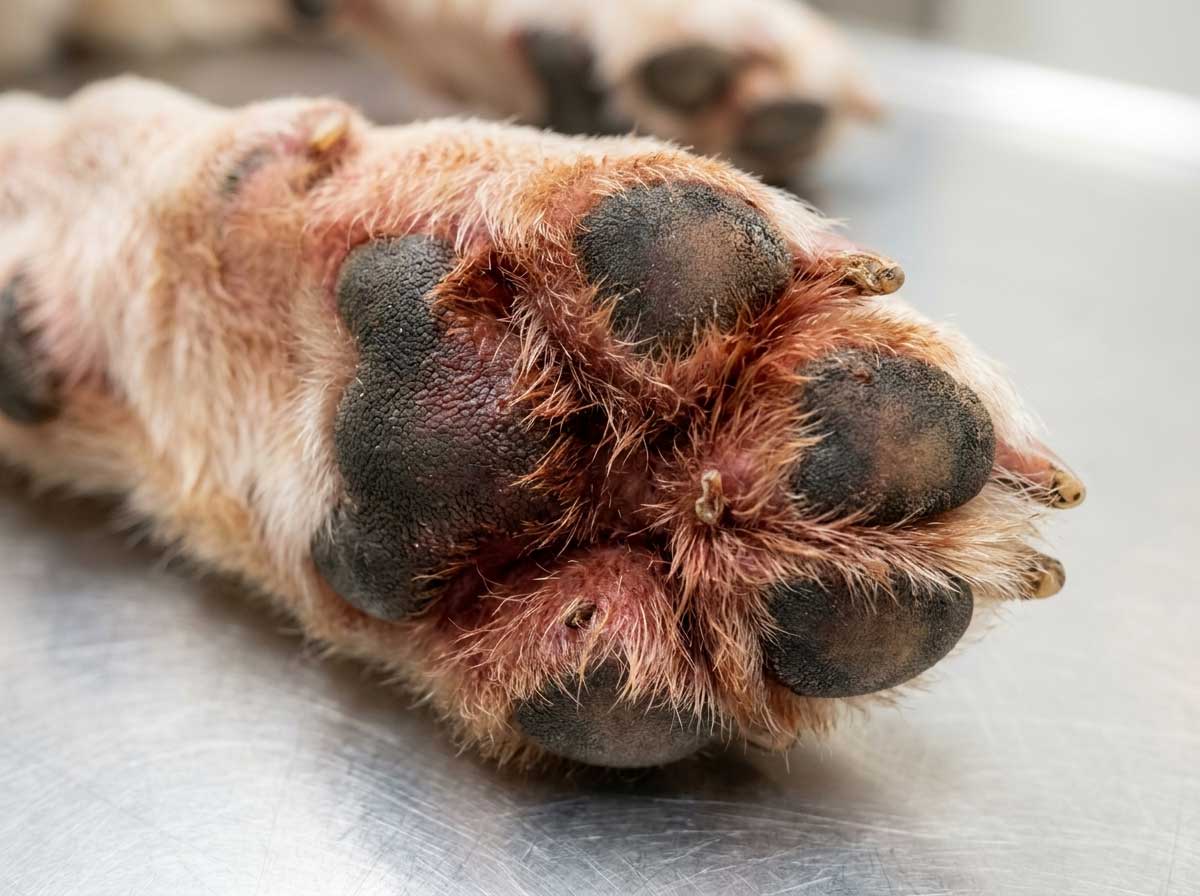
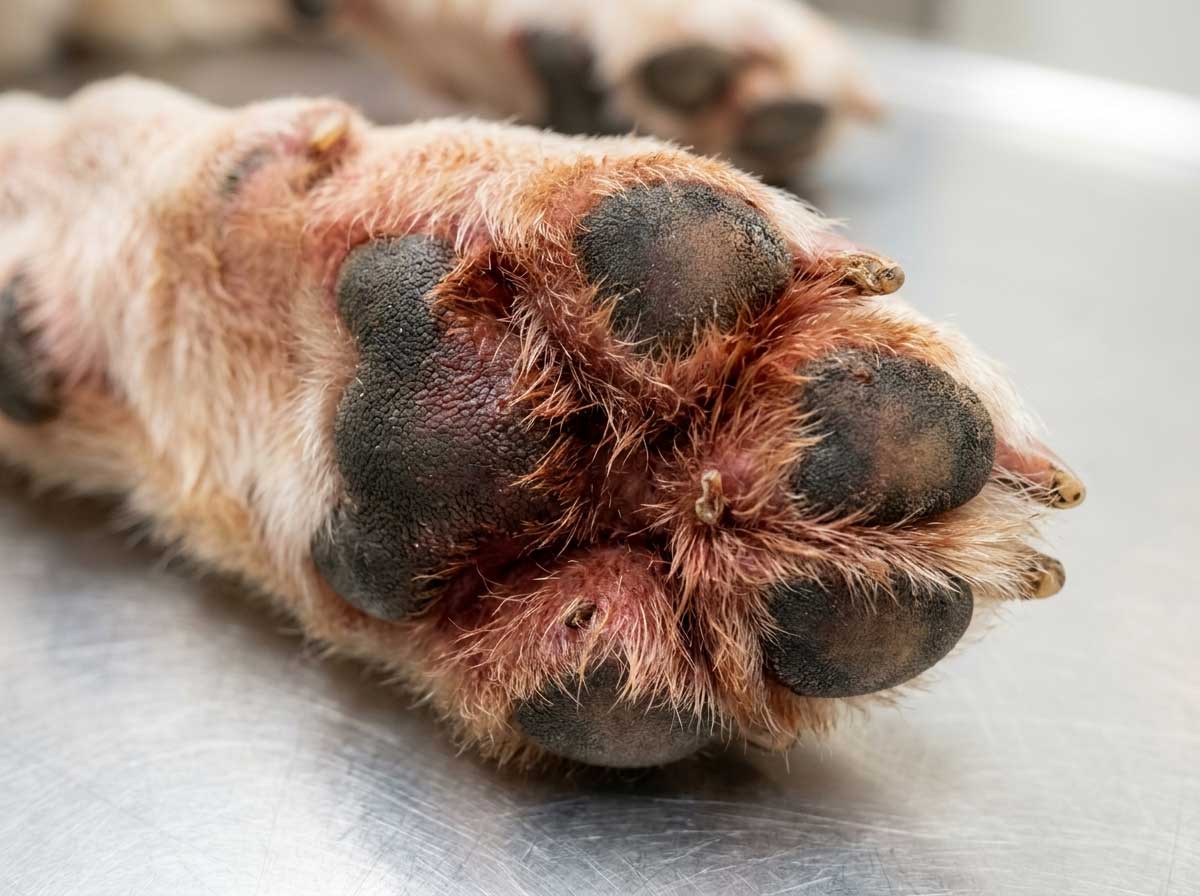
| Cut appeared healed but new pain, redness, smell, swelling appeared days later | Vet within 48 hours — possible infection |
What to Do BEFORE the Vet Visit
For Level 2 and Level 3 cuts where you have decided a vet visit is needed but is not happening in the next hour, a few simple steps make the visit easier and the outcome better:
- ✓Apply gentle pressure with a clean cloth for 5 minutes if the cut is bleeding — most bleeding stops within this window.
- ✓Rinse the cut with plain cool water to clear visible debris, but do not scrub or use soap which can damage tissue.
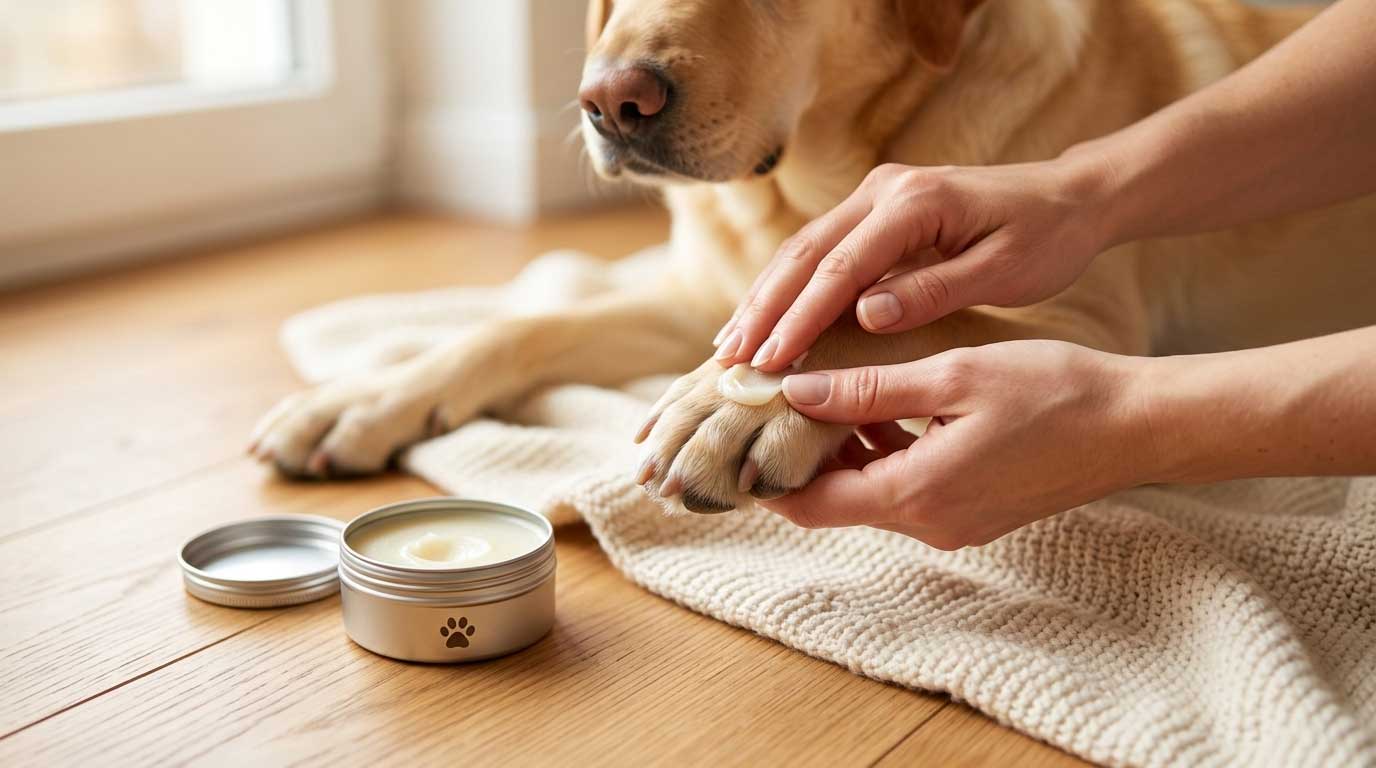
- ✓Wrap the paw loosely in clean gauze if available, then a sock if you have one — this keeps it clean and limits licking on the way to the vet.
- ✓Photograph the cut clearly in natural daylight before bandaging — the photo helps the vet assess depth even if the bandage is bloody on arrival.
- ✓Keep the dog calm and avoid letting the dog walk on the cut paw if possible — carry the dog if practical.
- ✓Skip the neosporin or any home topical until the vet visit, since unknown products can affect the vet assessment.
Long-form context that the AKC vet experts emphasize on the topic of dog paw cut on pad: the pad skin is roughly five times thicker than the skin on the rest of the dog body because pads handle constant friction with rough surfaces. That thickness means three practical things for owners. First, cuts that look shallow can actually be deeper than they appear because the cut layer of pad keratin hides the depth. Second, the time to fully restore the pad to original strength takes weeks longer than a similar cut on softer skin elsewhere on the body. Third, secondary infection from bacteria on the ground or in the dog mouth saliva is the single most common complication when owners try at-home care without vet input. The four severity levels covered above almost always cover what most owners face, but the boundary between Level 2 shallow and Level 3 deep is the one most often misjudged at home — when uncertain, lean toward the vet visit rather than wait-and-see, because pad cuts that turn out to be Level 3 deep show clearly within 24 to 48 hours when an at-home approach is not working. The cost of a quick vet visit for a Level 2 that turns out to be fine is typically far less than the cost of a Level 3 that escalated into a full infection requiring a second visit, a culture-and-sensitivity test, and a longer recovery window. The single most actionable piece of advice for owners reading this guide: photograph the paw in natural daylight before any cleaning, and bring that photo to the vet visit even if the bandage is bloody on arrival. That photo gives the vet a baseline picture that helps the assessment go faster and the right next steps get picked sooner. The simple act of photographing the paw before any cleaning at home is the single most useful thing owners can do for the vet appointment that follows. Vets see dozens of paw cut cases each month and the ones where owners arrive with a clear photo and a brief written history get triaged faster every time.
A quick note on the dog paw cut on pad reddit discussions owners often search for: the most common owner-shared experience in those threads is the same Level 2 vs Level 3 boundary uncertainty covered in the severity table above, plus the post-vet follow-up question of when walks can safely resume. Owner experiences online are useful context but not a substitute for a vet eye on the specific cut.
Recovery Timeline After Vet Visit
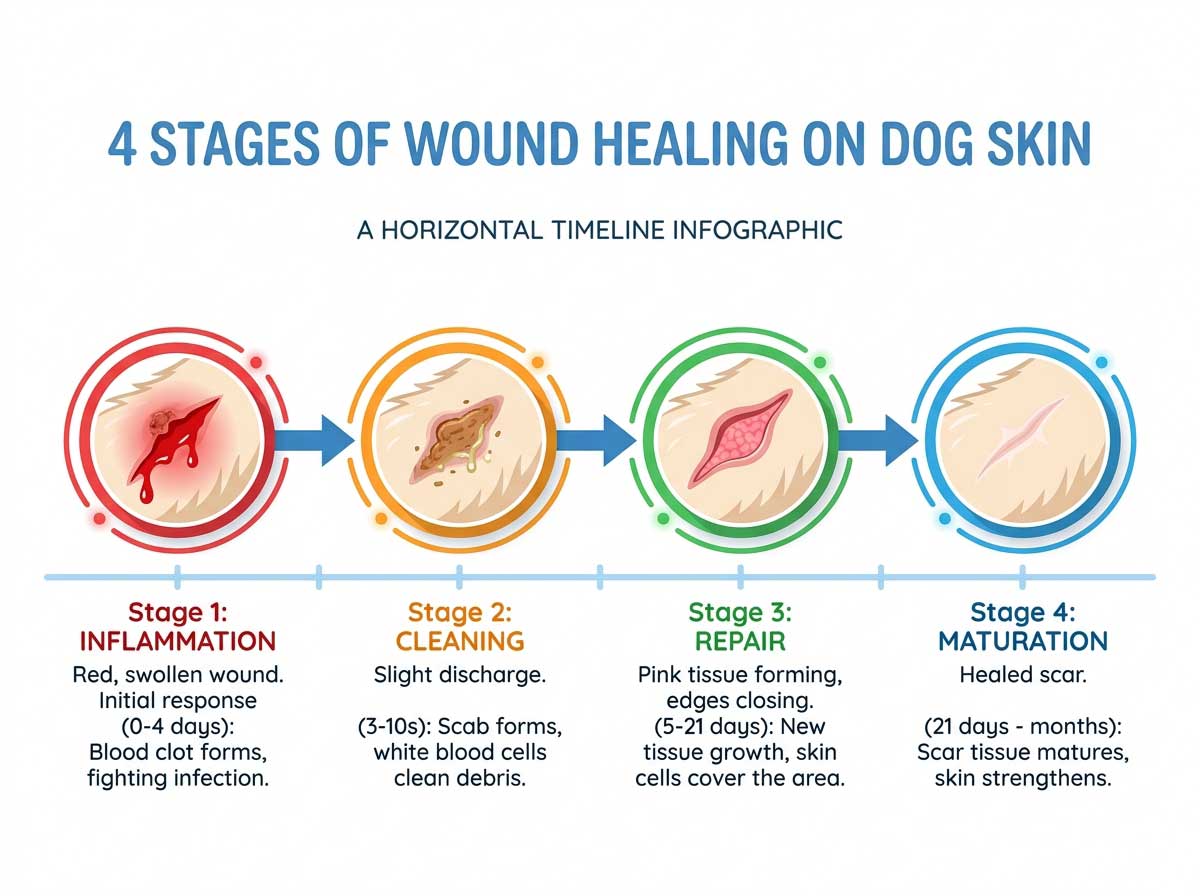
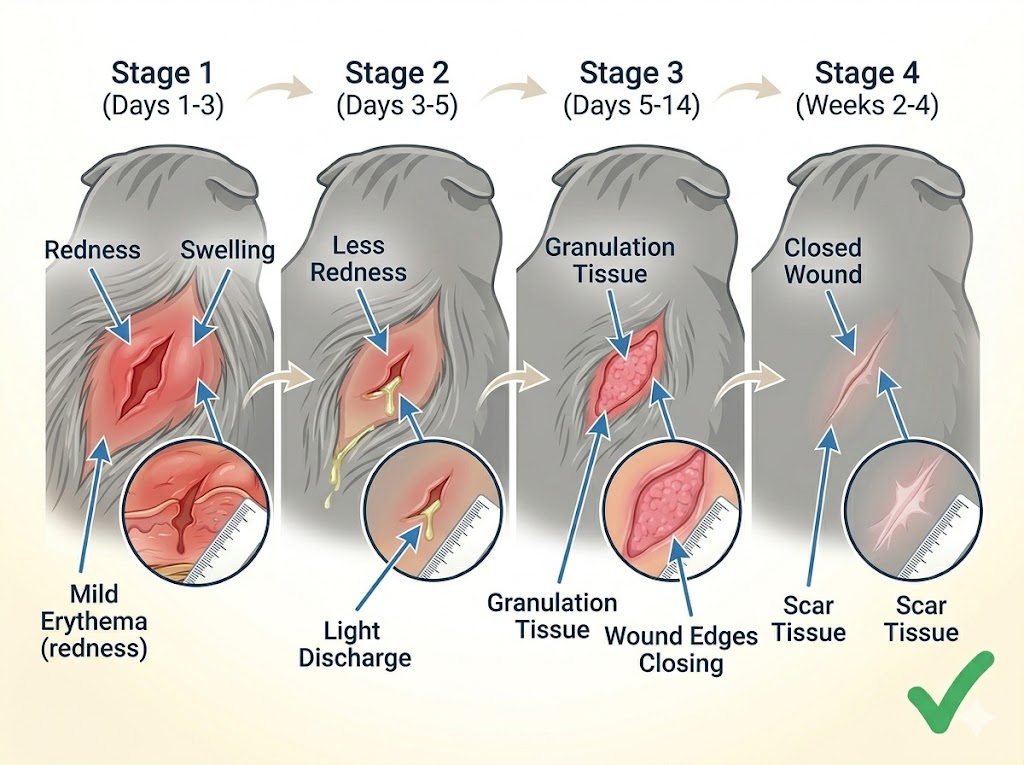
For a typical Level 3 deep cut on a dog paw pad, the vet-led recovery timeline runs 10 to 21 days depending on whether stitches were placed and whether infection set up. The pad will not look fully normal again for 4-8 weeks because pad skin regrows slowly. Recurring cuts on the same pad suggest pad-wall hyperkeratosis or breed-specific predisposition — see our hyperkeratosis dog paw identification tool if the same paw keeps getting cut over and over. For the broader veterinary perspective on dog paw care, the PetMD paw injury reference walks through severity assessment in more detail. Chronic licking after the cut appears to have healed is also worth investigating; see the paw licking causes guide for the 5-cause framework that drives recurring paw irritation.
Frequently Asked Questions
Can I put neosporin on my dog's cut paw pad?
+
Should you walk a dog with a cut paw pad?
+
Is it harmful to a dog if they lick their paw if a pad is cut?
+
My dog cut paw pad has no blood — is it still serious?
+
How long does a dog paw cut on pad take to recover?
+
What does an infected dog paw cut look like?
+
Not sure if the cut needs vet care now? Let AI take a quick look.
Upload a clear close-up of your dog paw — our AI compares the cut against the 4 severity levels (minor, shallow, deep bleeding, ripped flap) and gives you the most likely match in seconds so you know whether to head to the vet today.
Disclaimer: This article is for informational purposes only and is not a substitute for professional veterinary advice. Always consult a licensed veterinarian for diagnosis and treatment of your pet's health conditions.