My Dog Has a Rash: How to Identify Common Skin Problems
Found a rash on your dog? Identify 7 common types (hot spots, mange, ringworm, flea allergy), what a belly/inner-thigh rash means, home remedies that actually help, and when to see a vet.
Published 2026-04-14 · Updated 2026-06-18
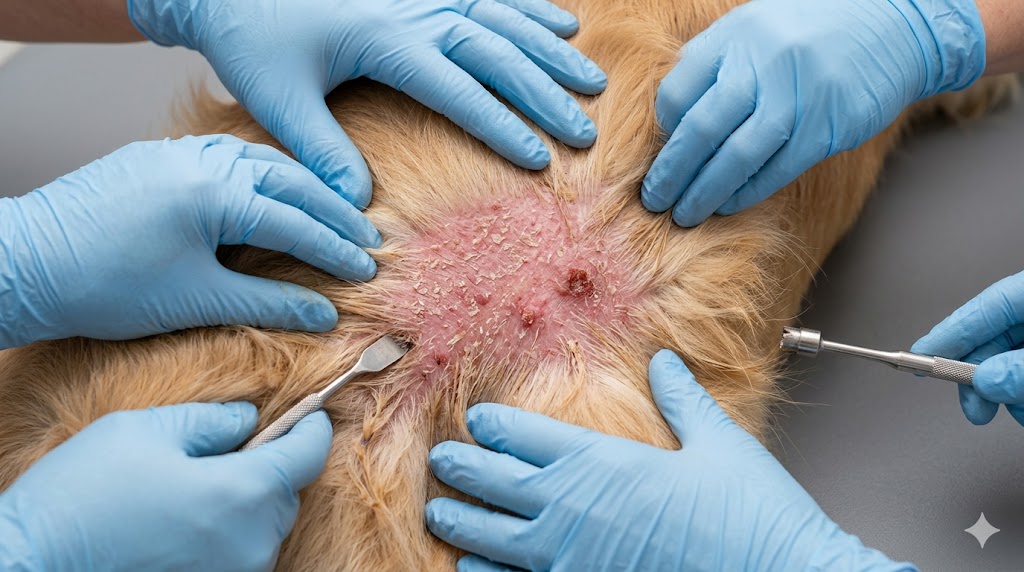
Not Sure What That Rash Is?
Upload a clear photo and get an educational AI pattern analysis. Identify visual signs of skin irritation, hot spots, ringworm, mange, and more. Not a veterinary diagnosis.
"My dog has a rash" is one of the most common pet health concerns — and for good reason. Skin problems are the #1 reason dogs visit the vet. The tricky part is that many dog skin conditions look similar at first glance, but they have very different causes and treatments. This guide covers the 7 most common rash types, what a belly or inner-thigh rash typically means, home remedies that actually help, and the red flags that mean it's time to call the vet.
This article is for general educational purposes only and is not a substitute for veterinary diagnosis. A rash with hives, facial swelling, or breathing difficulty is a same-day vet emergency — do not wait.
Found a rash and not sure what it is? Upload a clear photo for AI pattern analysis.
Start Skin AnalysisWhat Does a Dog Skin Infection Look Like?
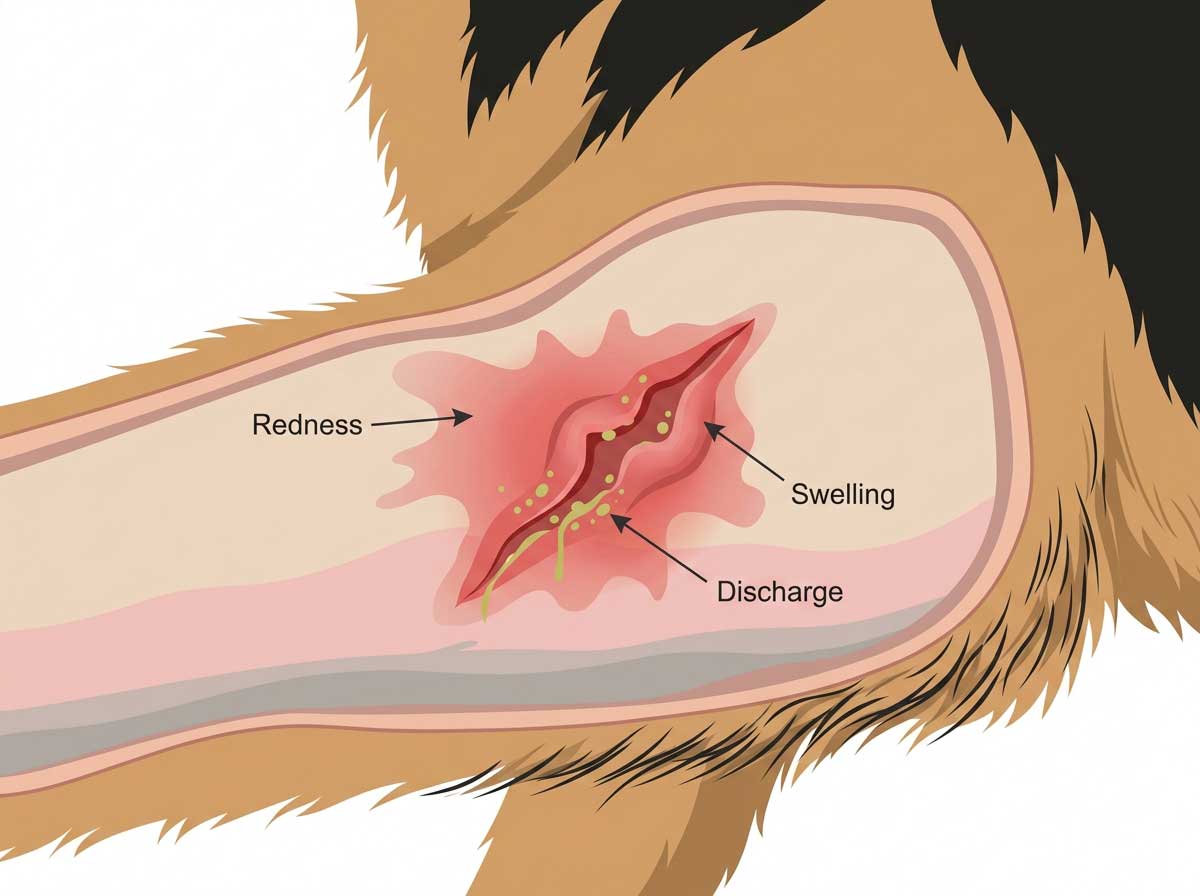
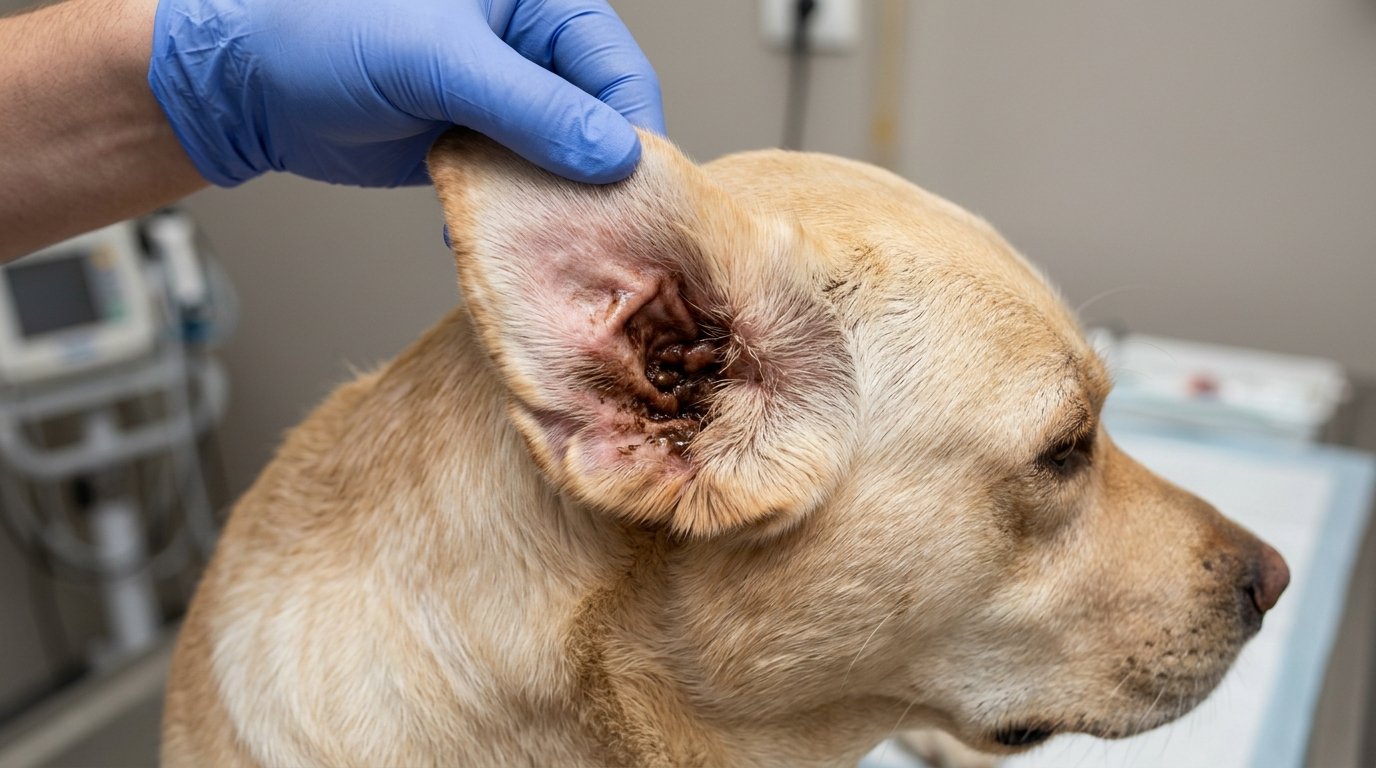
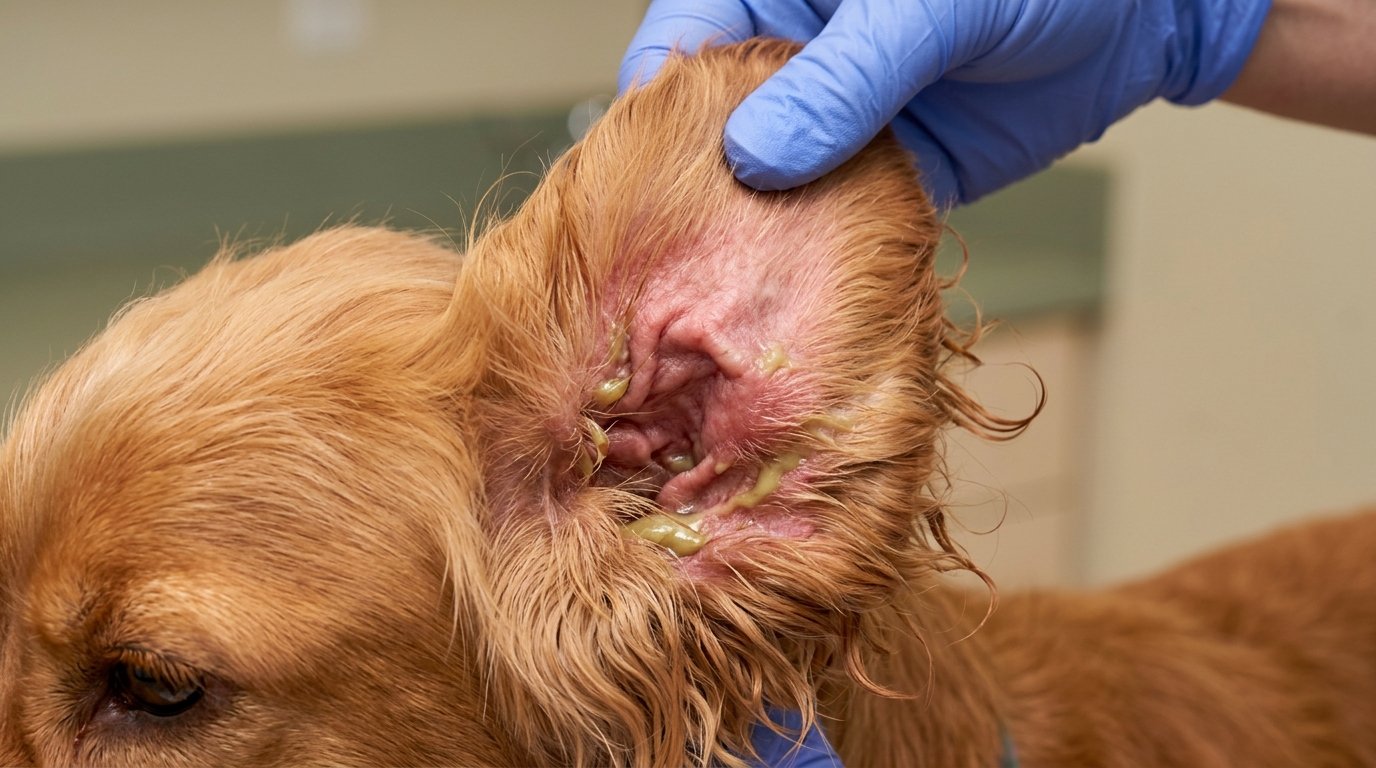
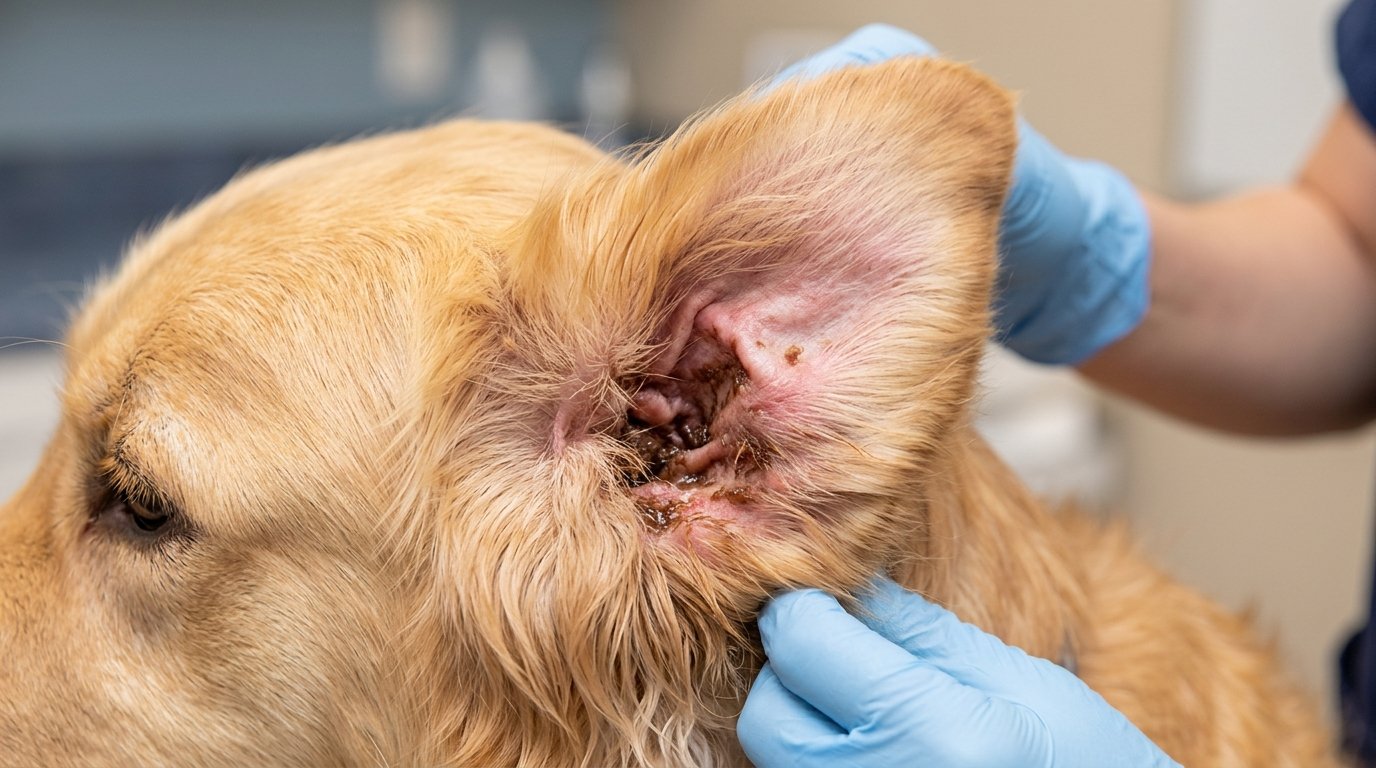
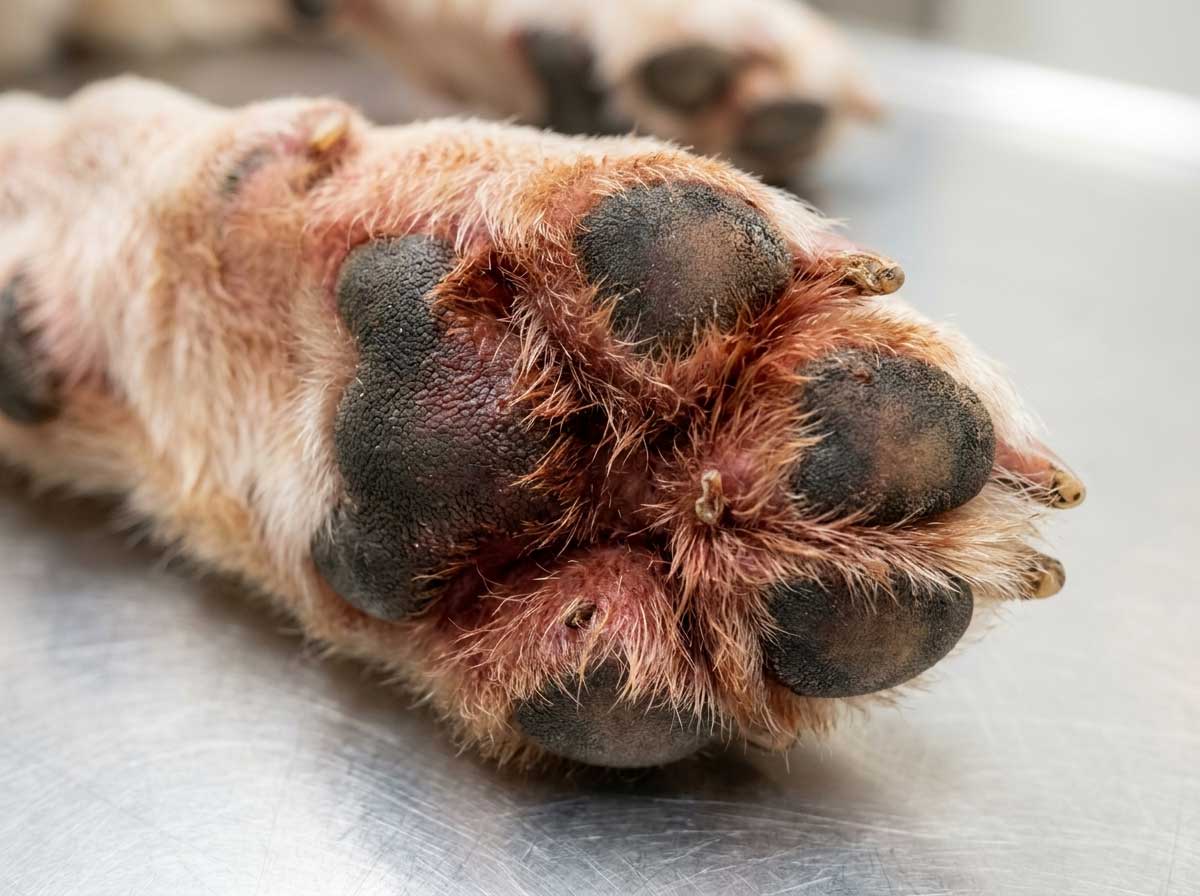
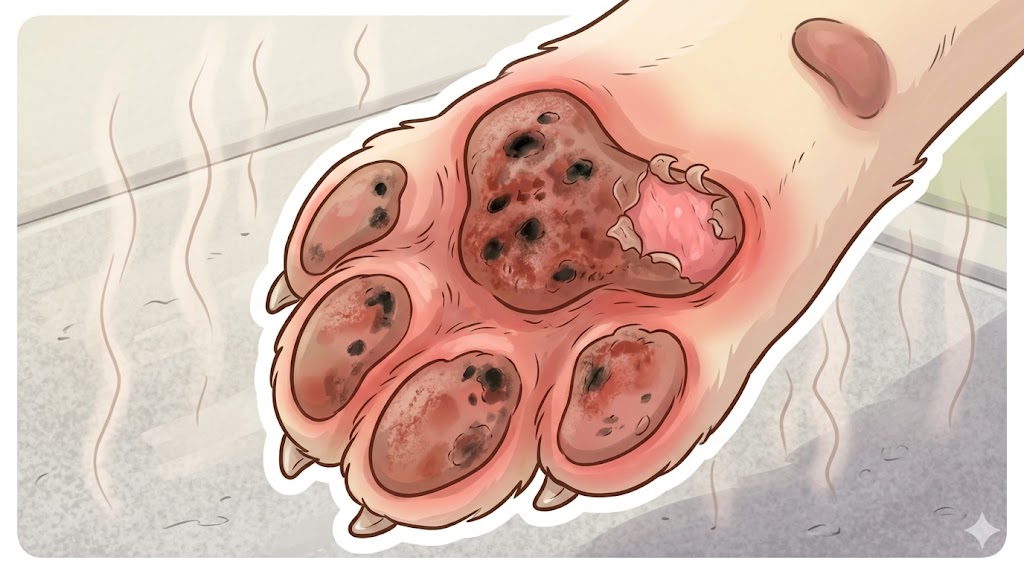
If you're wondering how to tell if your dog has a skin infection, look for these general signs:
- ✓Redness or pinkness on the skin
- ✓Raised bumps, pimples, or blisters
- ✓Flaky, scaly, or crusty patches
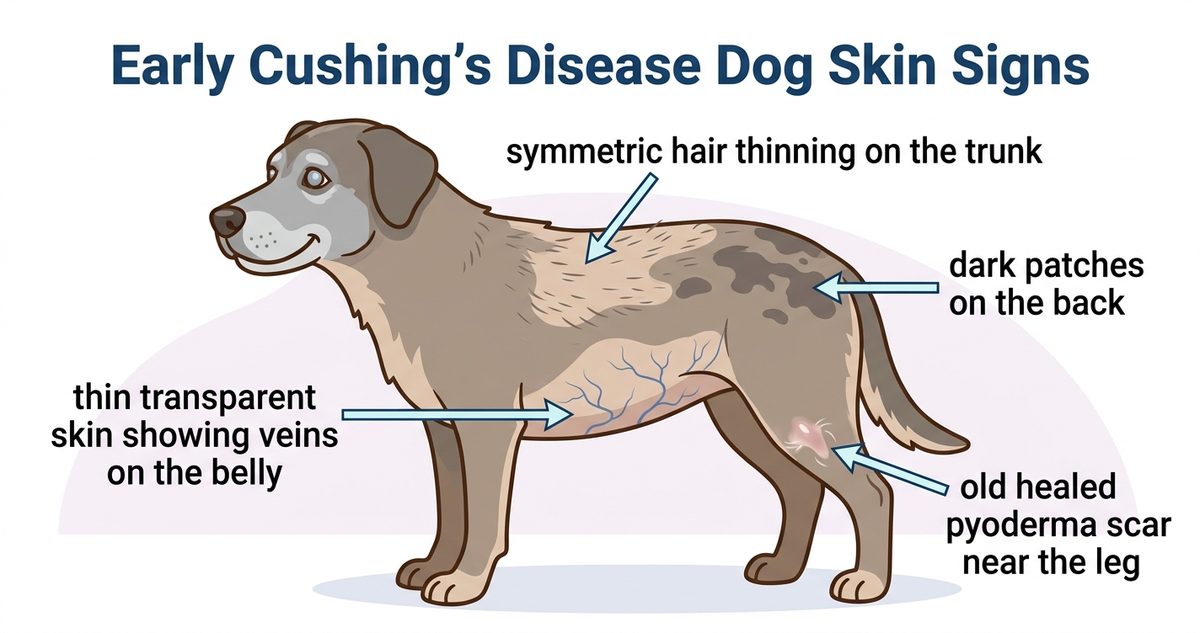
- ✓Hair loss in the affected area
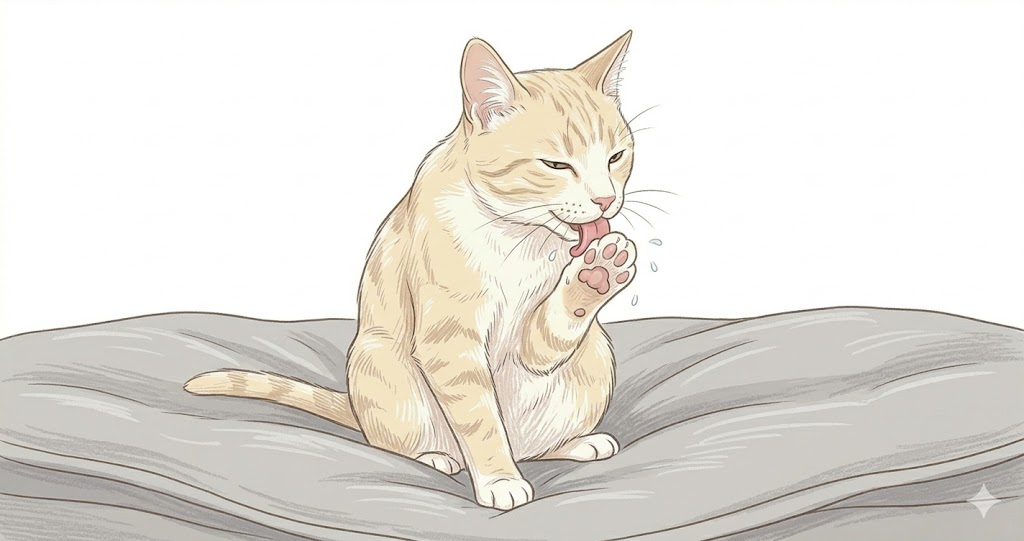
- ✓Excessive scratching, licking, or chewing
- ✓Oozing, wet, or sticky skin
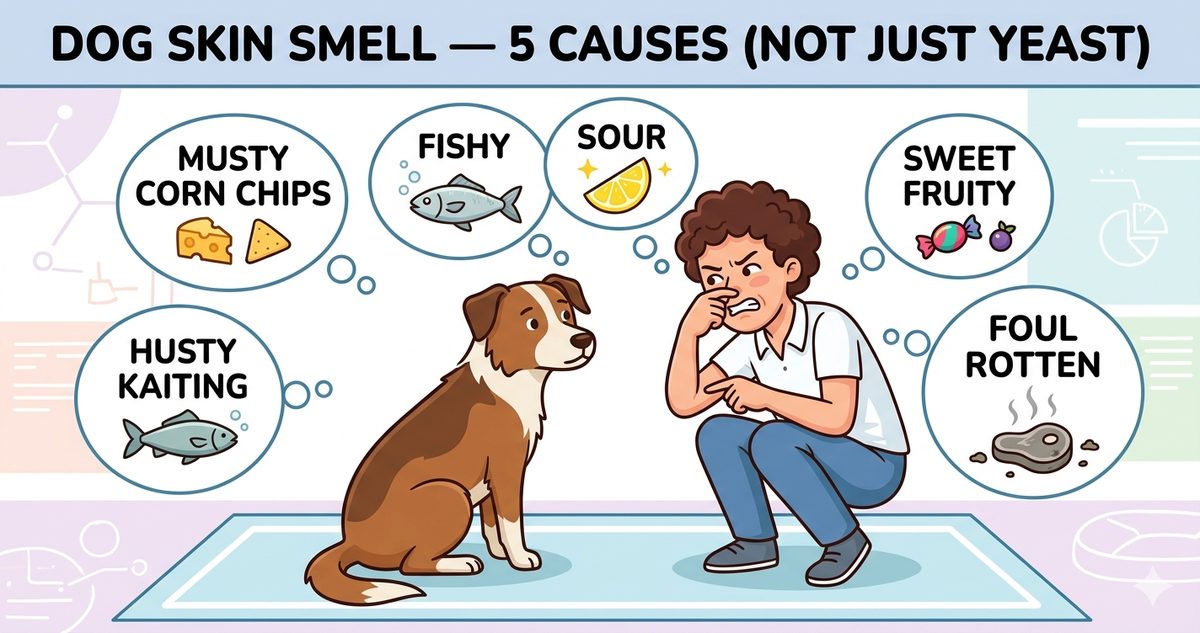
- ✓Bad smell from the skin
- ✓Thickened or darkened skin (in chronic cases)
These symptoms can point to several different conditions. Let's go through the most common ones so you can narrow it down.
Skin Irritation (The Most Common Rash)
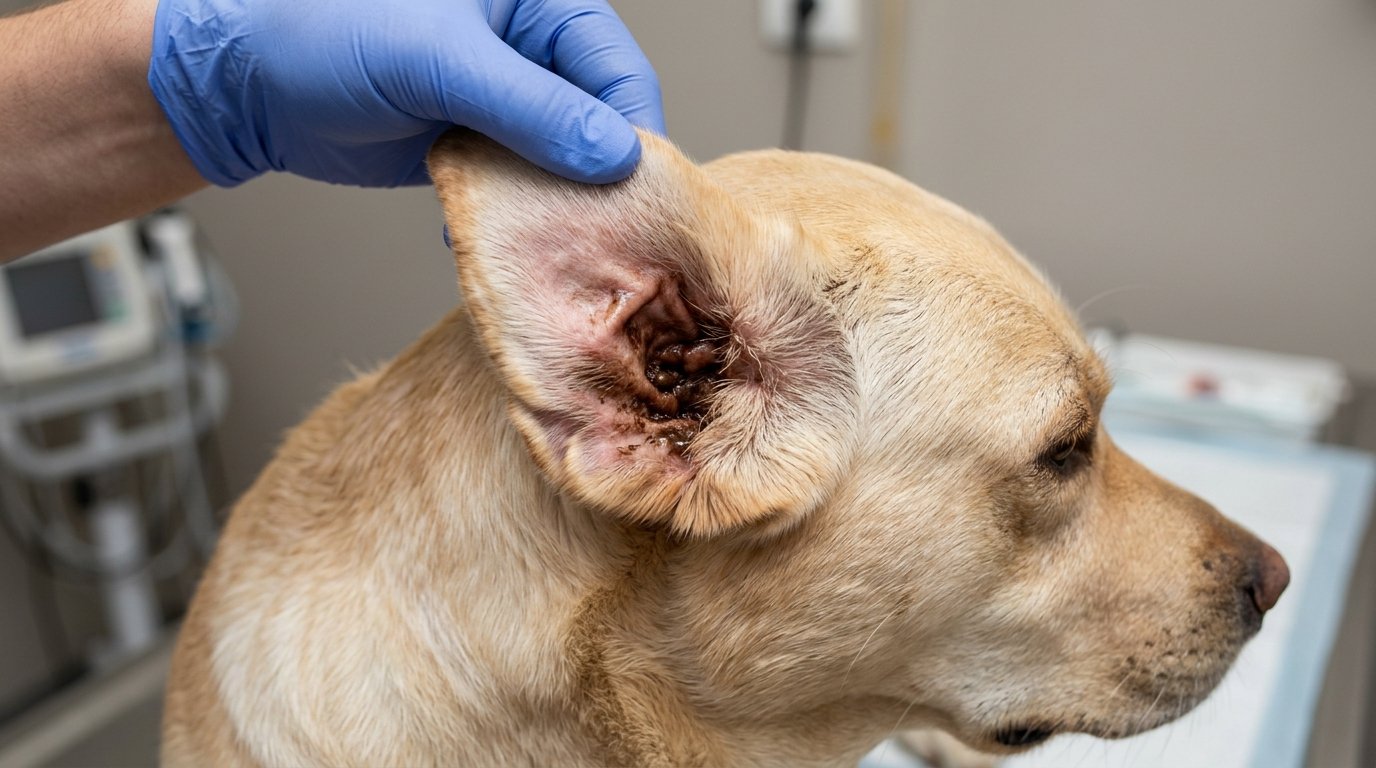
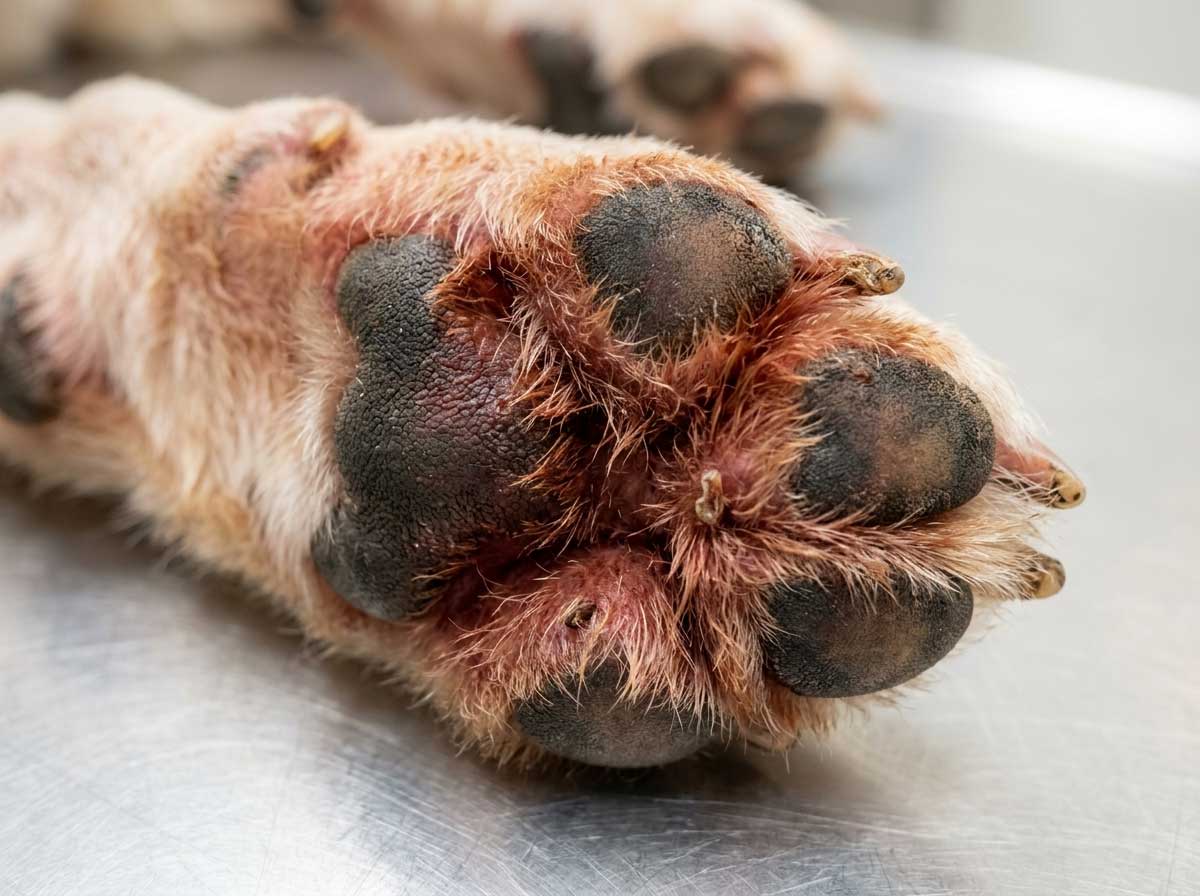
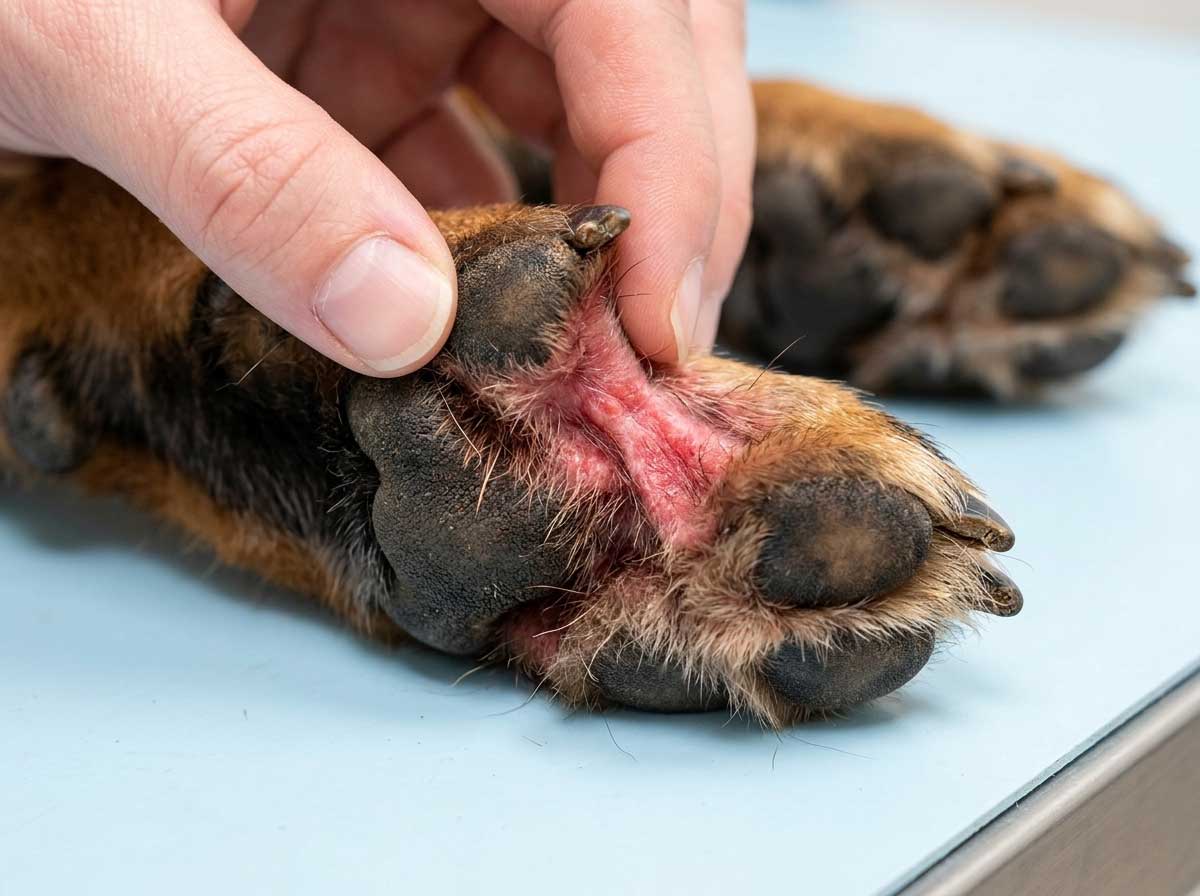
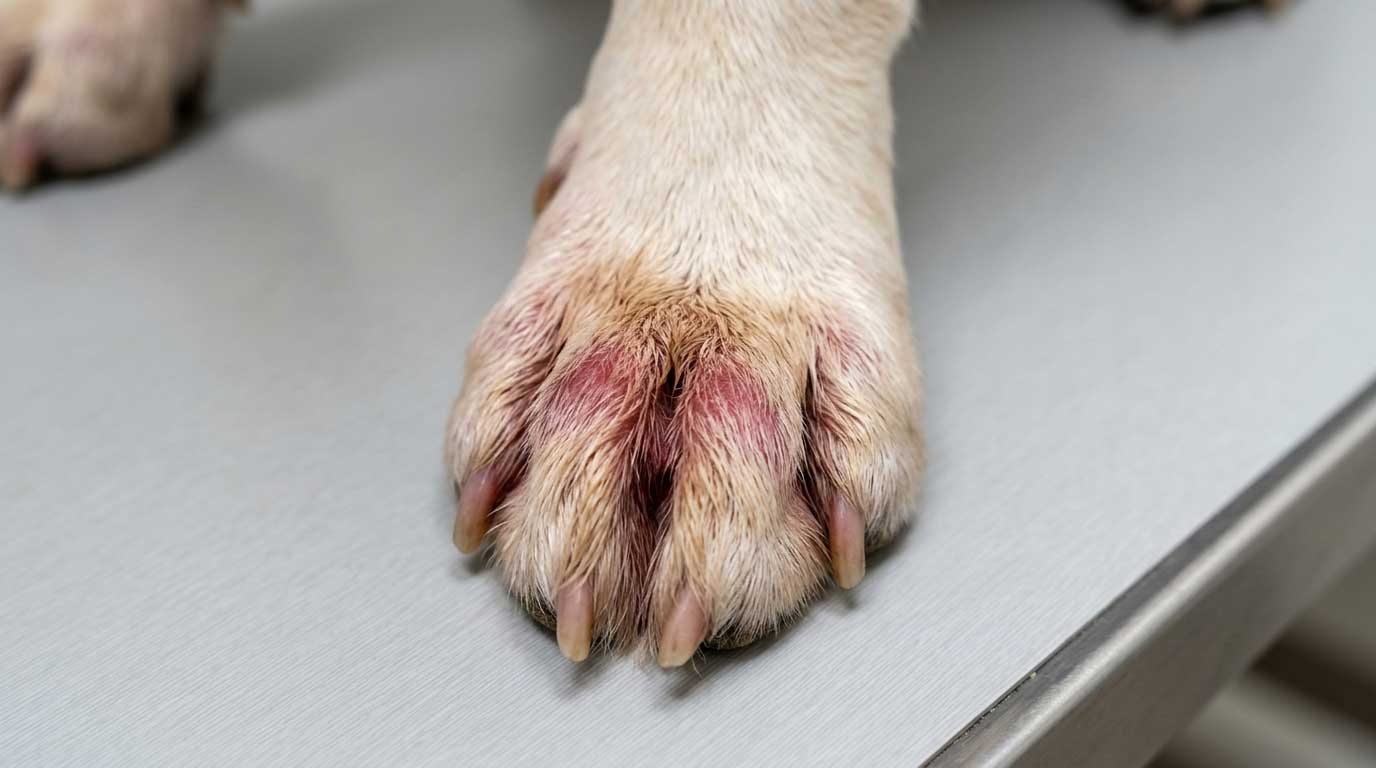
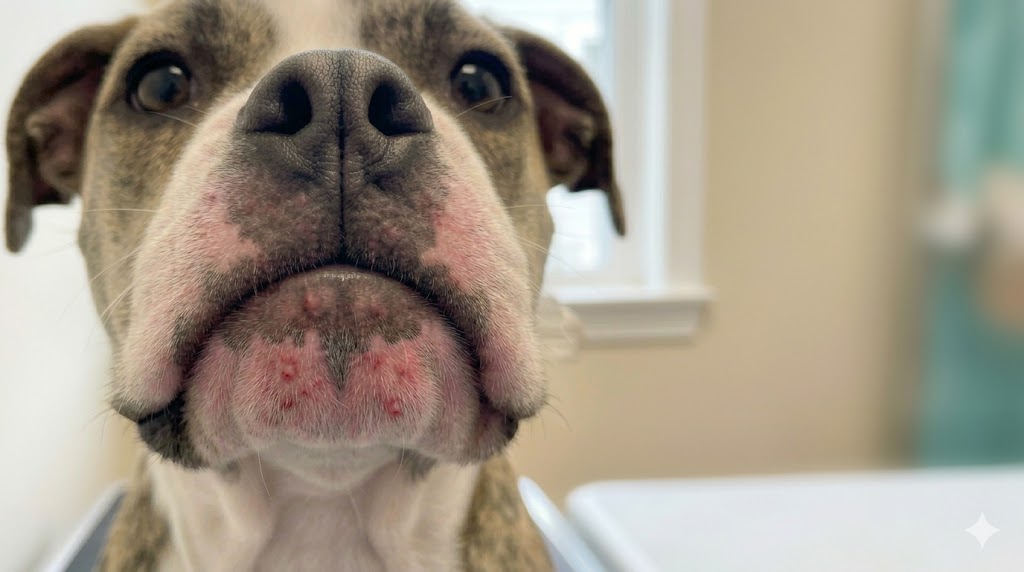
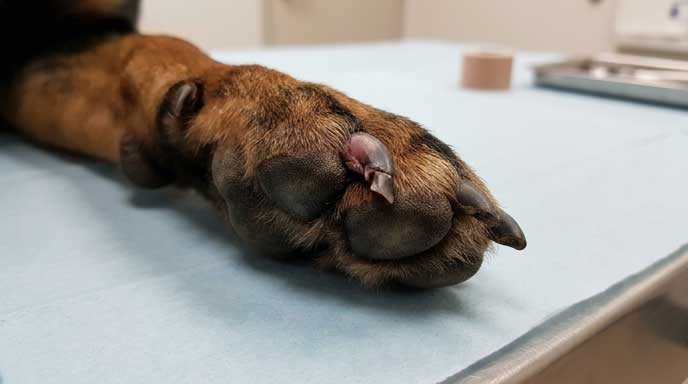
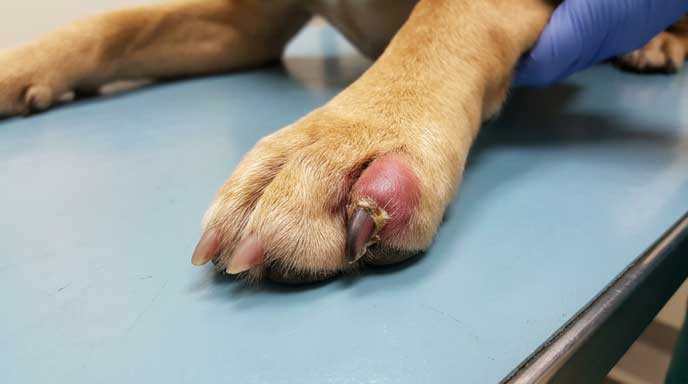
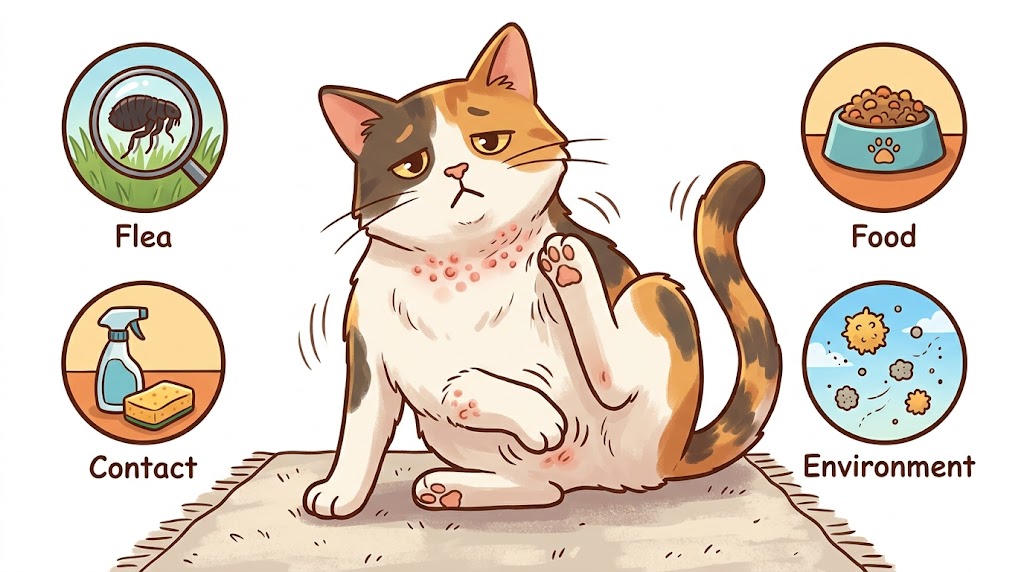
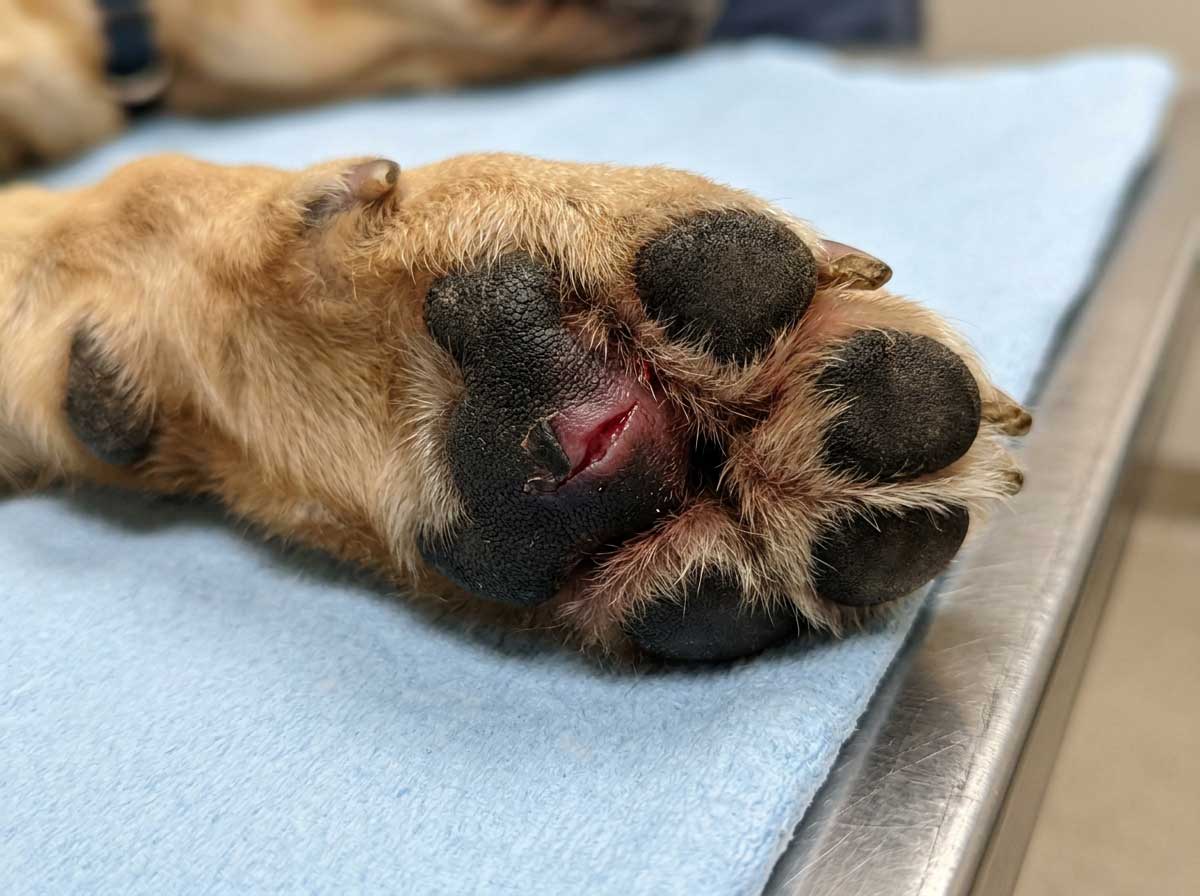
What does dog skin irritation look like? Red, inflamed, itchy skin that may be flaky or scaly. It's the most common dog skin concerns and the usual answer to "my dog has a rash." Skin Irritation can be caused by allergies (food, pollen, dust mites), contact irritants (cleaning products, certain fabrics), or flea bites. Your dog will scratch the area constantly, and you may notice hair thinning. Dog allergy symptoms like itchy skin, ear infections, and paw licking often go hand in hand with skin irritation.
Hot Spots
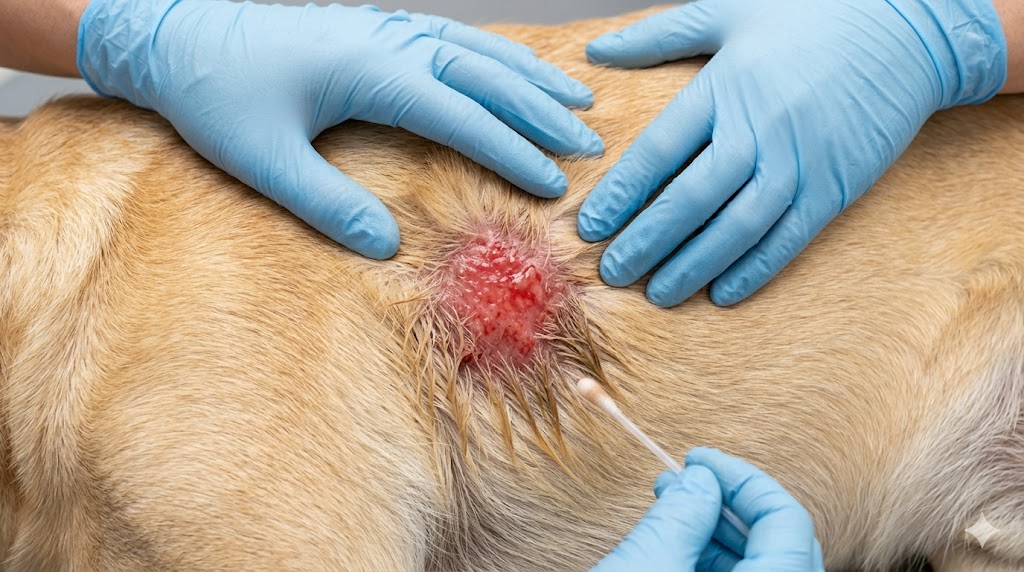
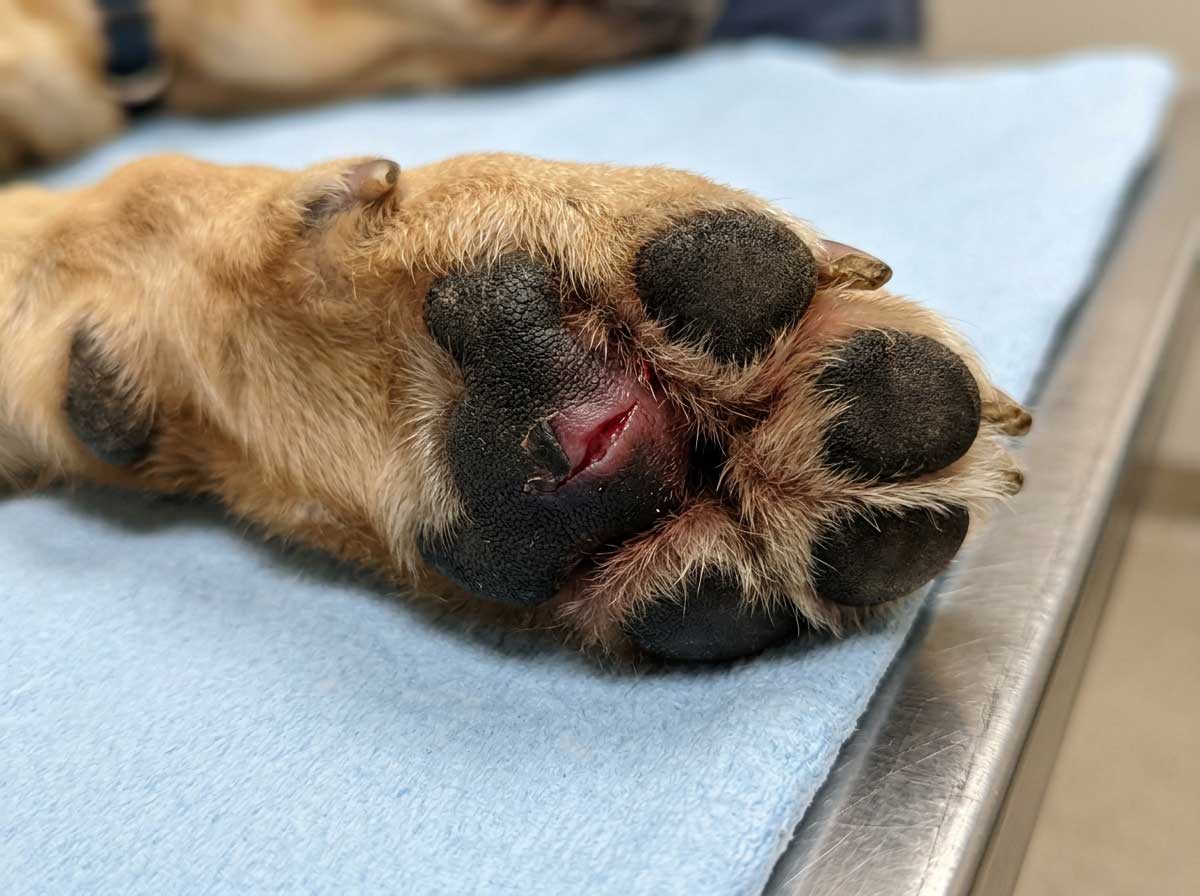
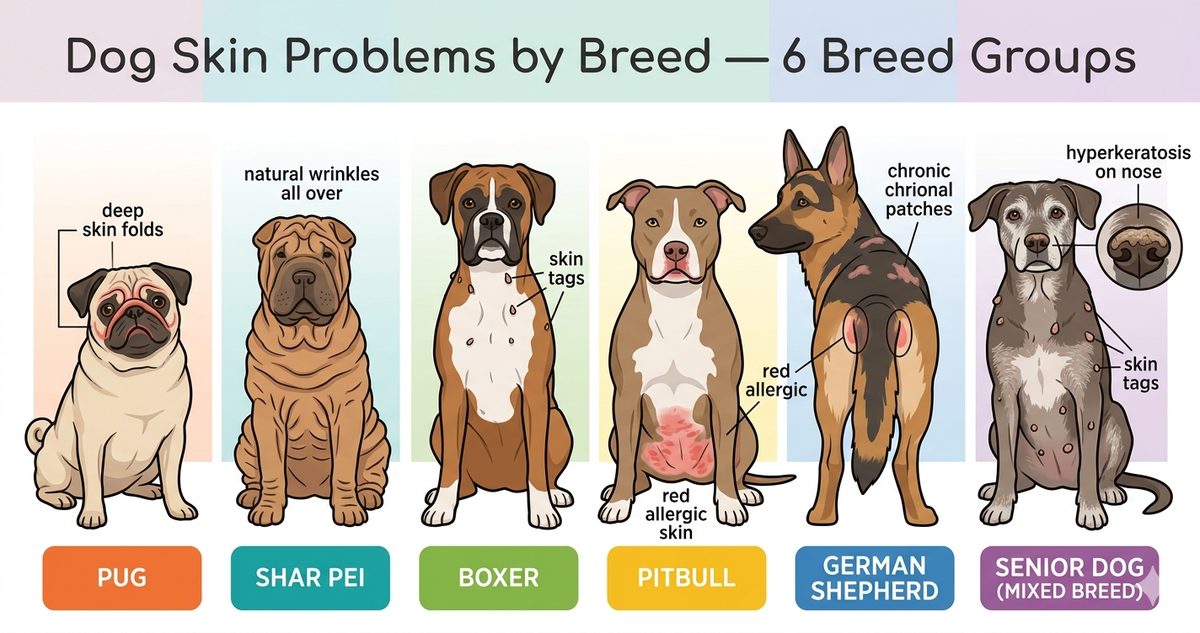
If the rash appeared suddenly and looks red, moist, and oozing, it's probably a hot spot. Hot spots spread incredibly fast — they can double in size within hours. Your dog will lick or scratch the area obsessively. Golden Retrievers, Labradors, and German Shepherds are especially prone, particularly in warm, humid weather.
Ringworm
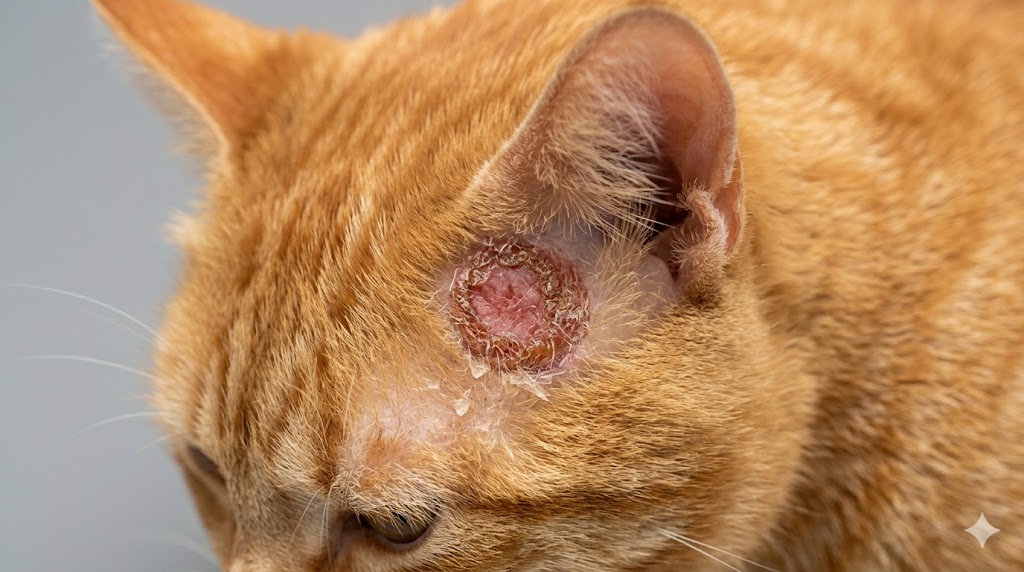
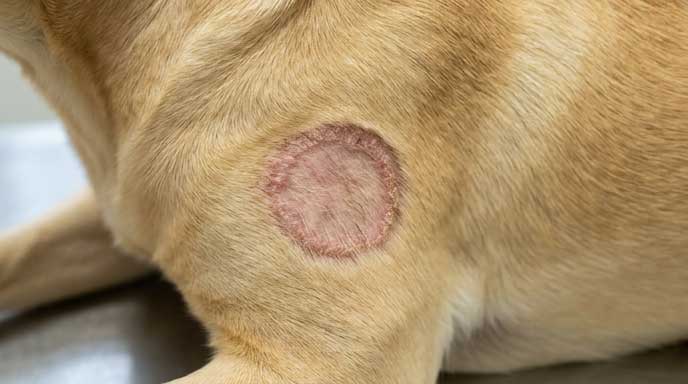
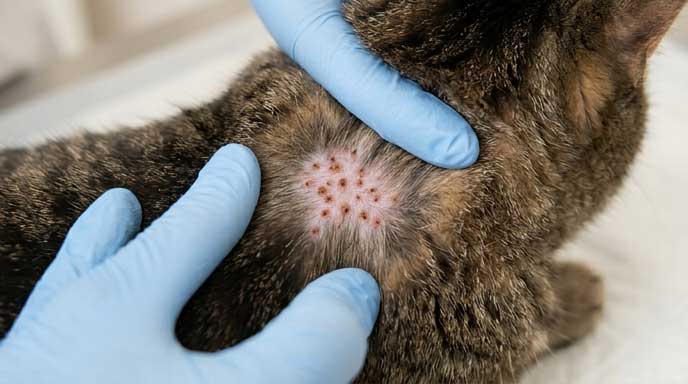
Don't let the name fool you — ringworm is a fungal infection, not a worm. It creates distinctive circular patches of hair loss with crusty, raised edges. It's highly contagious to other pets and to humans. If you see round bald patches on your dog (or cat), get it checked quickly. Kittens and puppies are most susceptible.
Mange
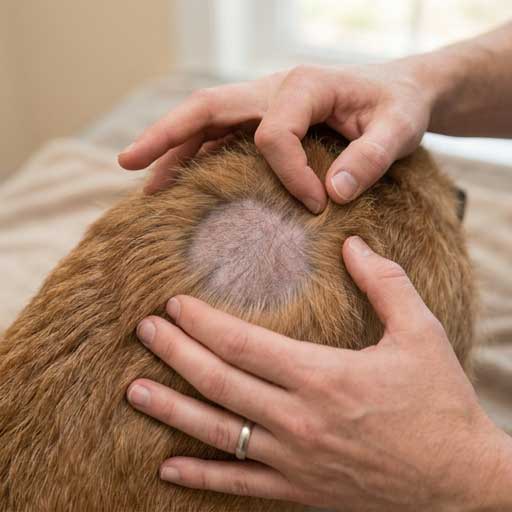
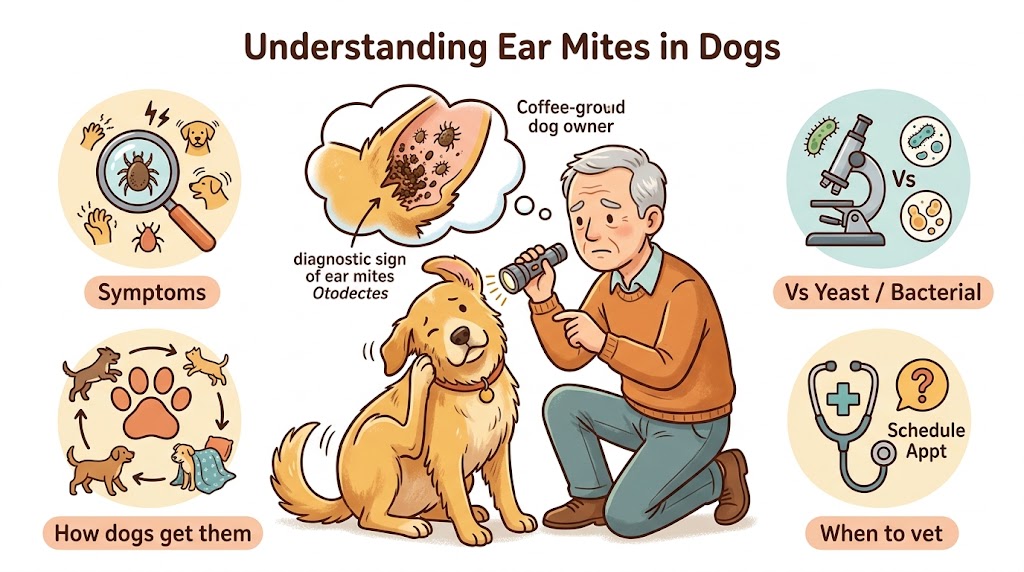
Mange is caused by mites burrowing into the skin. There are two types: scabies mange causes intense, relentless itching and crusty skin, while mites-related mange causes patchy hair loss (usually starting on the face) with less itching. scabies mange is contagious to other animals and humans, while mites-related mange is not. If your dog is losing fur in patches and scratching non-stop, mange is a strong possibility.
Flea Allergy Skin Reaction
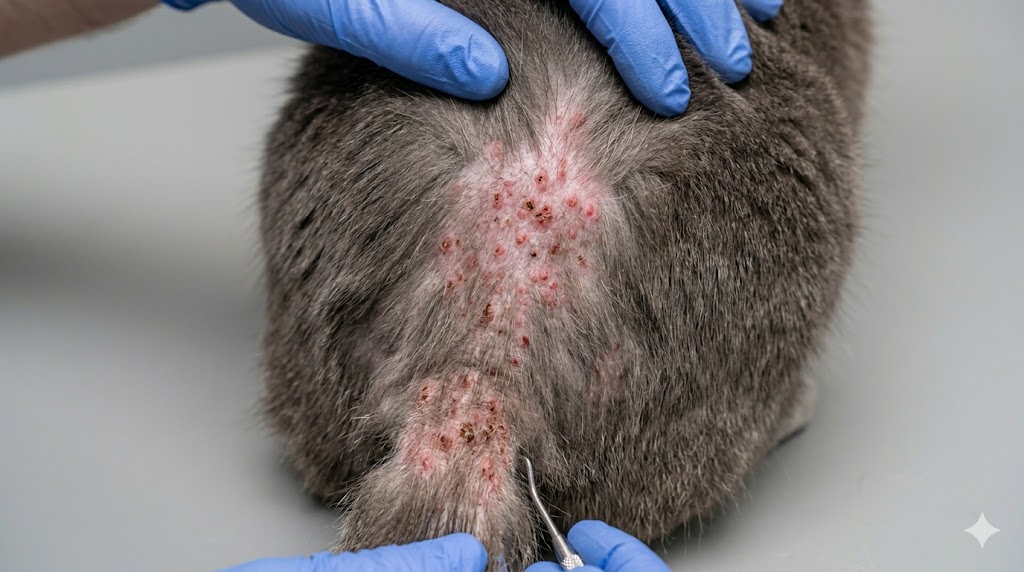
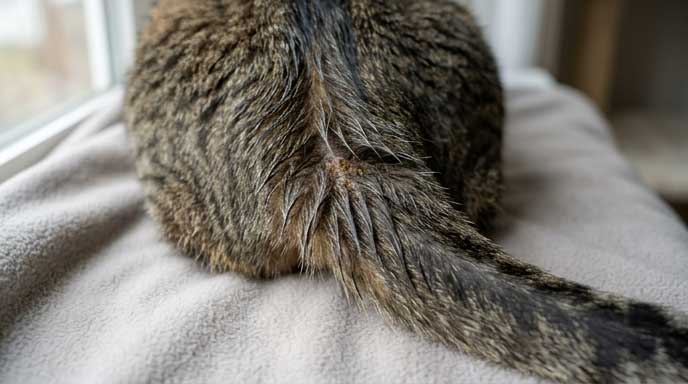
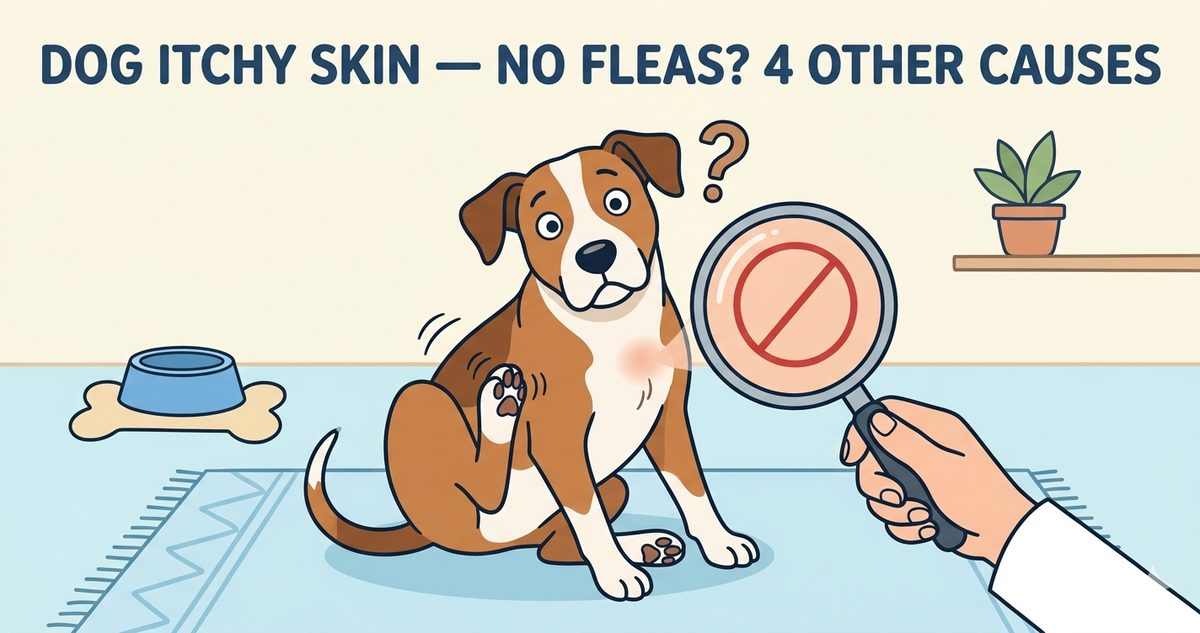
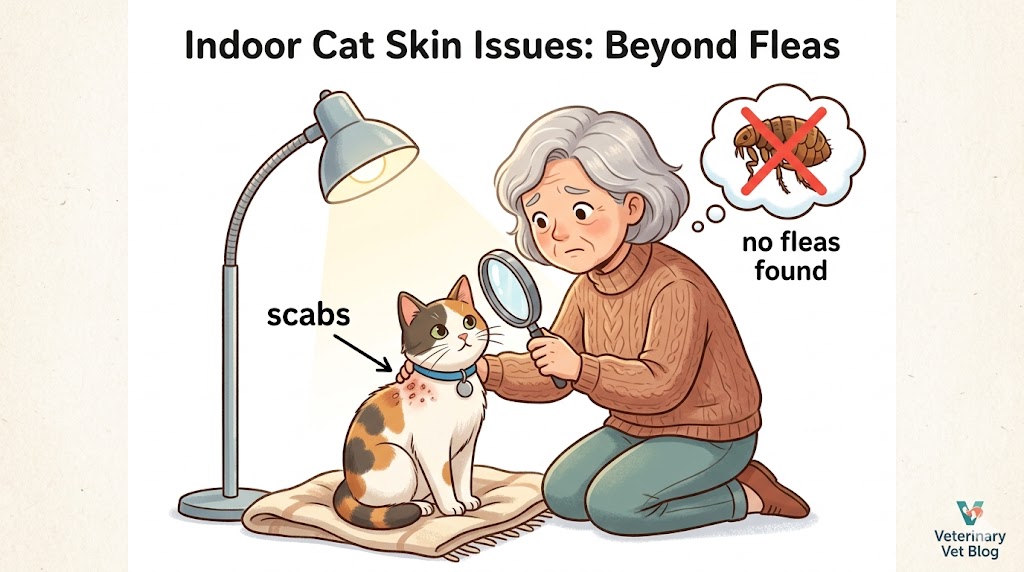
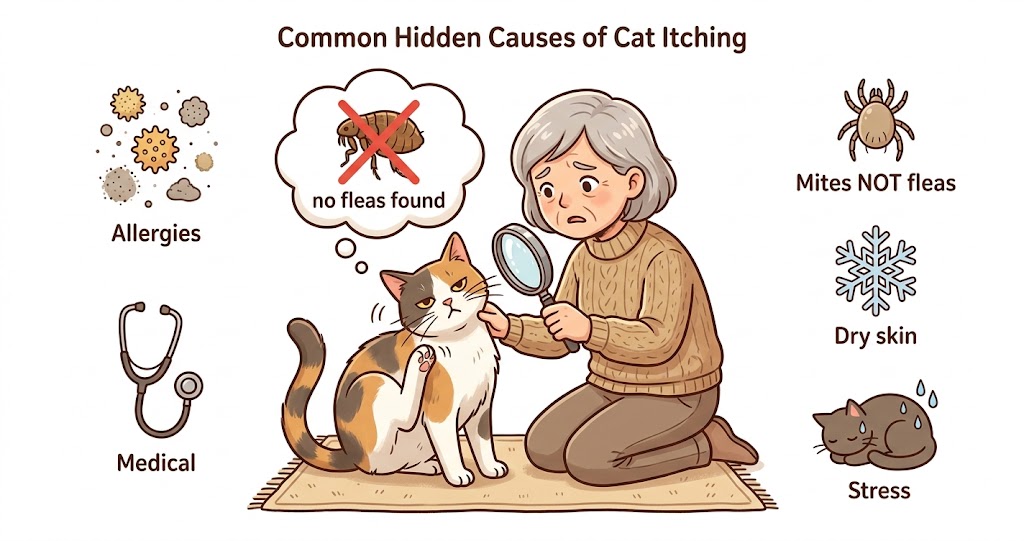
Even if you can't find a single flea on your dog, flea allergy skin reaction could be the cause of the rash. Some dogs are so allergic to flea saliva that a single bite triggers an intense reaction — itching, redness, and hair loss, especially around the tail base, belly, and inner thighs. It's one of the top dog allergy symptoms and a very common reason for "my dog has a rash" vet visits.
bacterial skin infection (Bacterial Skin Infection)

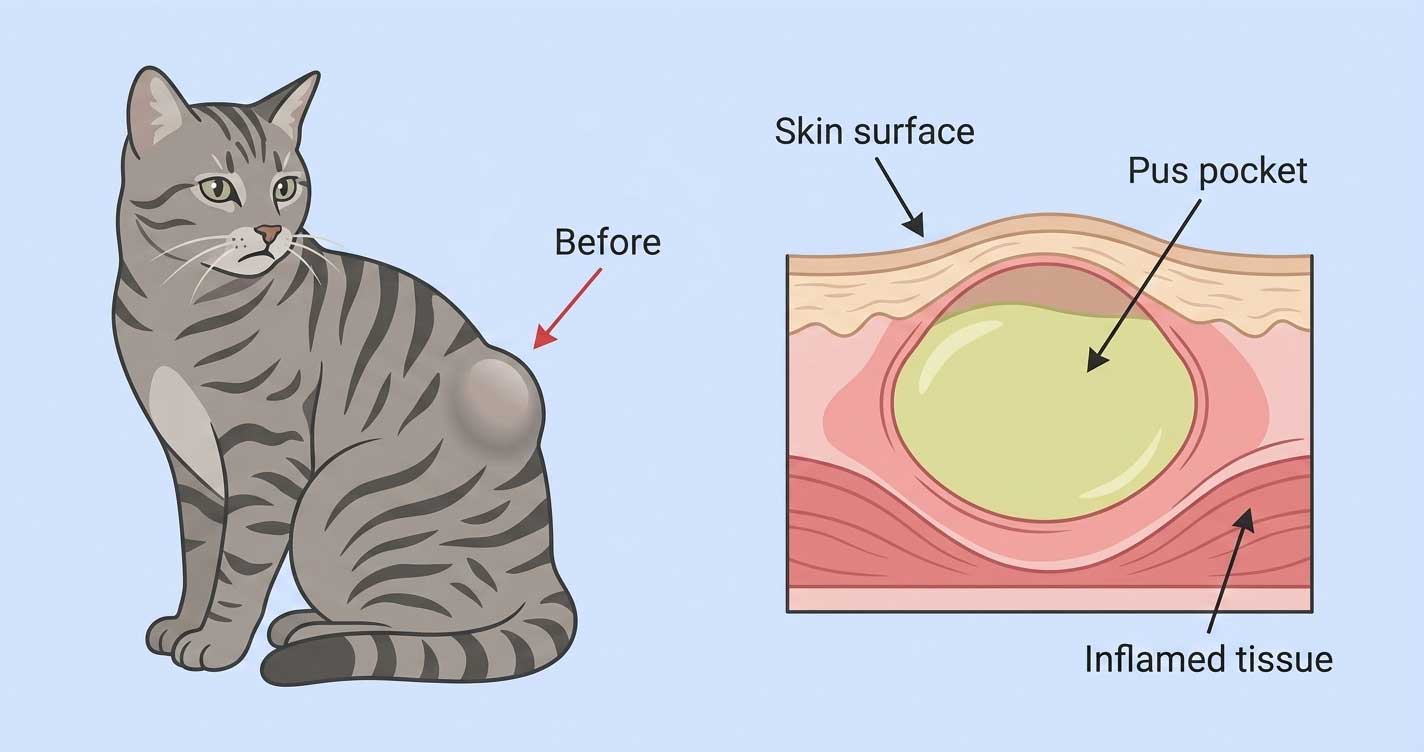
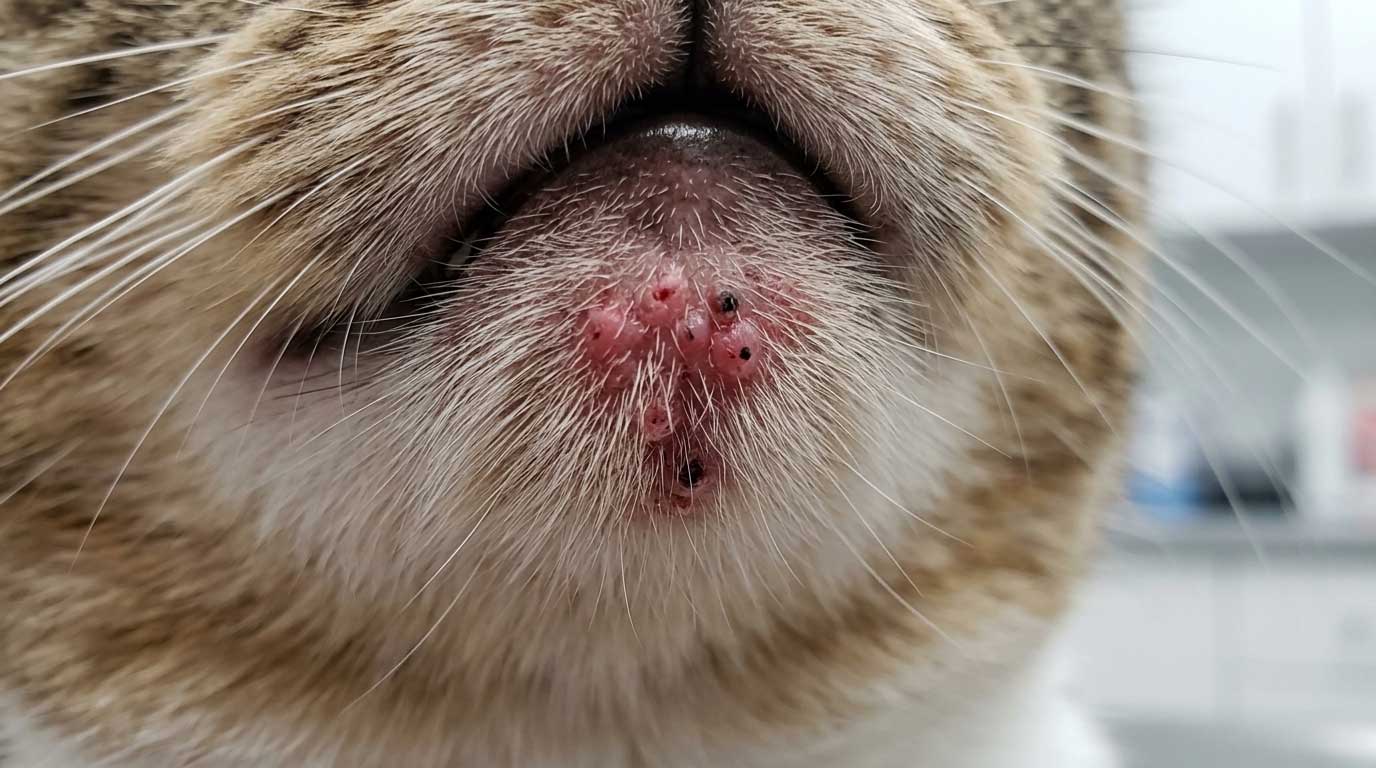
bacterial skin infection is a bacterial dog skin infection that shows up as small red bumps, pus-filled pimples, or circular crusts. It usually develops as a secondary infection — meaning something else (allergies, a wound, mange) weakened the skin's defenses first. The area may smell bad. bacterial skin infection is treatable with vet-prescribed medication, but identifying the underlying cause is key to preventing it from coming back.
How to Identify the Rash at Home
While only a vet can give a definitive diagnosis, here are some clues:
- ✓Circular bald patches with crusty edges → likely ringworm
- ✓Red, moist, oozing patch that appeared overnight → likely hot spot
- ✓Red, itchy, flaky skin all over → likely skin irritation or allergies
- ✓Intense scratching + hair loss on face → likely mites-related mange
- ✓Itching focused on tail base and belly → likely flea allergy
- ✓Small pus-filled bumps with bad smell → likely bacterial skin infection
- ✓Patchy hair loss + crusty skin + won't stop scratching → likely scabies mange
Still not sure? Upload a photo to our AI skin concerns photo analysis tool. It can analyze the visual signs and help identify the condition — it works as a dog skin condition identifier that gives you useful information before your vet visit.
Compare your dog's rash to common patterns with AI visual analysis.
Start Skin AnalysisMy Dog Has a Rash on His Belly and Inner Thighs — What Does It Mean?
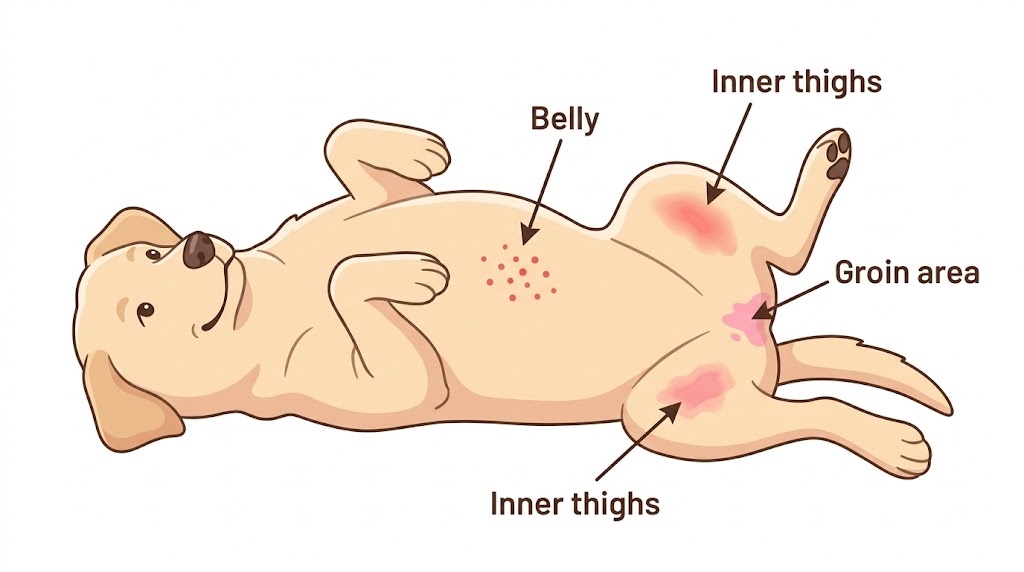
A rash on the belly, inner thighs, or groin is the single most common location-specific pattern owners report. There are three reasons these areas get hit hardest:
- ✓Thin skin and less hair → less protection from grass, pollen, mud, and chemicals on lawns
- ✓Direct contact with the ground when your dog lies down → contact allergens and flea exposure
- ✓Warm and humid → ideal environment for bacteria and yeast to multiply, especially in summer
The most likely causes for a belly/inner-thigh rash, in order of frequency:
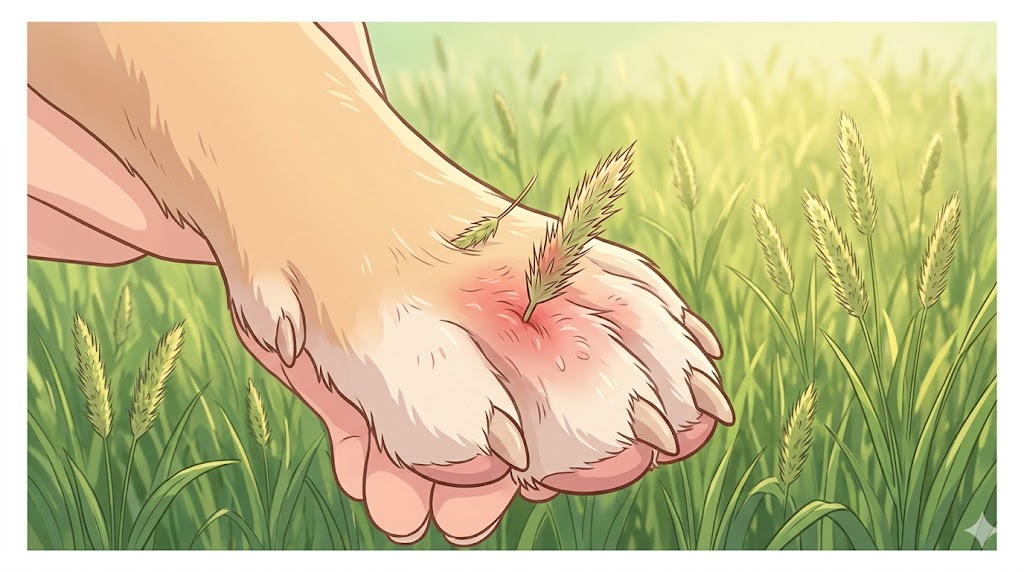
- ✓Contact allergy — small red dots or patches that appear within hours of rolling in grass or contact with a new cleaner/detergent
- ✓Flea allergy dermatitis — itching focused on tail base, belly, and inner thighs (even without visible fleas)
- ✓Environmental allergy (atopy) — recurring belly rash that flares seasonally with pollen, dust mites, or mold
- ✓Bacterial infection (pyoderma) — small pus-filled bumps that can develop a bad smell, often secondary to scratching
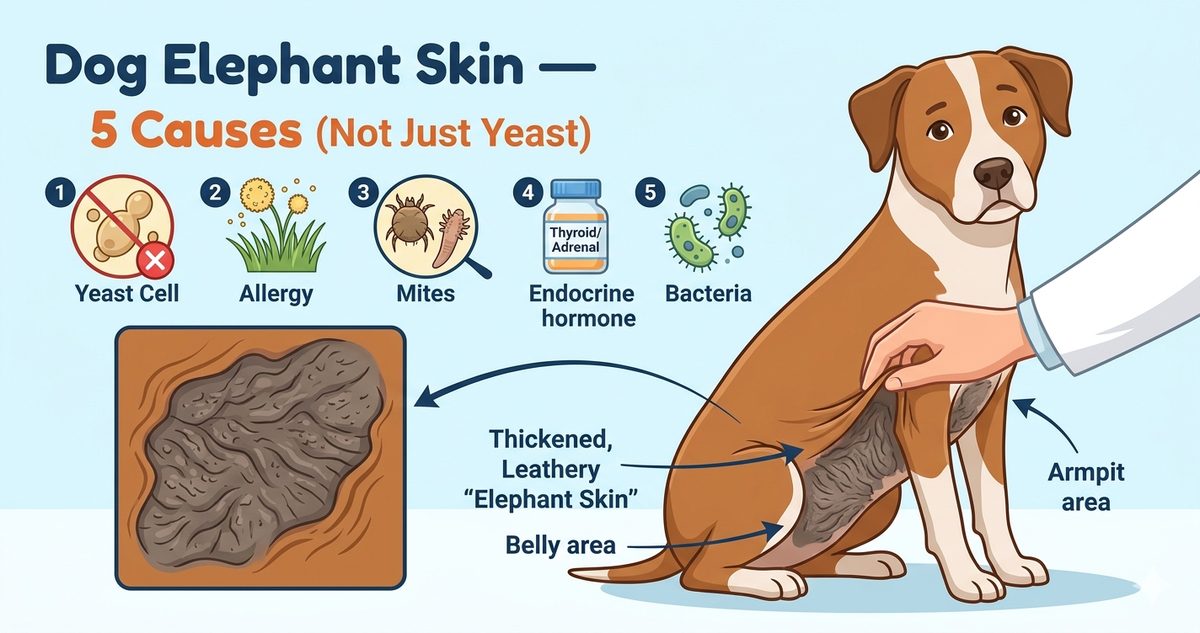
- ✓Yeast infection — greasy, red, smelly skin in skin folds (groin, armpits)
- ✓Heat rash — small red bumps that appear on hot, humid days, usually resolves with cooling
If your dog's belly rash appeared within 24 hours and they're not in pain, contact allergy is the most likely cause — try the home remedies below. If the rash has been going for over a week, is spreading, or smells bad, you're likely dealing with a secondary infection that needs vet attention.
Dog Rash Home Remedies — What Actually Helps (6 Steps)
For a mild rash on a dog that is otherwise acting normal (eating, drinking, no breathing trouble), these home steps are vet-supported. They work as first-line care while you watch for whether things improve in 3-5 days or get worse and need a vet visit.
1. Stop the licking and scratching first
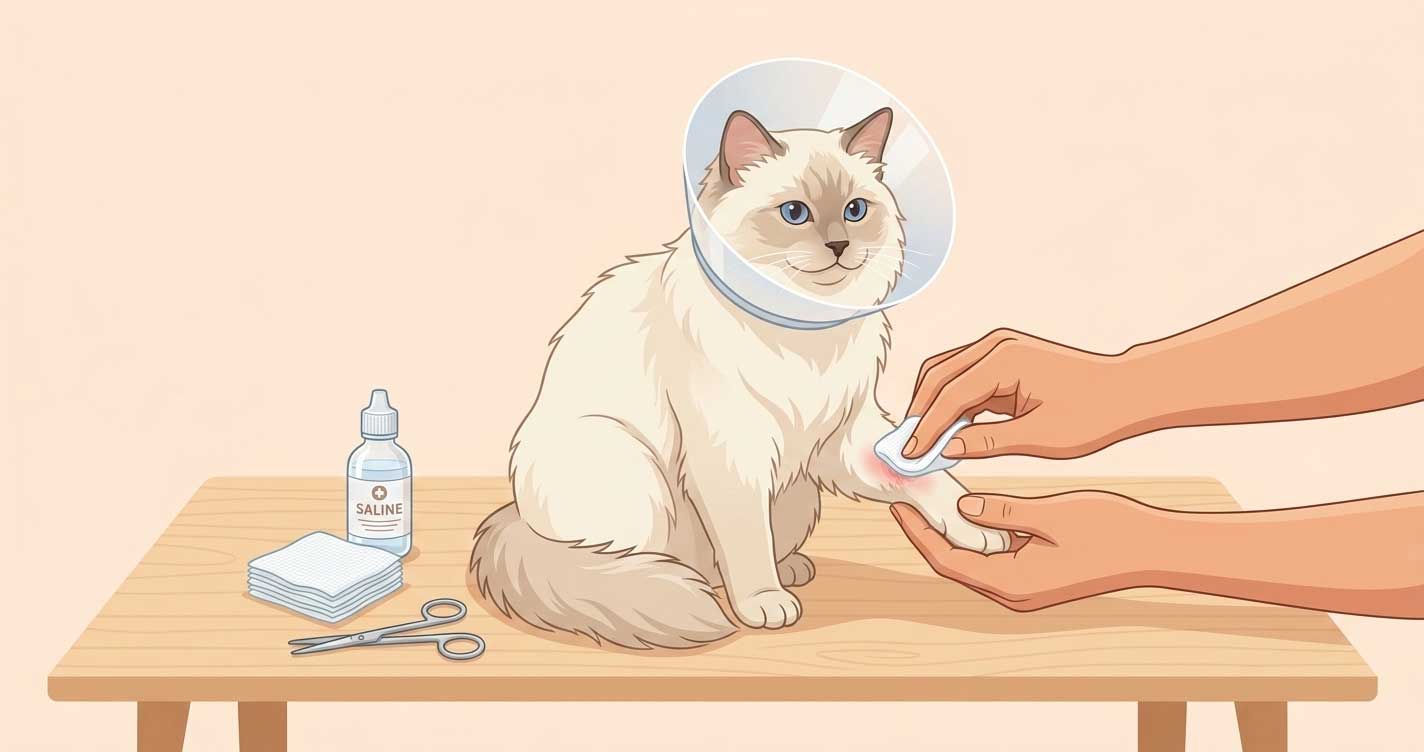
A licked/scratched rash turns into a secondary bacterial infection within 24-48 hours. Put an Elizabethan collar (cone) on your dog right away, or use a recovery suit if the rash is on the belly. This single step does more than any topical treatment.
2. Gently clean the area
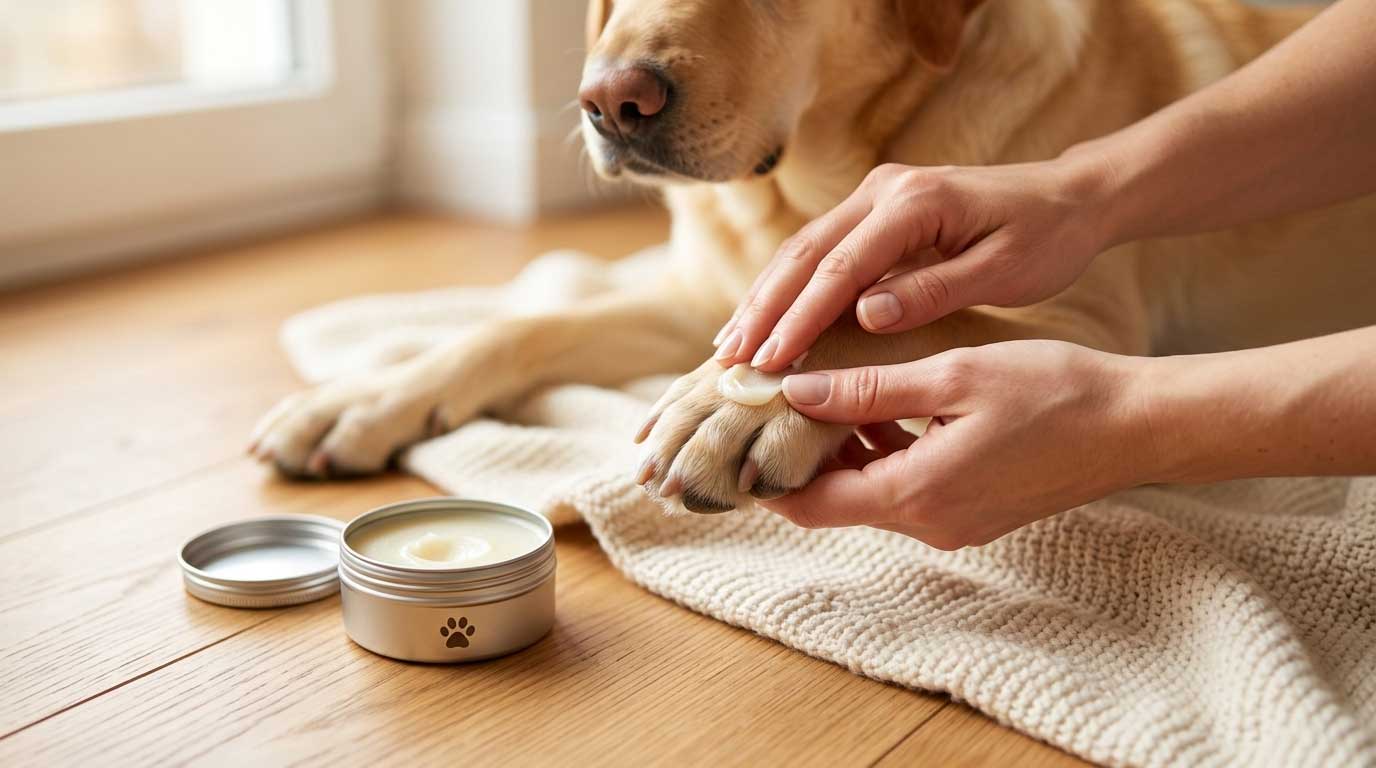
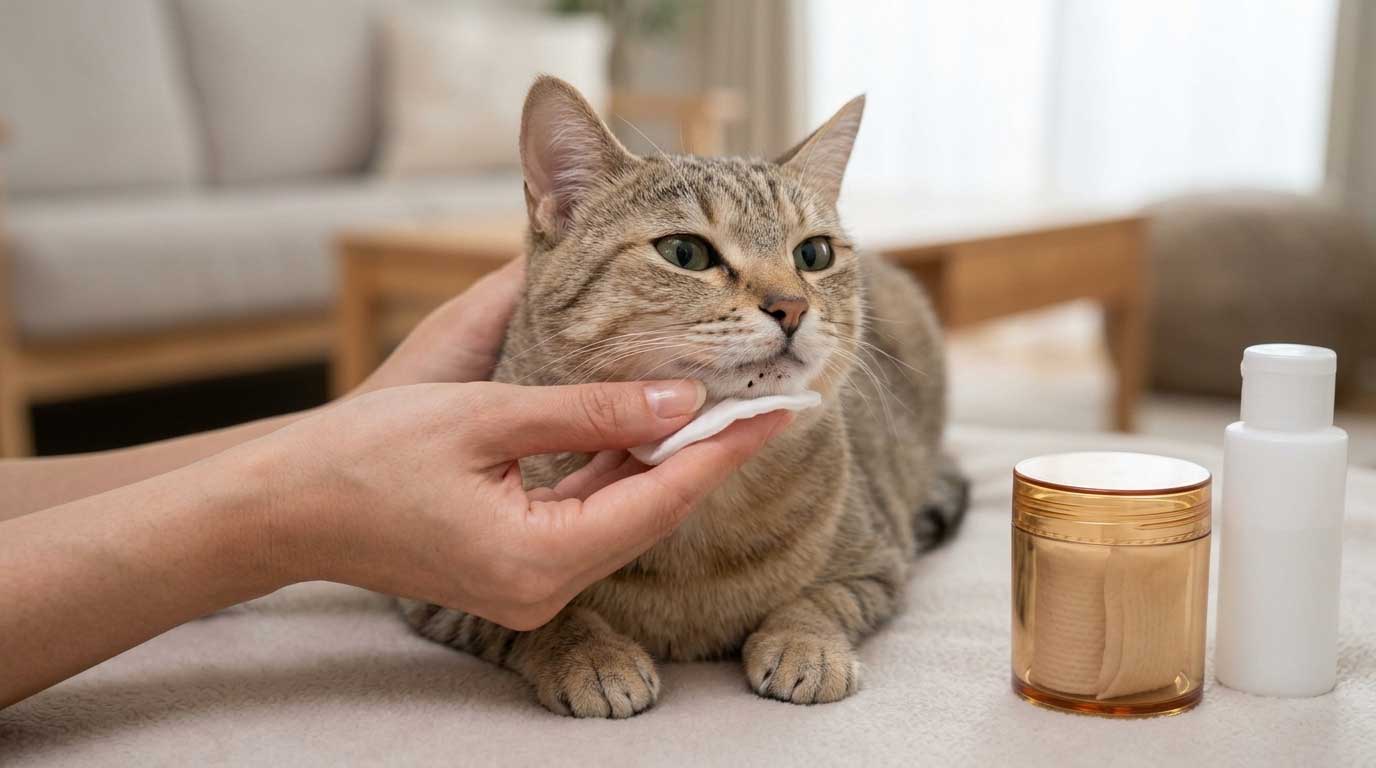
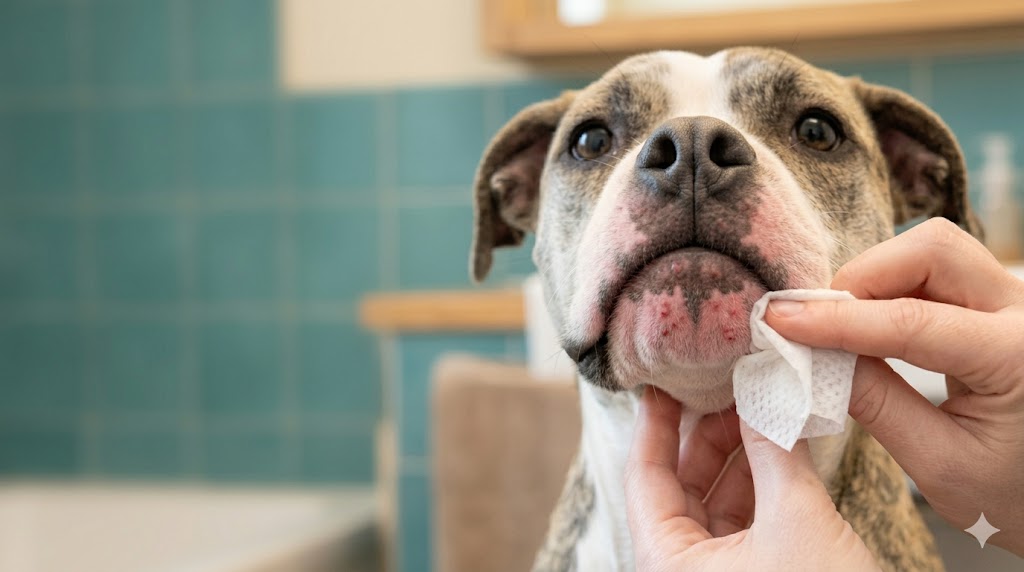
Wipe the rash with lukewarm water and a small amount of mild, fragrance-free, dog-safe cleanser. No human soap, no hydrogen peroxide, no alcohol — these damage healing skin. Pat dry with a soft towel; do not rub.
3. Colloidal oatmeal bath
A 10-minute colloidal oatmeal bath (sold over the counter as dog-safe shampoo) is the single best-supported home remedy for itchy skin. Oatmeal is anti-inflammatory and soothing. Once per day for 3 days, then check progress.
4. Cool compress for hot, inflamed areas
A clean cloth soaked in cool water, held over the rash for 5-10 minutes, reduces inflammation and itching. Useful 2-3 times a day for the first few days. Skip if your dog is uncomfortable with handling.
5. Check for fleas — even if you don't see any
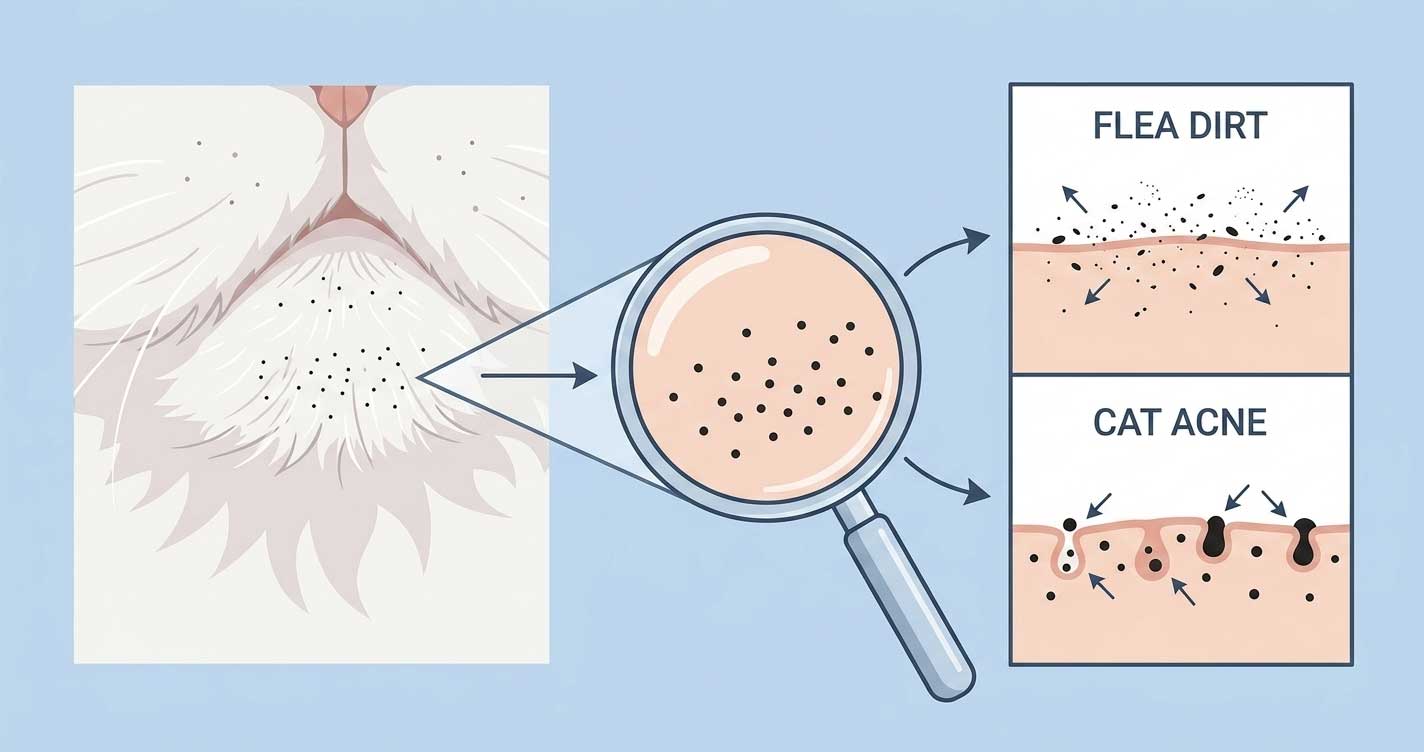
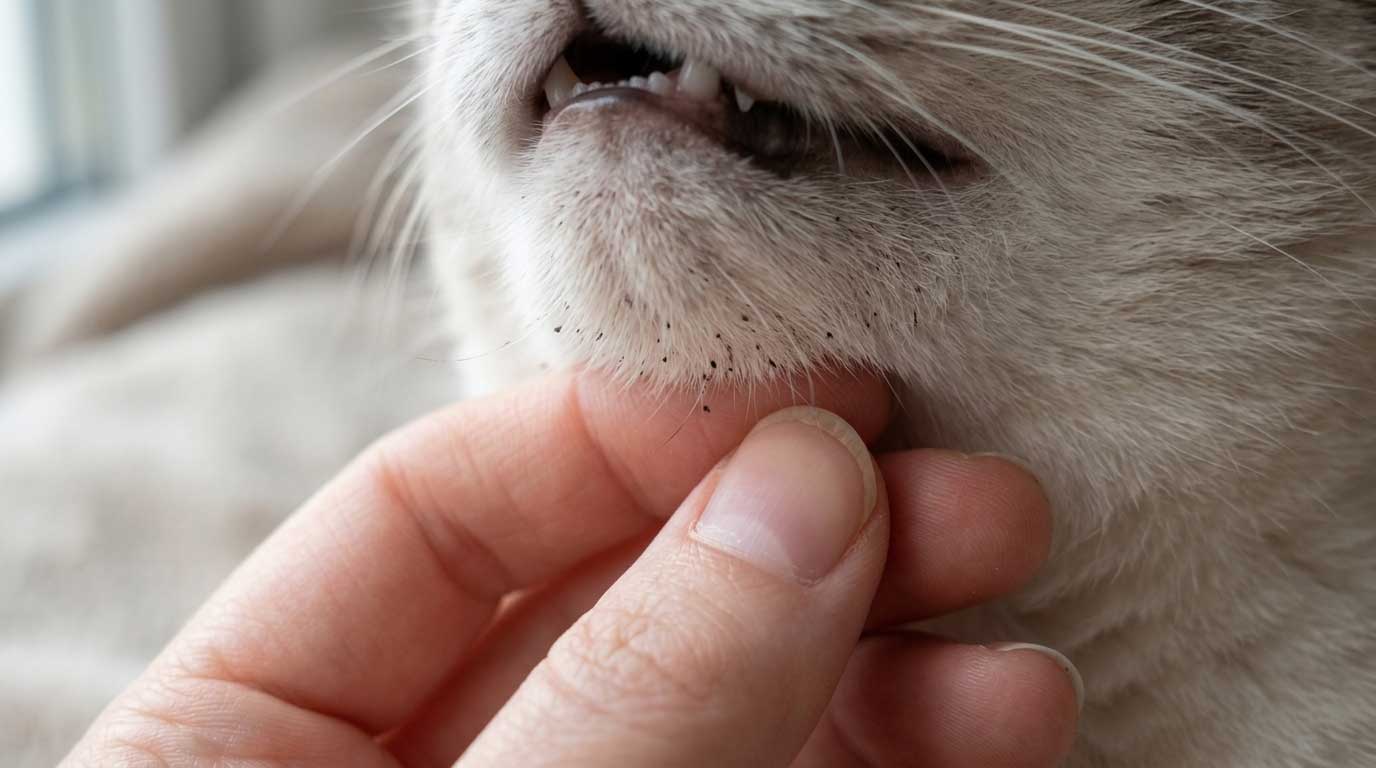
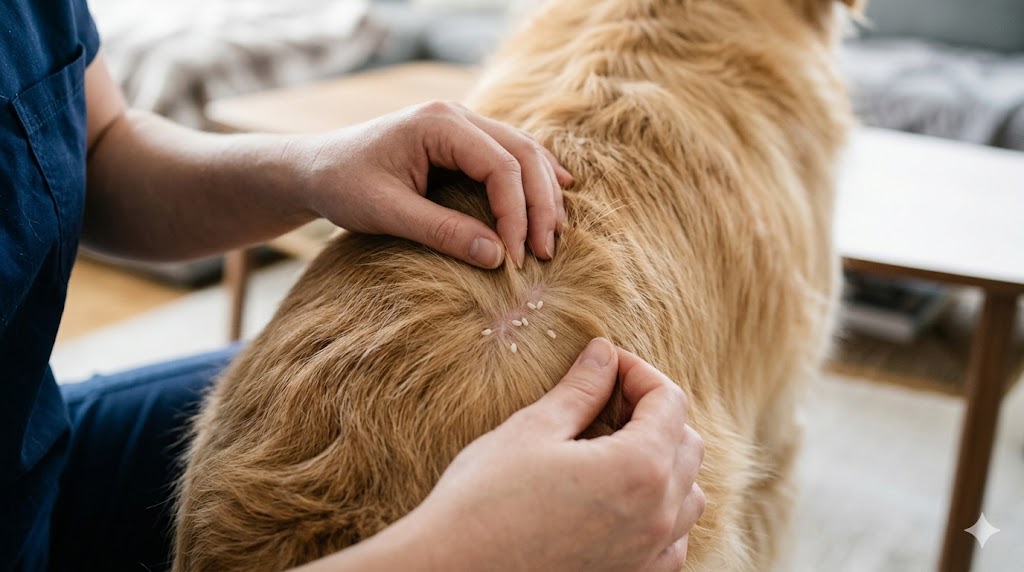
Use a flea comb on the tail base and belly. If you see flea dirt (small black specks that turn red on a wet paper towel), start year-round flea prevention immediately. Flea allergy is the single biggest cause of recurring belly rashes.
6. Watch carefully for 3-5 days
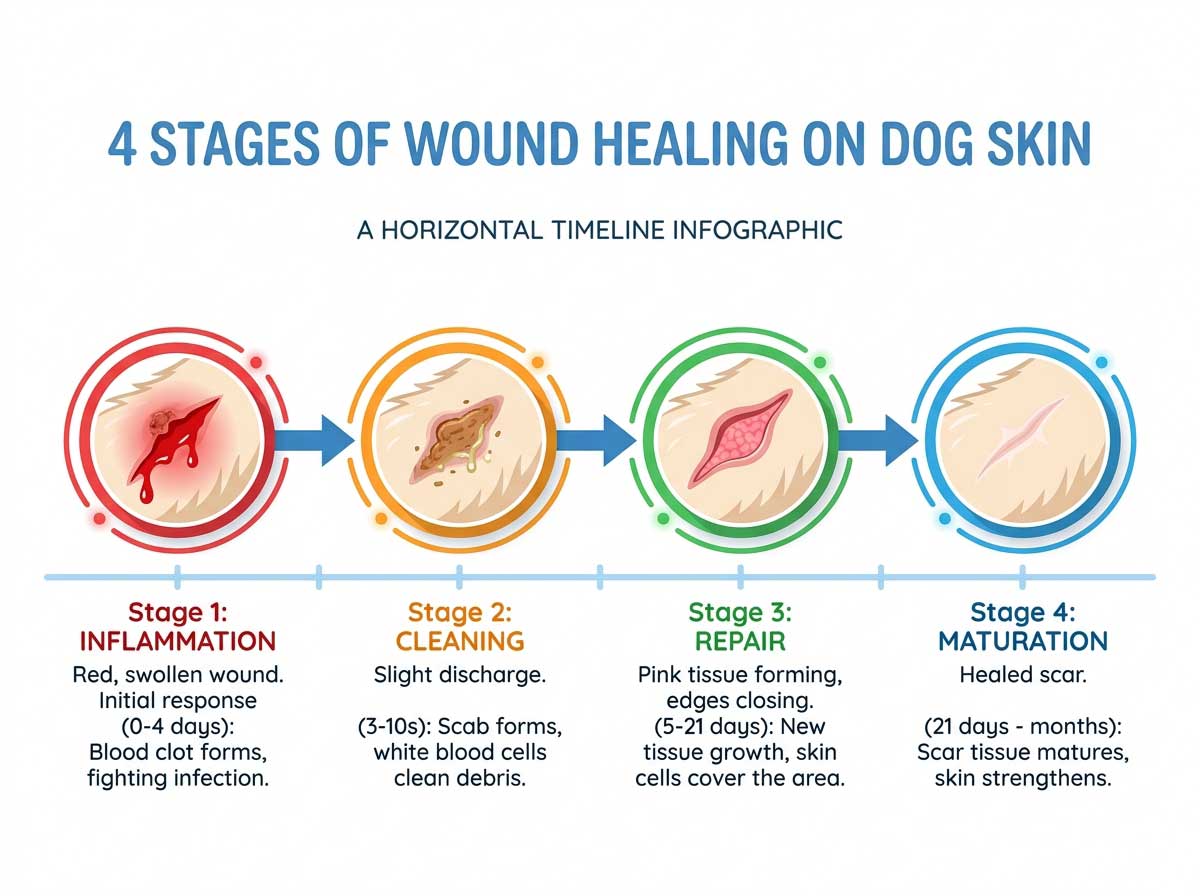
If the rash is the same or worse after 5 days of home care, the home protocol has failed and you need a vet. Topical relief without addressing the underlying cause (allergy, infection, mange) does not work long-term.
Do NOT use: human hydrocortisone cream, Neosporin, tea tree oil, apple cider vinegar straight, or essential oils. These are either toxic if licked, damaging to skin, or unproven for dog skin.
After home care, AI photo check helps track if the rash is improving or worsening.
Start Skin AnalysisWhen to See a Vet
- ✓The rash is spreading rapidly or getting worse
- ✓Your dog seems to be in pain or is very uncomfortable
- ✓You see signs of infection (pus, bad smell, hot to the touch)
- ✓The rash hasn't improved after a week of home care
- ✓Your dog has recurring skin problems
- ✓You suspect ringworm (because it's contagious to humans)
- ✓Hair loss is significant or widespread
Emergency vet (now, not tomorrow): rash with hives, facial swelling, breathing difficulty, heavy panting, fever, or vomiting. These signal a systemic allergic reaction (anaphylaxis) that can be life-threatening within hours.
Related Reads & Authoritative Resources
Dig deeper into specific rash causes on yipara: a dog hot spot is the fast-spreading wet red patch; dog skin allergies covers the 3 allergy types and best medications; hair loss home remedies covers what actually regrows fur; and paws red between toes covers the most common location after belly. For authoritative coverage, see PetMD: Rashes on Dogs, WebMD Pets: Skin Problems in Dogs, and Cornell Vet: Atopic Dermatitis in Dogs.
Want a faster differential? Our new AI dog skin rash pictures tool identifies hives vs atopic vs food allergy vs FAD vs contact dermatitis from your dog's actual rash photo + tells you when it's an anaphylaxis emergency.
Try Dog Skin Rash Pictures AI ToolFrequently Asked Questions
What can I do for a dog with a rash?
+
What does an allergy rash look like on a dog?
+
What does a bacterial dog rash look like?
+
How do I tell what kind of rash my dog has?
+
My dog has a rash on his belly — is this an emergency?
+
Are dog rashes contagious to humans?
+
Not Sure What That Rash Is?
Upload a clear photo and get an educational AI pattern analysis. Identify visual signs of skin irritation, hot spots, ringworm, mange, and more. Not a veterinary diagnosis.
Disclaimer: This article is for informational purposes only and is not a substitute for professional veterinary advice. Always consult a licensed veterinarian for diagnosis and treatment of your pet's health conditions.