Dog Itchy Skin No Fleas? 4 Non-Flea Causes + Vet Decision
Dog itchy skin no fleas? 4 non-flea causes (atopic, food, yeast, mange) identification + vet decision framework. Differential signals not remedies guide.
Published 2026-06-19
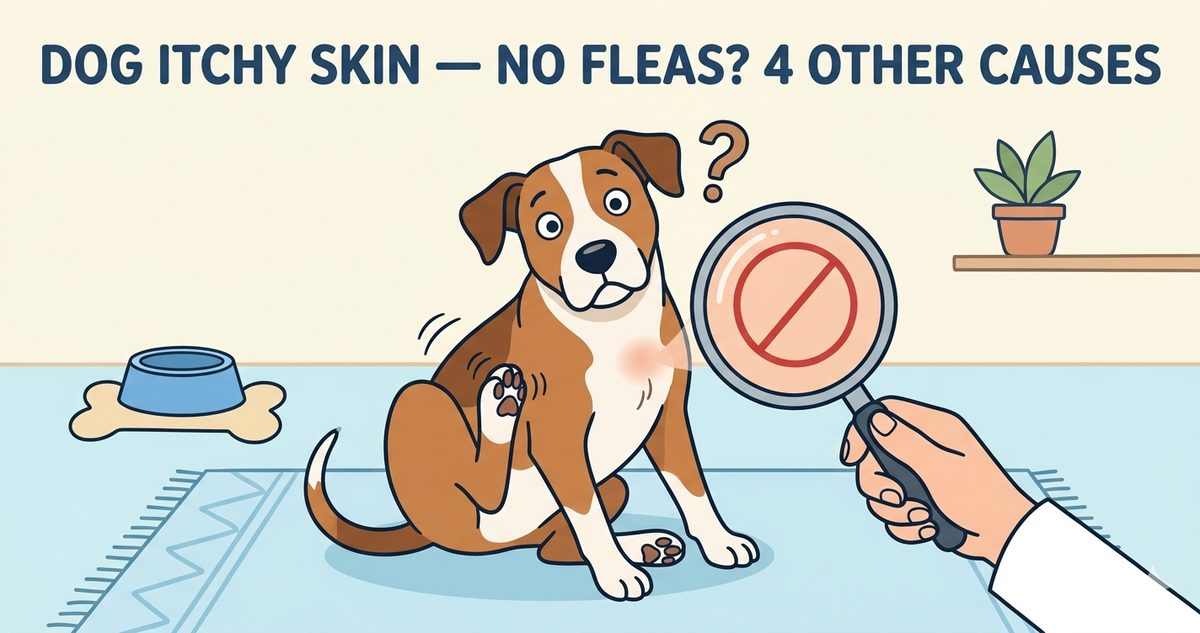
Dog Itchy Skin No Fleas — Need a Faster Differential?
Upload a clear photo of your dog's itchy skin for an instant AI differential between atopic vs food vs yeast vs mange — including zoonotic CONTAGIOUS warning if Sarcoptic mange pattern detected.
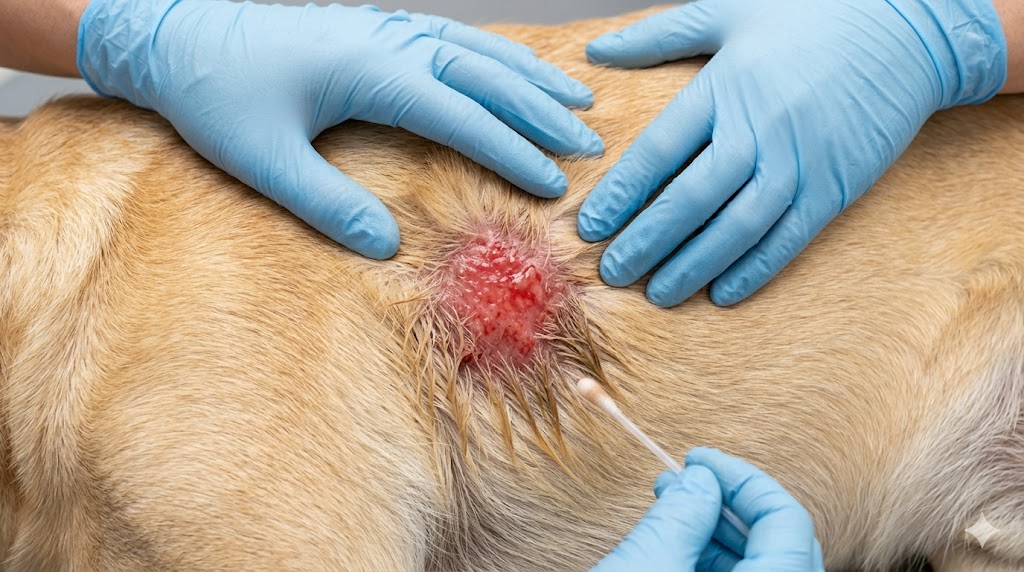
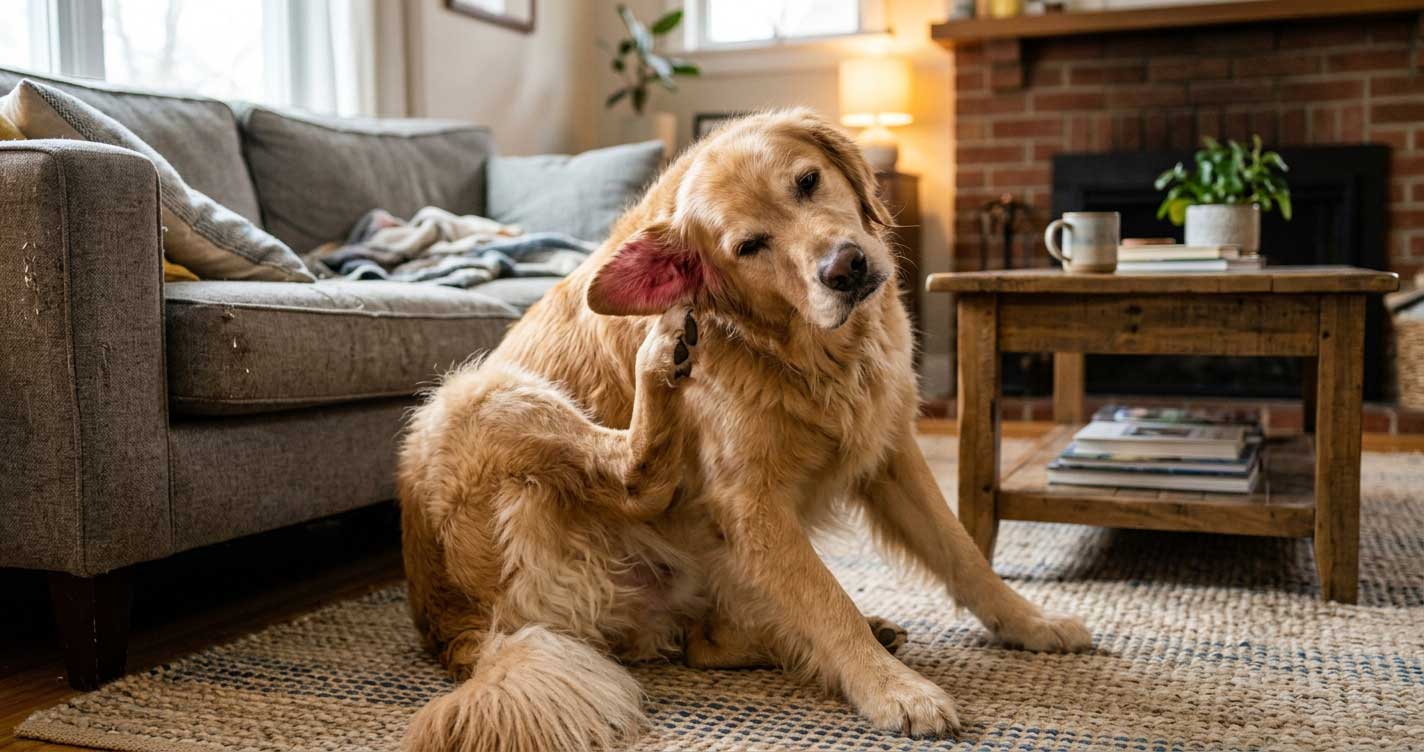
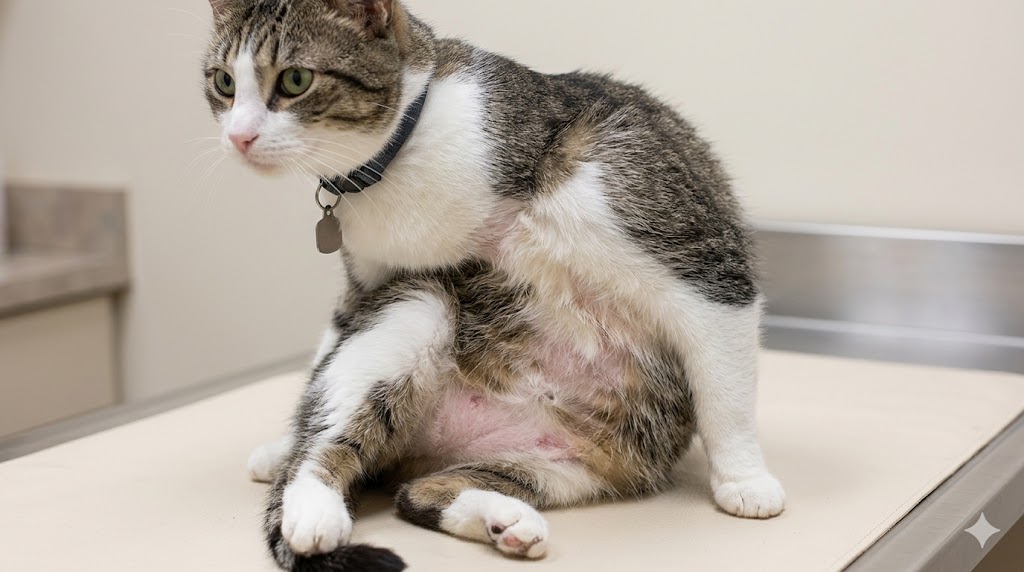
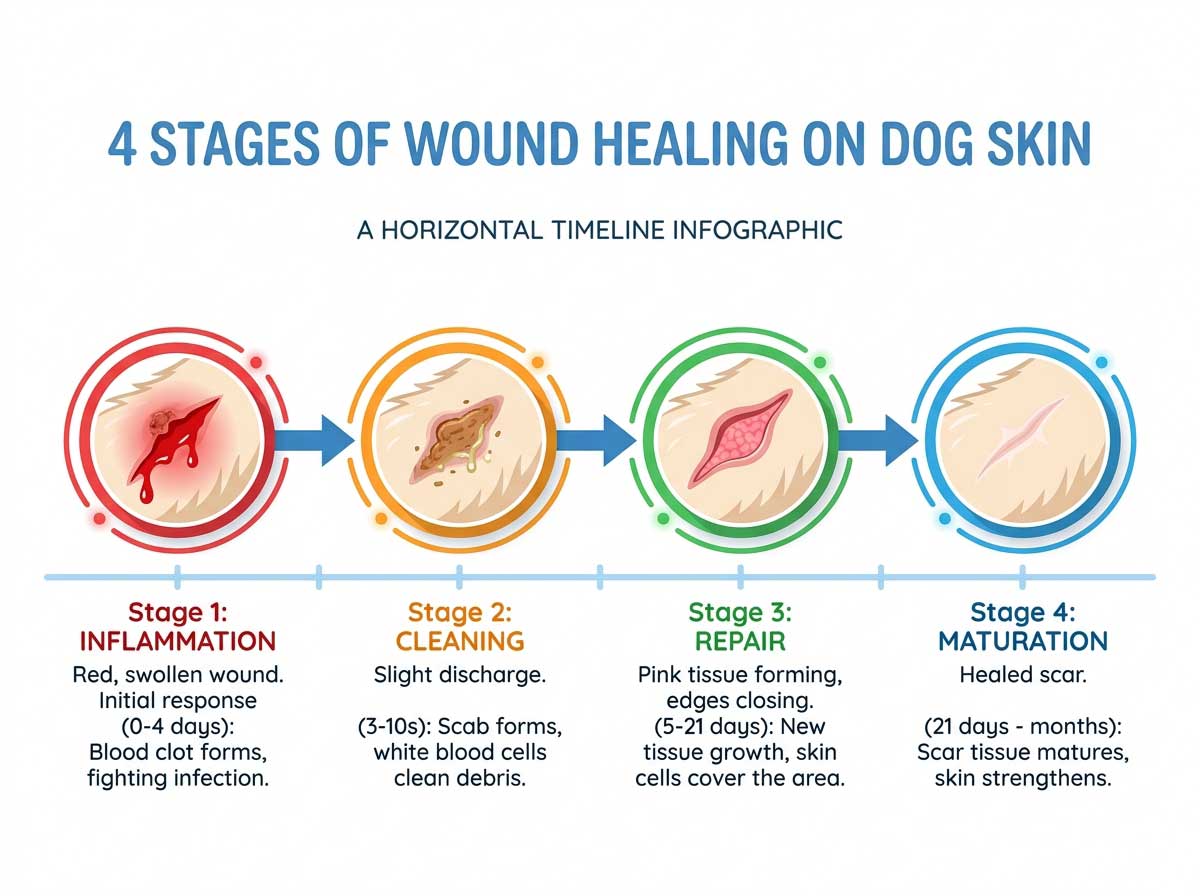
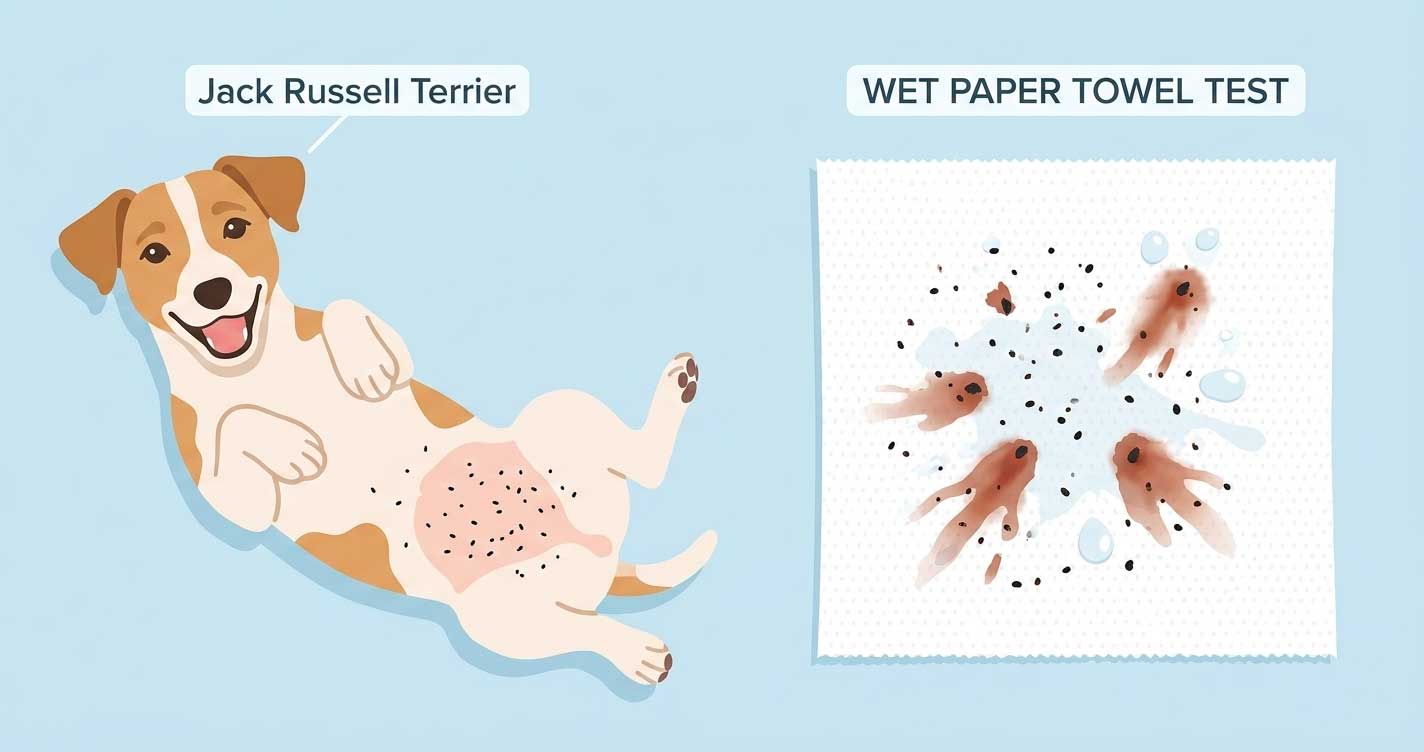
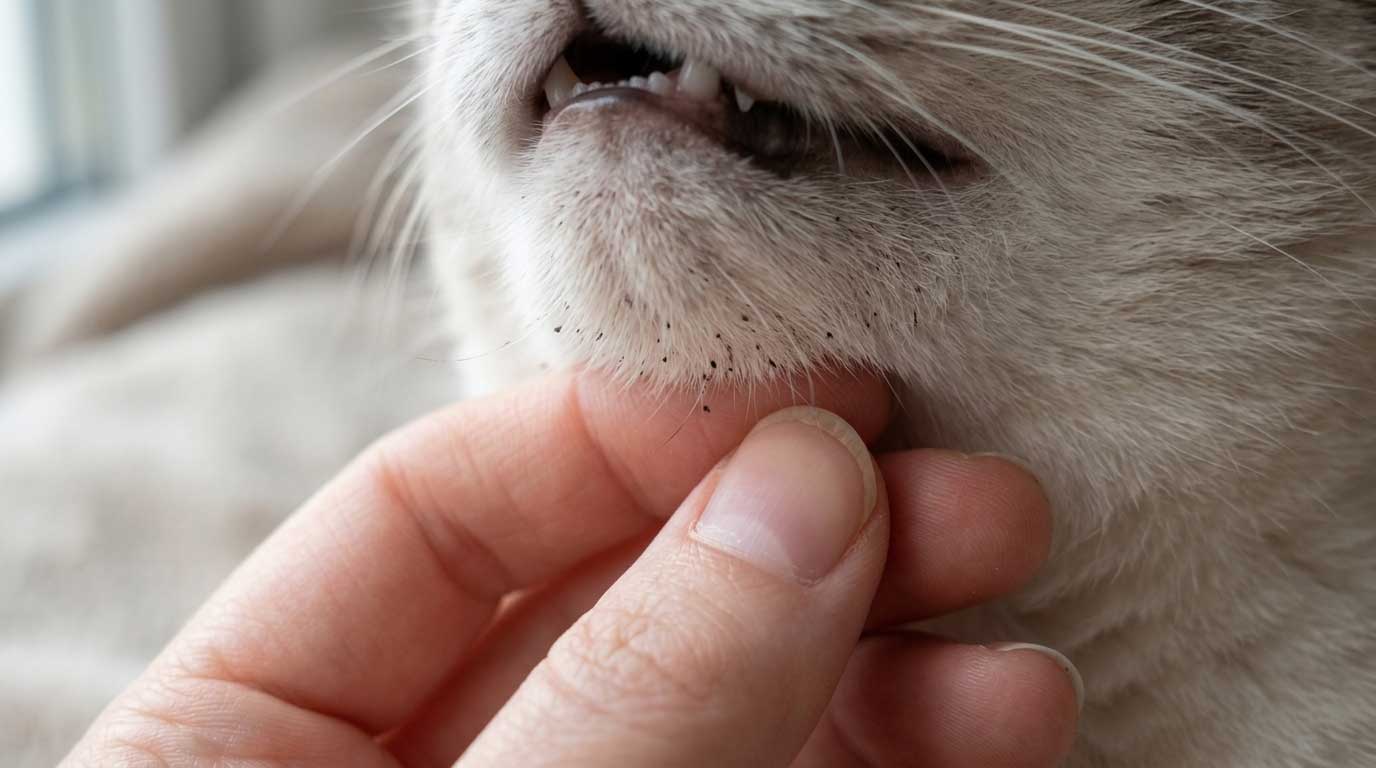
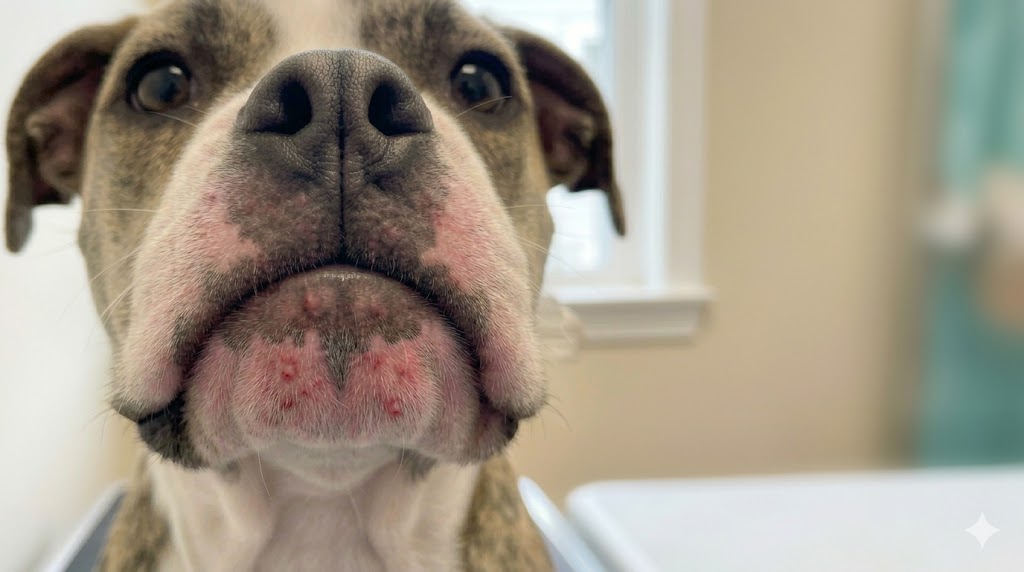
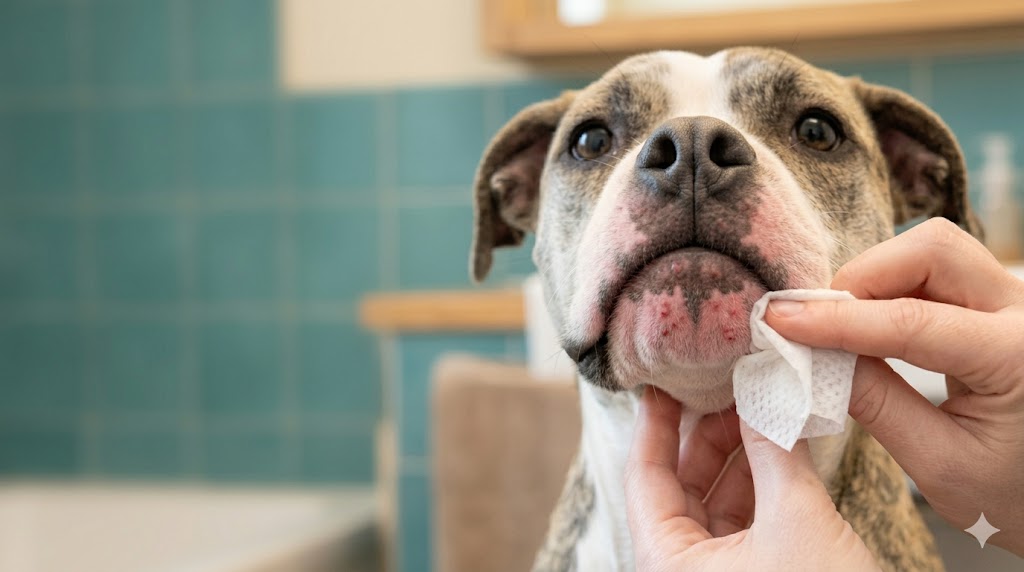
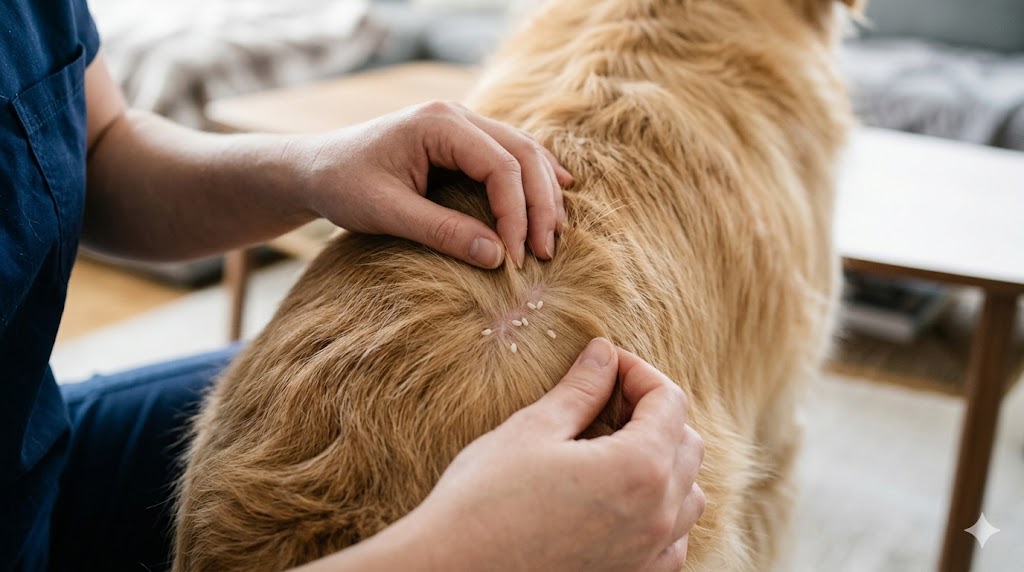
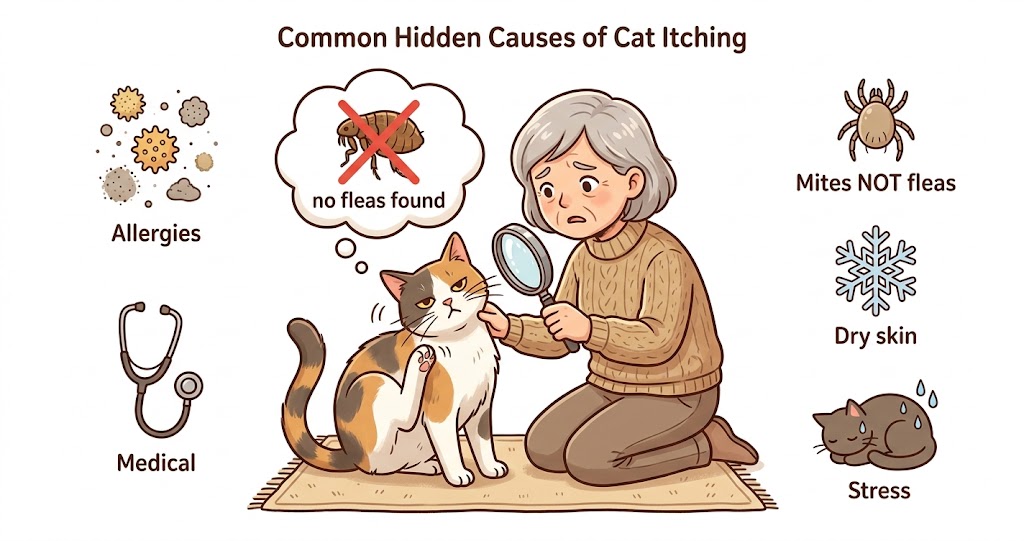
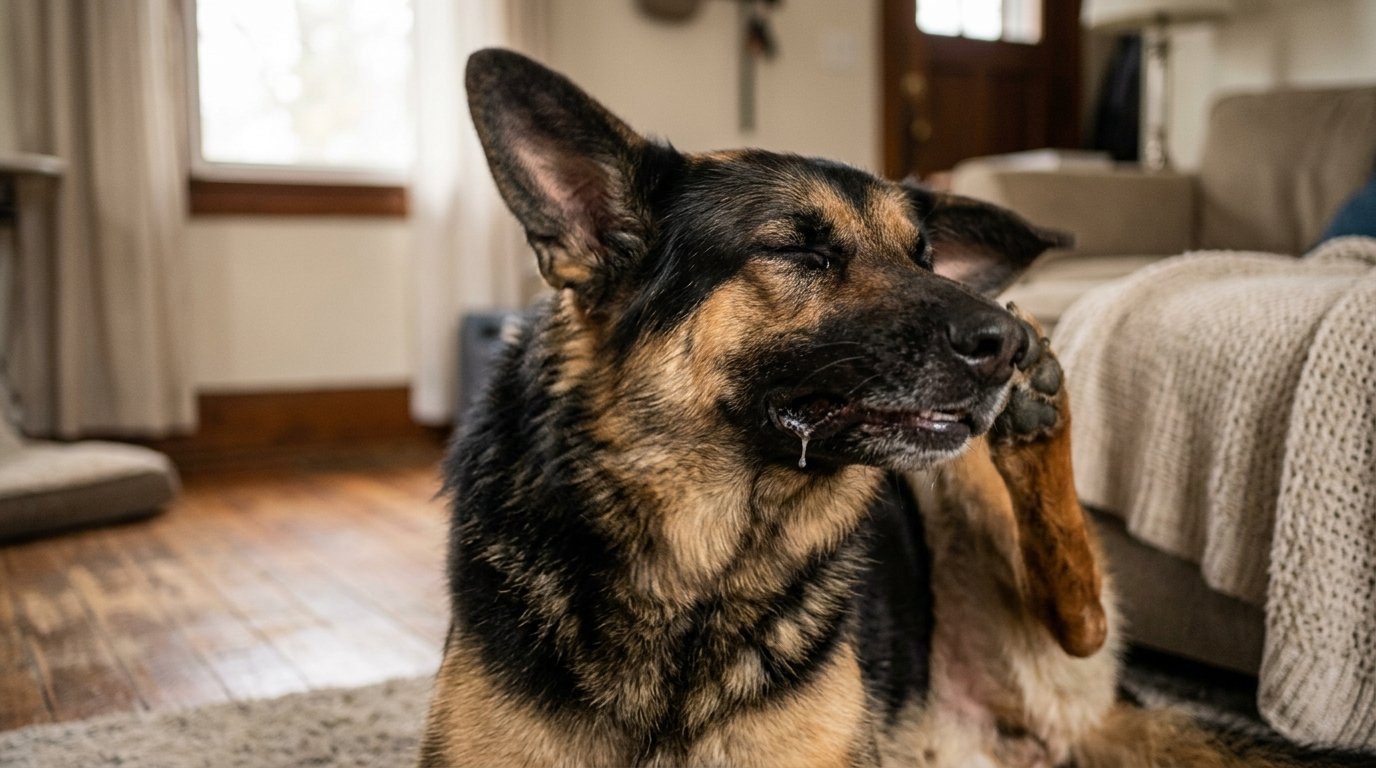
Your dog itchy skin no fleas — you have been combing through the fur, you did the wet paper towel test, and you have ruled out fleas. But the dog is still scratching, still chewing, still restless. The dog itchy not fleas situation is more common than most owners realize — itchy skin of dogs without flea evidence has 4 main non-parasitic causes. This guide covers all 4 non-flea causes of dog itchy skin (atopic environmental allergies, food sensitivities, yeast Malassezia overgrowth, and mange parasites), the visual and behavioral signals to tell them apart, why dog itchy skin at night is often worse than daytime, and a clear decision framework for when to see a vet. This is a cause-identification guide, not a remedy or product guide. For an instant AI photo check, our Dog Skin Rash Pictures AI tool identifies the underlying rash pattern from a photo of your dog's skin.
This article is for general educational purposes only and is not a substitute for professional veterinary diagnosis. Persistent dog itchy skin (more than 2 weeks) warrants a vet visit for proper differential diagnosis.
Dog itchy skin no fleas but you want a faster differential? Our AI photo tool identifies the rash pattern from a close-up photo in 60 seconds.
Try Dog Skin Rash AI ToolQuick Answer — Why Your Dog Is Itchy But No Fleas
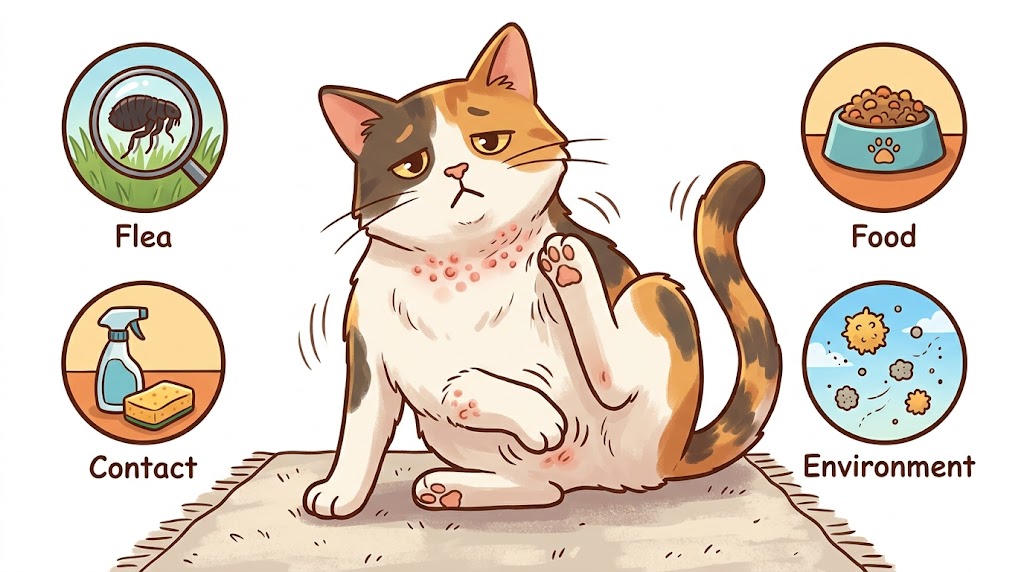
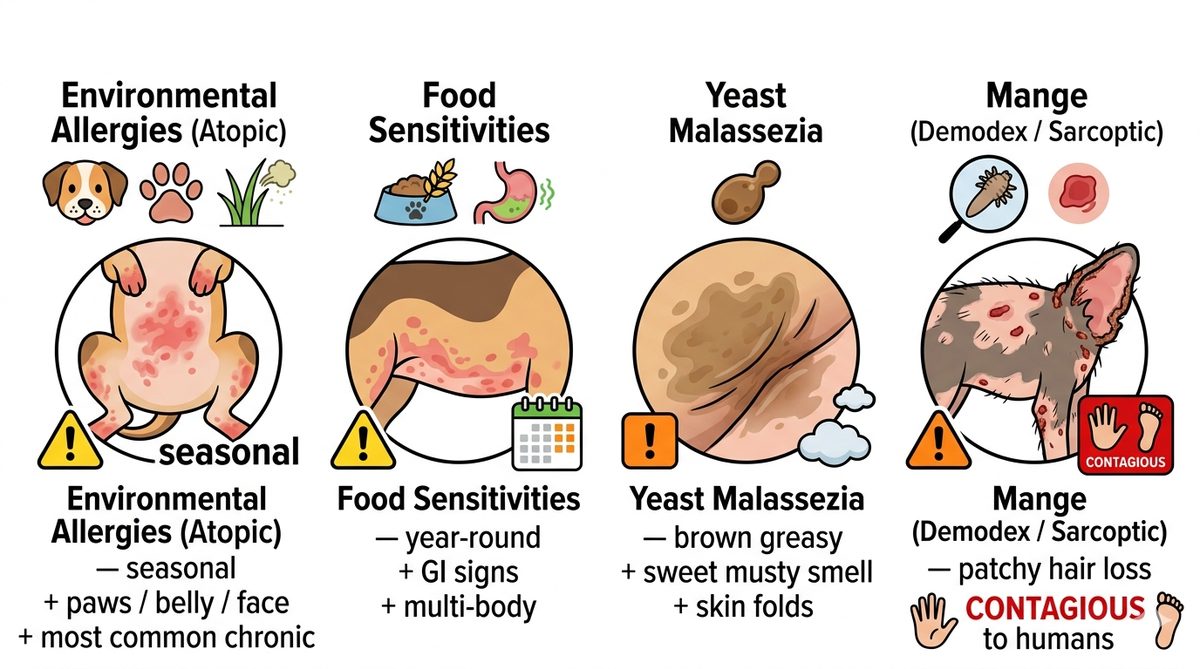
When your dog has itchy skin no fleas, the 4 most common causes by frequency are: (1) Atopic environmental allergies (#1 cause of chronic dog itchy skin), (2) Food sensitivities (year-round non-seasonal itching), (3) Yeast Malassezia overgrowth (greasy brown patches with sweet musty smell), and (4) Mange parasites (Sarcoptic / Demodex hair-loss patterns). Many dog owners notice dog itchy skin at night gets worse because environmental allergens accumulate on the dog's coat during the day, and the dog is finally calm enough at night to register the itch. The location of the itching is the strongest first clue — paws and face = atopic, year-round whole-body + GI = food, brown greasy = yeast, hair loss + extreme scratching = mange.
Cause 1: Environmental Allergies (Atopic Dermatitis) — Most Common
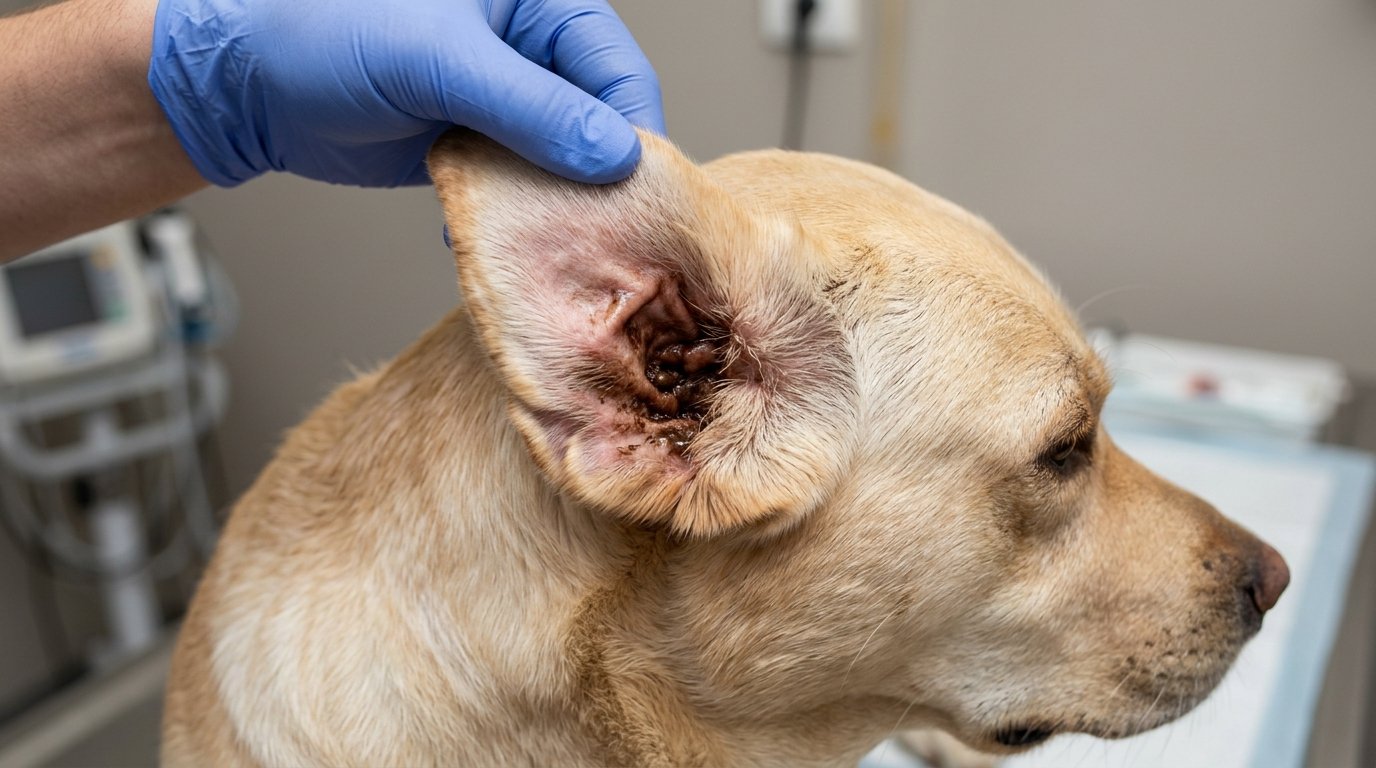
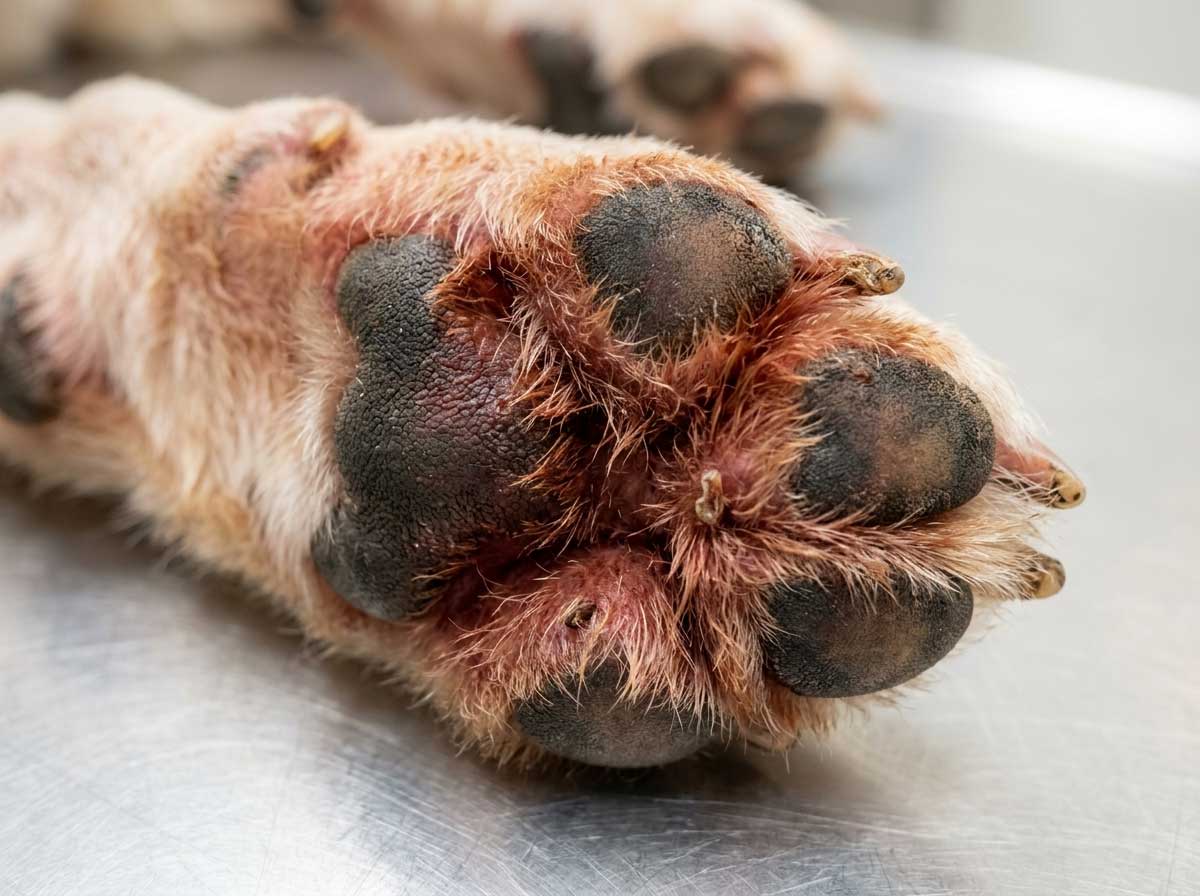
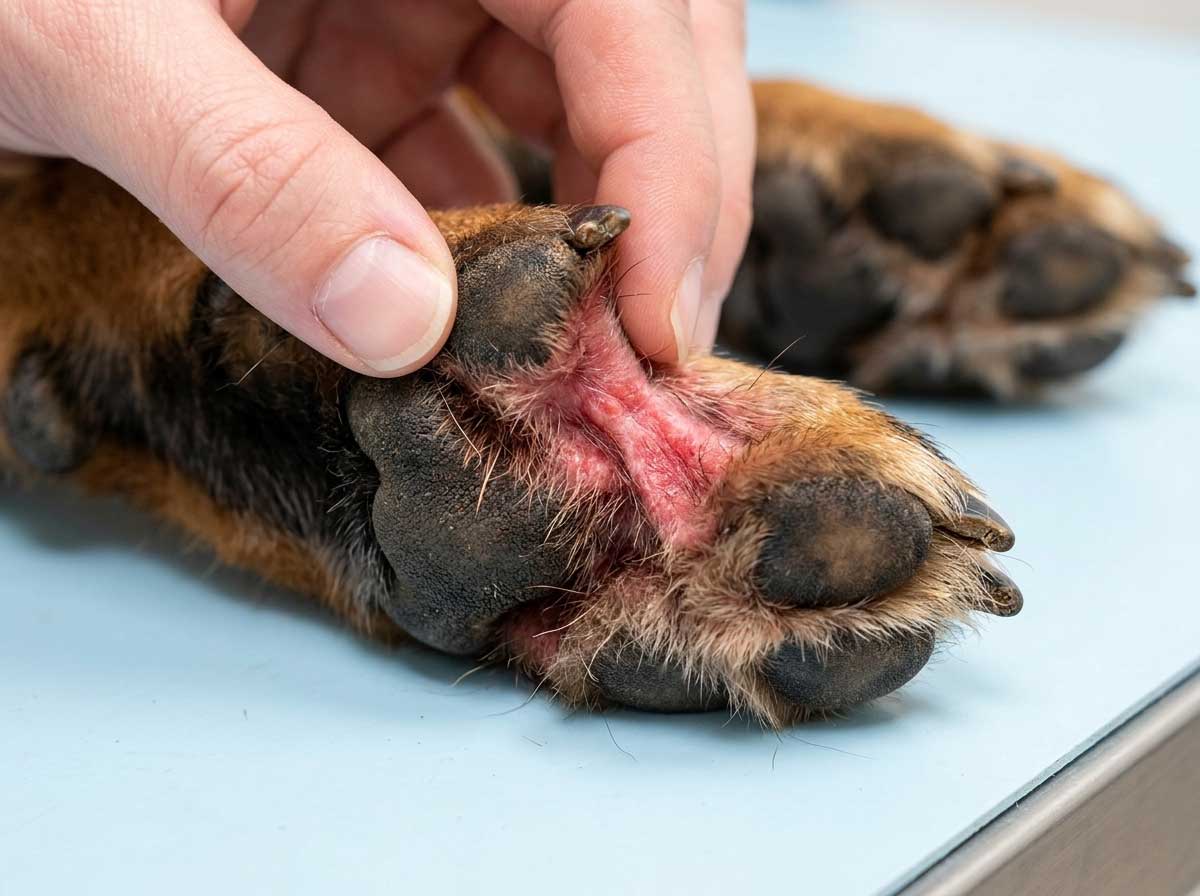
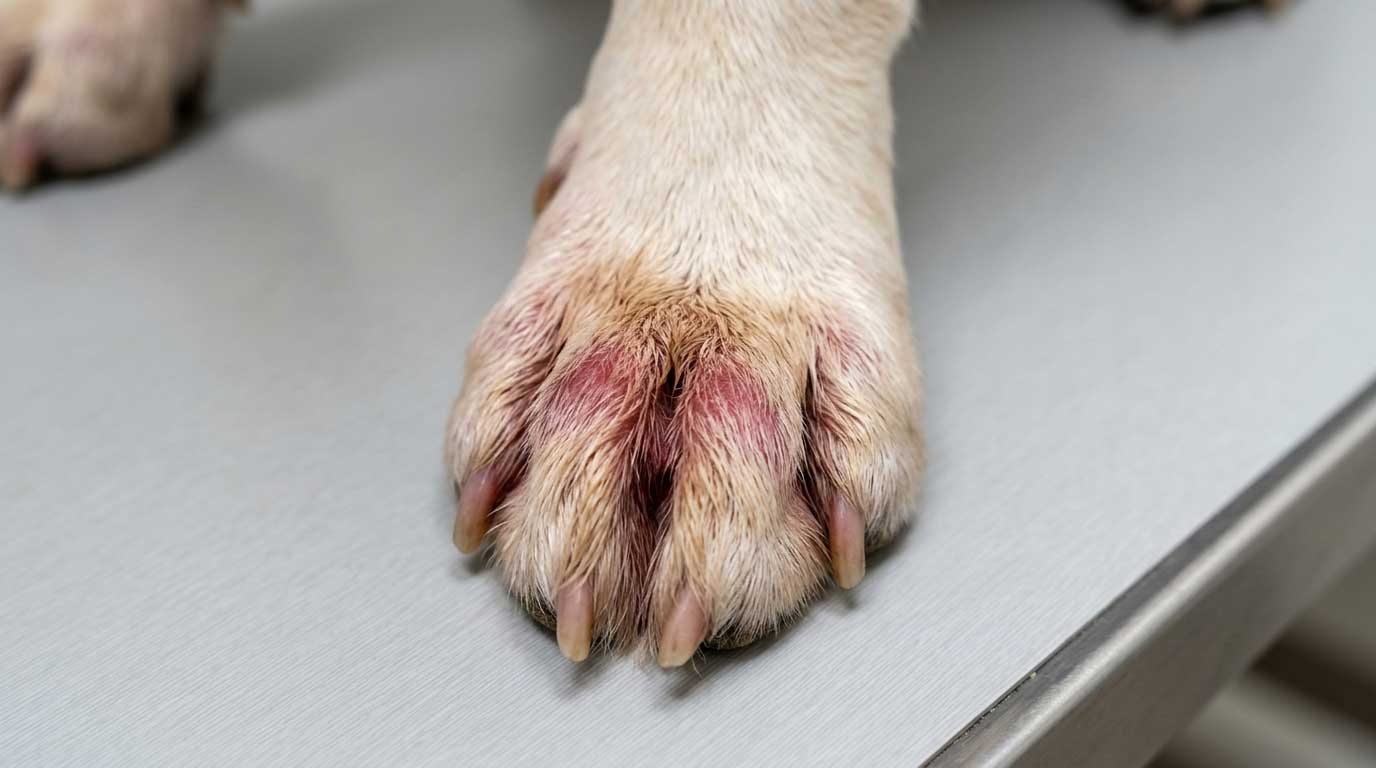
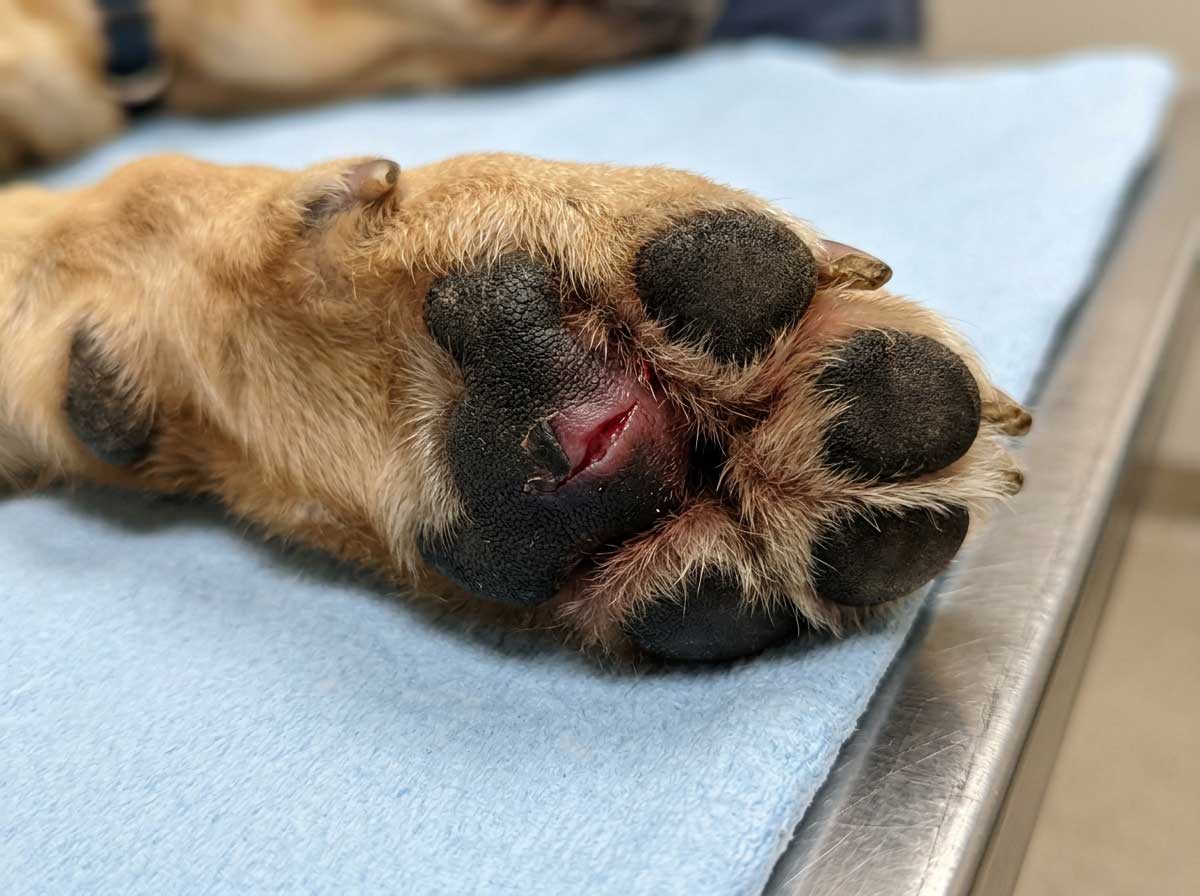
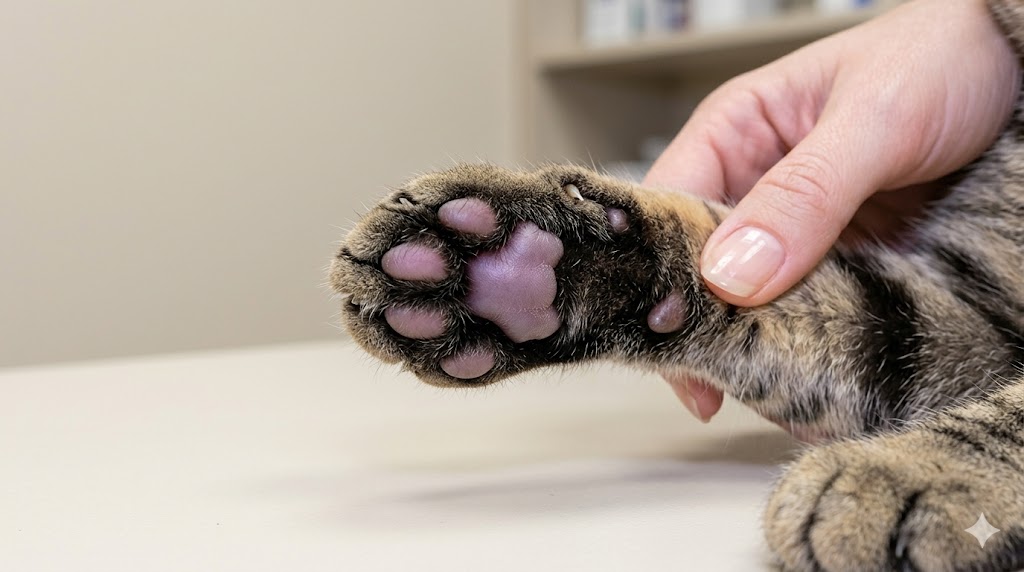
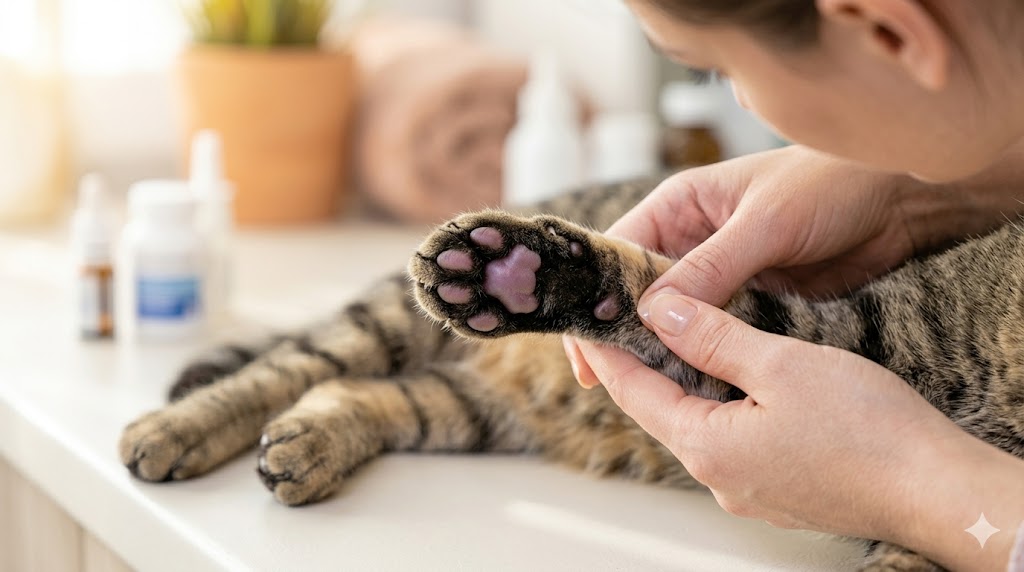
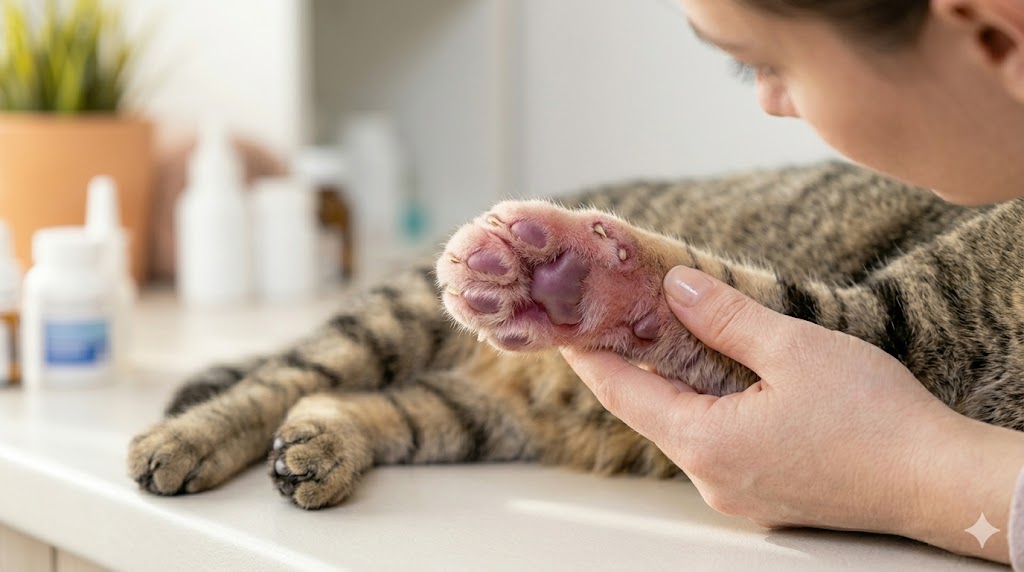
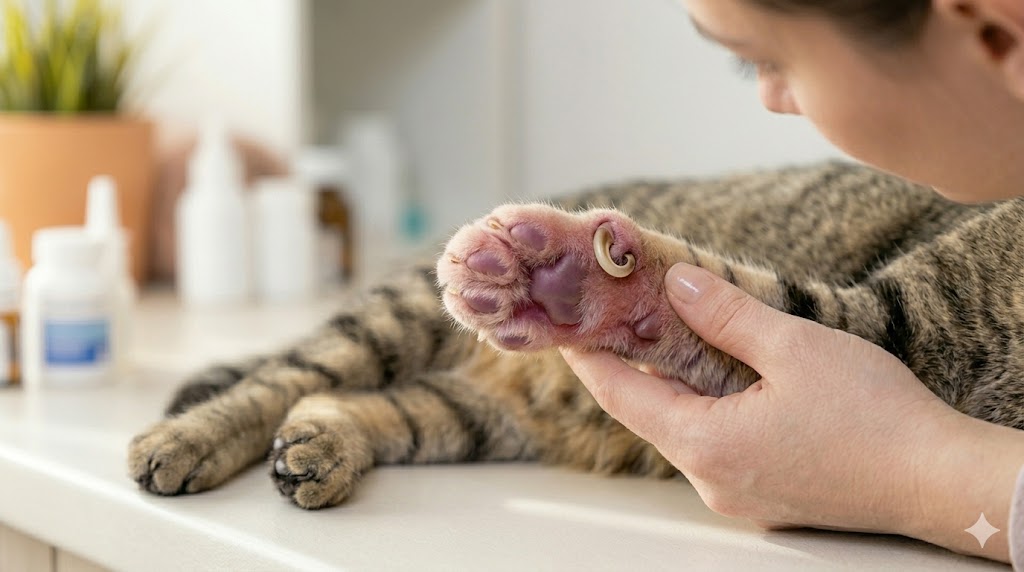
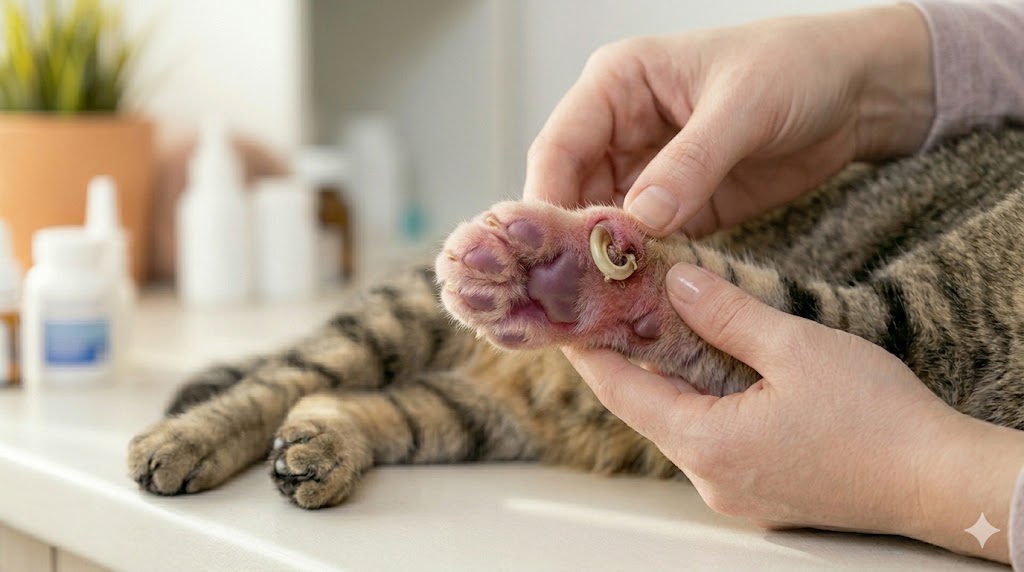
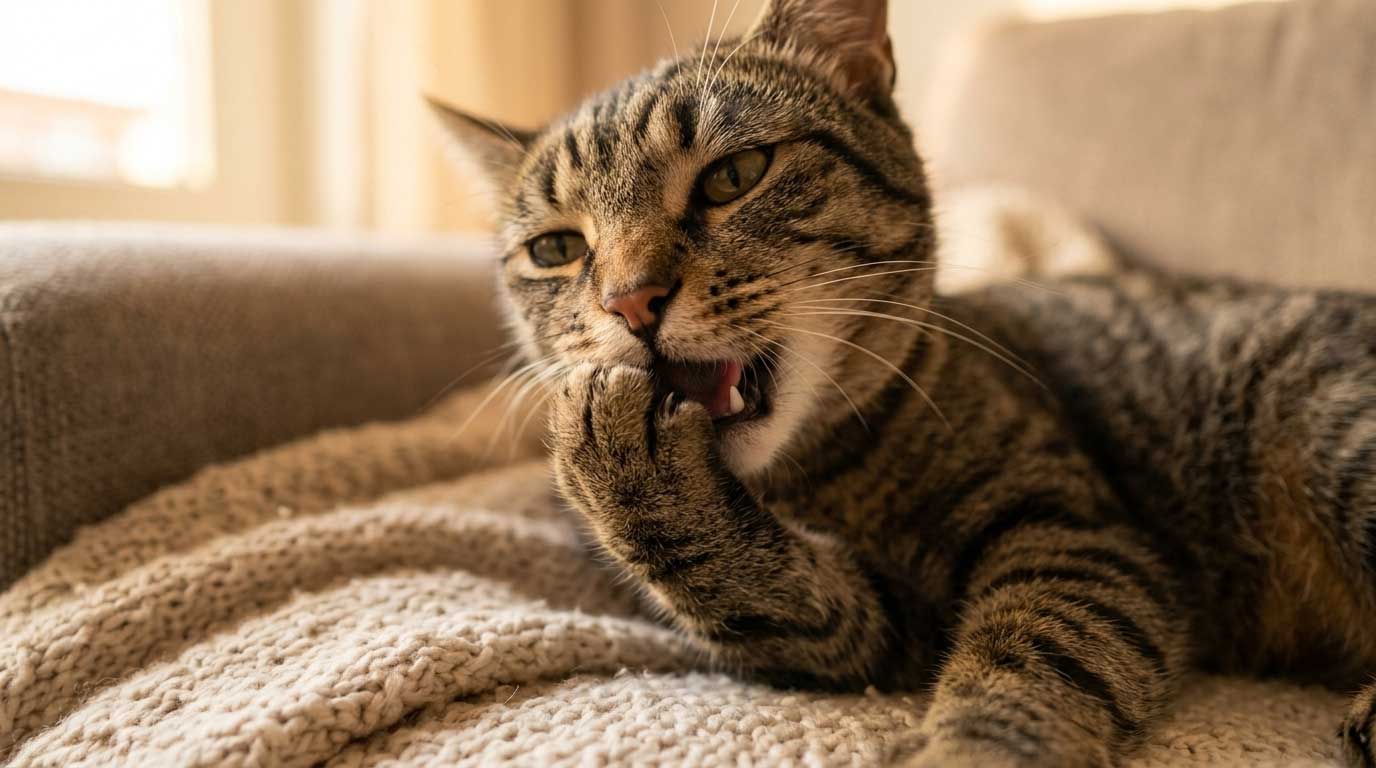
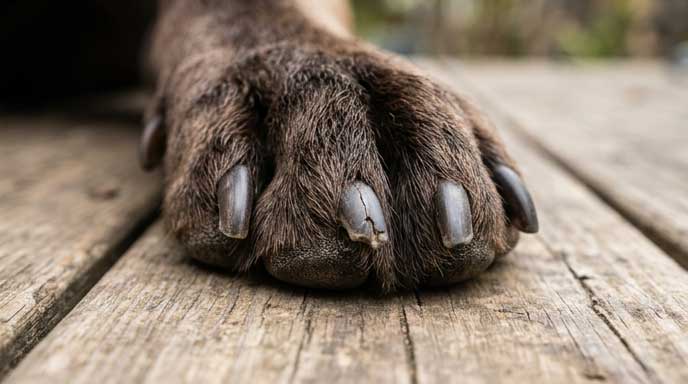
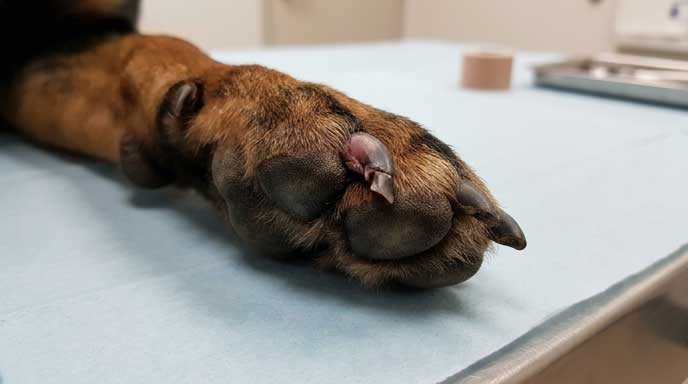
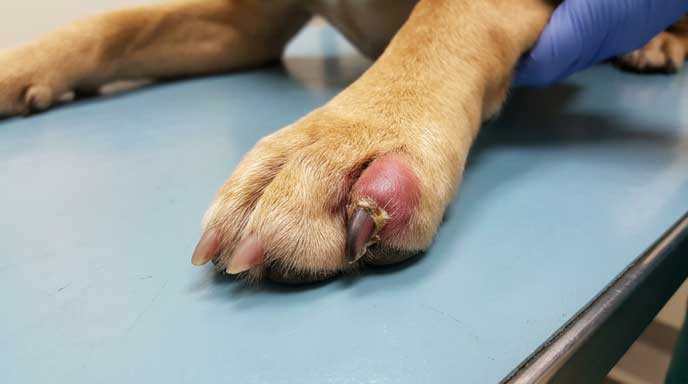
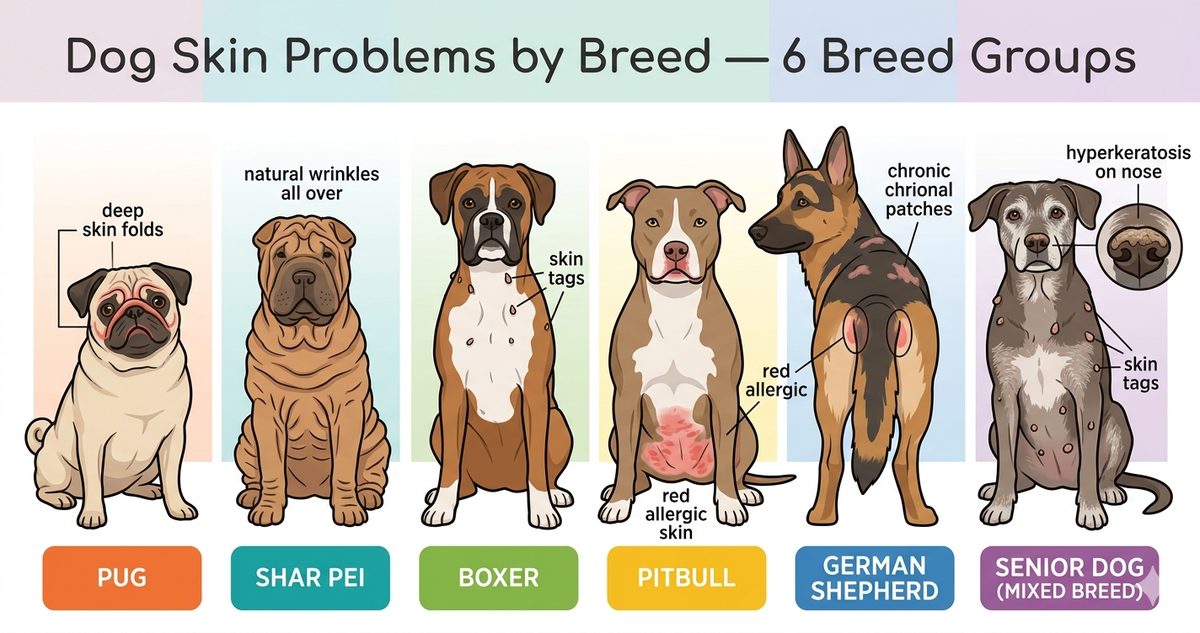
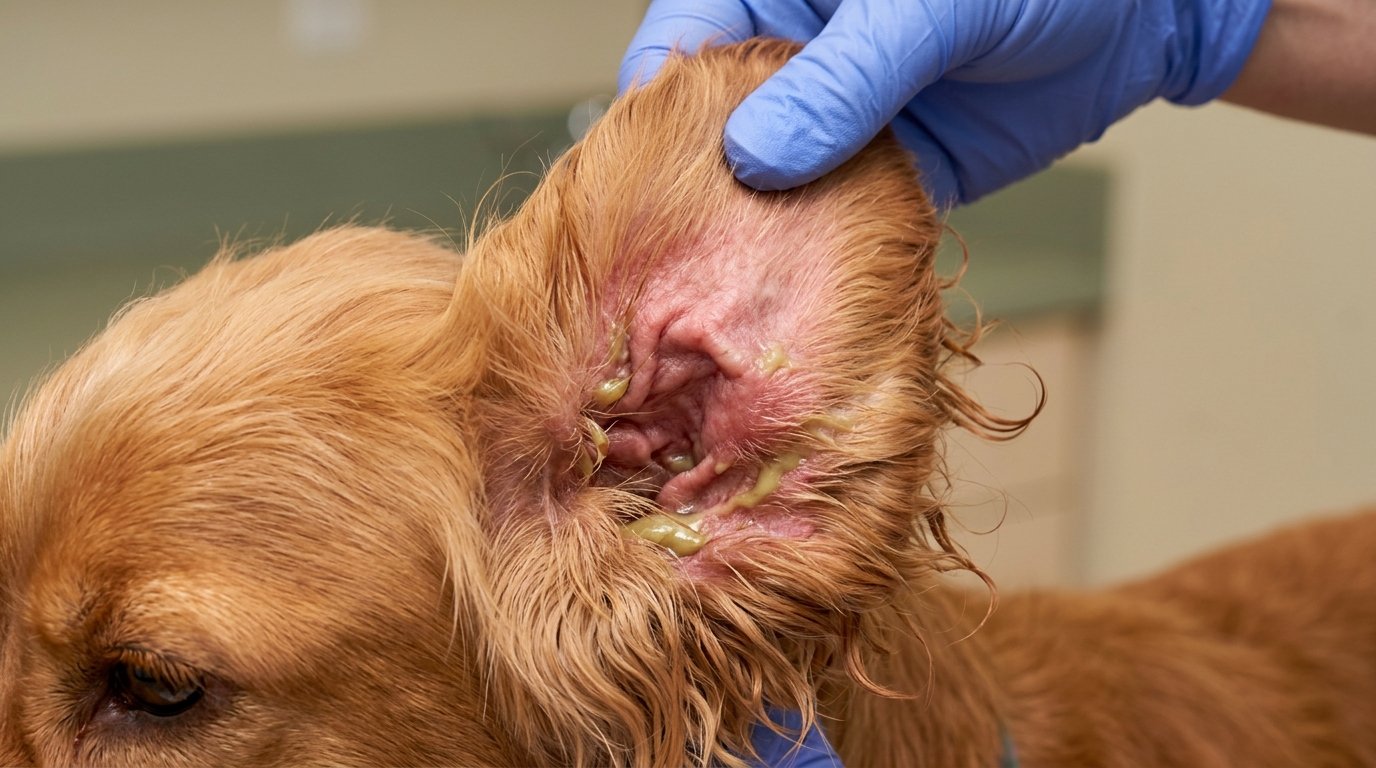
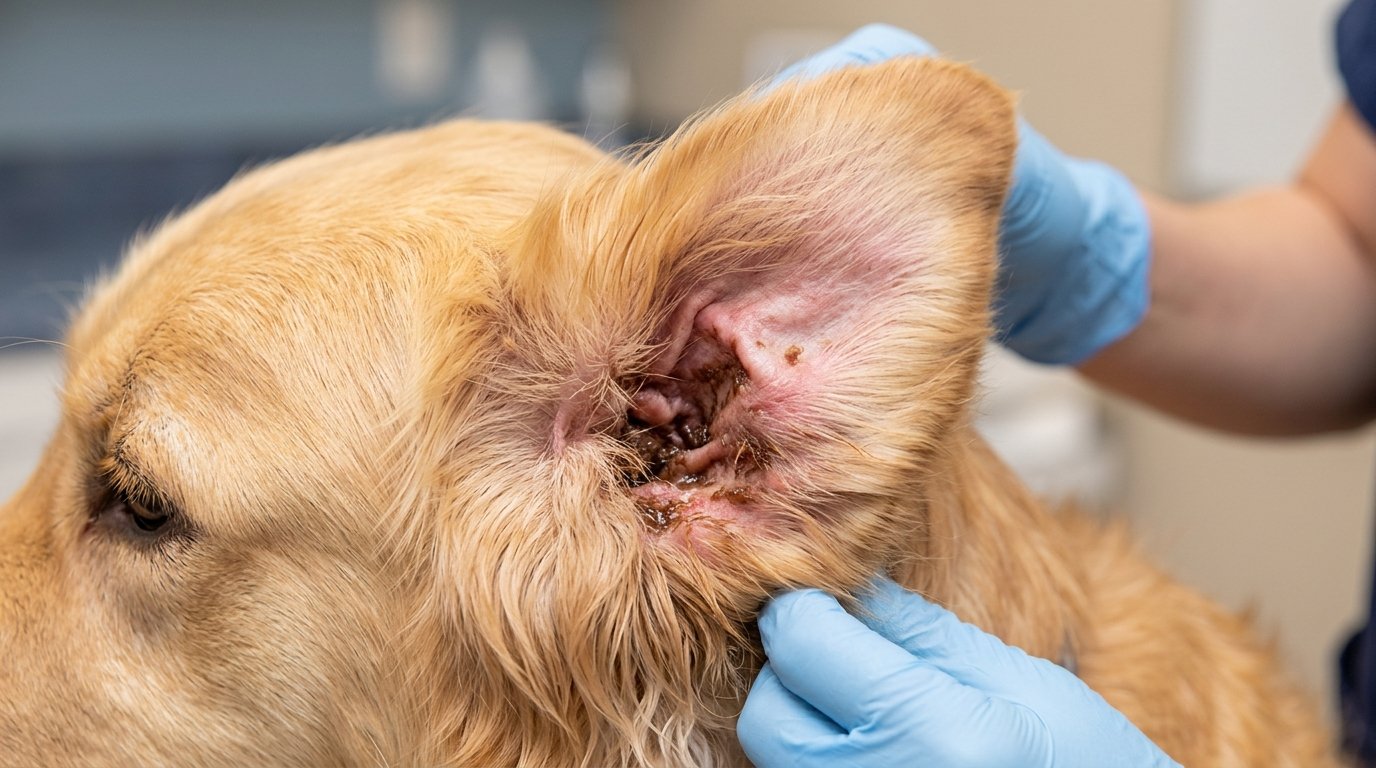
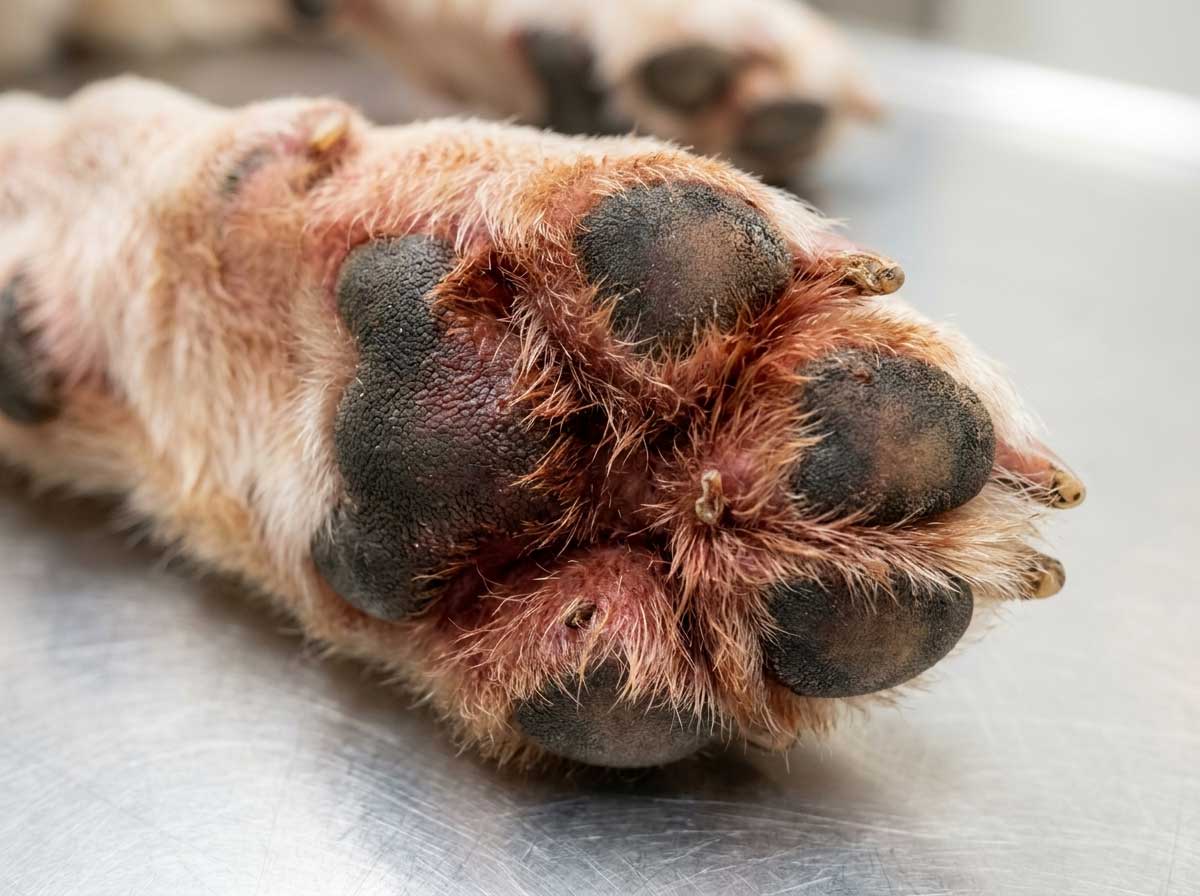
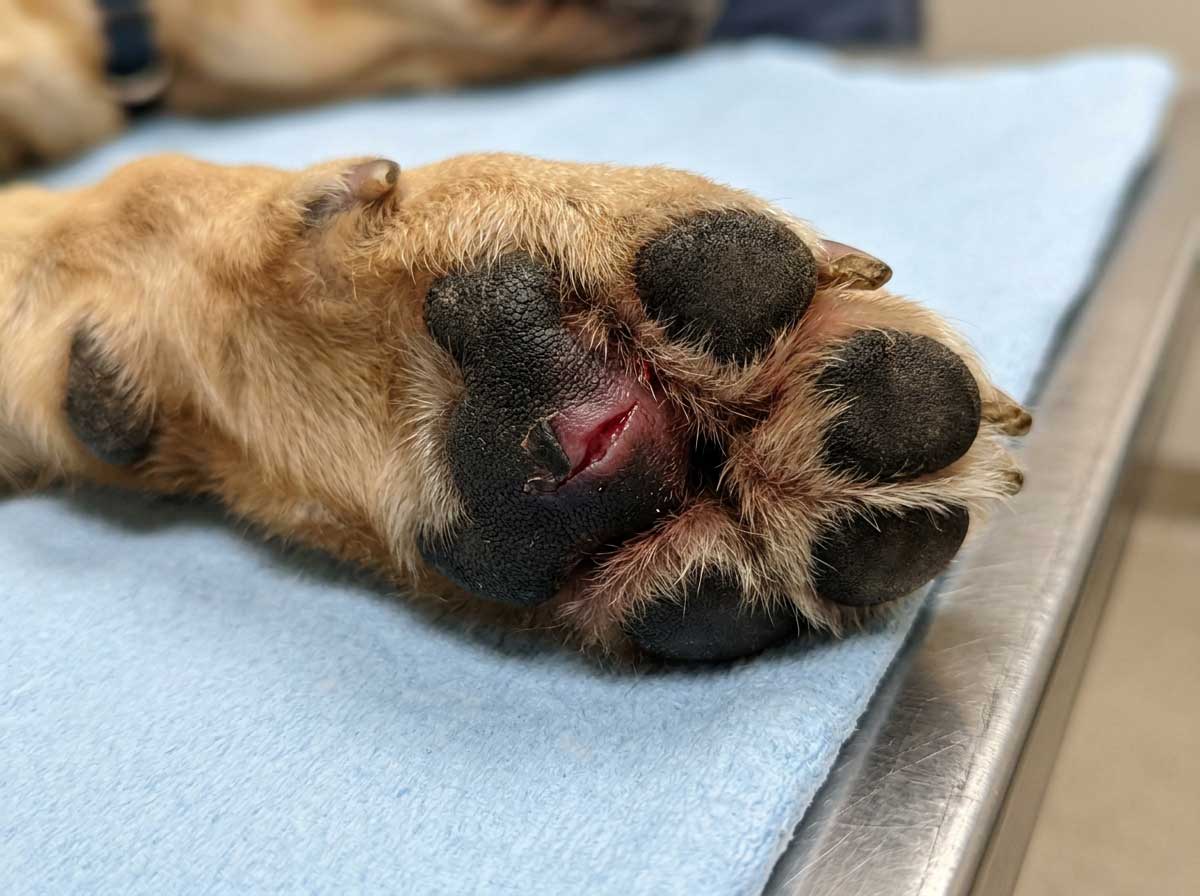
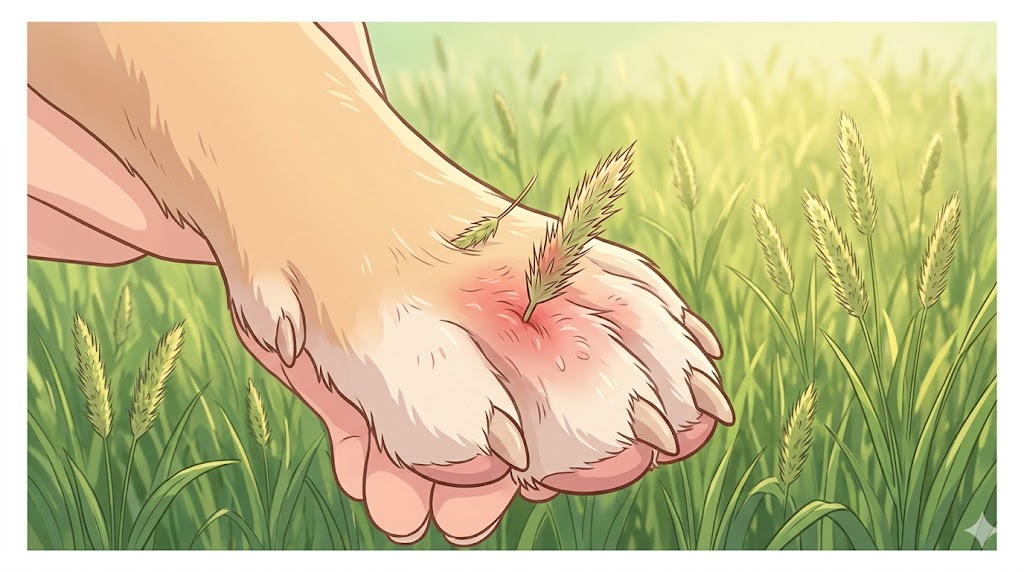
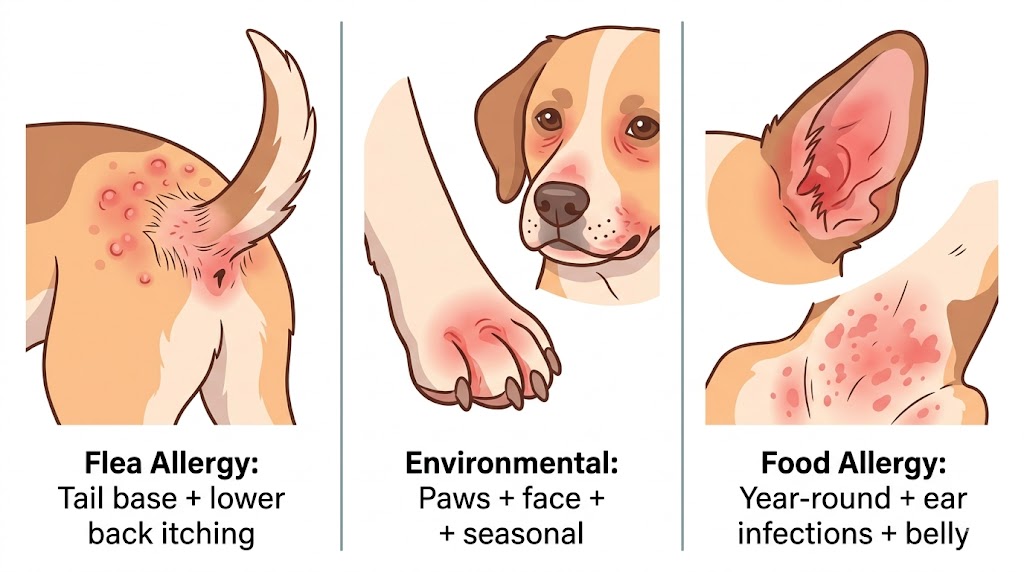
Atopic dermatitis is the #1 cause of chronic dog itchy skin no fleas. Just like humans get hay fever, dogs react to pollen, dust mites, mold, and grass. Dog itchy skin from atopic allergies typically shows these visual signals: (1) Itching focused on paws (especially between toes), face, ears, armpits, and groin — not the lower back which is the flea pattern. (2) Dog itching environmental allergy episodes are often seasonal (worse in spring and fall for pollen, year-round for dust mites). (3) Chronic paw chewing — owners often see saliva staining (rust-colored fur) on white paws. (4) Recurring ear infections — allergies are the #1 cause of chronic dog ear problems. Certain breeds are genetically predisposed: Golden Retrievers, Bulldogs, Labradors, German Shepherds, and West Highland Terriers. The Merck Animal Health "When Is Itching an Issue" guide covers atopic patterns in detail.
The key giveaway for dog atopic dermatitis: itching focused on paws and face, dog seasonal itching pattern (or year-round dust mites), and recurring ear infections alongside the skin itch. Dog itchy red skin in atopic cases is often subtle pink-red rather than bright inflamed red.
Cause 2: Food Sensitivities — Year-Round Itching
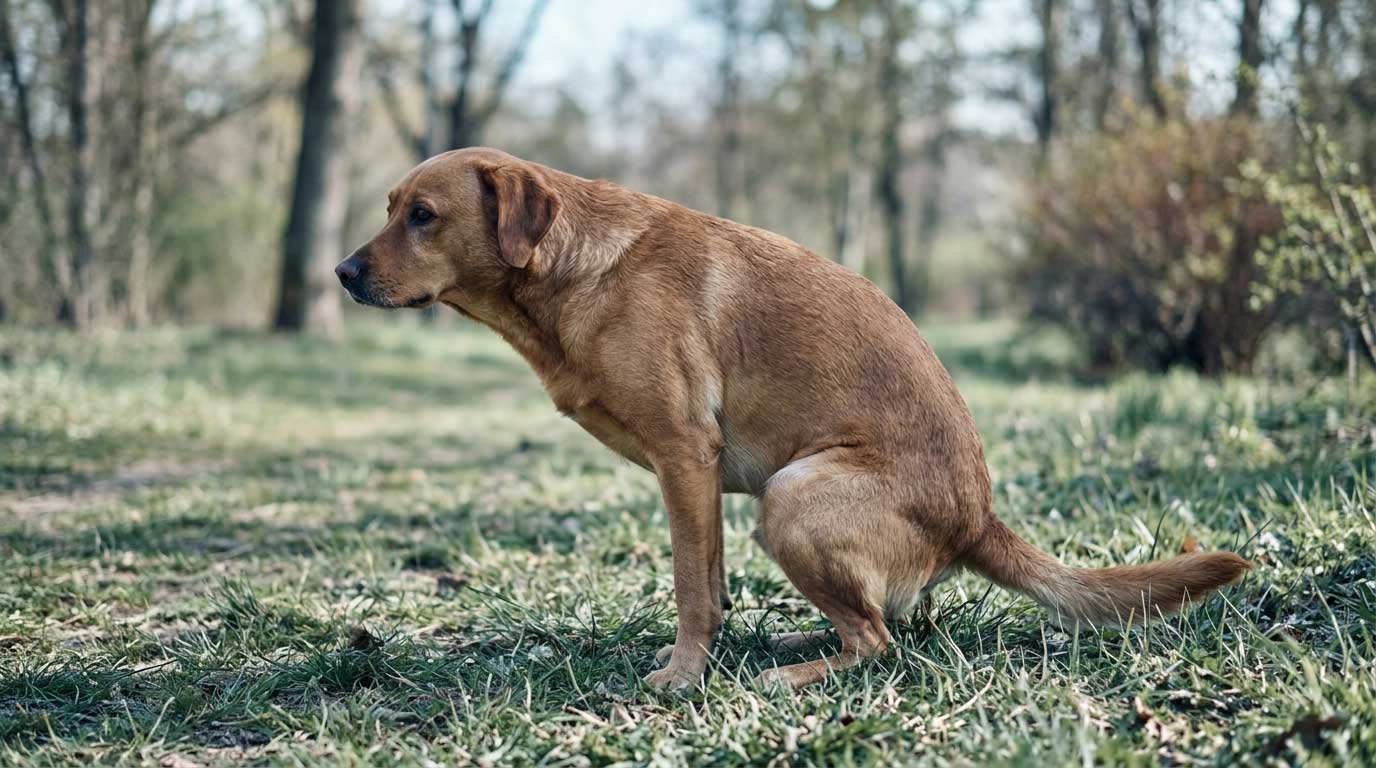
Dog itching food sensitivity accounts for about 10-15% of all dog itchy skin cases. The most common food allergens are chicken, beef, dairy, wheat, and soy proteins. Dog itchy skin from food sensitivity shows these signals: (1) Year-round consistent itching that does NOT improve with seasonal changes (unlike atopic). (2) Itching focused on ears, paws, and rear end. (3) Often accompanied by GI signs — soft stool, occasional vomiting, gas, or increased frequency of bowel movements. (4) Sometimes chronic ear infections without ear mites. The visual itchy skin signs are often identical to atopic, which is why the seasonal vs year-round pattern is critical for differentiation. The only way to confirm food allergy is an elimination diet trial guided by your vet (typically 8-12 weeks on a hydrolyzed protein or novel protein).
The key giveaway for dog itching food sensitivity: year-round non-seasonal pattern + GI involvement + does not respond to environmental controls. The PetMD Itchy Dog Itch Relief guide covers food vs environmental differential in detail.
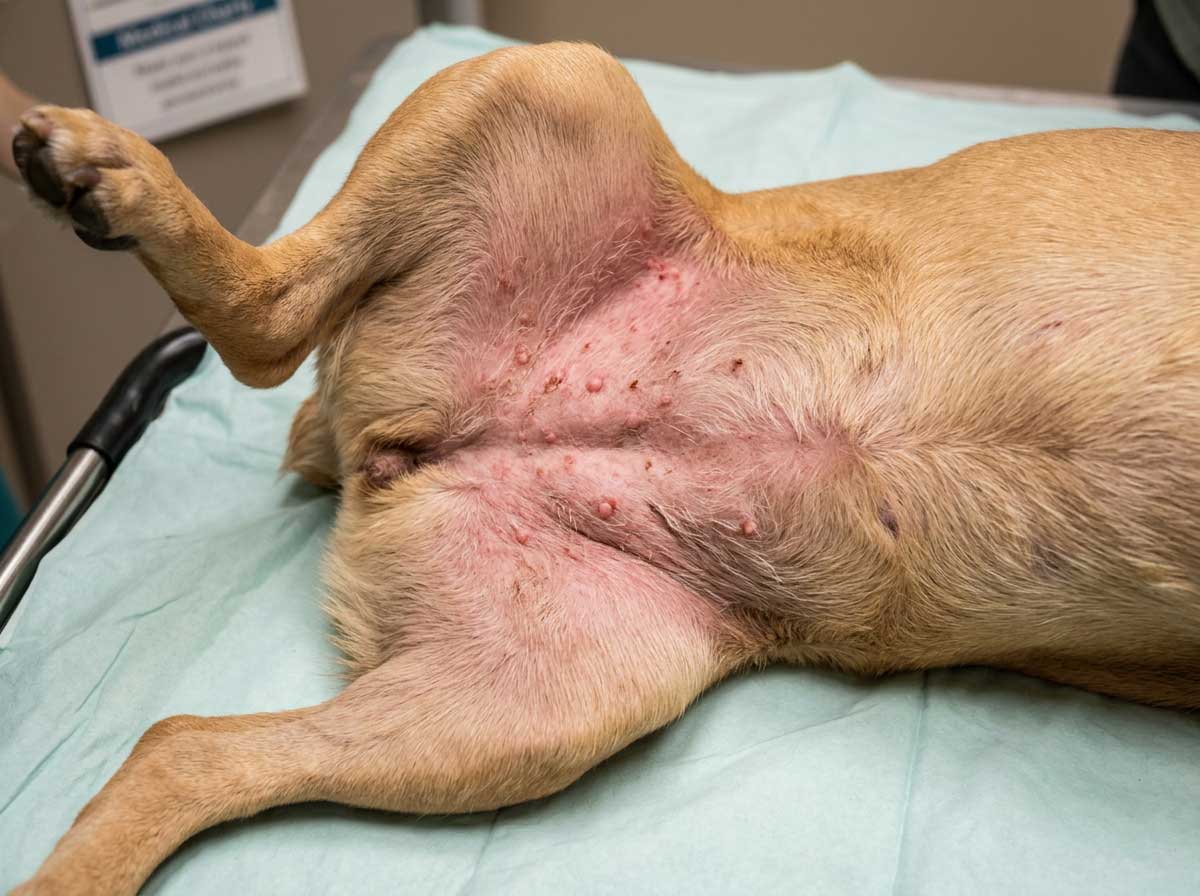
Year-round dog itchy skin with belly involvement? Our AI dog belly rash pictures tool identifies food allergy belly pattern vs yeast vs FAD.
Try Dog Belly Rash AI ToolCause 3: Yeast Malassezia Overgrowth — Brown Greasy + Musty Smell
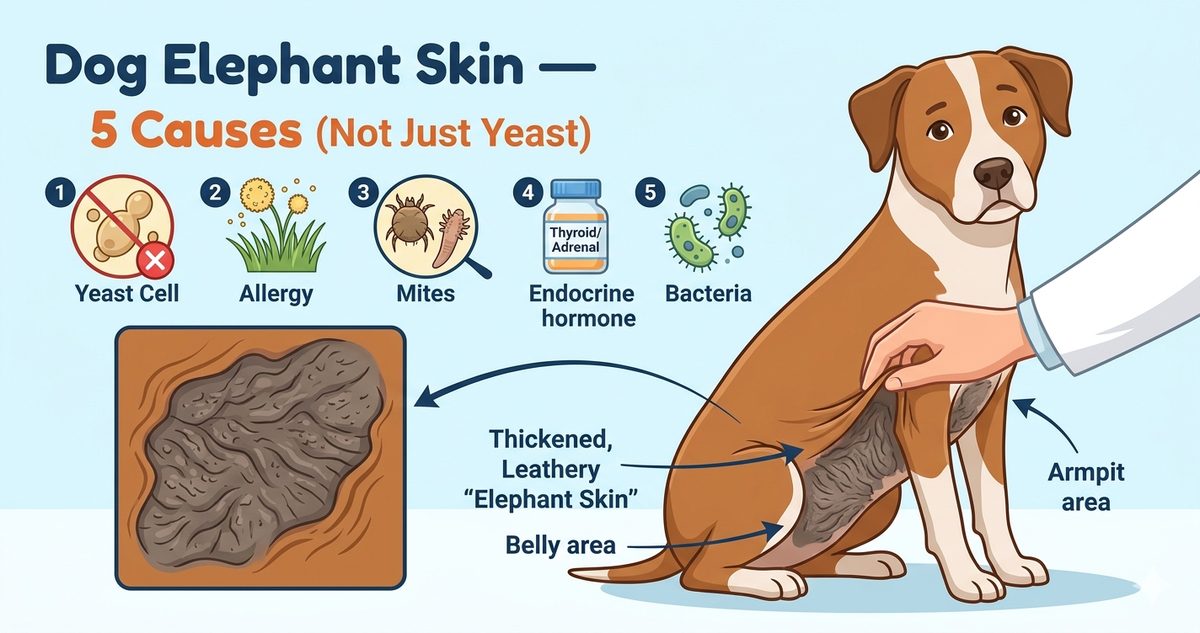
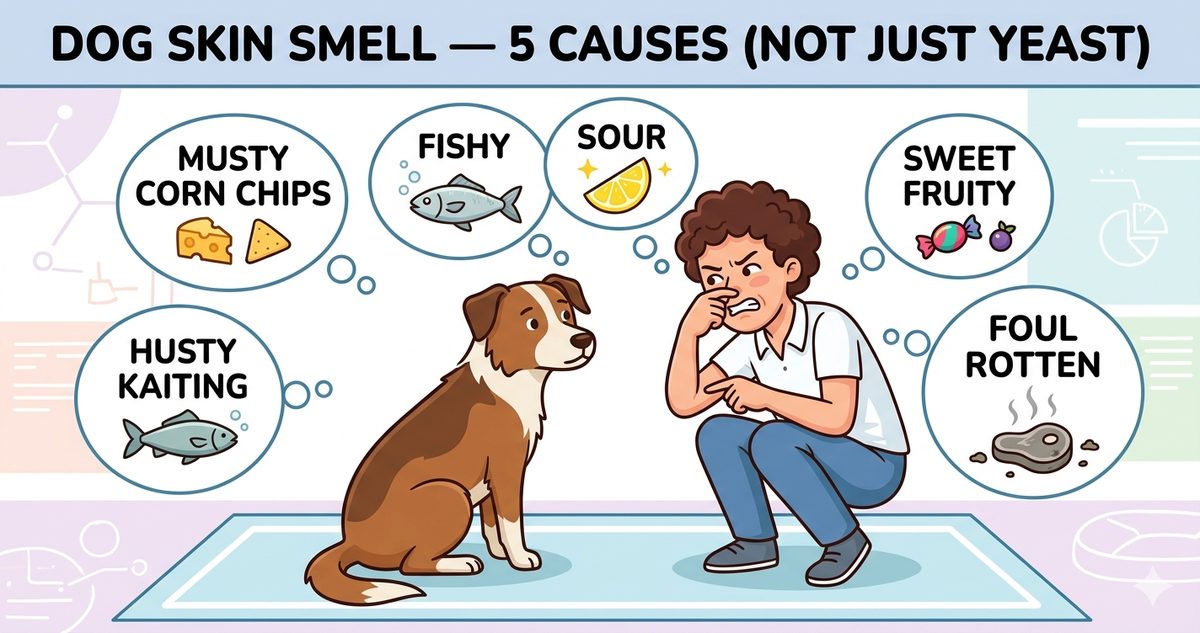
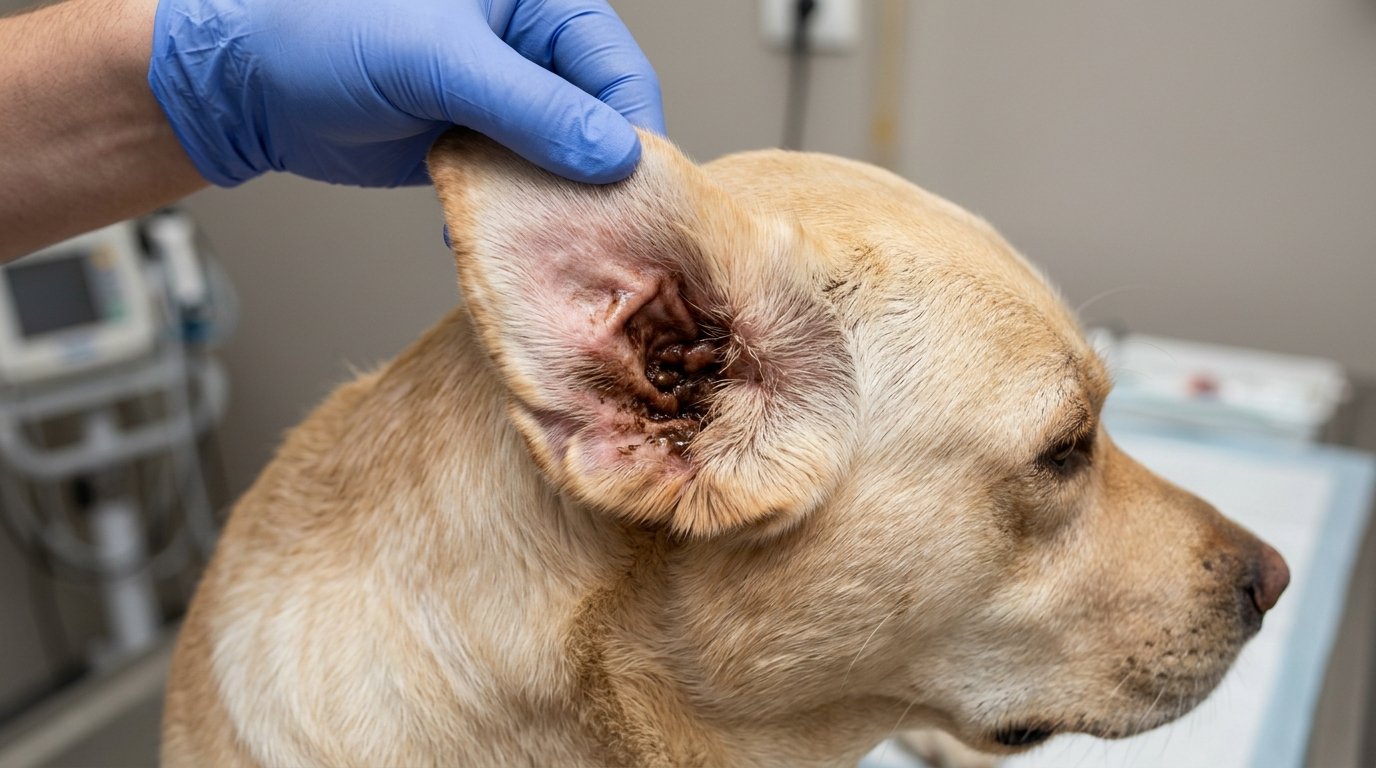
Dog itching yeast infection (Malassezia overgrowth) is often secondary to underlying allergy — the allergic dog scratches, breaks the skin barrier, and yeast that lives normally on dog skin overgrows. Dog itchy skin from yeast shows these distinctive signals: (1) Brown greasy patches in skin folds (belly fold, armpit, between toes, ear, neck folds in brachycephalic breeds). (2) Sweet musty smell often described as "corn chips" or "stale cheese" — this is the yeast metabolic byproduct and is the strongest yeast differentiator. (3) Thickened "elephant skin" (lichenification) texture in chronic cases. (4) Often focal rather than whole-body — yeast loves warm moist skin folds and paws. The dog itchy skin behavior in yeast cases includes obsessive licking of one specific area (usually paws or belly fold) rather than diffuse scratching.
The key giveaway for dog yeast Malassezia: brown greasy patches + sweet musty smell + focal location + dog obsessively licks ONE specific spot rather than scratching all over. The Best Friends Animal Society "Why Is My Dog Itching So Much" guide covers yeast as a secondary infection following allergic dermatitis.
Cause 4: Mange Parasites (Sarcoptic / Demodex)
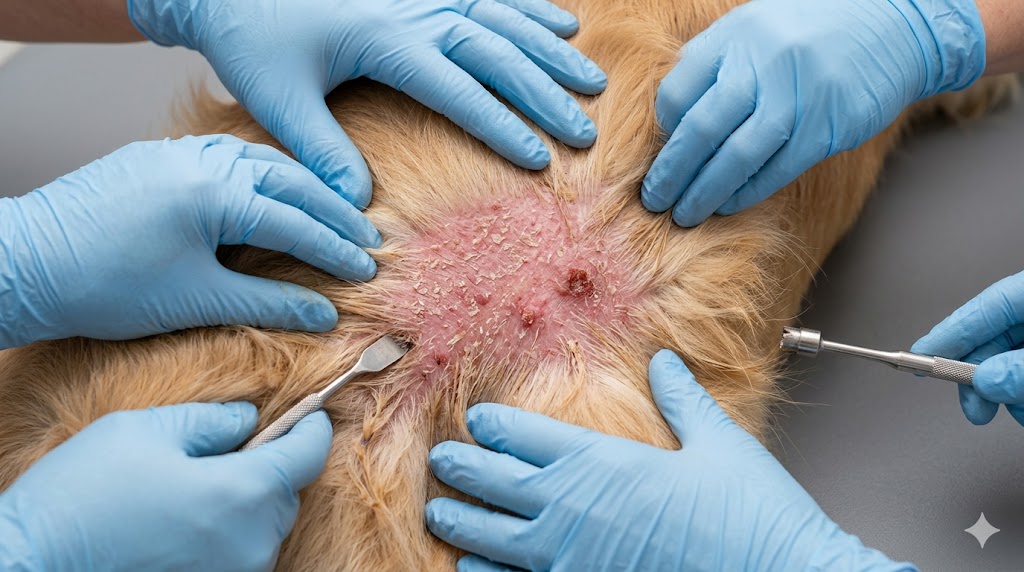
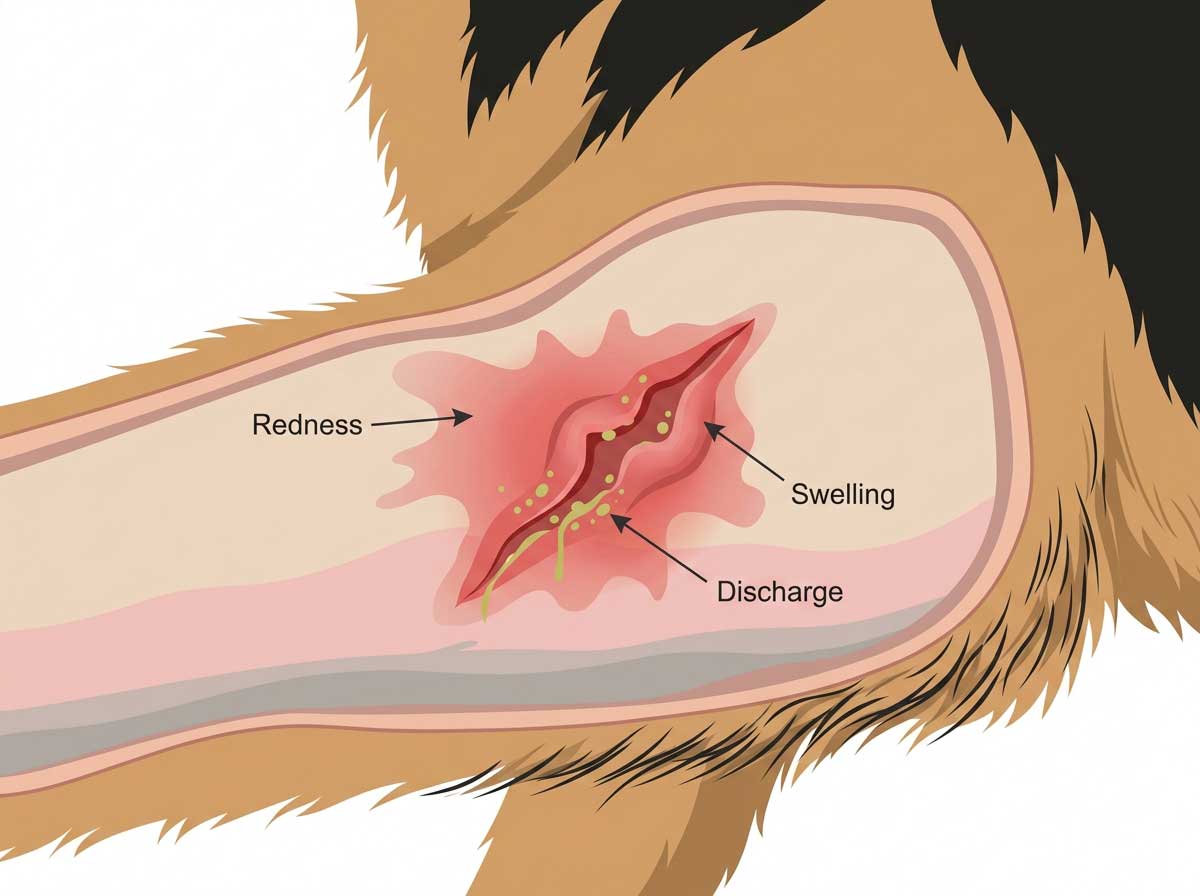
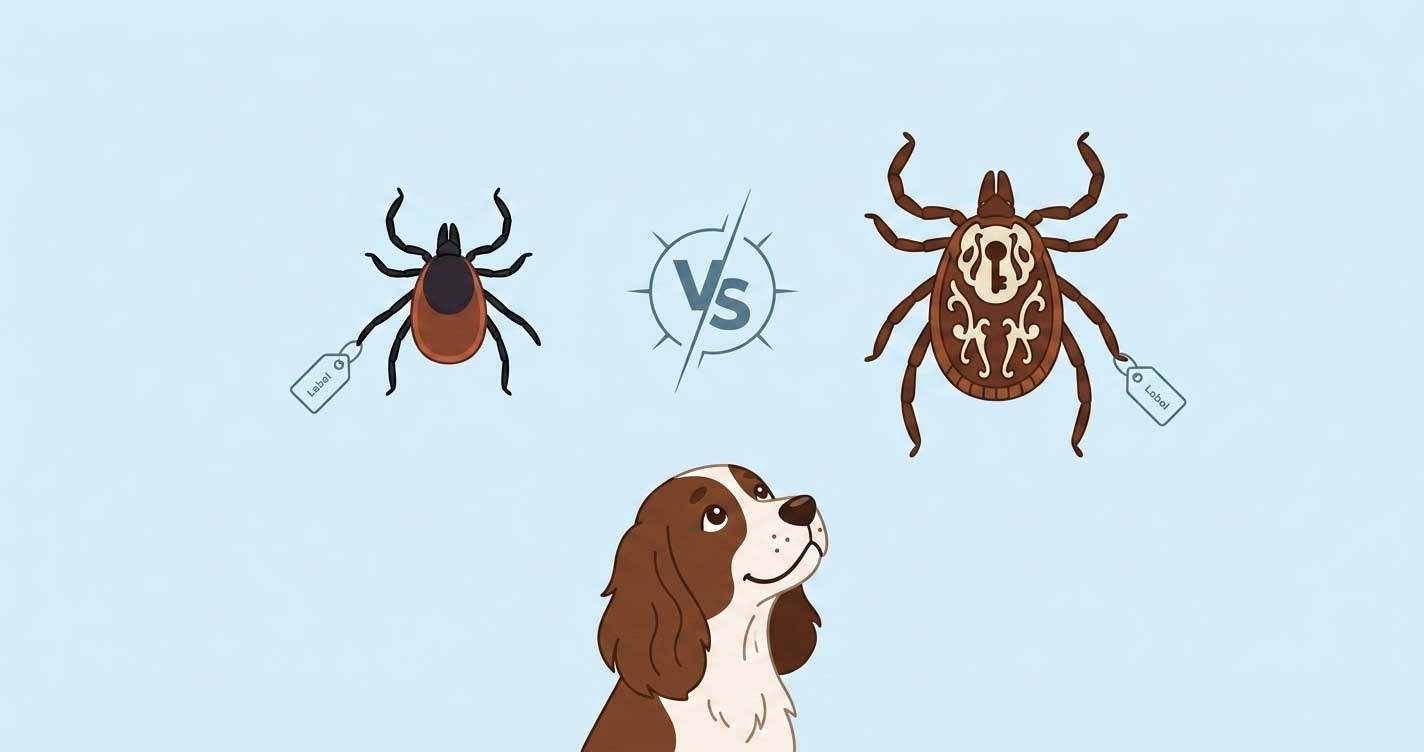
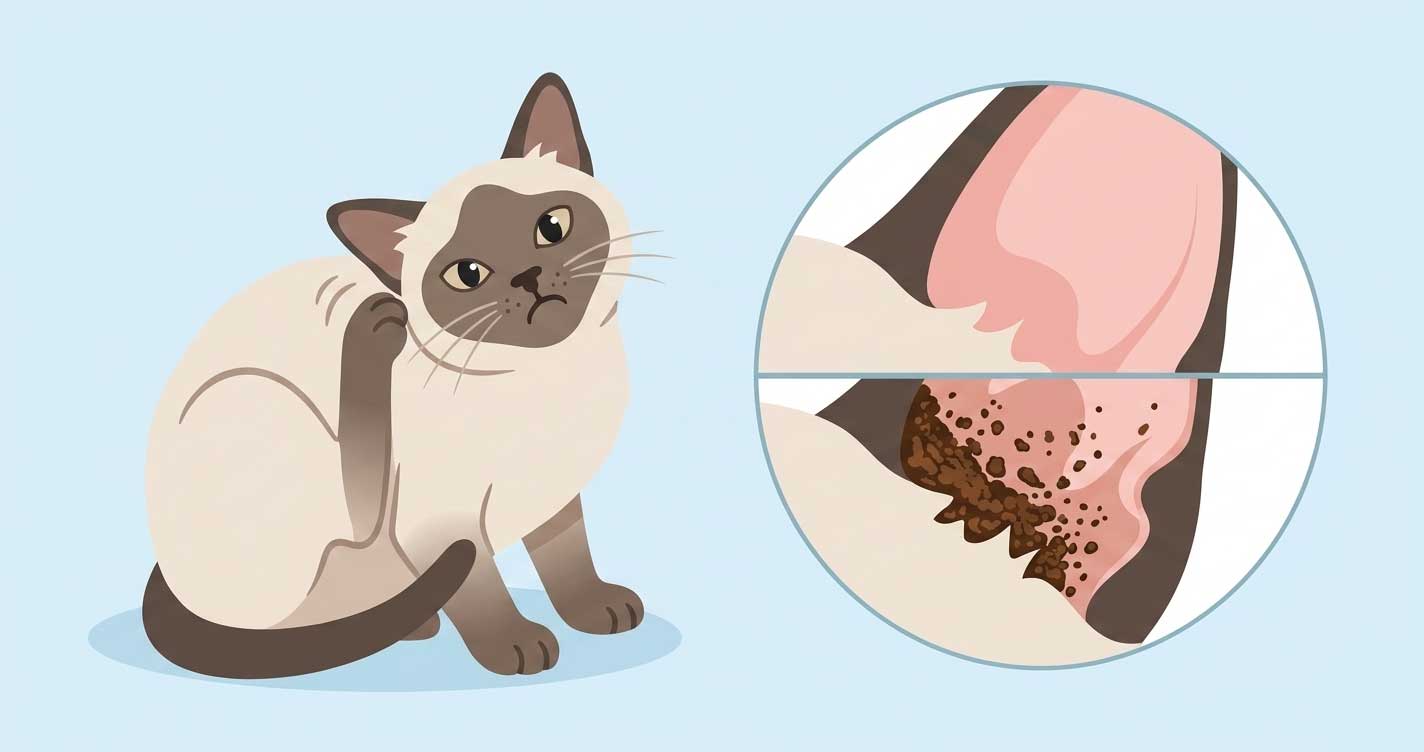
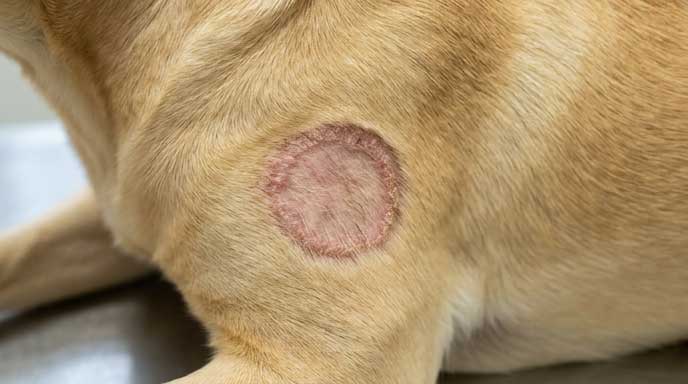
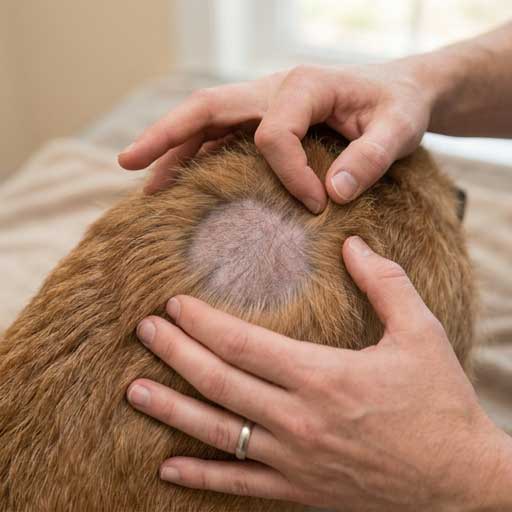
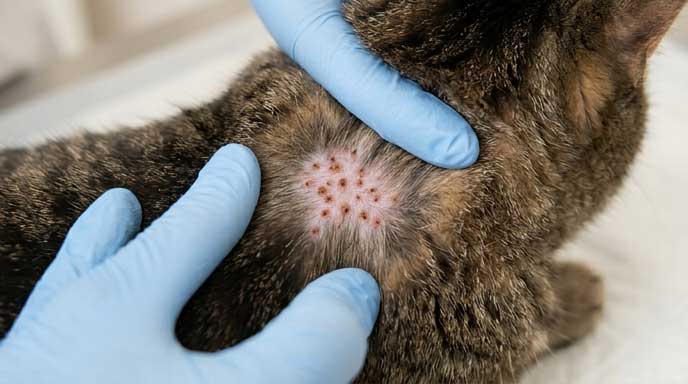
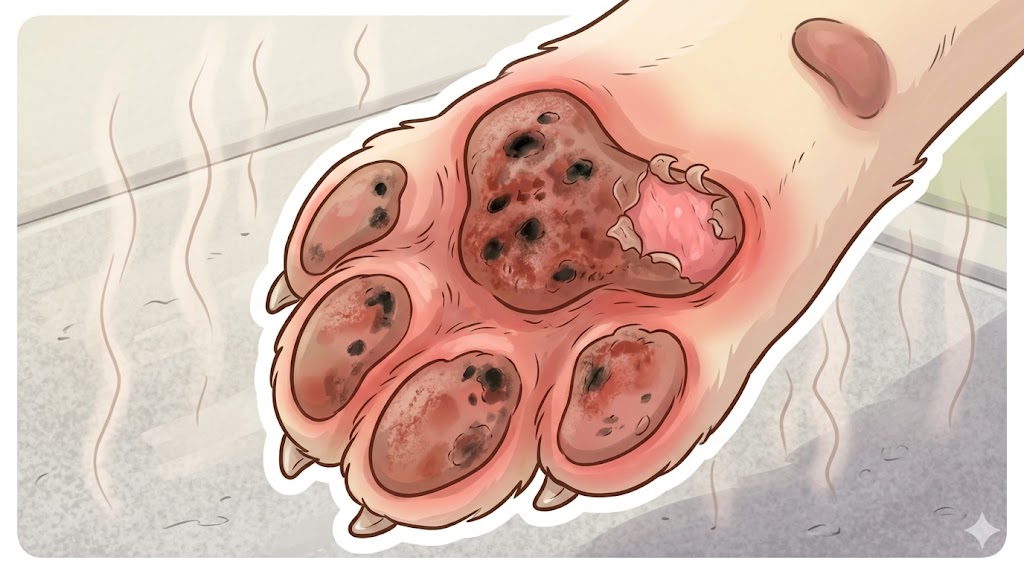
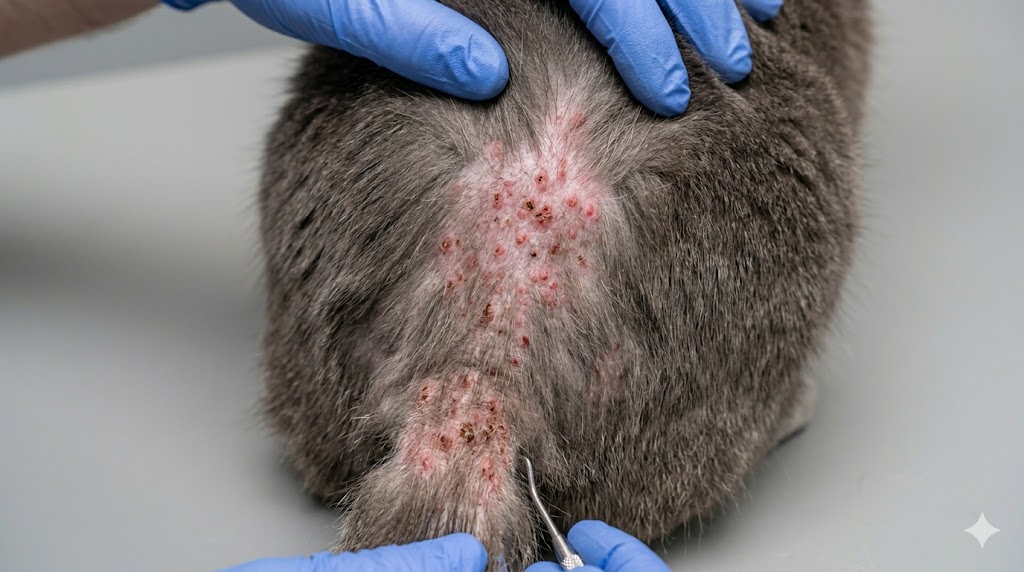
Dog itching mange is the most dangerous of the 4 non-flea causes because Sarcoptic mange (scabies) is CONTAGIOUS to humans and other pets. Dog itchy skin from mange shows distinctly different patterns by mite type: (1) Sarcoptic mange — extreme uncontrollable itching, focused on ear edges and belly initially, widespread crusty red skin, may spread to family members as circular itchy patches. (2) Demodectic mange (Demodex canis) — local hair loss patches typically on face, around eyes, and legs, NOT itchy or only mildly itchy, signals immune compromise. Young puppies and senior dogs are most at risk for Demodex. The puppy itchy skin pattern with bald patches around eyes is classic for puppy Demodex. The dog itchy skin behavior for Sarcoptic is severe distress that the dog cannot control — they will literally bleed from scratching.
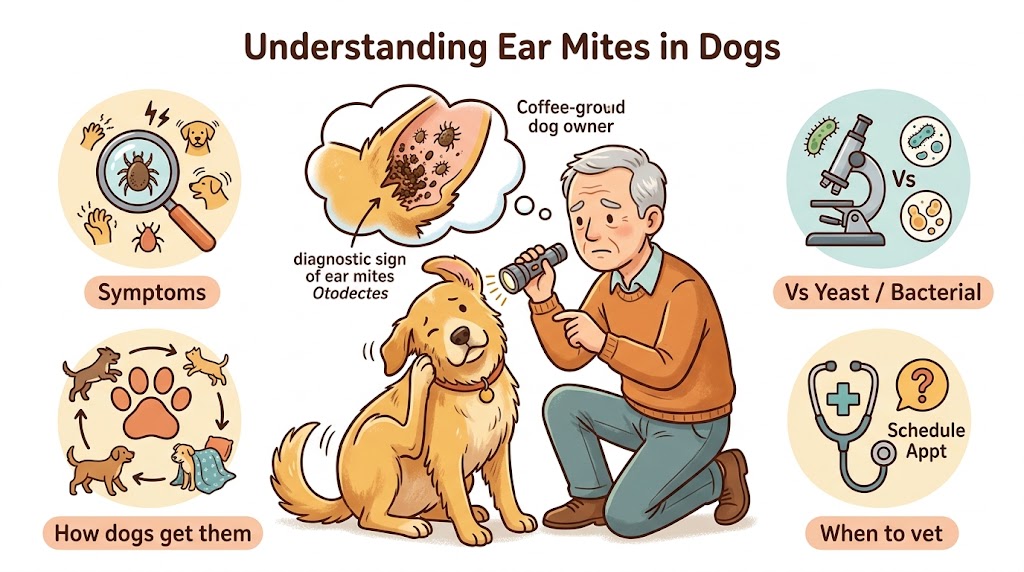
The key giveaway for dog itching mange: hair loss + behavior of extreme distress + you (or family) also developed itchy circular spots = Sarcoptic (vet within 48h). Hair loss + dog comfortable + young puppy or senior = Demodex (vet within 1 week + immune workup). Our Dog Skin Mites Pictures AI tool identifies all 5 mite types from a photo plus the zoonotic contagious warning.
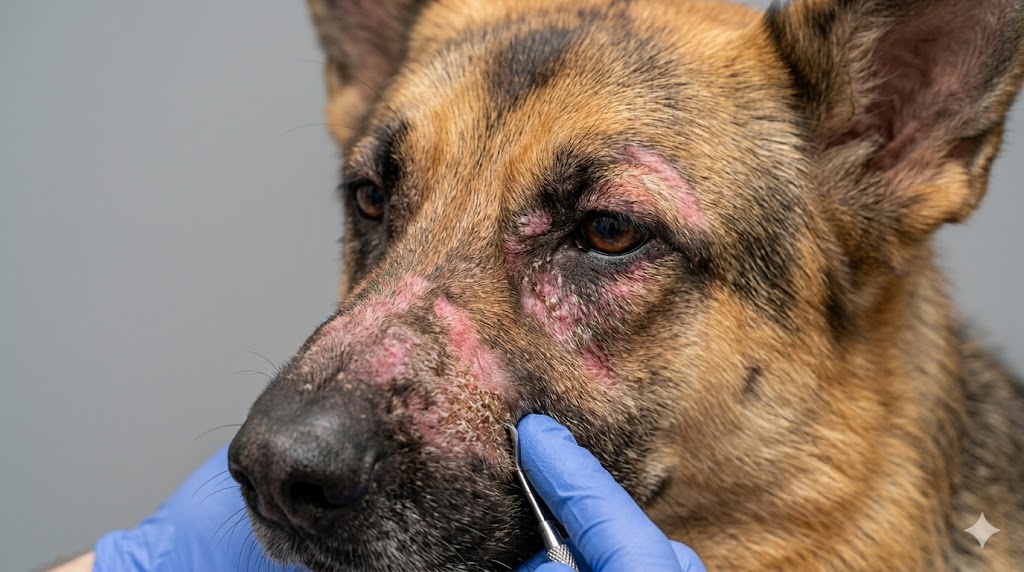
Suspect mange? Our AI dog skin mites pictures tool identifies Sarcoptic (CONTAGIOUS) vs Demodex vs ear mites vs Cheyletiella from the photo with zoonotic warning.
Try Dog Skin Mites AI ToolDog Itchy Skin at Night — Why It Often Worsens
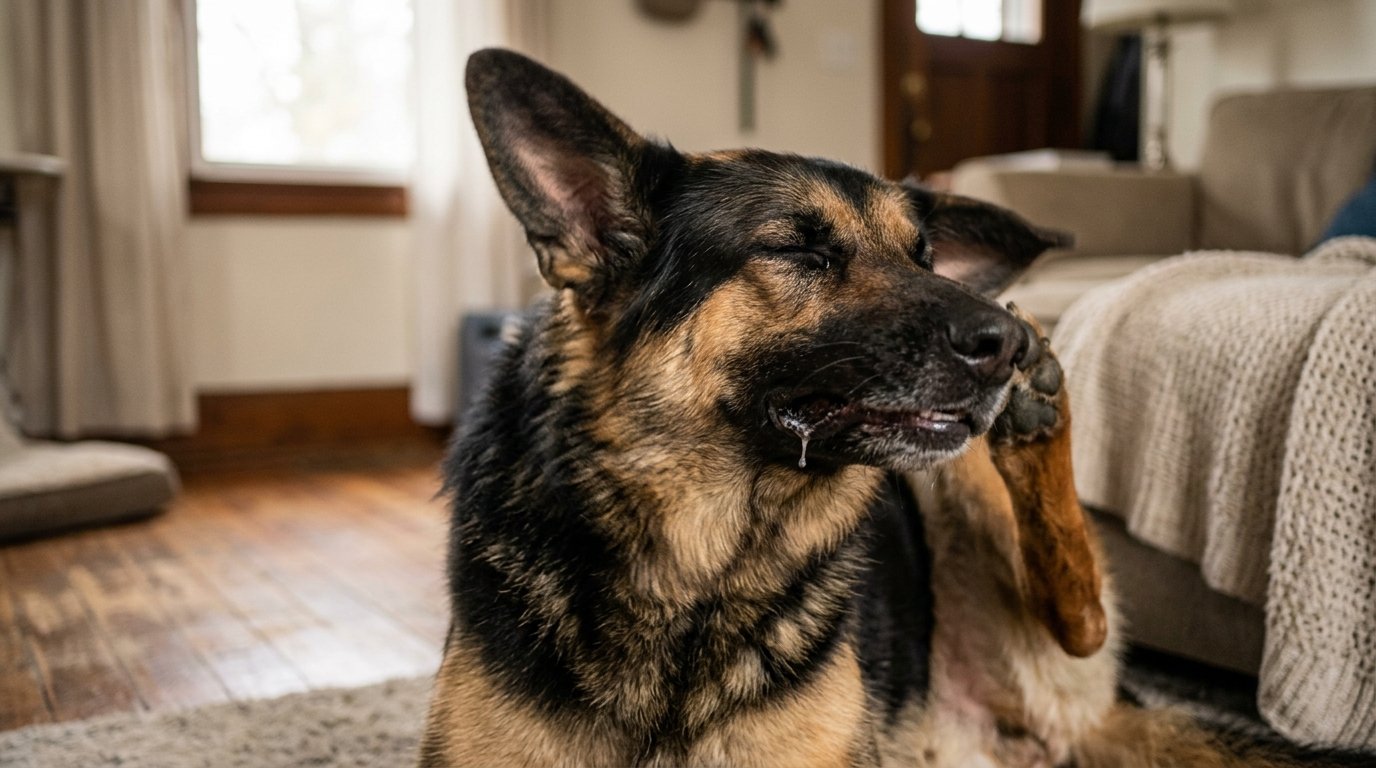
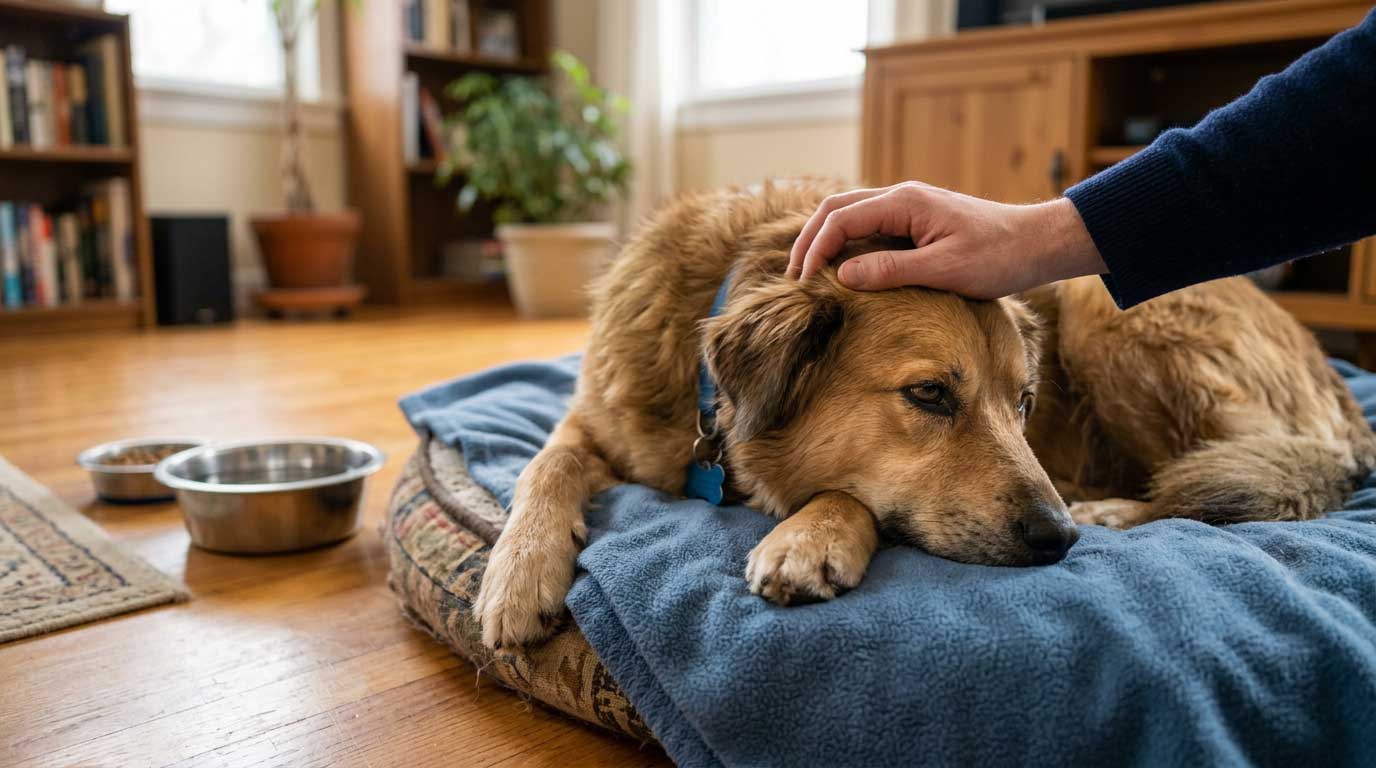
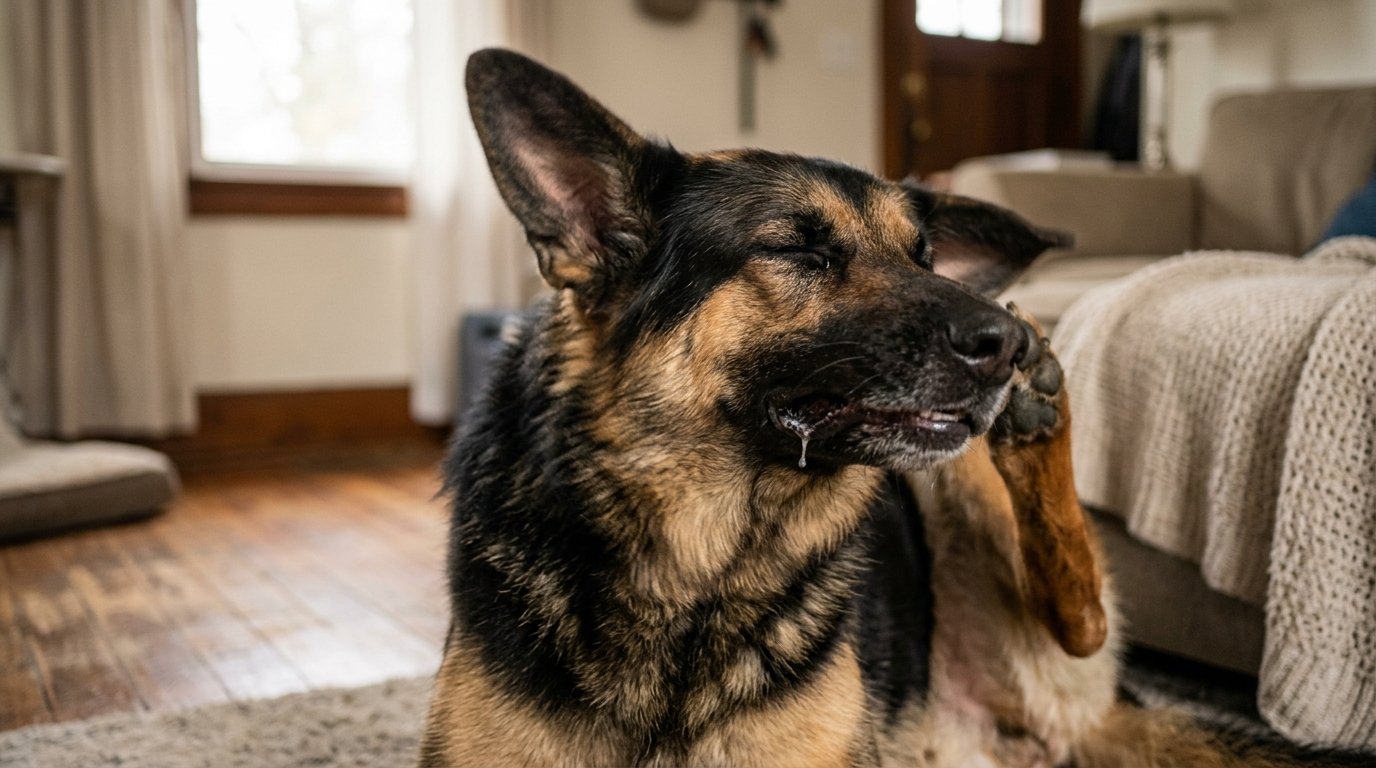
Many dog owners notice the dog itchy skin at night is much more intense than during the day. Three reasons for this dog itchy at night pattern: (1) Environmental allergens (pollen, dust) accumulated on the dog's coat during outdoor time become irritating when the dog finally rests. (2) The dog is calm enough to register and react to the itch — during daytime activity, distraction masks the sensation. (3) Histamine release follows a circadian rhythm that peaks in evening hours for many allergic conditions. The dog itchy skin at night pattern is most associated with atopic environmental allergy and yeast (the warm moist sleeping environment encourages yeast activity). Dog itchy at night with intense scratching usually signals atopic or yeast — not mange (which scratches consistently 24/7) and not food allergy (year-round even pattern). Track when the dog itchy skin is worst — pattern timing helps your vet narrow the differential.
Puppy vs Adult vs Senior Dog Itching — Age-Specific Patterns
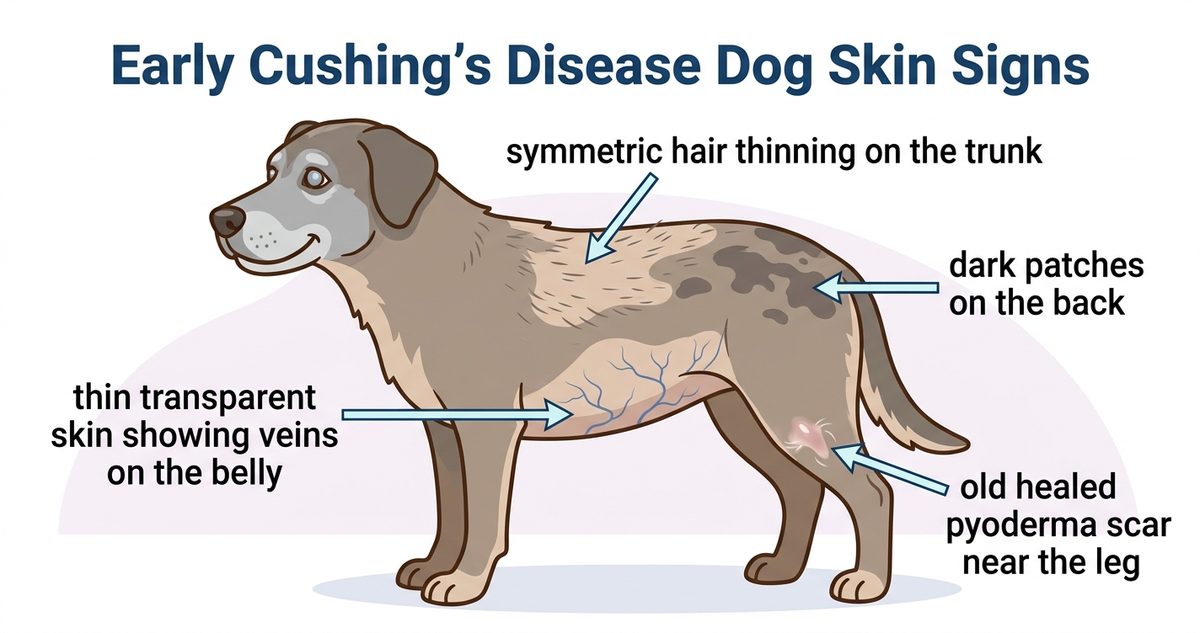
Why is my dog itchy — the answer depends partly on the dog's age. Puppy itchy skin most commonly comes from: (1) Demodectic mange (immature immune system), (2) Early-onset food sensitivity (newly introduced proteins), (3) Environmental allergies usually do not develop until 6+ months of age. Adult dog itchy skin (1-8 years) is most often atopic environmental allergy + secondary yeast. Senior dog itchy skin (8+ years) shifts toward: (1) Cushing's disease causing skin changes and secondary infections, (2) Hypothyroidism causing dry skin and recurring infections, (3) Chronic yeast from declining immune function, (4) Demodex generalized in immunocompromised seniors. The age + symptom combination is a critical clue your vet will ask about. What causes dog itchy skin in seniors is often systemic disease showing up at the skin, not a primary skin condition.
When to See a Vet — Decision Framework
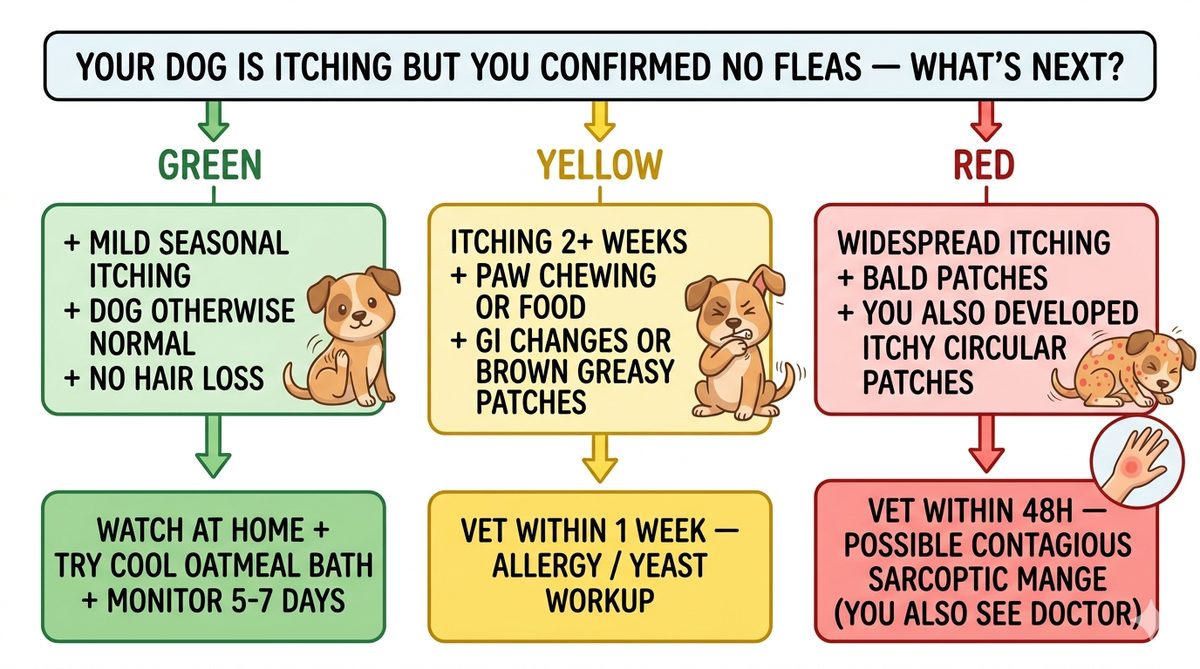
Use this dog itchy skin no fleas vet decision framework based on severity and pattern:
- ✓**Watch at home 5-7 days**: Mild seasonal itching + dog otherwise normal + no hair loss + no skin redness or open sores
- ✓**Vet within 1 week**: Itching persists 2+ weeks + paw chewing or face rubbing OR food allergy GI signs OR brown greasy patches with musty smell
- ✓**Vet within 48 hours**: Widespread itching + bald patches + skin redness + extreme distress (cannot stop scratching) OR you / family also developed itchy circular patches (possible CONTAGIOUS Sarcoptic mange)
- ✓**Emergency now**: Sudden hives + facial swelling + breathing difficulty + vomiting (anaphylaxis); rare with non-flea allergic itching but possible
Before your vet visit, prepare these data points: (1) When did the itching start, (2) Seasonal vs year-round pattern, (3) Specific body locations the dog targets, (4) Did you observe day-night intensity variation, (5) Are family members or other pets also showing skin issues, (6) Recent diet or environment changes (new food, new shampoo, new location). The dog itchy skin no fleas differential narrows quickly with these data points.
Want a 60-second AI differential? Upload a photo of your dog's itchy skin — our AI identifies the rash pattern and tells you which cause to discuss with your vet.
Try Dog Skin Rash AI ToolChronic non-flea itching can progress to elephant skin (lichenification) after months. Our new dog elephant skin guide covers 5 causes including atopic vs yeast differential.
Read Dog Elephant Skin GuideRelated Reading on Dog Skin Conditions
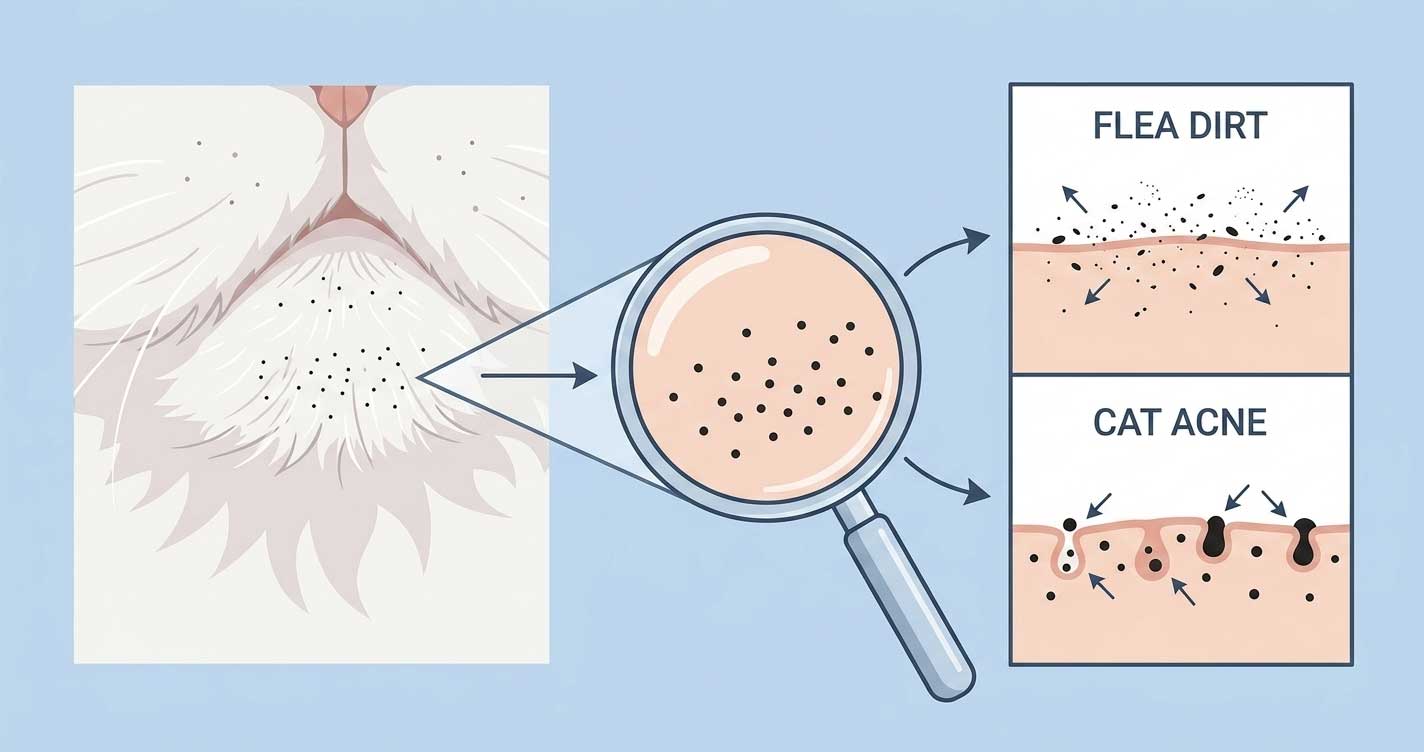
Deeper guides on related dog itchy skin no fleas topics: Dog Skin Allergy — 3 Types and What Helps covers atopic + food + flea allergy in depth; Dog Flea Dirt vs Eggs vs Black Specks covers how to confirm "no fleas" with the wet paper towel test; Dog Hot Spot — Acute Moist Dermatitis covers what an allergic dog's scratching can develop into. For an instant AI photo differential, our Dog Skin Rash Pictures AI tool identifies the 5 main rash types from a photo of your dog's skin.
Frequently Asked Questions
Why is my dog so itchy but no fleas?
+
Why is dog itchy skin worse at night?
+
Dog itchy skin no fleas — could it be mange?
+
What does atopic dermatitis look like on dogs?
+
How can I tell if my dog has yeast or just allergies?
+
Should puppy itchy skin be treated differently than adult?
+
Dog Itchy Skin No Fleas — Need a Faster Differential?
Upload a clear photo of your dog's itchy skin for an instant AI differential between atopic vs food vs yeast vs mange — including zoonotic CONTAGIOUS warning if Sarcoptic mange pattern detected.
Disclaimer: This article is for informational purposes only and is not a substitute for professional veterinary advice. Always consult a licensed veterinarian for diagnosis and treatment of your pet's health conditions.