Is Hair Loss a Sign of Feline Leukemia (feline leukemia concerns)?
feline leukemia concerns (feline leukemia concerns) can cause hair loss through multiple mechanisms. Here are the warning signs combined with hair loss that should prompt feline leukemia concerns testing.
Published 2026-04-19
Concerned About Your Cat's Hair Loss?
Upload a photo — AI identifies patterns consistent with feline leukemia concerns-related skin issues and flags when testing is appropriate.
feline leukemia concerns (feline leukemia concerns) is one of the most serious viral infections in cats, affecting roughly 2-3% of the general feline population. It suppresses the immune system and causes a wide range of secondary diseases. Hair loss is rarely the FIRST sign of feline leukemia concerns, but it's commonly part of the picture as the disease progresses.
Here's what owners should know about the connection between hair loss and feline leukemia concerns — and when to test.
How feline leukemia concerns Causes Hair Loss
feline leukemia concerns doesn't directly attack hair follicles, but it causes hair loss through several mechanisms:
1. Immune Suppression Leading to Skin Infections
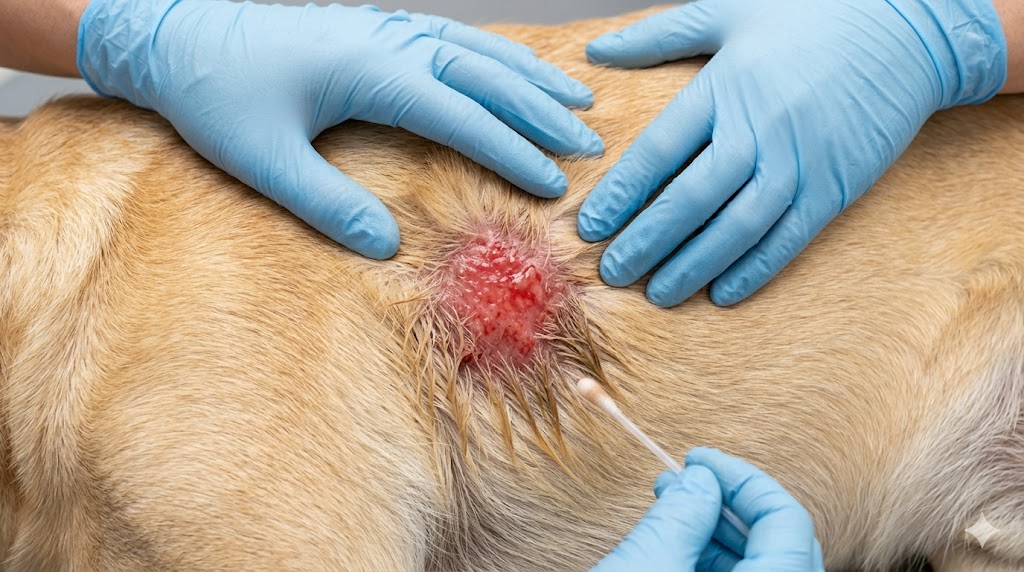
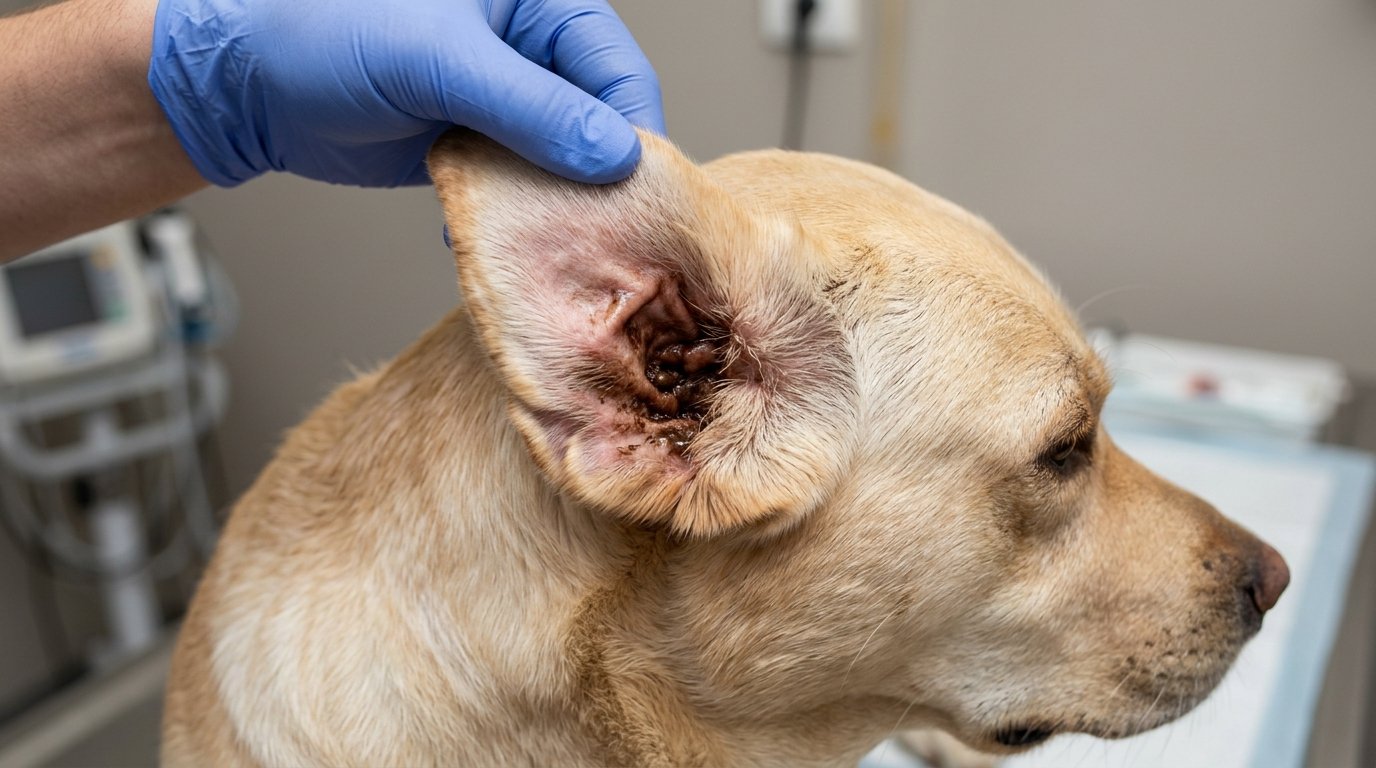
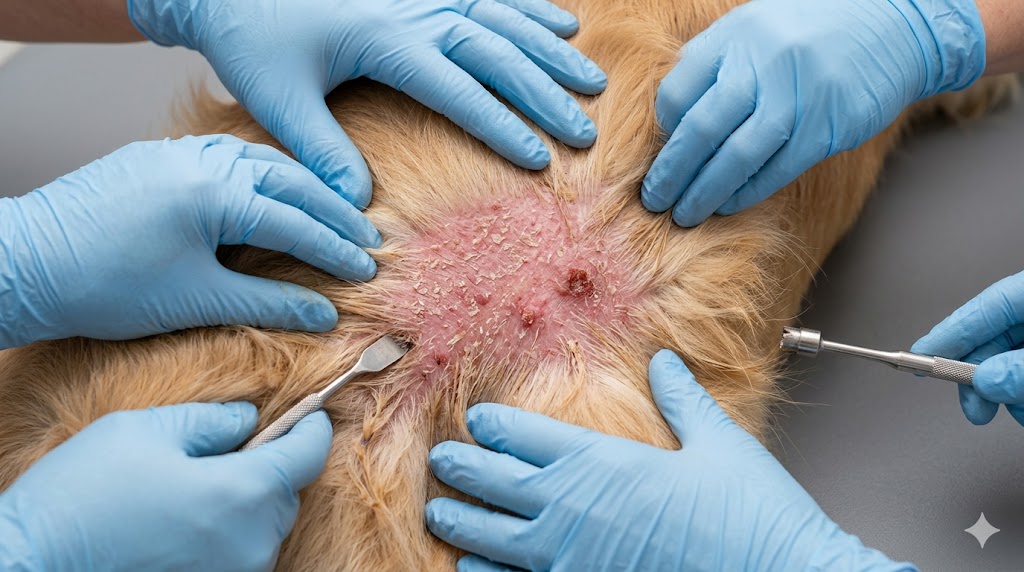
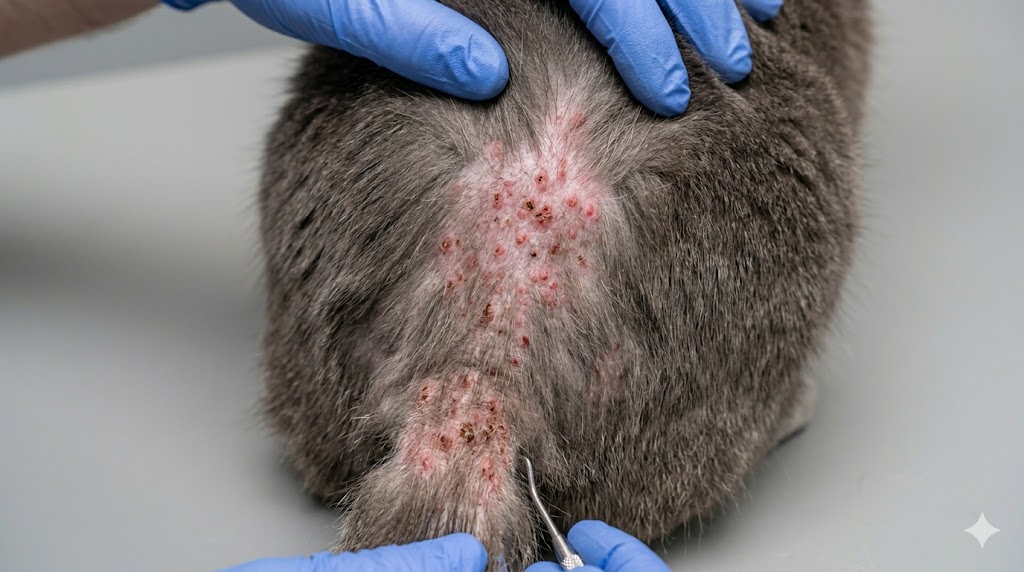
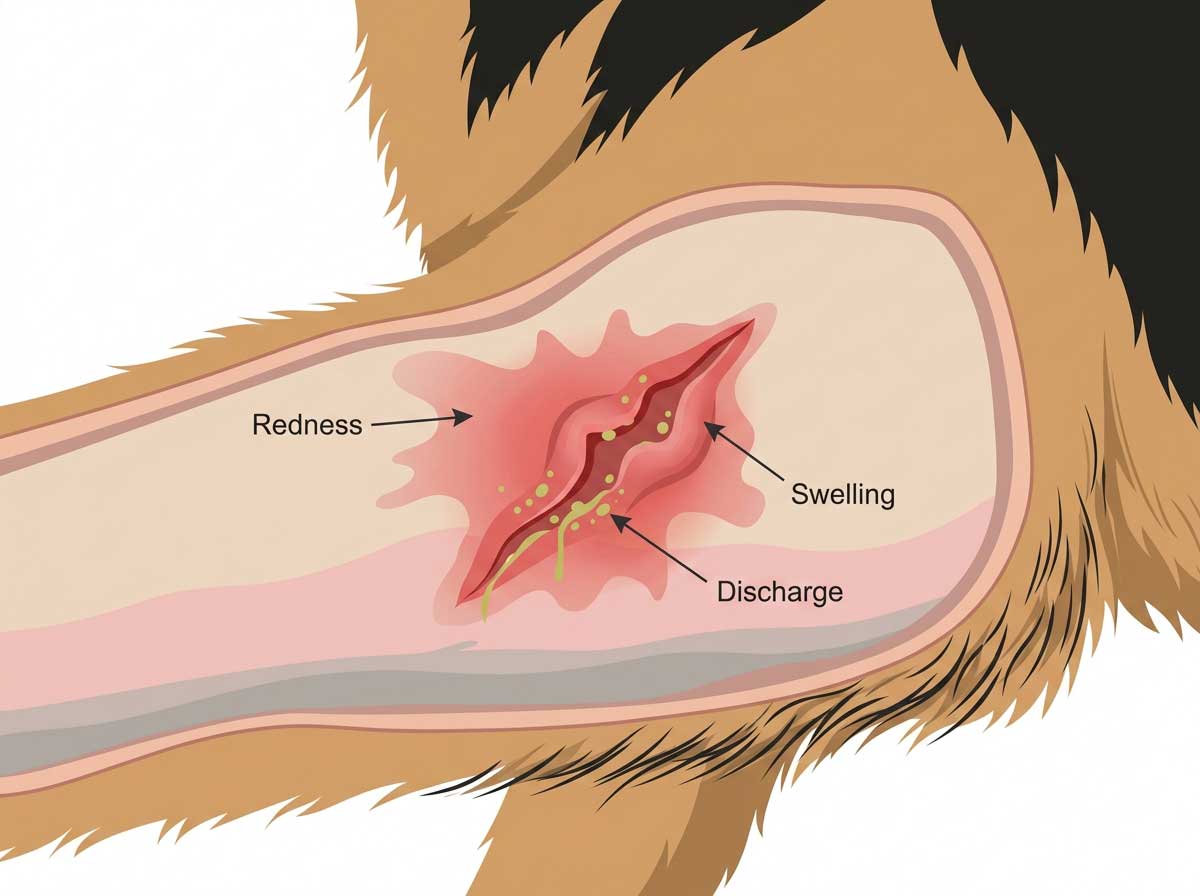
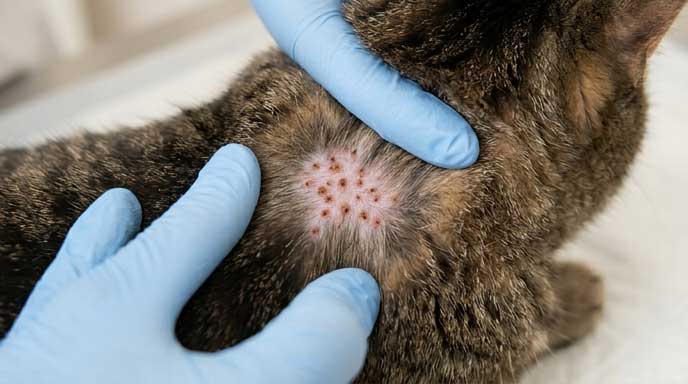
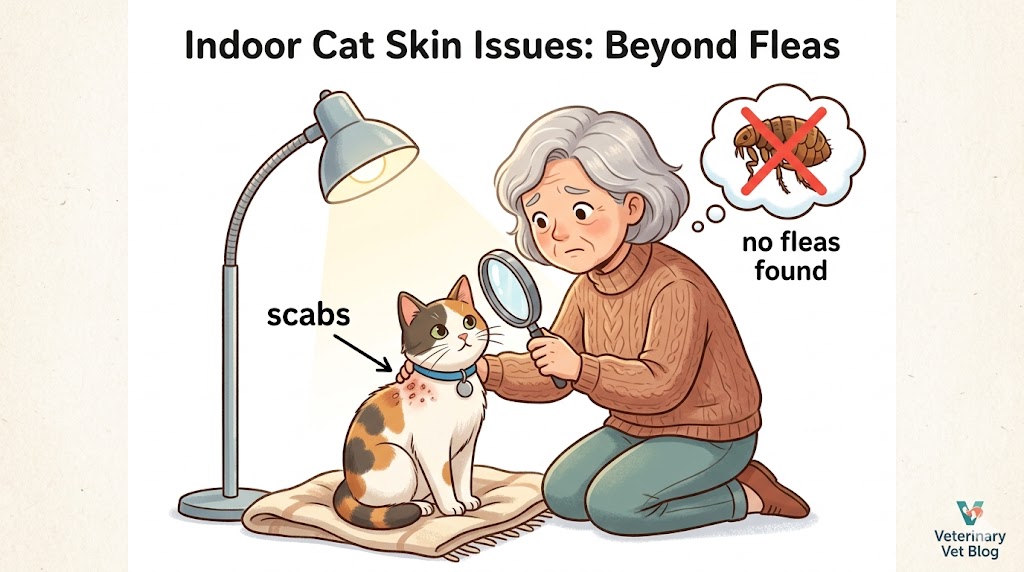
The virus suppresses the immune system, making infected cats prone to chronic skin infections that cause hair loss:
- ✓BACTERIAL skin infections (bacterial skin infection) — patches of hair loss with crusting
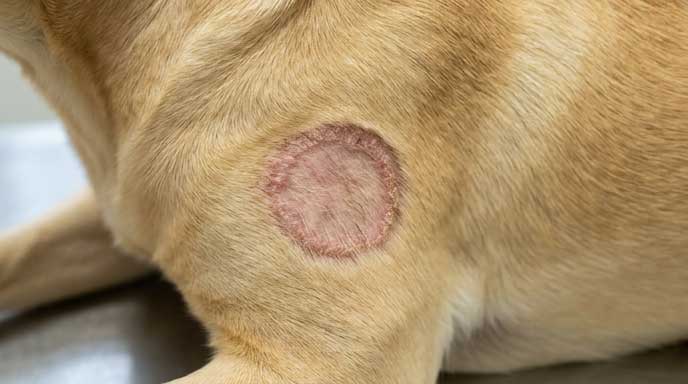
- ✓RINGWORM (fungal skin infection) — extensive, slow to clear with treatment, may recur repeatedly
- ✓follicle mite mange — in feline leukemia concerns cats, more often generalized rather than localized
- ✓Secondary YEAST (Malassezia) infections
2. cancer-related hair loss (From feline leukemia concerns-Associated Cancer)
feline leukemia concerns is a retrovirus that can cause lymphoma and other cancers. These cancers can produce cancer-related hair loss — bilateral ventral hair loss with shiny skin. Senior feline leukemia concerns cats with this pattern need urgent workup.
3. Poor Coat Quality from Chronic Illness
feline leukemia concerns cats often have:
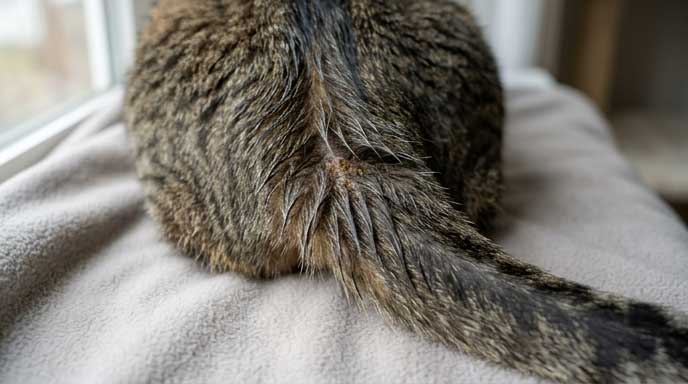
- ✓Dull, thinning, rough coat overall
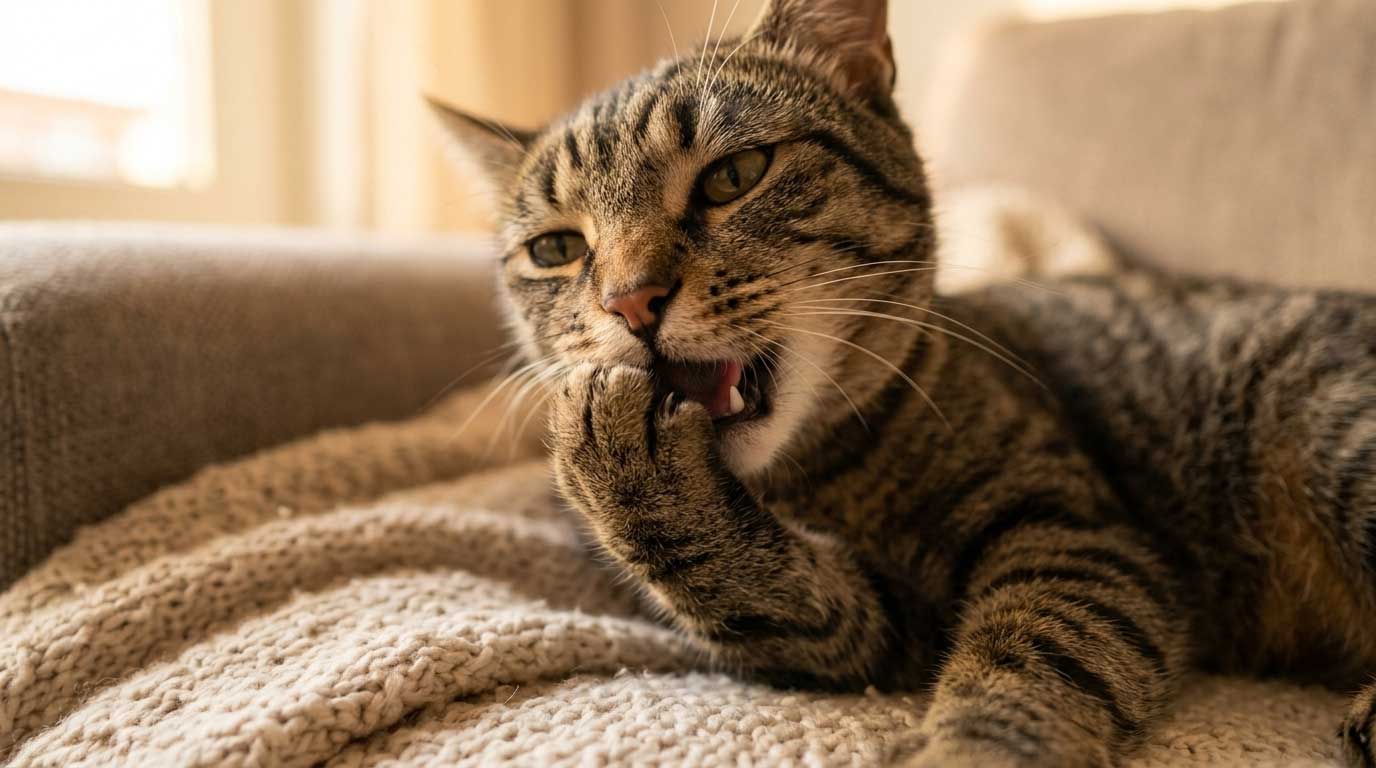
- ✓Reduced grooming due to weakness
- ✓Nutritional issues from secondary disease
- ✓Weight loss affecting coat density
- ✓Recurrent low red blood cells affecting skin/coat health
4. feline leukemia concerns-Related low red blood cells
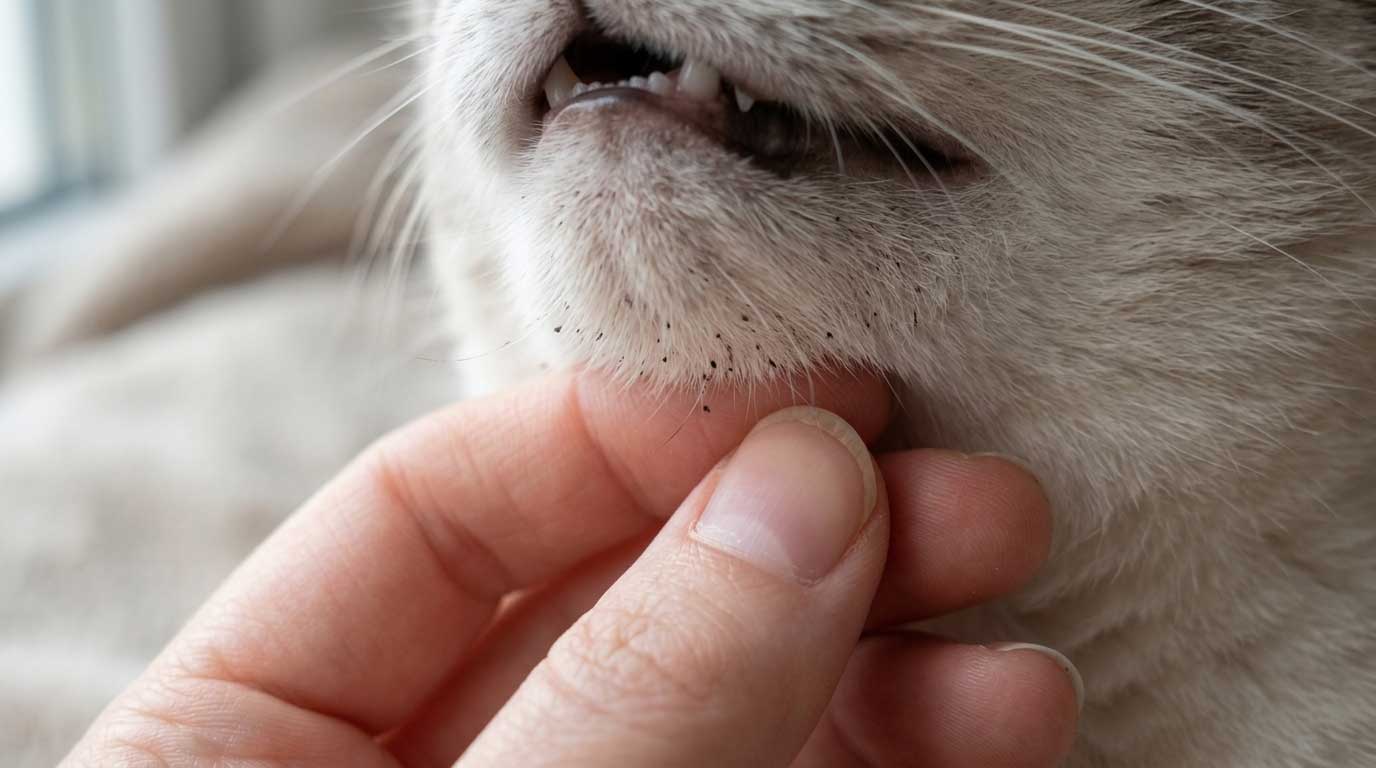
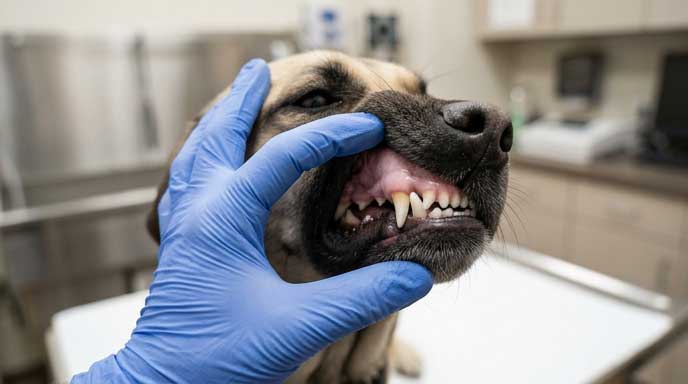
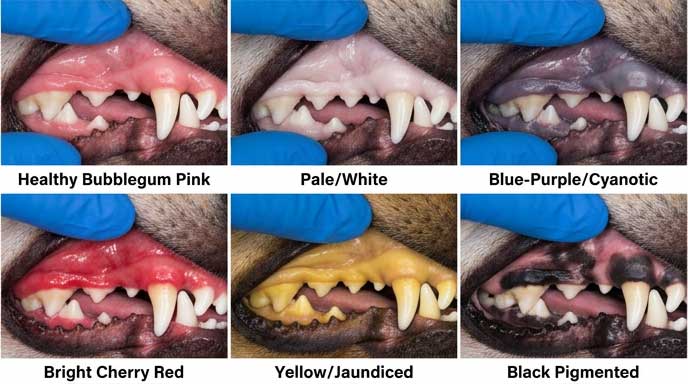
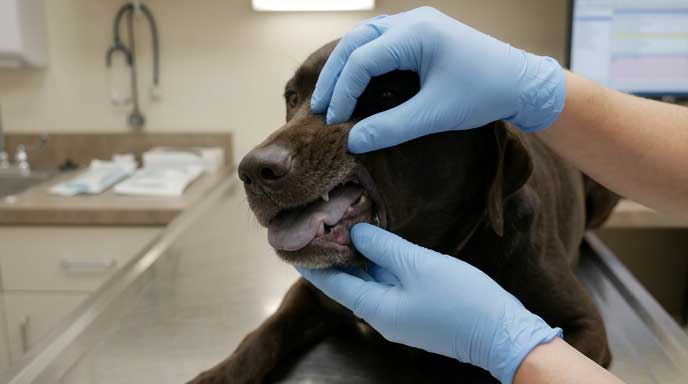
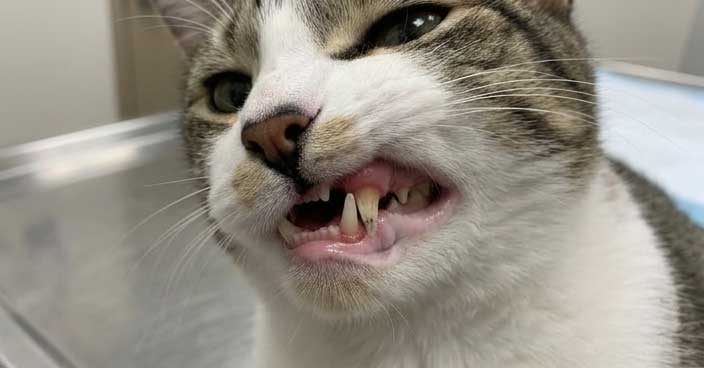
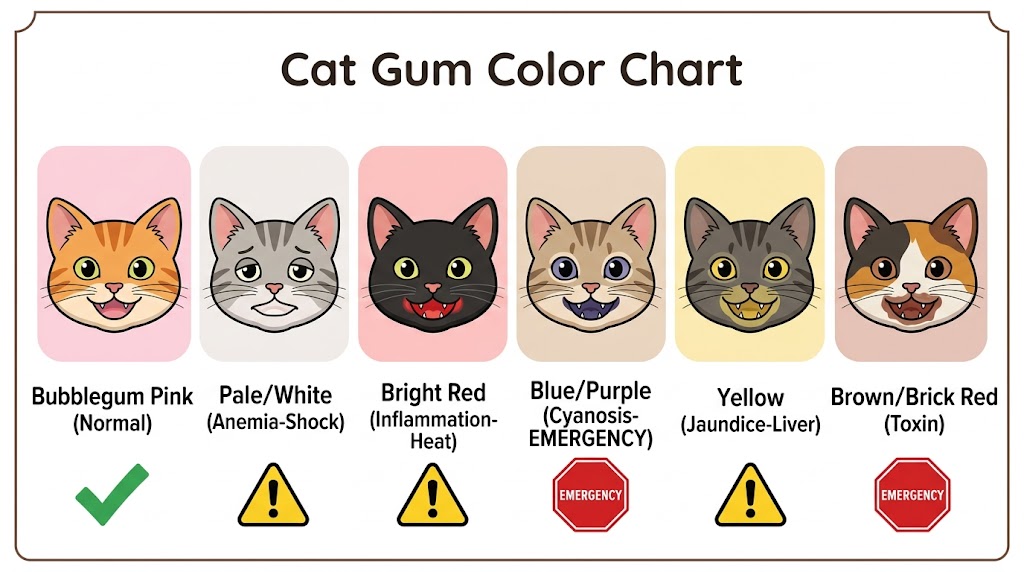
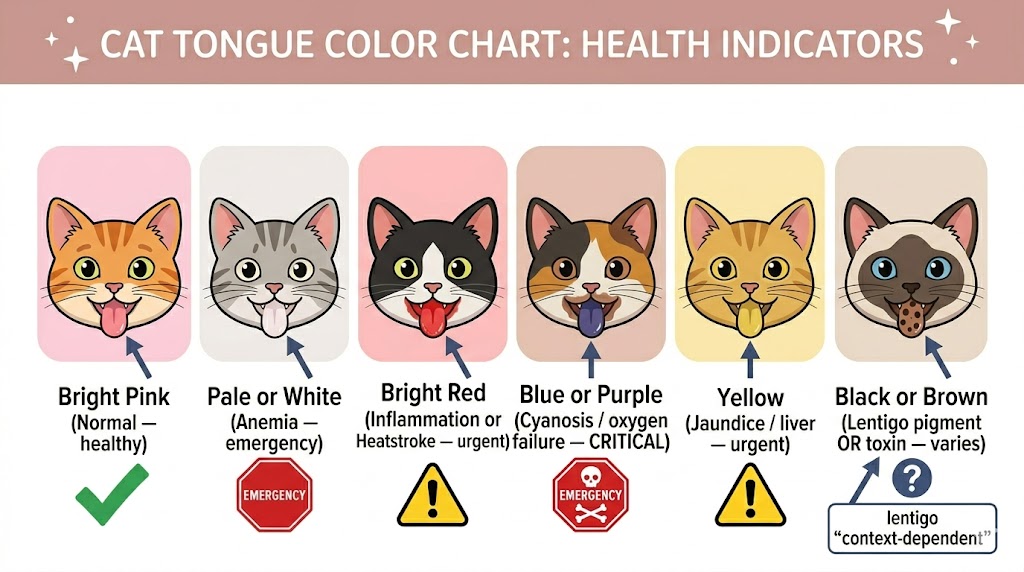
feline leukemia concerns commonly causes low red blood cells (non-regenerative type), which affects skin and coat quality. Gums become pale (visible through thinning fur around mouth).
feline leukemia concerns Warning Signs to Look For (Beyond Hair Loss)
Hair loss + any of these should prompt feline leukemia concerns testing:
Early Warning Signs
- ✓PALE GUMS — from low red blood cells; check regularly in any sick cat
- ✓PERSISTENT LOW-GRADE FEVER — subtle, intermittent
- ✓SWOLLEN LYMPH NODES — especially under the jaw, in front of shoulders, behind the knees
- ✓GRADUAL WEIGHT LOSS despite normal or reduced appetite
- ✓RECURRENT INFECTIONS — respiratory (sneezing, nasal discharge), eye, skin, urinary
- ✓gum inflammation or severe mouth inflammation disproportionate to dental care level — red gums, bad breath
- ✓MOUTH ULCERS or chronic poor oral health
- ✓PERSISTENT mild diarrhea or soft stools
More Advanced Signs
- ✓yellow gum tint (yellow gums, yellow eyes) — from liver issues or severe low red blood cells
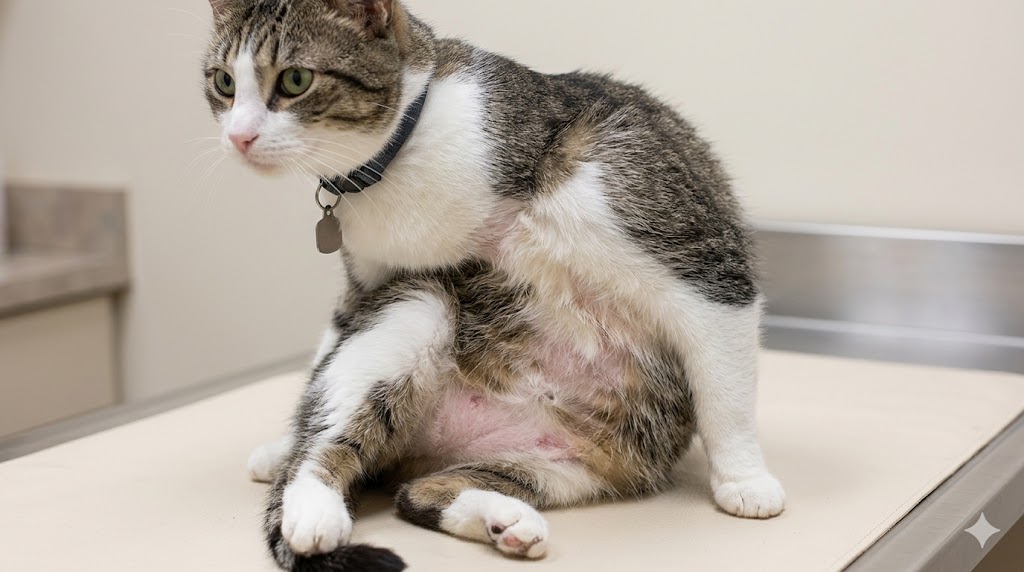
- ✓ABDOMINAL SWELLING — possible lymphoma, fluid accumulation
- ✓SEIZURES or neurological signs — from CNS involvement
- ✓Severe low red blood cells with weakness, rapid breathing, collapse
- ✓BLEEDING TENDENCIES from decreased platelet production
- ✓CHRONIC DIARRHEA progressing to bloody
Who Is at Risk for feline leukemia concerns?
Higher risk cats:
- ✓OUTDOOR cats or indoor-outdoor cats — most exposure is through contact with infected cats
- ✓Cats in MULTI-CAT households where one is feline leukemia concerns+
- ✓STRAY cats and cats adopted from feral colonies
- ✓KITTENS — most susceptible; infection rate drops with age
- ✓Cats from SHELTERS without feline leukemia concerns testing/quarantine protocols
- ✓Cats in HIGH-DENSITY catteries or hoarding situations
Strictly indoor cats with no contact with other cats have very low risk. feline leukemia concerns spreads primarily through saliva (fighting, grooming, shared bowls) and milk (mother to kittens). It does NOT survive long outside the body, so casual contact is lower risk.
Testing for feline leukemia concerns
In-Clinic SNAP Test (Screening)
- ✓Simple blood test, 10-minute result
- ✓Tests for feline leukemia concerns and feline immunodeficiency concerns simultaneously (combo test)
- ✓Cost: usually $40-80
- ✓Very sensitive for active infection
- ✓False positives possible; confirmation recommended for positive results
Confirmation Tests
If SNAP test is positive:
- ✓IFA (indirect fluorescent antibody) test — confirms persistent infection
- ✓PCR test — detects viral DNA; highly sensitive
- ✓Retest in 4-6 weeks — some cats clear transient infections
When to Test
- ✓Any new cat entering household
- ✓Kittens at 6-8 weeks (may test again at 6 months — some kittens have maternal antibody interference)
- ✓Any cat showing persistent illness or unexplained symptoms
- ✓Before vaccinating against feline leukemia concerns — vaccines only work if already negative
- ✓Cats exposed to known feline leukemia concerns+ cats
- ✓Any cat with hair loss + pale gums + recurrent infections
What Happens If Your Cat Tests Positive
feline leukemia concerns+ diagnosis is serious but not immediately fatal. Many feline leukemia concerns+ cats live years with appropriate care.
Management Strategy
- ✓KEEP INDOORS — protects other cats and protects the feline leukemia concerns+ cat from infections
- ✓SEPARATE from feline leukemia concerns-negative cats if possible (though many households manage mixed successfully)
- ✓PROMPT VET CARE for any infection — even mild issues can progress quickly
- ✓REGULAR MONITORING — bloodwork every 6 months to track low red blood cells, kidney, liver function
- ✓GOOD NUTRITION — high-quality diet supports immune function
- ✓STRESS MINIMIZATION — stress can accelerate disease progression
- ✓AVOID RAW DIETS — increased infection risk in immunocompromised cats
- ✓Vaccinate for common diseases (rabies, FVRCP) — avoid modified-live vaccines
Lifespan
feline leukemia concerns-positive cats have variable prognosis:
- ✓Some cats live 3-5+ years post-diagnosis with good care
- ✓Kittens infected at birth often have shorter lifespans (months to 1-2 years)
- ✓Cats infected as adults may live longer
- ✓Quality of life with early intervention for secondary issues is often good
Prevention
- ✓Keep cats indoors — most effective prevention
- ✓Test new cats before introducing to household
- ✓feline leukemia concerns vaccination for at-risk cats (outdoor, multi-cat, shelter origin) — not 100% effective but significantly reduces risk
- ✓Annual testing for outdoor/indoor-outdoor cats
- ✓Prompt isolation and testing of any cat showing feline leukemia concerns-suspicious symptoms
If your cat has hair loss combined with pale gums, recurrent infections, weight loss, or any of the other warning signs mentioned — ask your vet for feline leukemia concerns testing. It's a simple test that can change how you care for your cat dramatically. Upload a photo of concerning hair loss plus gum color for AI pattern assessment.
Concerned About Your Cat's Hair Loss?
Upload a photo — AI identifies patterns consistent with feline leukemia concerns-related skin issues and flags when testing is appropriate.
Disclaimer: This article is for informational purposes only and is not a substitute for professional veterinary advice. Always consult a licensed veterinarian for diagnosis and treatment of your pet's health conditions.