Why Does My Cat Put Her Paws in Water Bowl? 5 Reasons
Why does my cat put her paws in water bowl? 5 reasons — water surface depth perception, ancestral instinct, ripple curiosity, taste-check, and whisker fatigue.
Published 2026-06-22
Worried about your cat's paw or skin behavior?
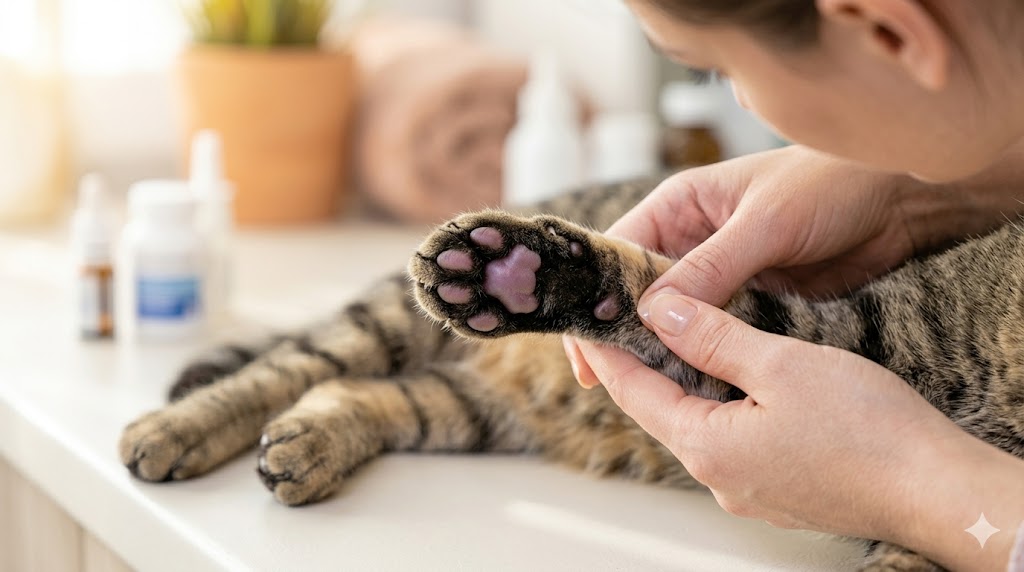
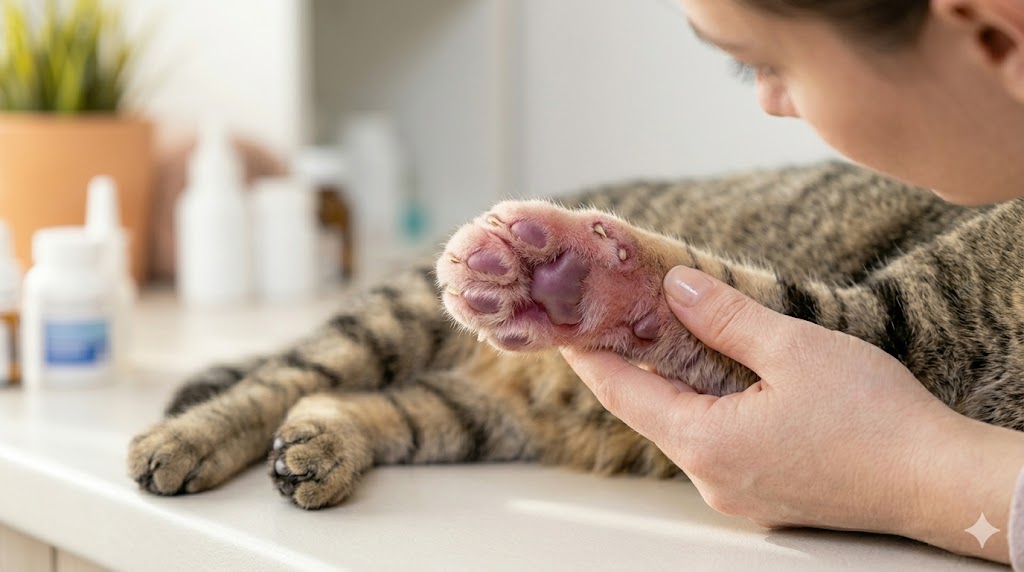
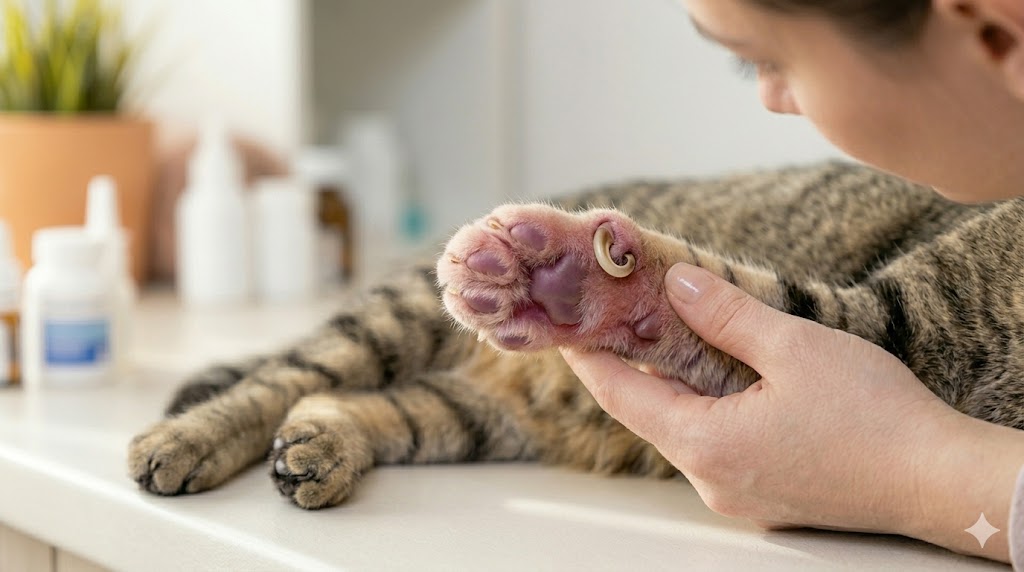
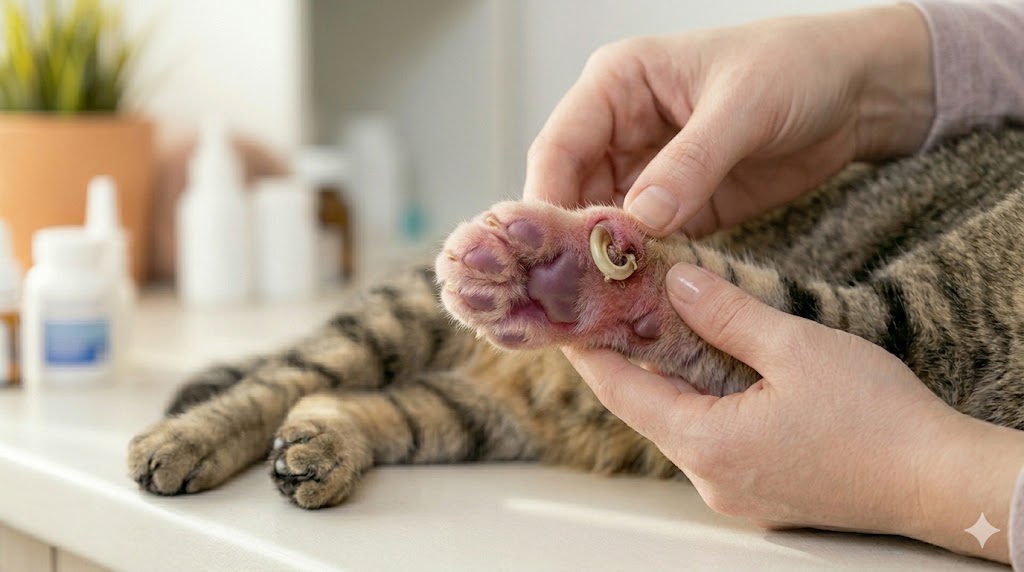
If your cat is licking paws, chewing paws, or showing redness or swelling outside the water-bowl pawing routine, upload a clear photo and our AI compares against bacterial infection, yeast, abscess, and healthy paw patterns in seconds.
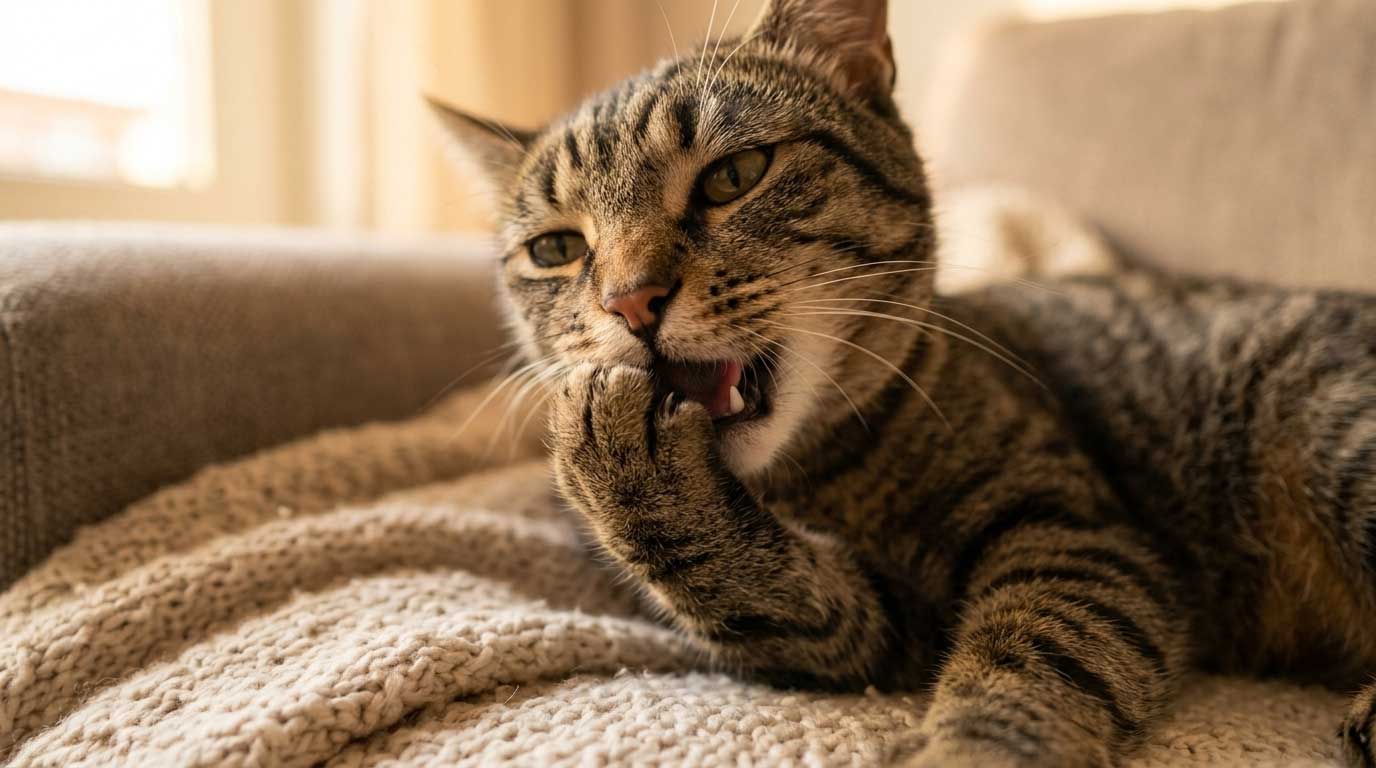
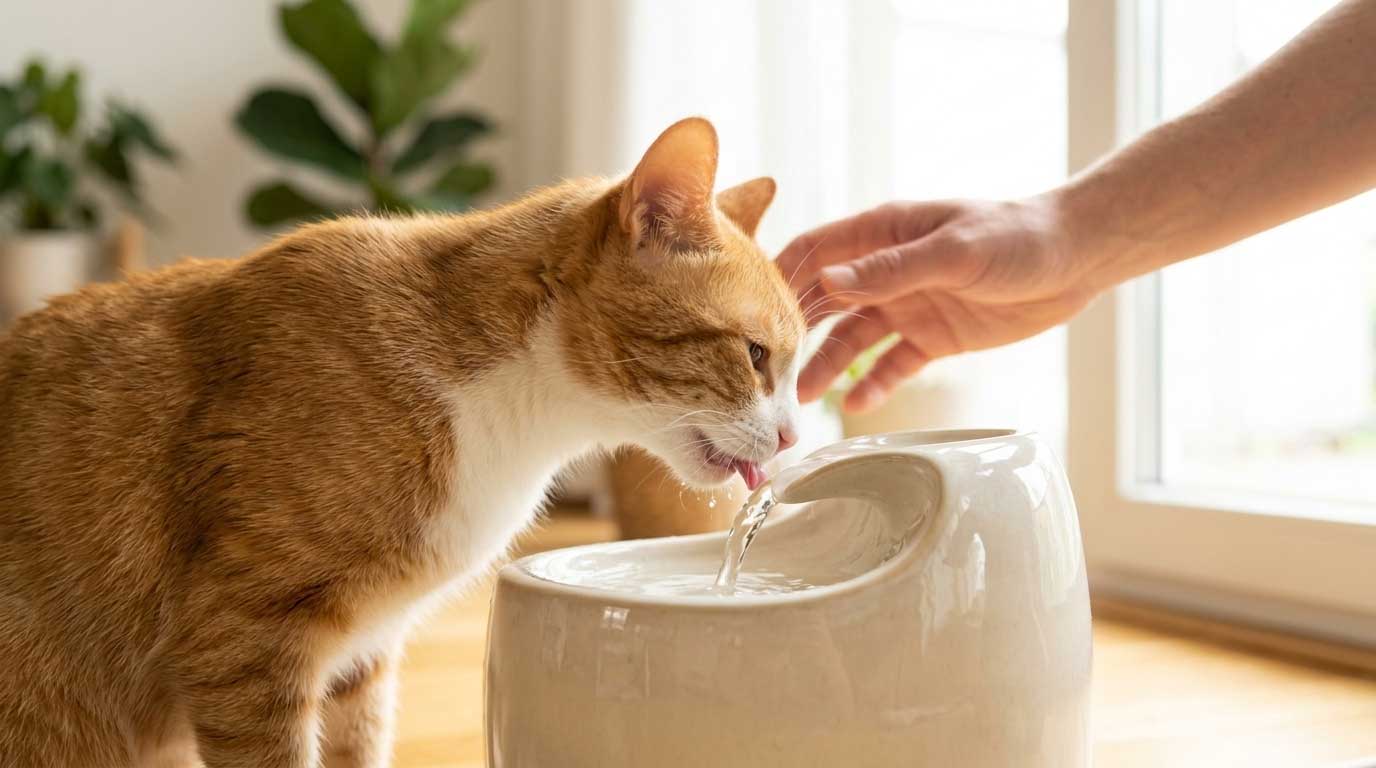
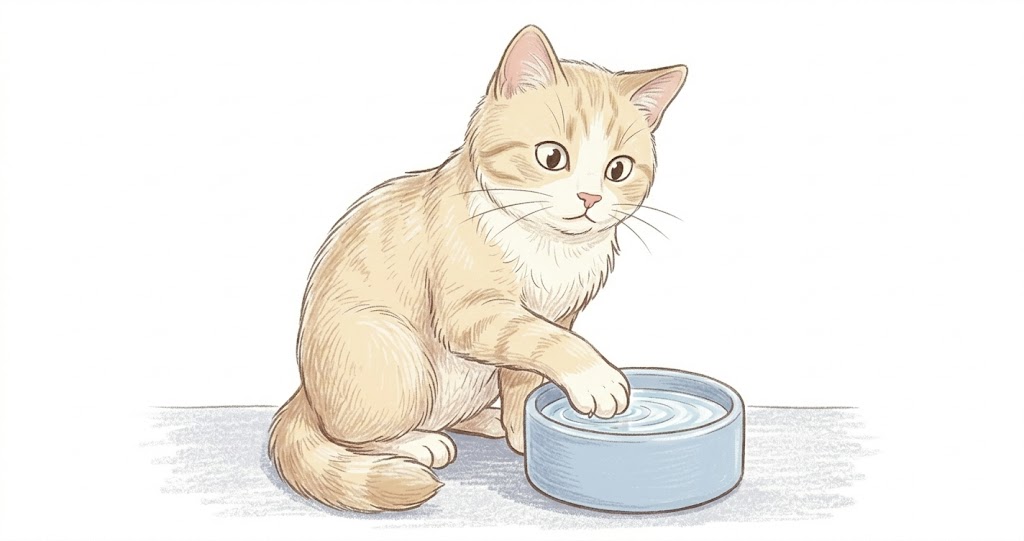
One of the strangest cat behaviors new owners notice: instead of drinking normally, the cat lowers a front paw into the water bowl, often patting the surface, sometimes splashing, and frequently licking the wet paw afterward. Why does my cat put her paws in water bowl is one of the most-searched cat behavior questions, and the answer is almost never "your cat is broken". It's a combination of how cats see water surfaces, an instinct inherited from wild ancestors, basic feline curiosity, and sometimes a comment about the bowl itself (its shape, location, or freshness). This guide explains the 5 main reasons, what the lick-afterward behavior means, when bowl-pawing is fine to ignore, when it might point to a setup problem, and how to redirect the habit if it's making a mess.
Worried that your cat's behavior — paw dipping, paw chewing, or constant licking — might point to a paw discomfort issue? Upload a clear cat paw photo and our AI compares against bacterial infection, yeast, abscess, and healthy paw patterns in seconds.
Check Cat Paw Now →The 5 Main Reasons Cats Put Paws in Water
Animal behavior researchers and veterinary behaviorists generally point to five overlapping explanations. Any given paw-dipping session might be one reason or several at once.
Reason 1: Cats Cannot Easily Judge Where the Water Surface Is
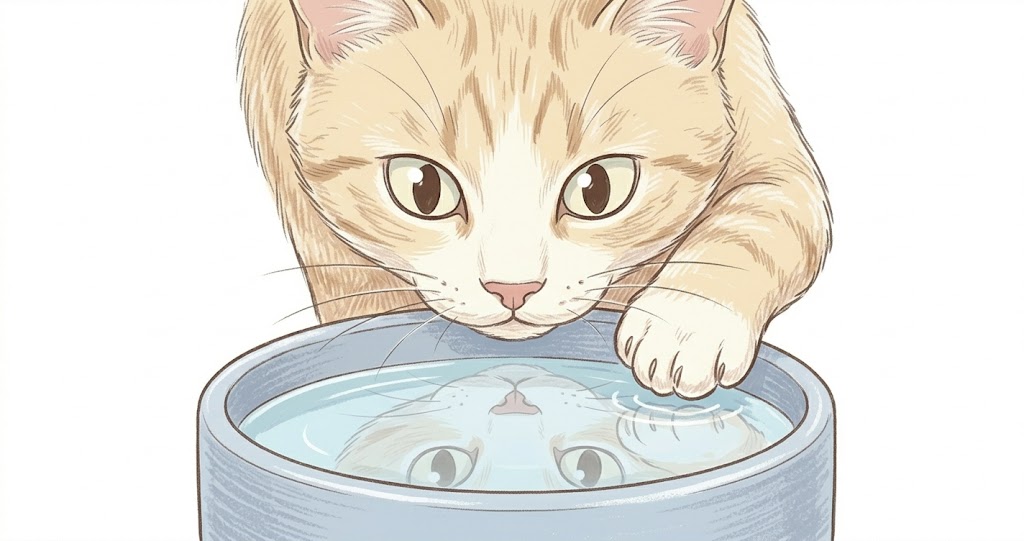
This is the most-cited explanation among feline behaviorists. Cats have excellent low-light and motion-detection vision, but flat reflective surfaces — including still water — can be visually confusing because the cat sees a reflection of the ceiling, light, or their own face on the surface and not the actual water level. A quick paw tap confirms where the surface really is. This is also why a lot of cats prefer drinking from running water (a tap or pet fountain): moving water is visually unmistakable. Why do cats paw at water before drinking ties directly to this depth-confirmation behavior — they're essentially "checking the surface" before committing their face to the bowl.
Reason 2: Ancestral Instinct — Wild Cats and Moving Water
The domestic cat's wild ancestors evolved drinking from streams, puddles, and dew — not from still bowls. Stagnant water in the wild often signals bacterial growth or contamination, so wild cats developed a preference for moving water and a habit of testing still water before drinking. Modern indoor cats inherit both. Pawing creates ripples (turning still water into moving water), and the cat is checking the result. This is one reason why do cats put their paws in water even when fresh water is right there — instinct doesn't always check whether the water is actually old, it just runs the same check the ancestors ran.
Reason 3: Curiosity, Play, and the Ripple Effect
Cats are predator animals with prey-detection circuits that get triggered by small moving objects. When a paw enters water, ripples spread outward, light reflects in interesting patterns, and the water moves. To a cat brain, this is borderline irresistible. Many cats will paw the water specifically to watch the ripples, then paw again. This is more common in young cats and active personalities. Why do cats dip their paws in water isn't always about drinking — sometimes it's the closest indoor cats get to "playing with water" without going outside.
Reason 4: Taste-Checking and Temperature Sensing
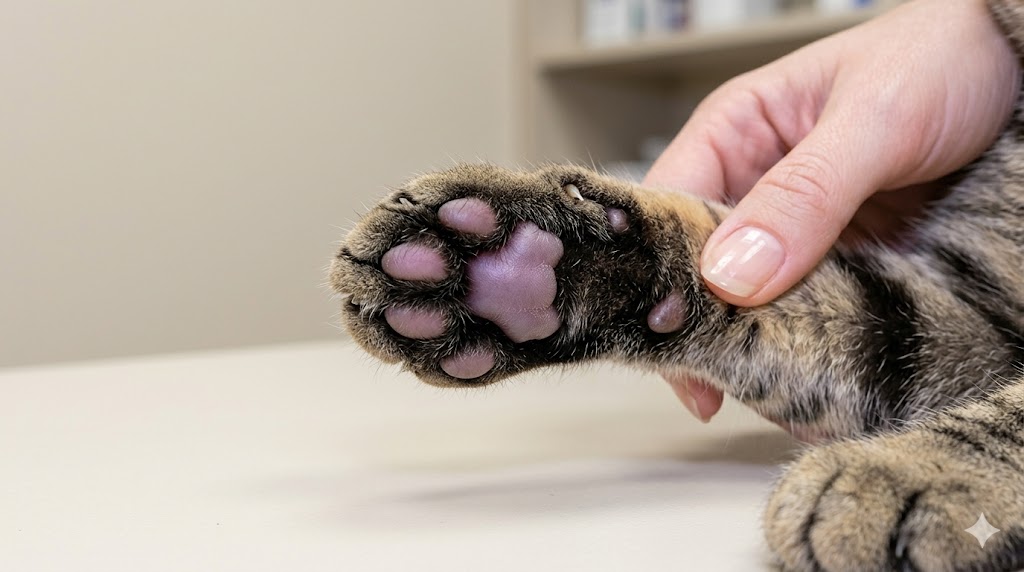
Cat paw pads have sensory receptors that can pick up temperature and texture information. A quick paw dip tells the cat whether the water is cold (preferred), lukewarm (less appealing), or has any unusual texture (algae, food residue, soap residue from a poorly-rinsed bowl). Some cats will pat the water, sniff their paw, and then either drink or walk away based on the result. If your cat consistently paws and then refuses to drink from a particular bowl, the cat is telling you something about the water freshness or the bowl itself.
Reason 5: Lifting Water to the Mouth (and the Lick-After-Dip Pattern)
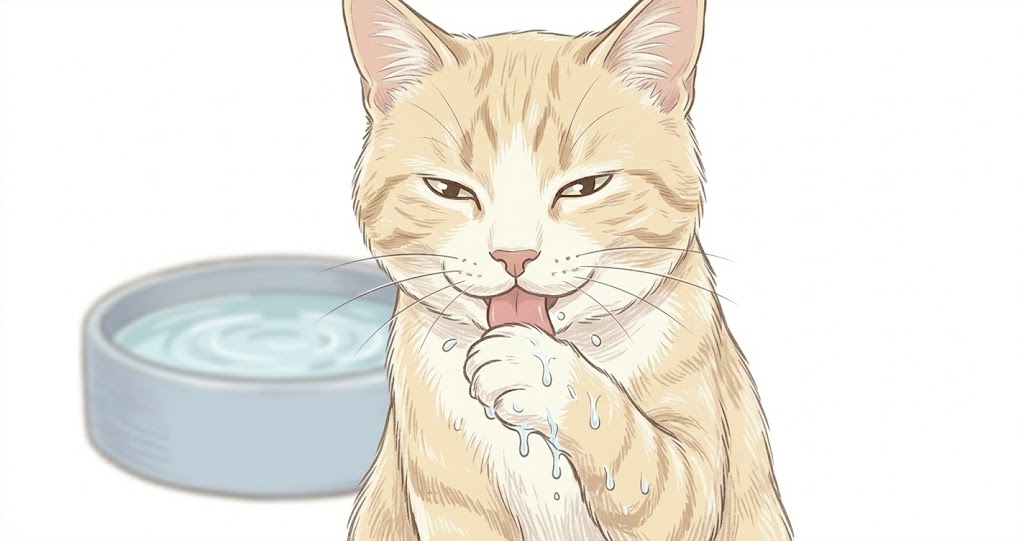
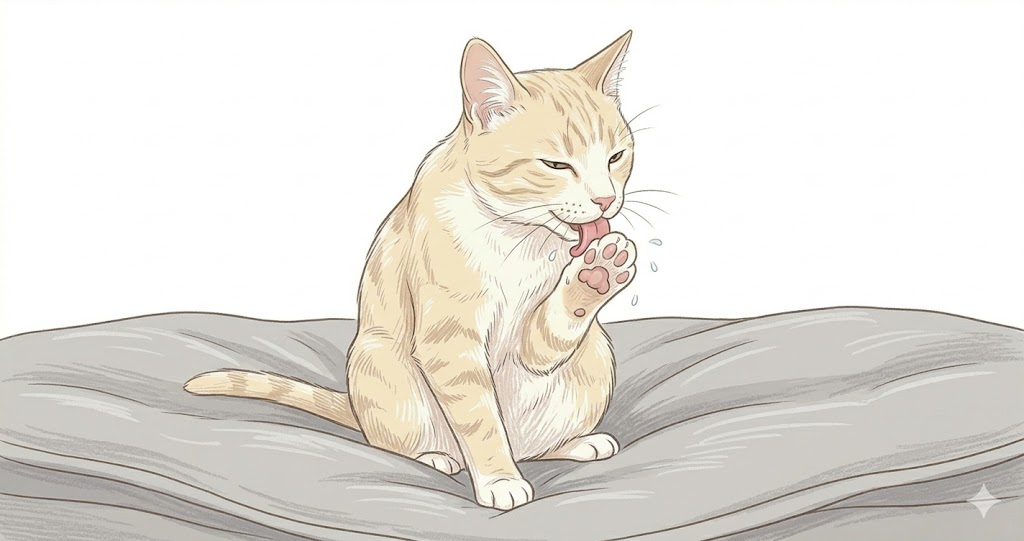
Some cats develop an unusual but normal drinking style: dip a paw, lift it out wet, and lick the water off. This addresses the why does my cat stick her paw in the water bowl, then lick it question that shows up on Quora and Reddit answers constantly. The behavior is more common in cats with sensitive whiskers — putting the whole face in the bowl rubs the whiskers against the bowl rim, which is uncomfortable (a phenomenon called "whisker fatigue"). Drinking via paw avoids the whisker contact entirely. It's slow but the cat finds it preferable. If your cat regularly drinks this way, switching to a shallow wide bowl (one wider than the cat's whisker span) usually solves the discomfort and lets the cat drink normally.
Notice your cat licking paws constantly outside of water-bowl visits — like obsessive paw grooming, chewing, or limping? Upload a paw photo and our AI flags bacterial, yeast, abscess, and healthy paw patterns in seconds.
Check Cat Paw Now →Is Putting Paws in the Water Bowl a Problem?
In the vast majority of cases, it's not. According to the ASPCA, variations in feline drinking behavior — including paw-pawing, sniffing, and water-source preferences — are normal individual variation. A cat that paws their water and drinks normally is fine. A cat that paws their water and refuses to drink may be commenting on the bowl, the water, or sensitive whiskers. The behavior becomes a problem only in three situations:
- ✓**Water intake decreases noticeably**: if a cat is pawing the bowl but visibly drinking less than usual (less than 3-4 ounces per day for an average adult cat), that's a hydration concern and worth a vet check.
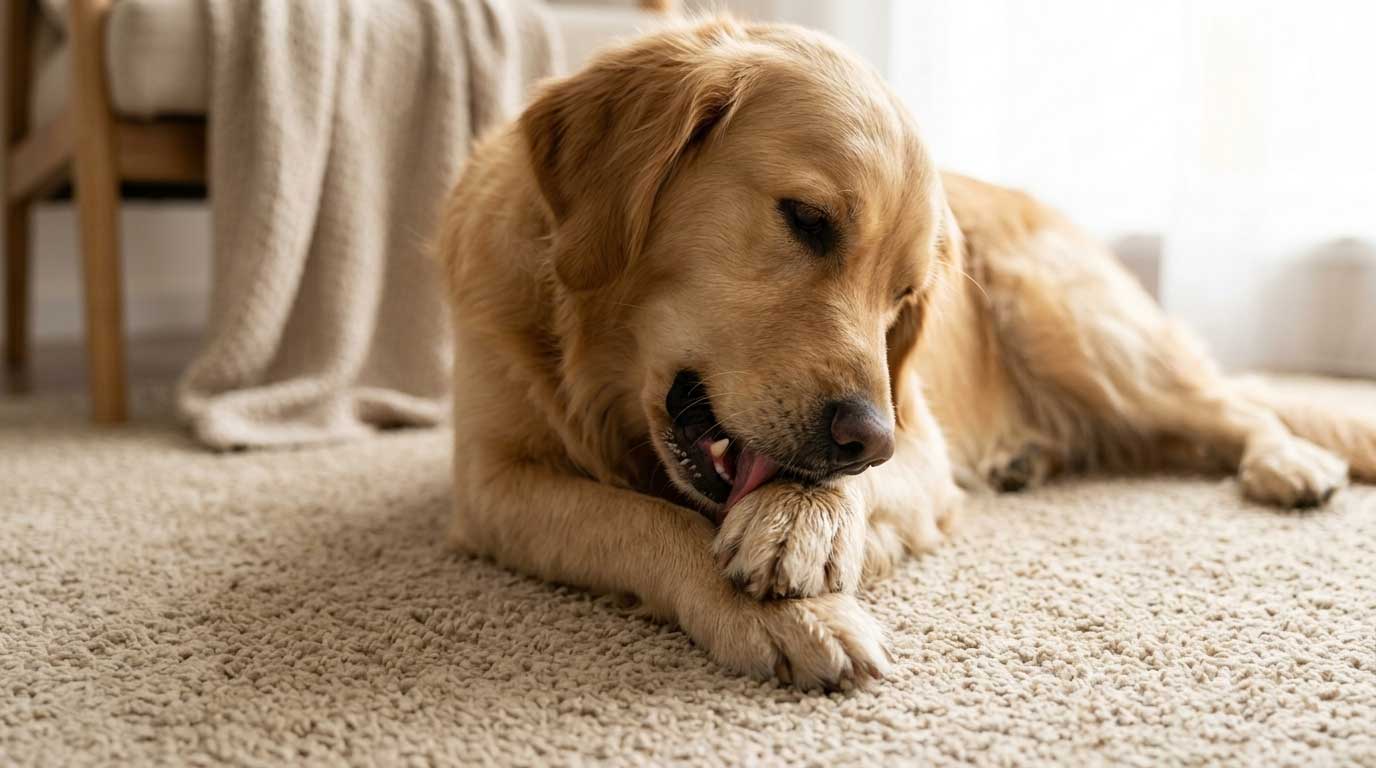
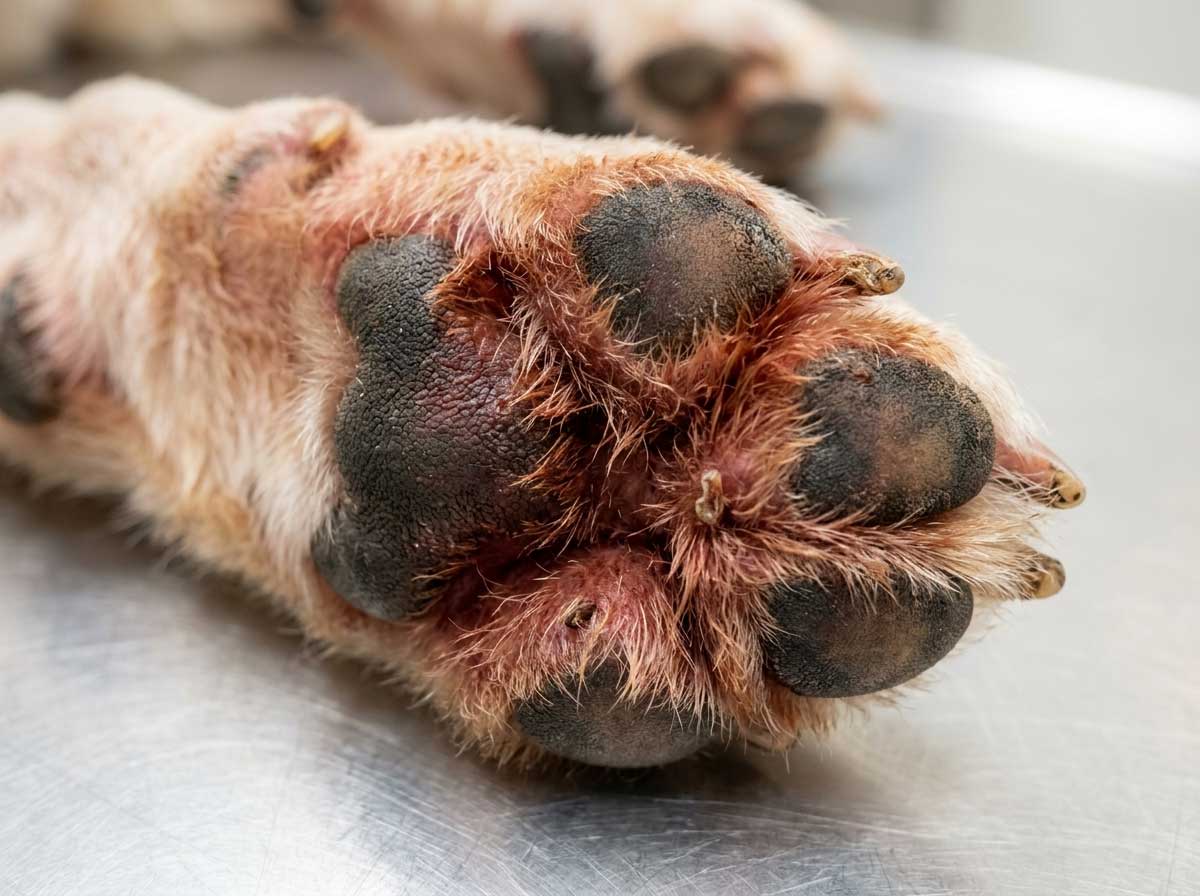
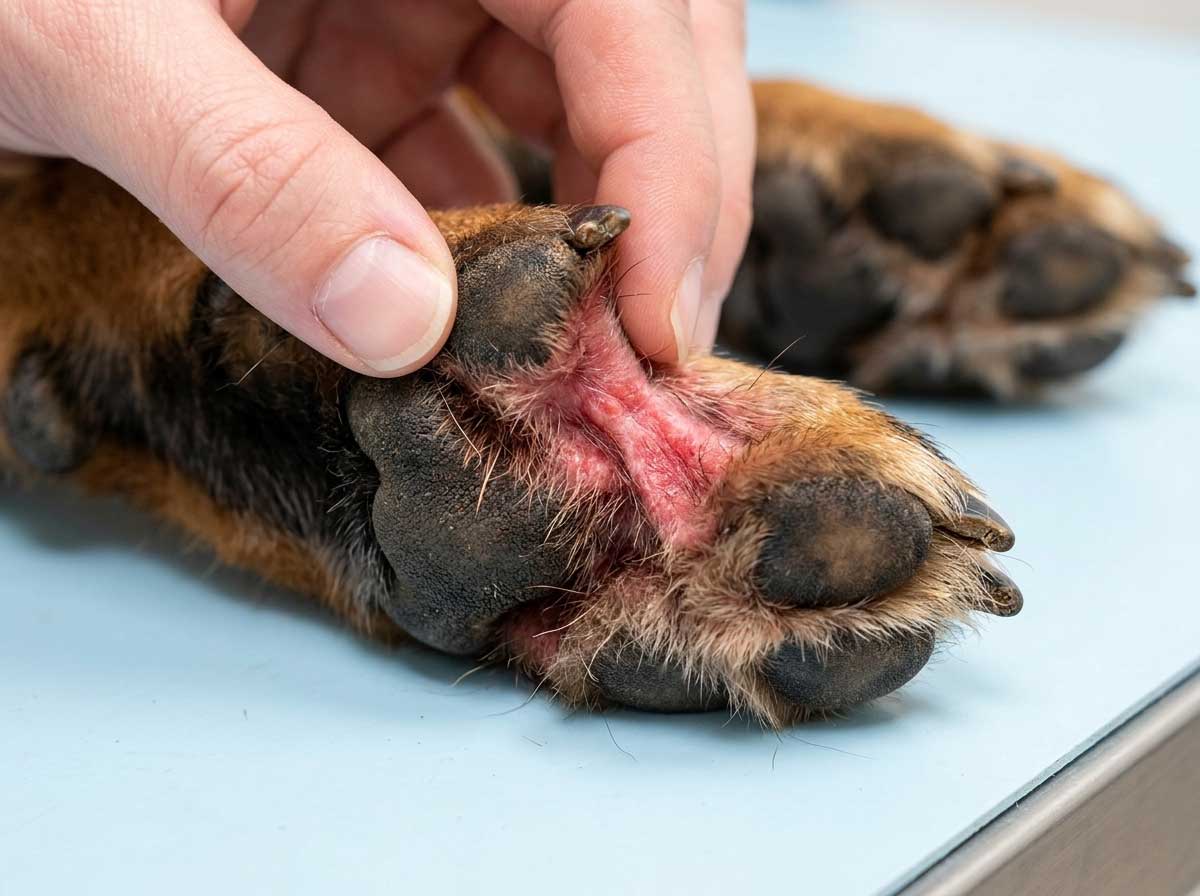
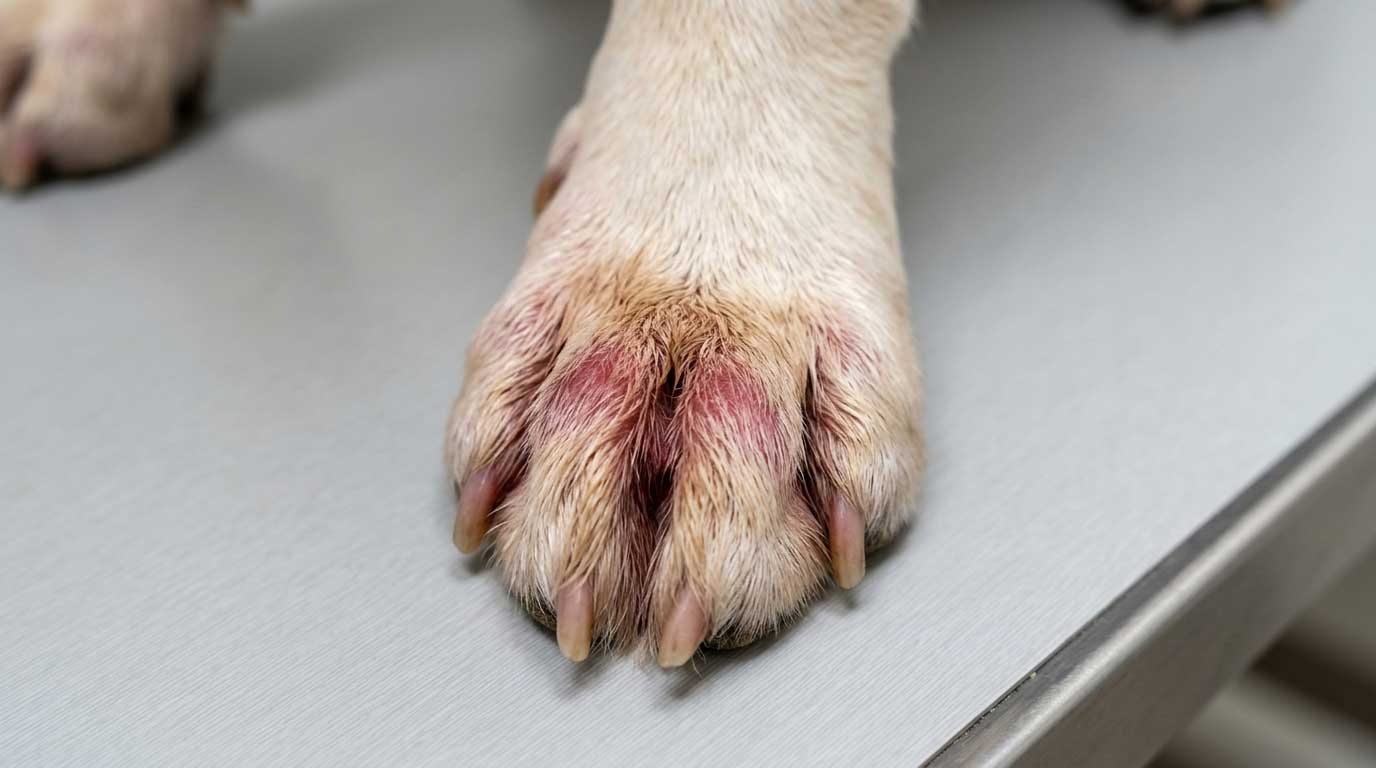
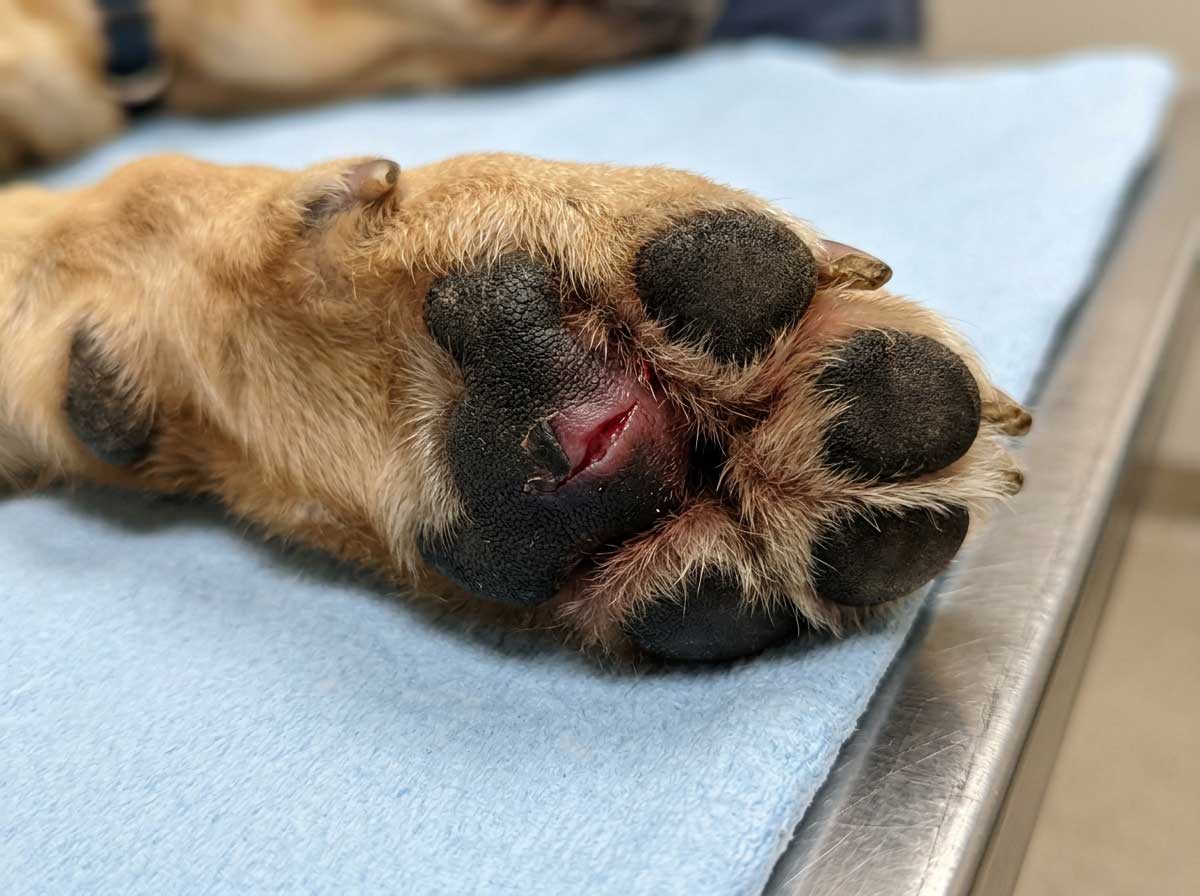
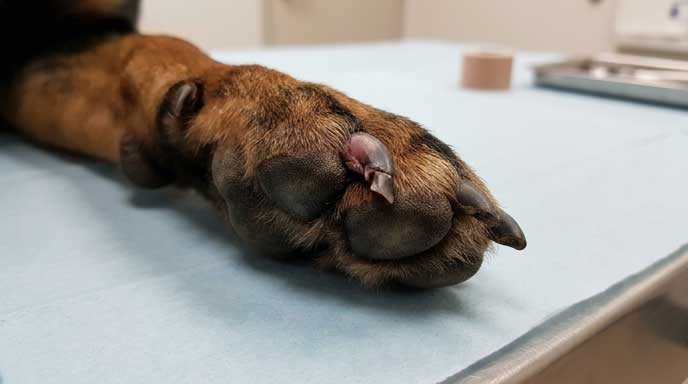
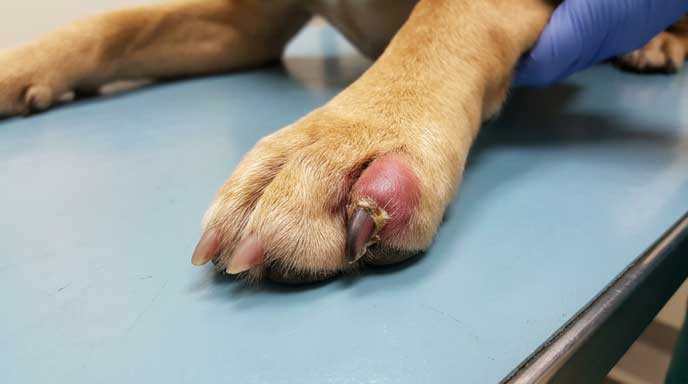
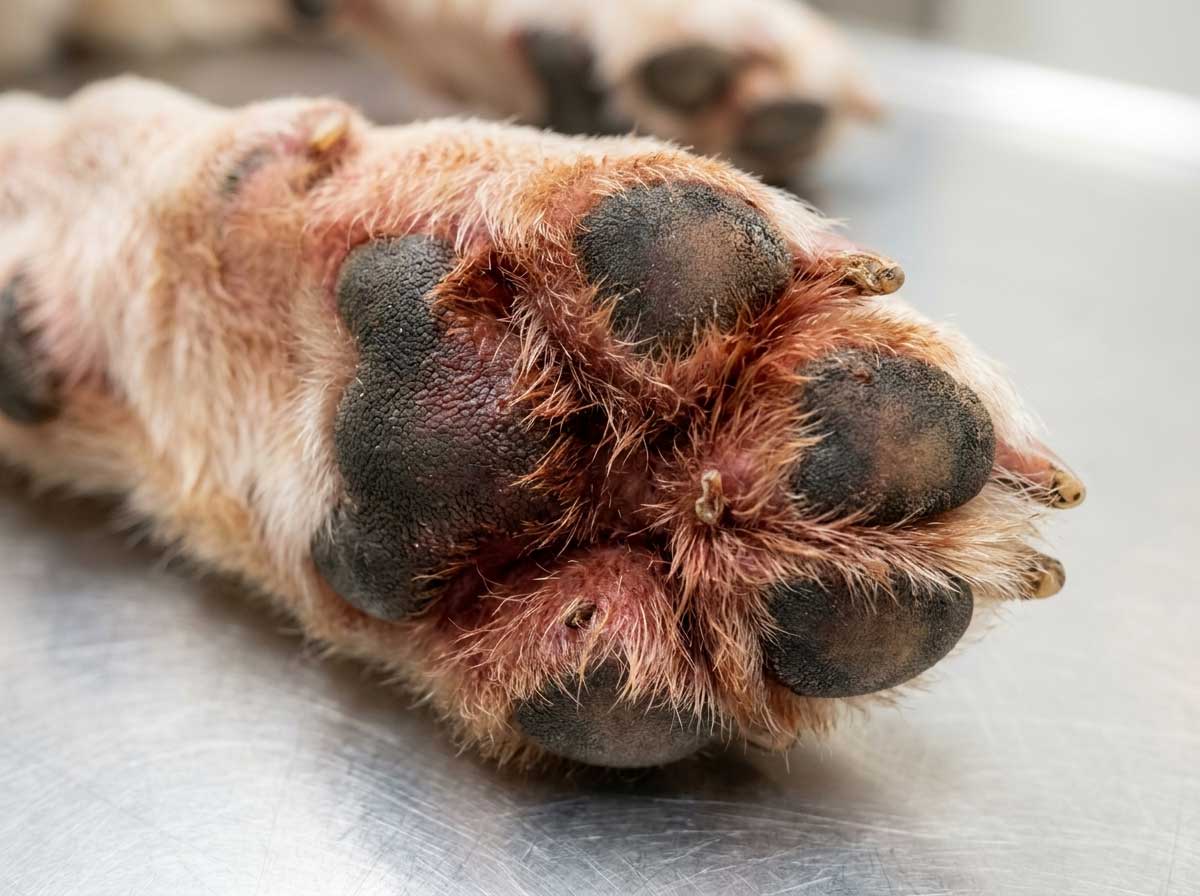
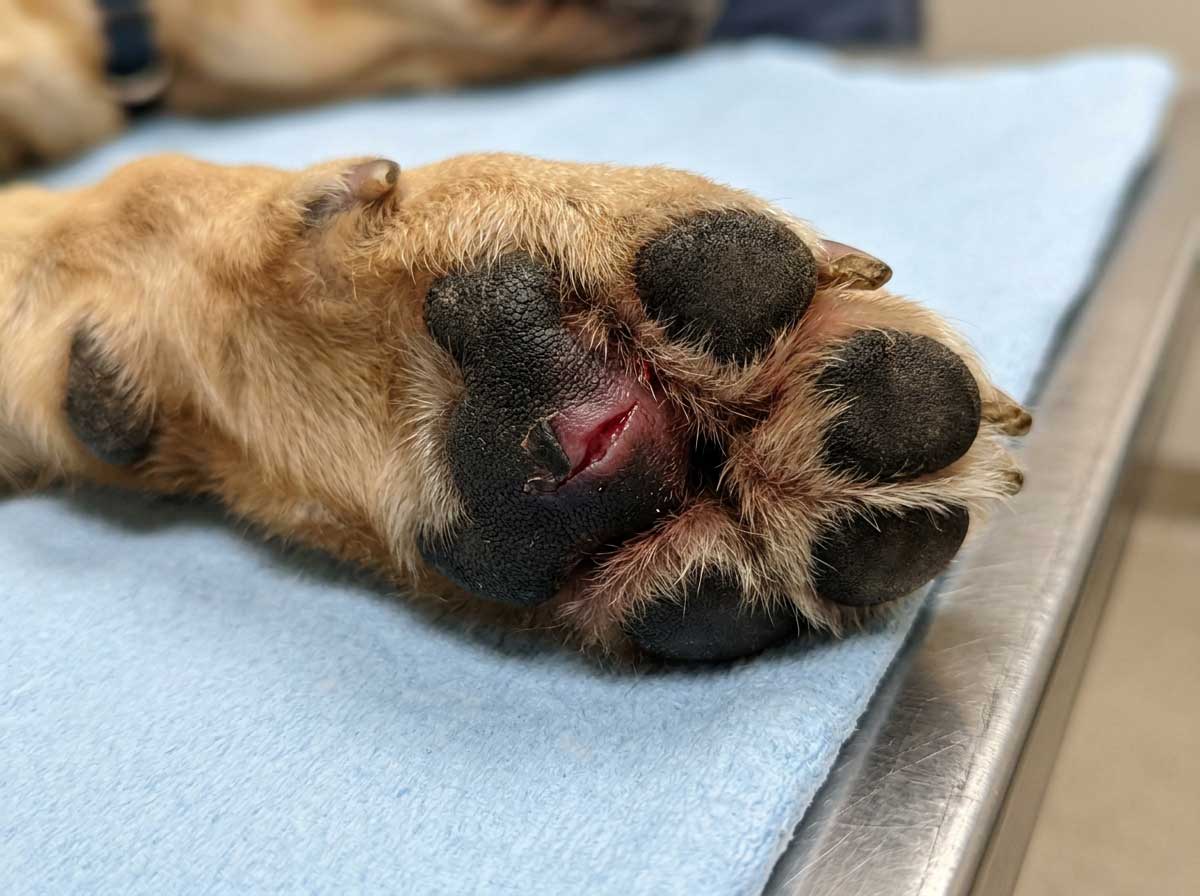
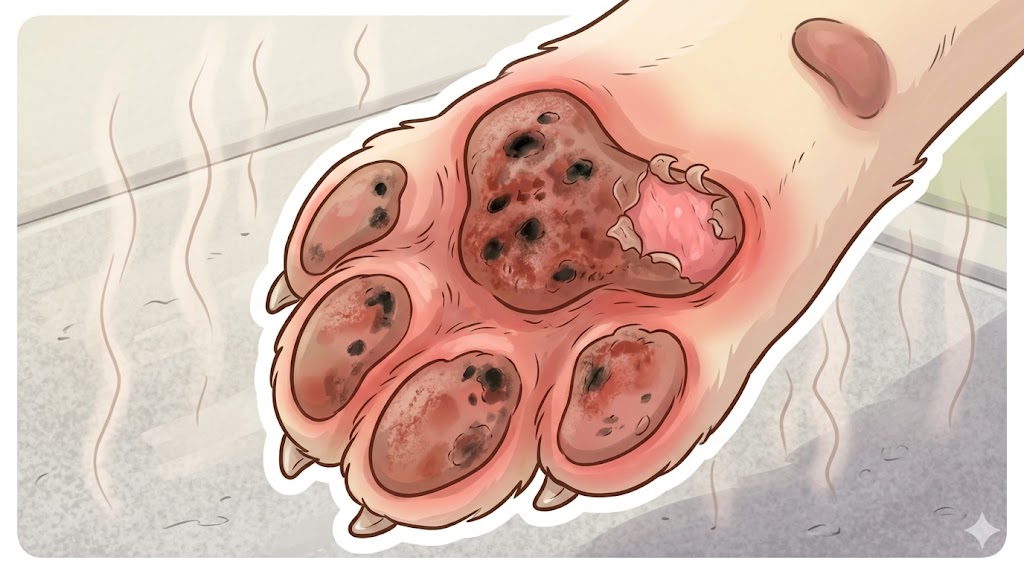
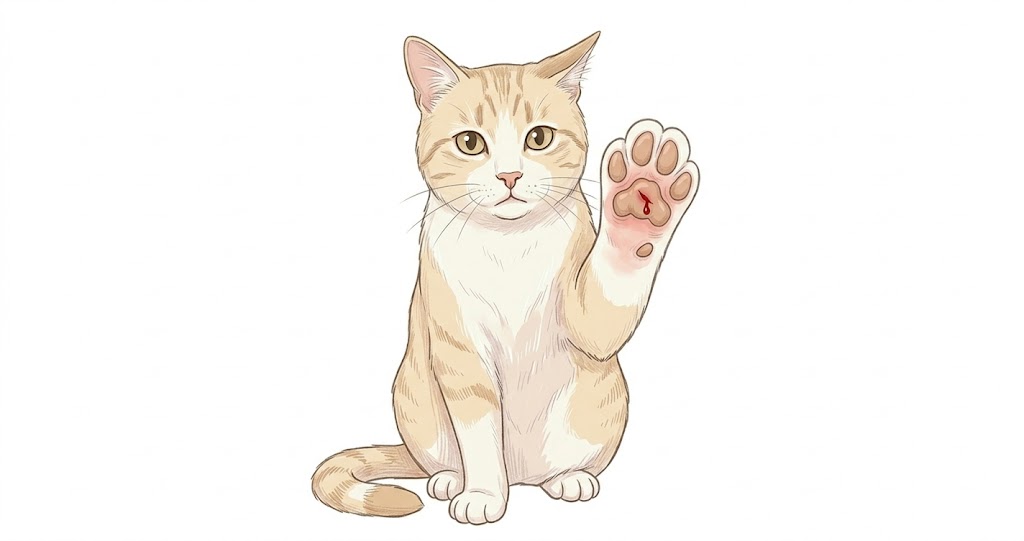
- ✓**Paw skin shows irritation**: if the paw that goes in the water is showing redness, peeling, or constant licking outside the water bowl, the water source might have soap residue or the paw might have a separate skin issue. According to the [Cornell Feline Health Center](https://www.vet.cornell.edu/departments-centers-and-institutes/cornell-feline-health-center), any persistent paw skin change warrants observation and a vet visit if it doesn't clear in a few days.
- ✓**Behavior changes suddenly**: if a cat that never pawed water suddenly starts pawing obsessively, or vice versa, that's worth noting. Sudden behavior shifts in cats are sometimes the earliest signal of something off.
Bowl Shape, Material, and Whisker Fatigue
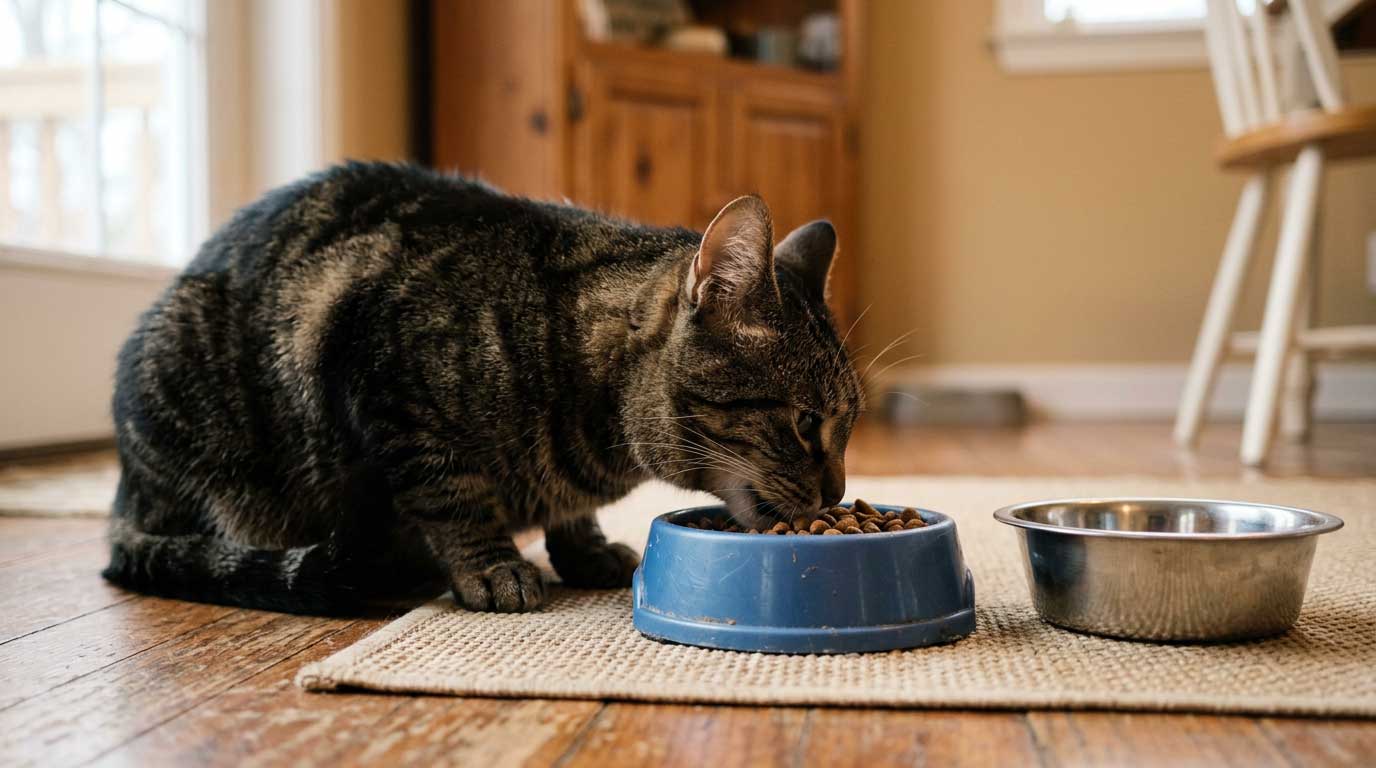
One of the most common fixes for excessive paw-dipping is switching the water bowl. Deep narrow bowls force the cat to push their face down into the bowl, pressing whiskers against the rim — uncomfortable for many cats. Wide shallow bowls (think a saucer or a small flat dish wider than the cat's whisker span) eliminate the contact. Material matters too: plastic bowls hold odors and grow biofilm faster than ceramic or stainless steel. A cat pawing a plastic bowl might be reacting to taste they pick up that the human cannot detect. Try a ceramic or stainless wide bowl and see if the pawing stops.
Pet Fountains and Moving Water
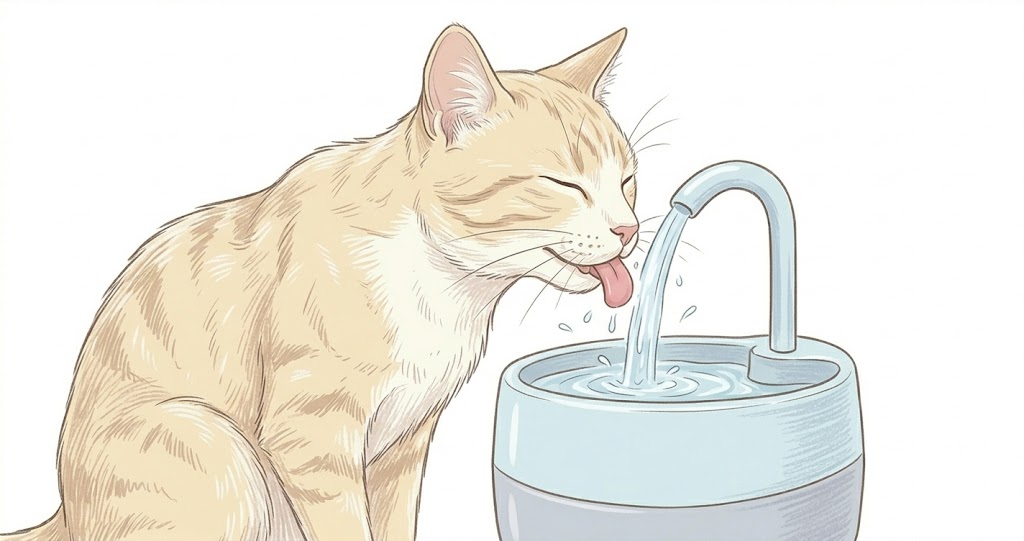
Pet drinking fountains solve several reasons at once. Moving water is visually unmistakable (depth-perception issue gone), constantly aerated (the ancestral stagnant-water concern gone), and naturally cooler (taste-temperature preference satisfied). Many cats who paw at still water stop the behavior entirely after switching to a fountain. The downsides: the pump motor needs to be kept clean, the filter changed monthly, and some cats need a few days to get used to the sound. If you're dealing with a persistent paw-dipper, a fountain is often the single most effective fix.
How Do I Stop My Cat From Putting His Paws in Water?
How do I stop my cat from putting his paws in water — short answer: address the underlying cause rather than the behavior itself. Punishment doesn't work for paw-dipping (the cat doesn't connect the punishment to the act, and the underlying drive — depth check, whisker fatigue, curiosity — is still there). Effective approaches:
- ✓Switch to a wide shallow bowl that doesn't press whiskers — this alone solves a lot of cases.
- ✓Switch from plastic to ceramic or stainless steel — eliminates biofilm and taste residue.
- ✓Refill the bowl daily and rinse it weekly with hot water (no soap residue left).
- ✓Add a pet drinking fountain — gives moving, aerated water and visually unmistakable surface.
- ✓If your cat just enjoys the ripple-watching: place the bowl on a tray or in a slightly recessed area so any splashing is contained.
- ✓Never spritz water at the cat, yell, or move the cat away forcefully — these break trust and don't fix the drive.
Related Behaviors That Show Up Together
If your cat puts paws in water AND does any of these other behaviors, they're all from the same broader "explore-with-paws" toolkit cats use to interact with the world: pawing at food before eating (texture check), pawing at objects before pouncing (prey check), pawing at unfamiliar surfaces before stepping on them (safety check), and kneading on you or a soft blanket (comfort/trust signal — covered in our companion article on why do cats push with their paws). All of these are paw-driven information-gathering or comfort behaviors, and most cats do several of them.
What Discussion Threads on Quora and Reddit Say
The paw-in-water-bowl question gets answered constantly on Quora and Reddit. The Quora answers (often "5 answers, 6 years ago" old threads) typically circle back to two explanations: depth perception confusion and ancestral instinct. Reddit r/cats and r/CatAdvice discussions add personality variation — some cats only paw when the bowl is more than half-full, some only after eating, some only at night. The variety is normal and shaped by the individual cat's history and preferences. If your cat's pattern doesn't match what you read online exactly, that's expected — cats are individuals.
The Bottom Line
When a cat puts paws in the water bowl, they're almost always doing one of five things: confirming where the water surface is (the depth-perception trick), checking that the water is "moving" (ancestral safety reflex), playing with ripples, taste/temperature-checking the water, or avoiding whisker discomfort from a too-narrow bowl. None of these are problems by themselves. If you want the behavior to stop, switch to a wide ceramic bowl or a pet fountain. If the cat is hydrating normally and paws are healthy, just let them do their thing — it's normal feline behavior.
If you've noticed actual paw discomfort alongside the water-bowl pawing — redness, persistent licking, swelling, or limping — upload a clear photo of your cat's paw and our AI flags bacterial, yeast, abscess, and healthy paw patterns in seconds.
Check Cat Paw Now →Frequently Asked Questions
Why Does My Cat Dip Their Paw in Their Water Bowl?
+
Why does my cat stick her paw in the water bowl, then lick it?
+
Why do cats put their paws in water when they drink?
+
How do I stop my cat from putting his paws in water?
+
What is the 3 3 3 rule for cats when moving?
+
How do cats say "I love you"?
+
Worried about your cat's paw or skin behavior?
If your cat is licking paws, chewing paws, or showing redness or swelling outside the water-bowl pawing routine, upload a clear photo and our AI compares against bacterial infection, yeast, abscess, and healthy paw patterns in seconds.
Disclaimer: This article is for informational purposes only and is not a substitute for professional veterinary advice. Always consult a licensed veterinarian for diagnosis and treatment of your pet's health conditions.