Dog Wound Infected or Healing: Picture Guide
Tell if your dog's wound is infected or healing with a 5-point picture guide — color, discharge, smell, texture, behavior. Plus when to call the vet.
Published 2026-06-18
Worried About Your Dog's Wound?
Upload a clear photo for an instant AI assessment of healing stage, possible infection signs, and recommended next steps.
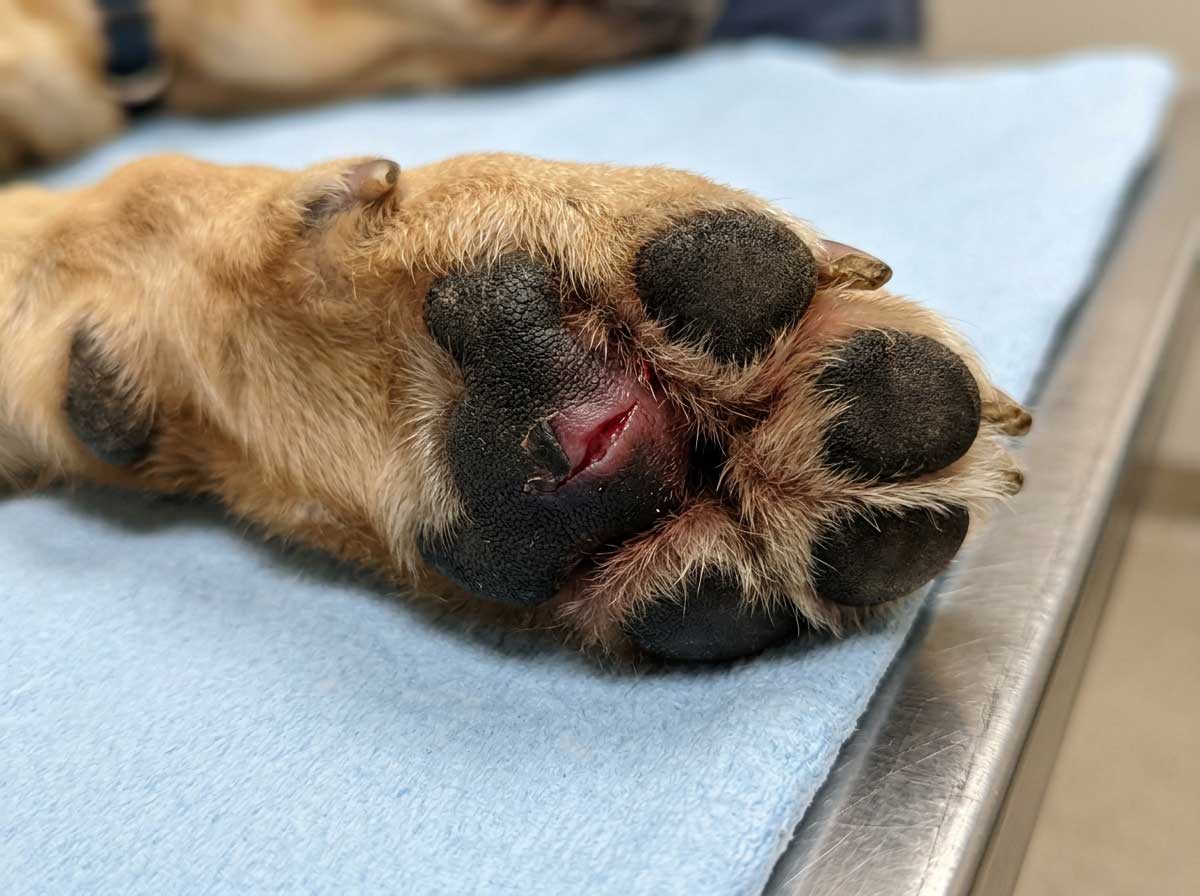
You keep checking your dog's wound and you can't decide — is this healing the way it should, or is something going wrong? The difference between a healing wound and an infected one comes down to 5 visible signs: color, discharge, smell, texture, and behavior. Once you know what to look for in each, you can spot the warning signs early — often before the wound looks dramatically bad — and decide whether to monitor at home or call your vet.
Quick Answer: 5-Point Comparison Table
Compare what you see at the wound site against each sign:
| Sign | ✅ Healing (Normal) | 🚨 Infected (Warning) |
|---|---|---|
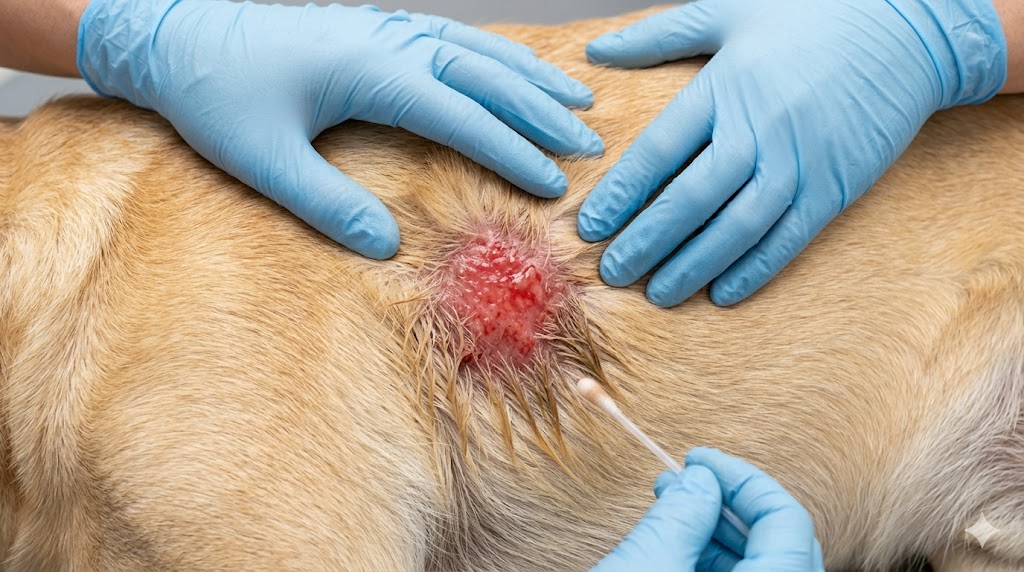
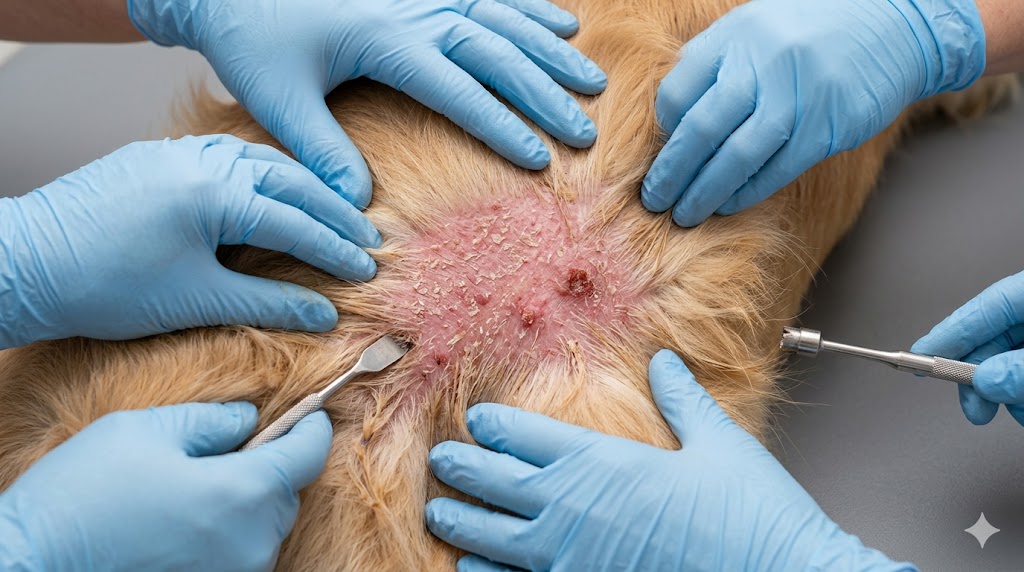
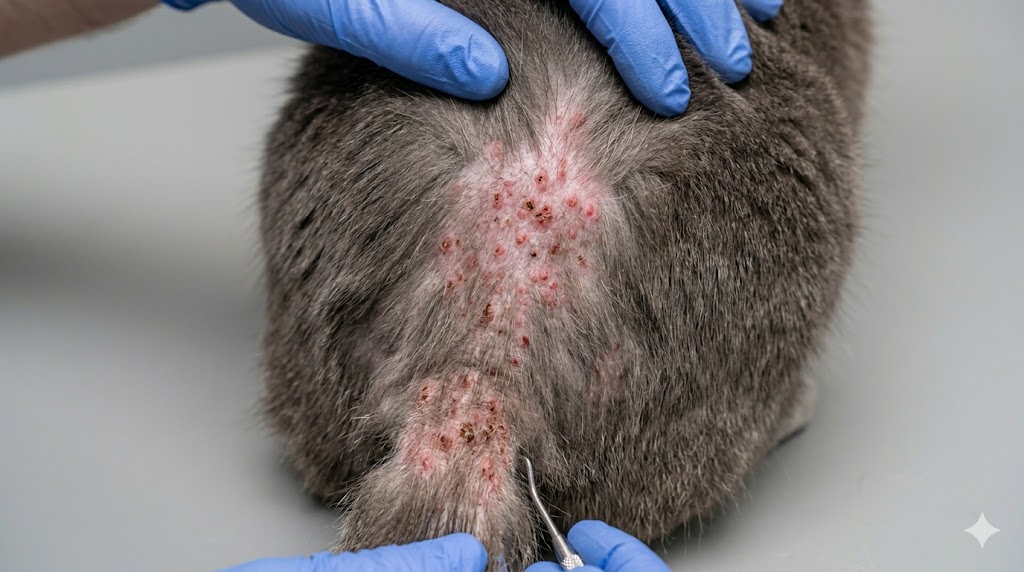
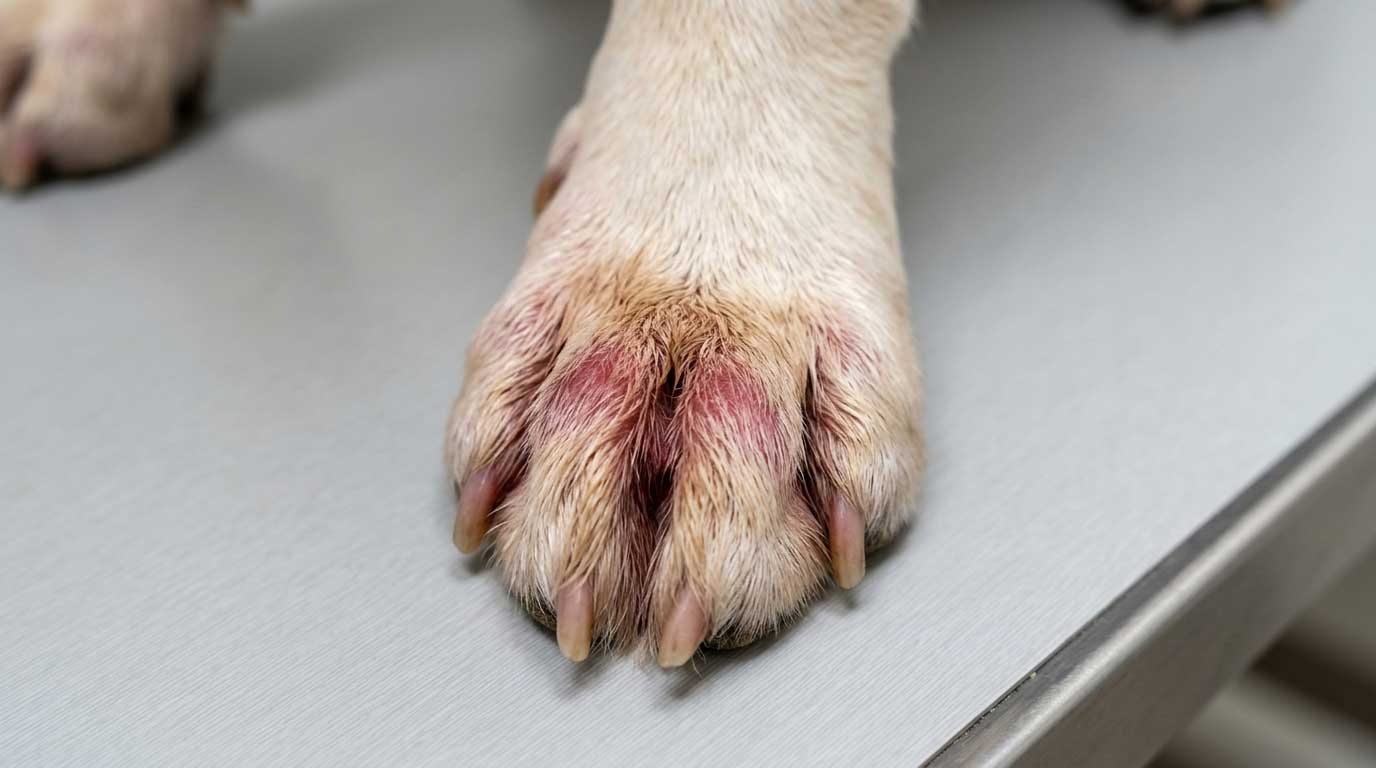
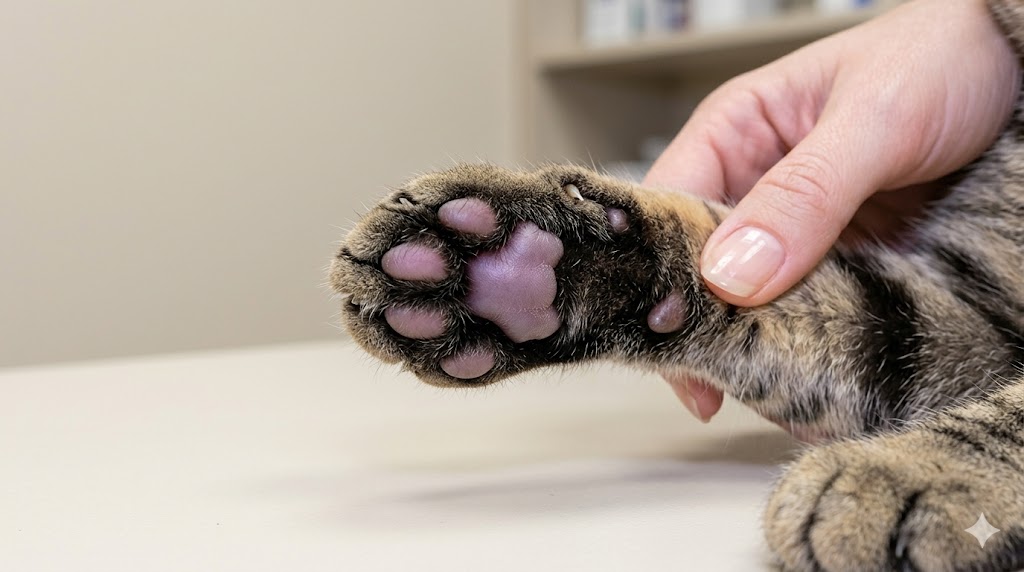
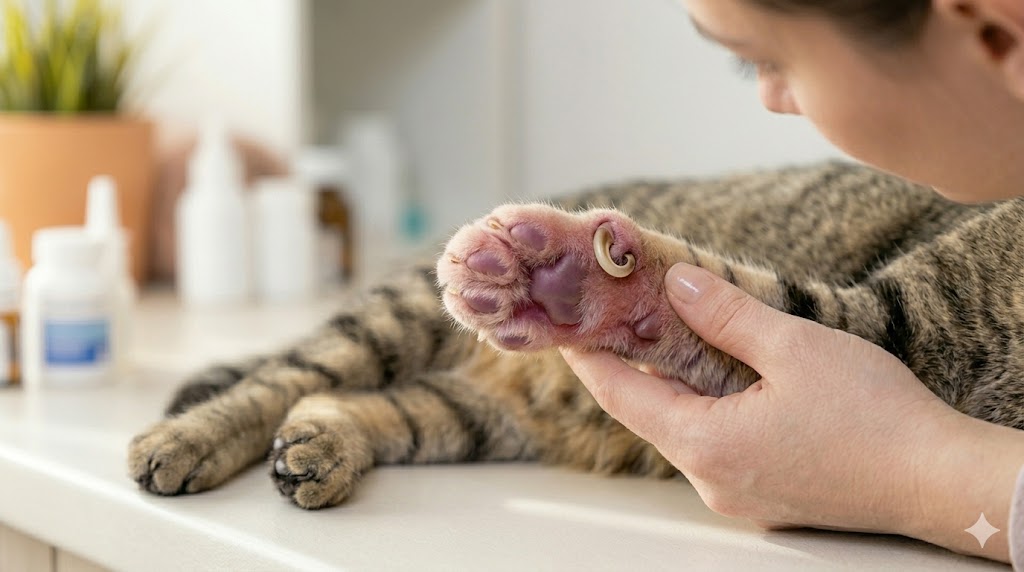
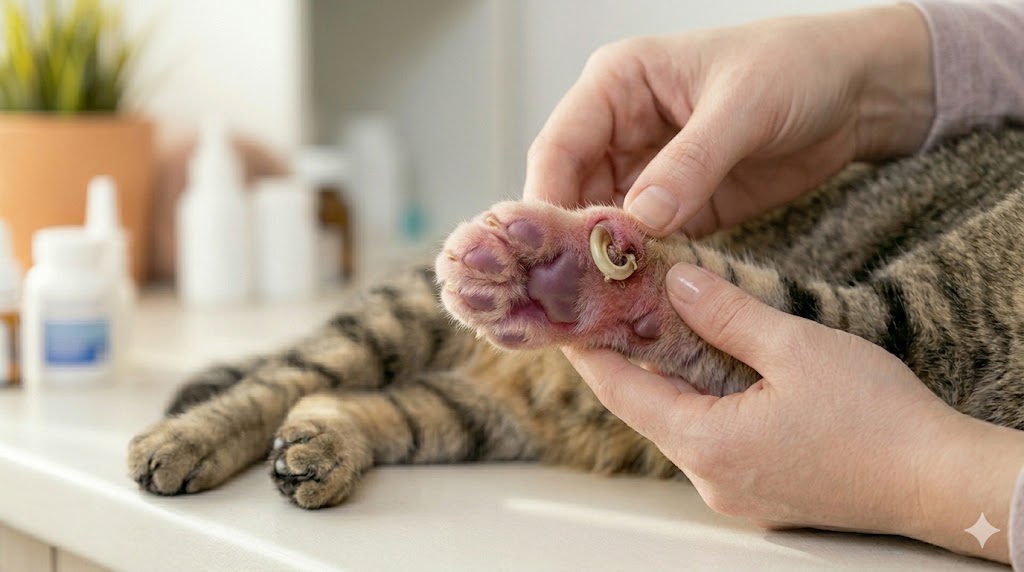
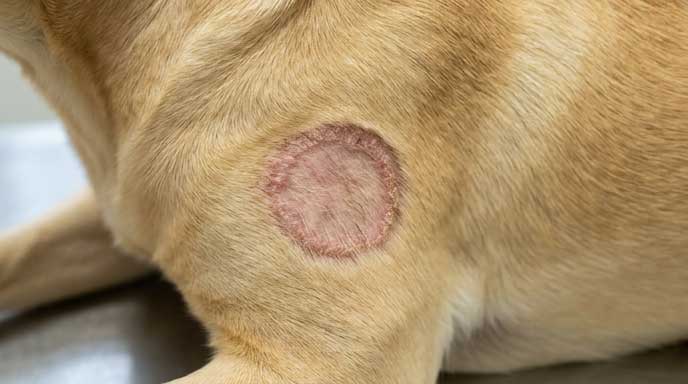
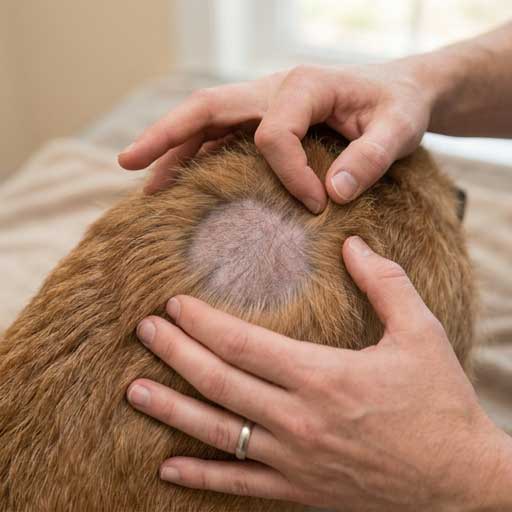
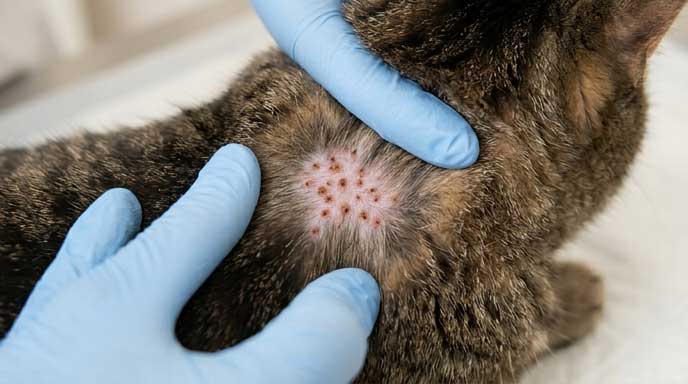
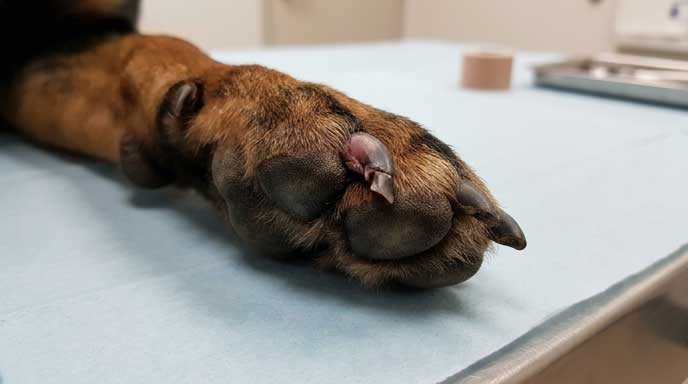
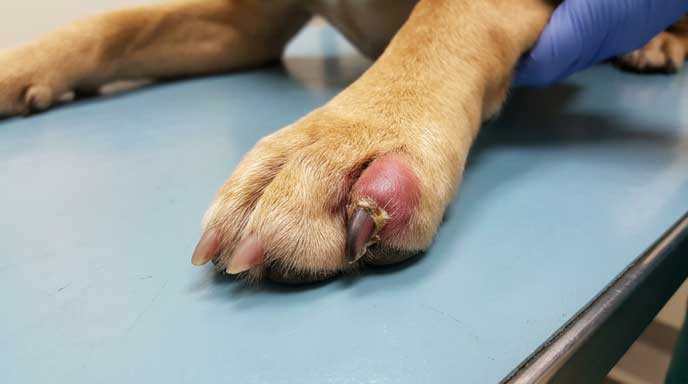
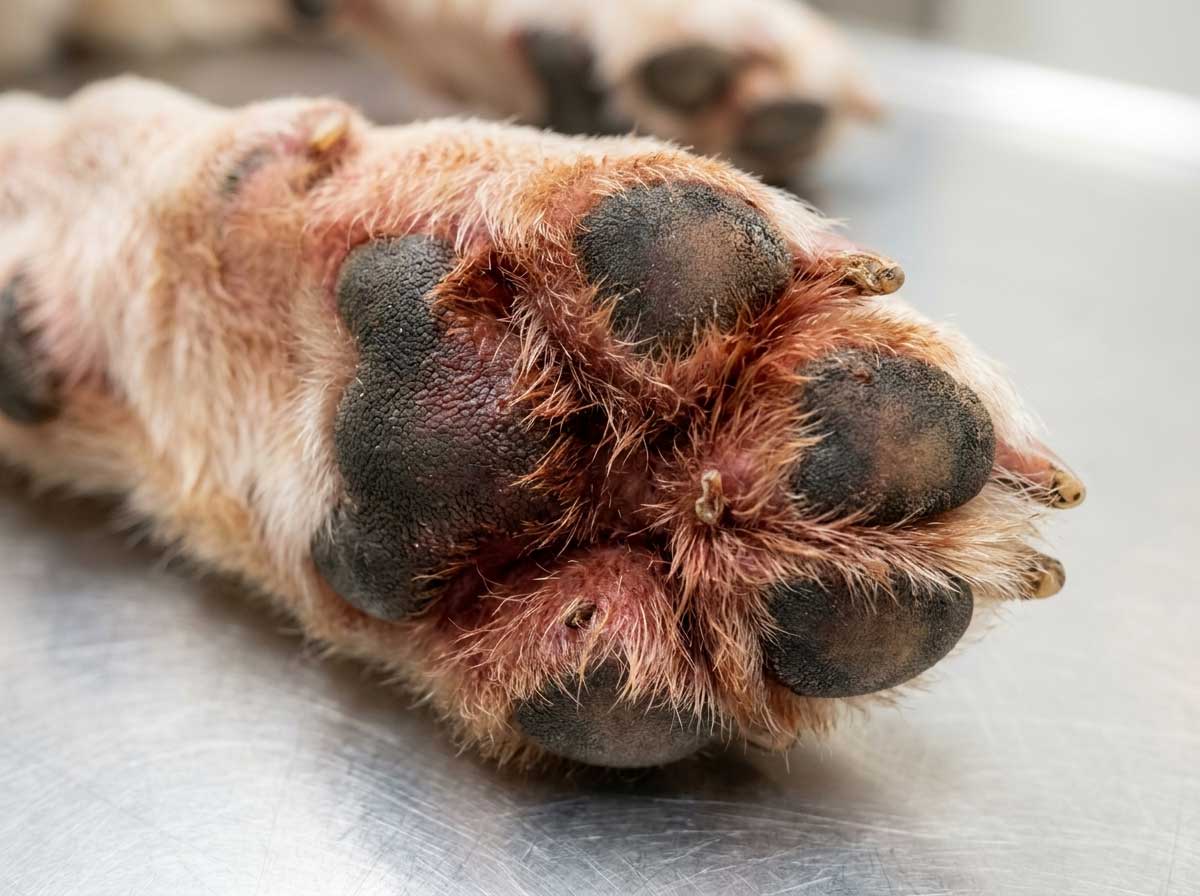
| Color | Pink or light red wound tissue, normal surrounding skin | Bright red, spreading redness, or dark/black dead tissue |
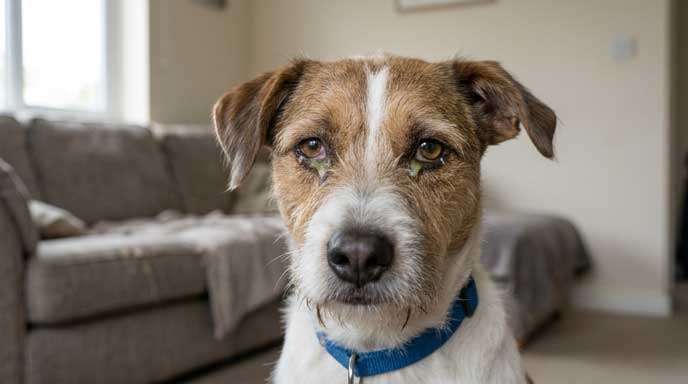
| Discharge | Minimal clear or slightly pink fluid (first 48h) | Thick yellow, green, or cloudy white pus |
| Smell | No noticeable smell | Foul, rotten, or noticeably bad odor |
| Texture / Heat | Cool or normal body temperature, dry scab forming | Hot to the touch, area feels significantly warmer |
| Behavior | Eating, drinking, normal activity | Excessive licking, hiding, lethargy, refusing food |
Not sure which side of the chart your dog's wound is on? Upload a clear photo for AI assessment.
Check Dog WoundSign 1 — Color
✅ Healthy healing
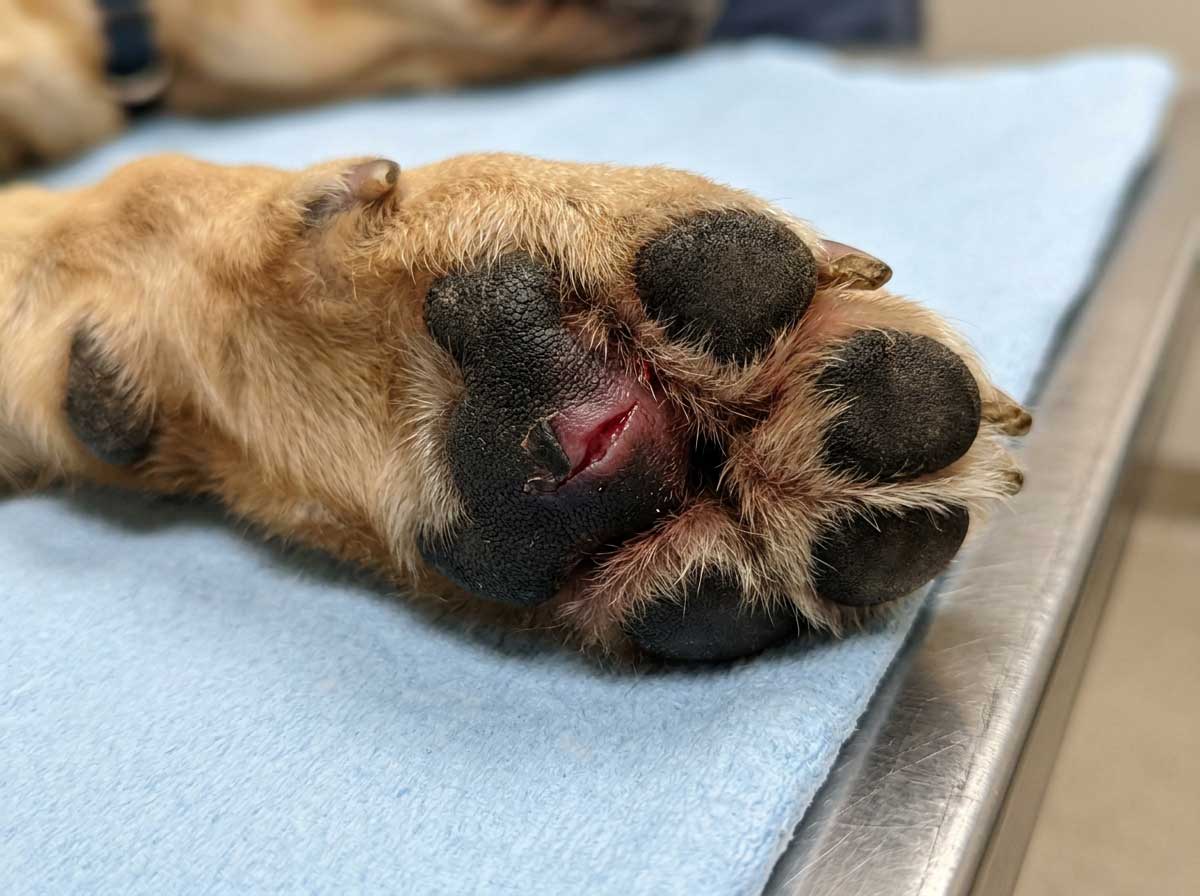
- ✓Wound bed: pink, light red, or bright pink (granulation tissue)
- ✓Surrounding skin: normal color or slightly pink
- ✓Mild bruising fades over days, not spreads
🚨 Infected
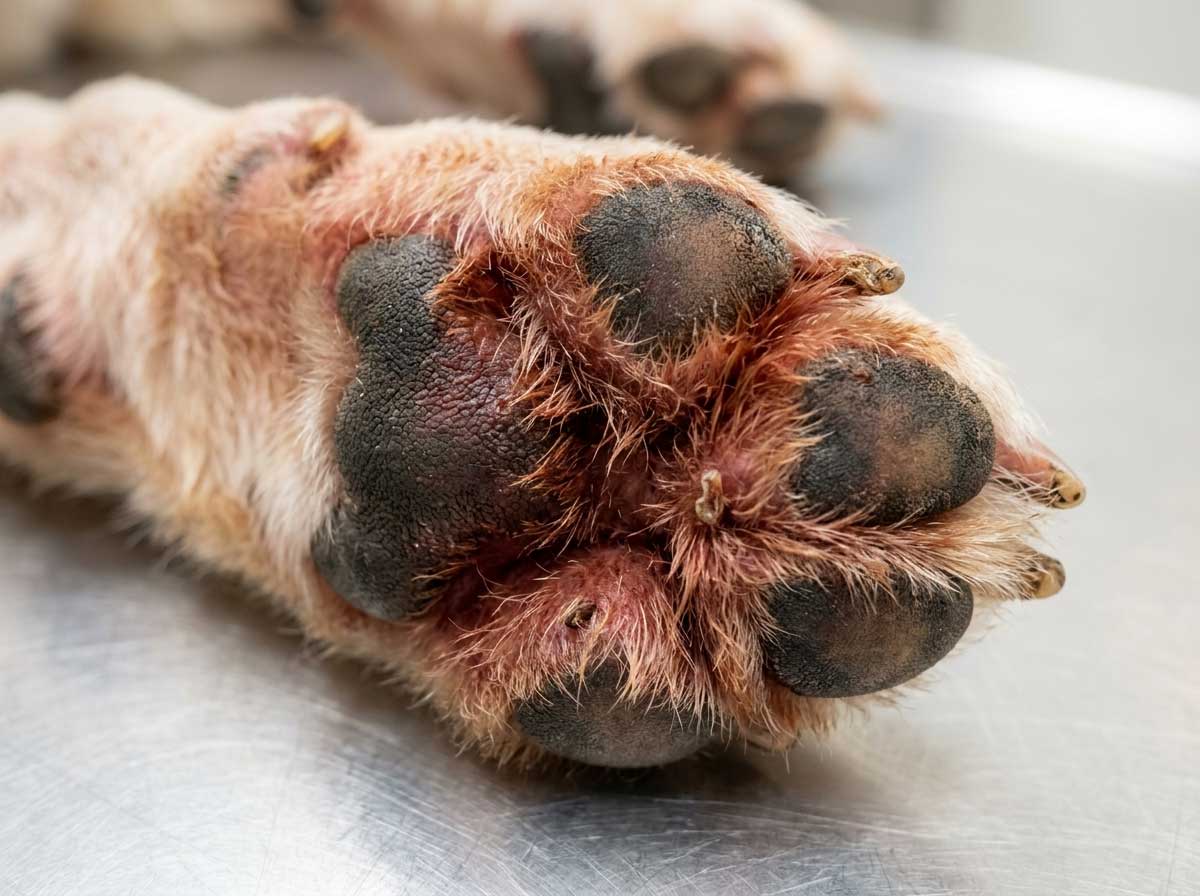
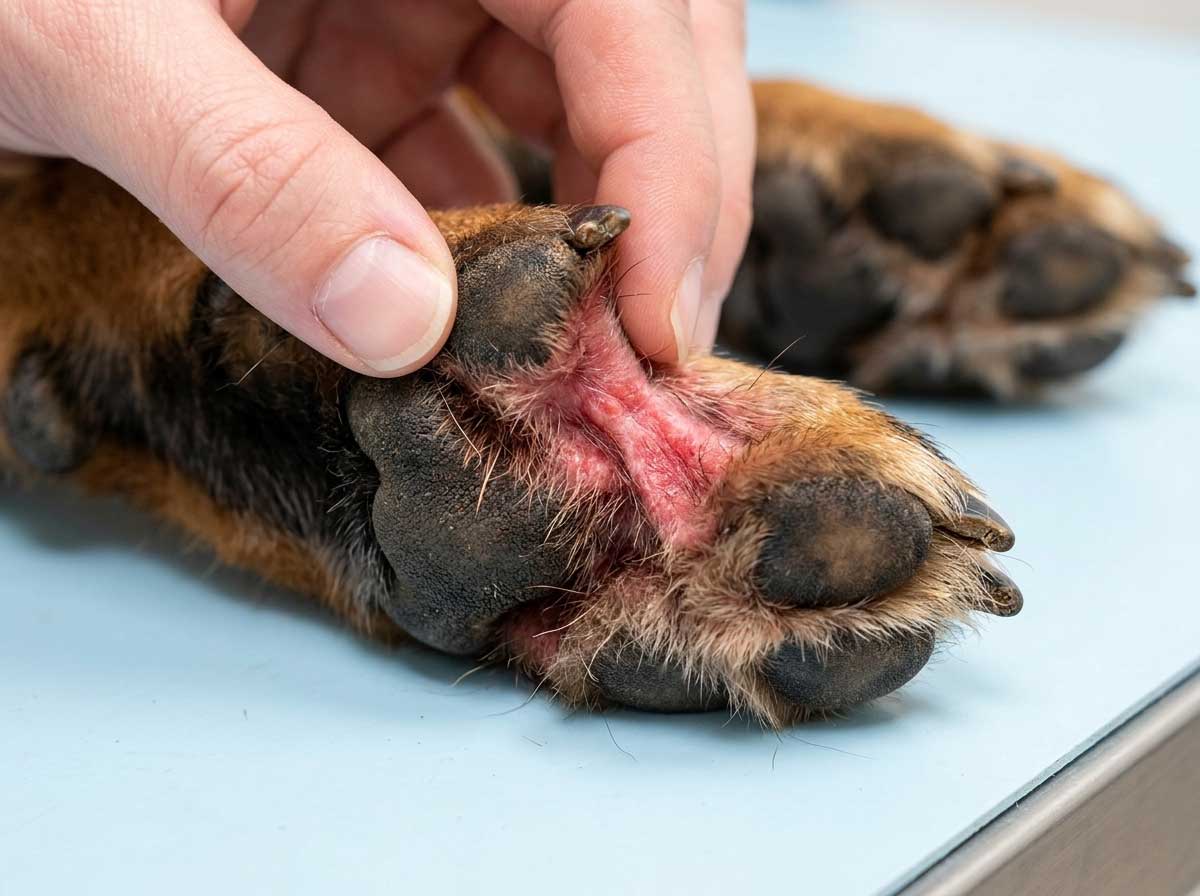
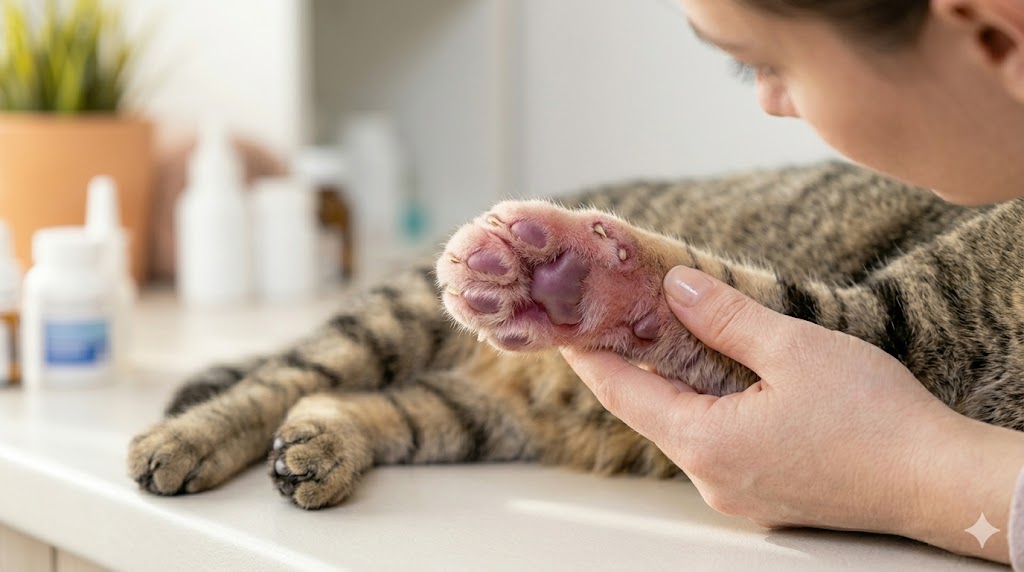
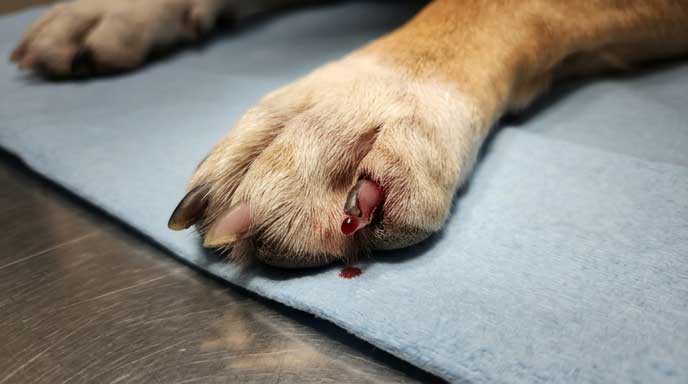
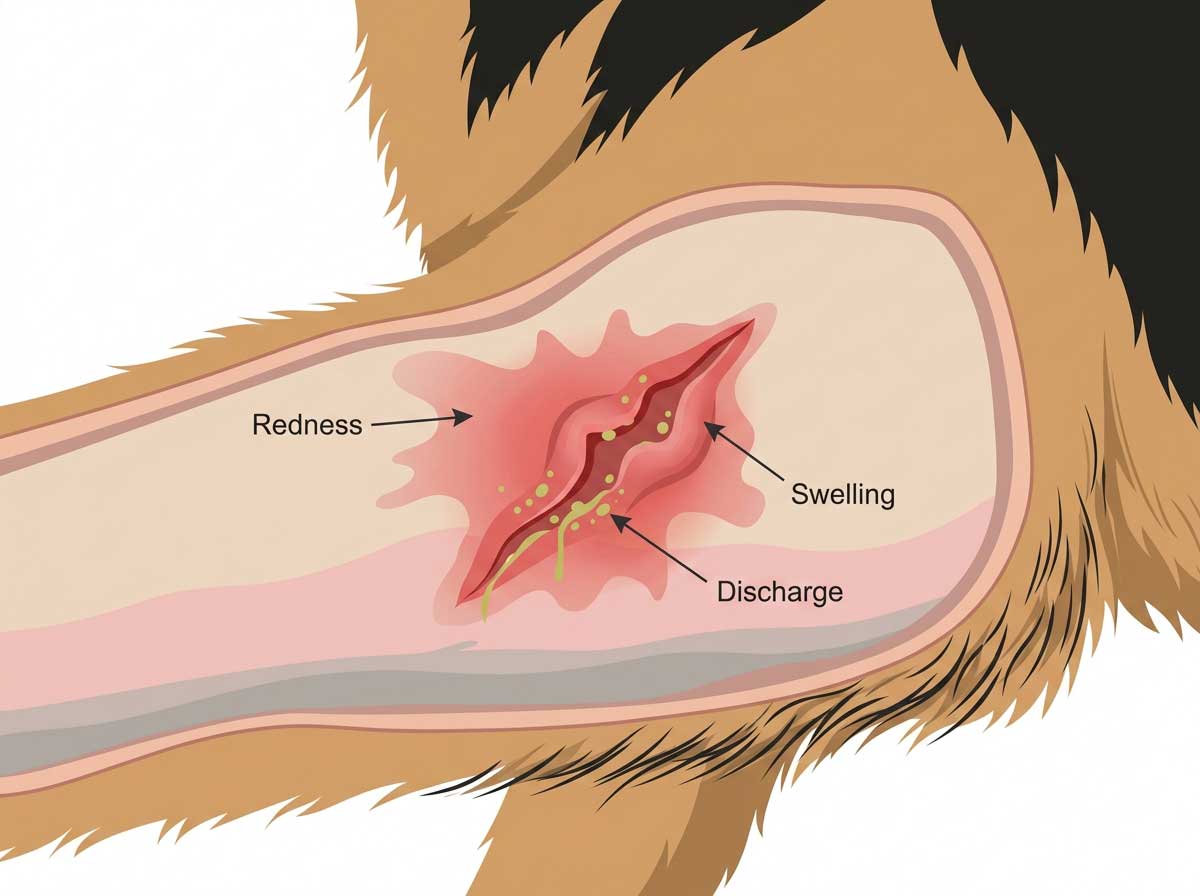
- ✓Intense, deep red color at the wound and outward
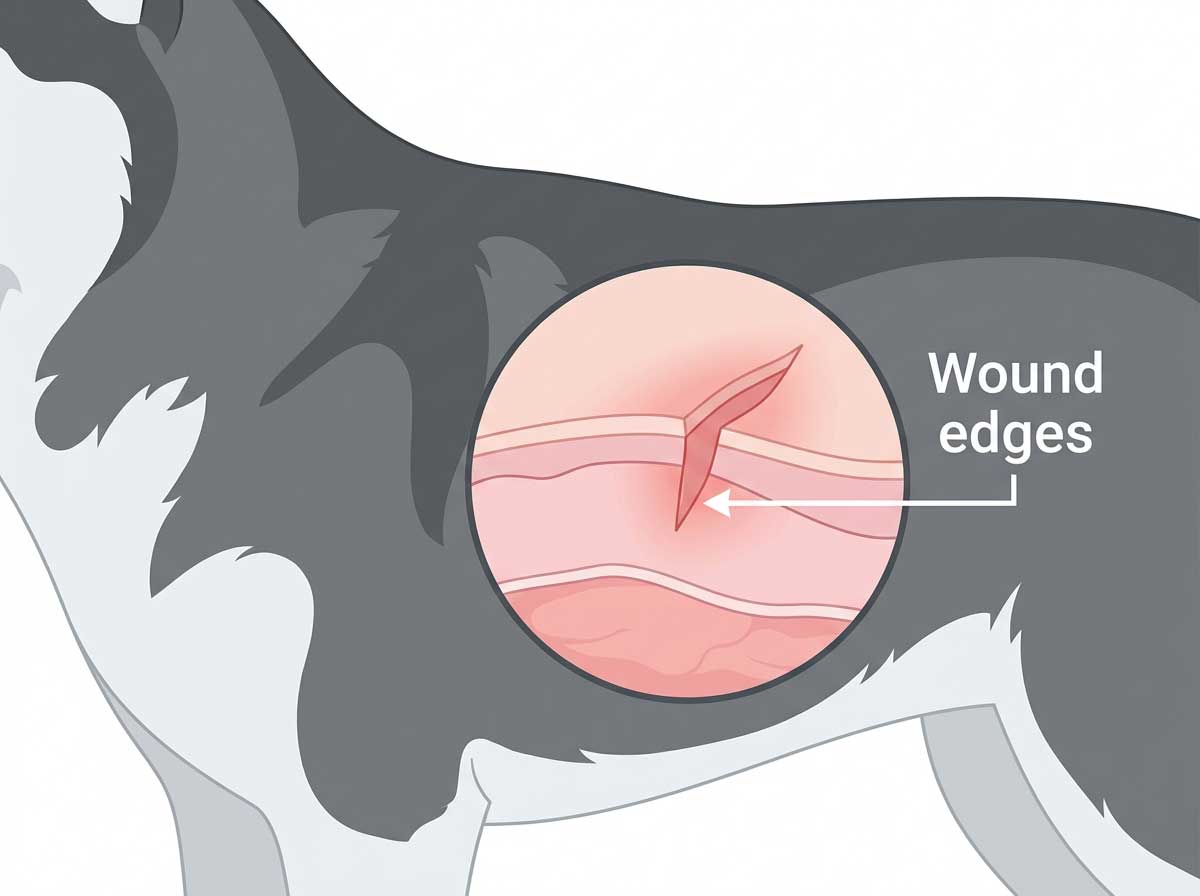
- ✓**Red streaks spreading away from the wound** (sign of bacteria spreading through lymph)
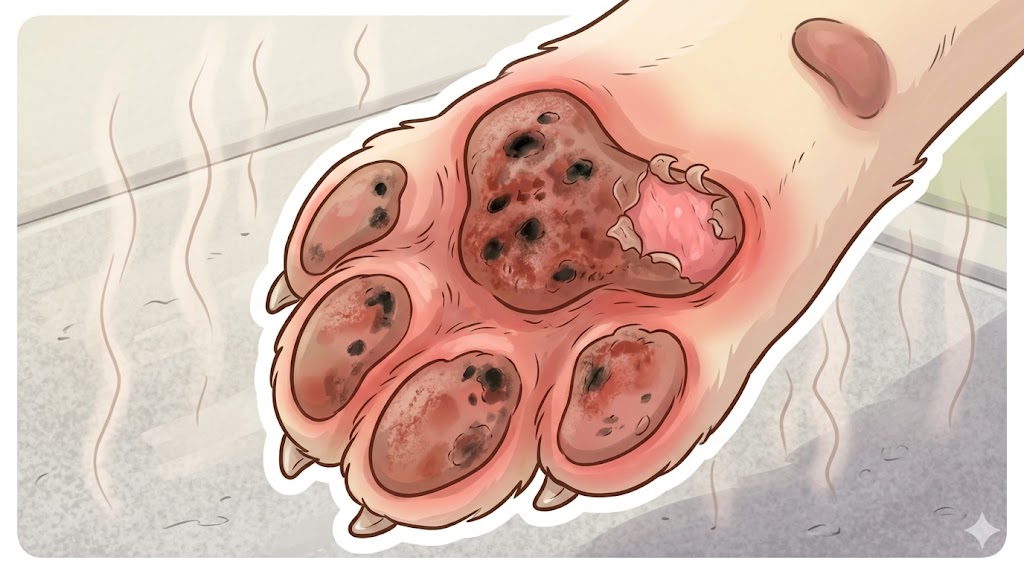
- ✓Dark purple, black, or gray tissue (necrosis — dying tissue, surgical emergency)
- ✓Surrounding skin warm AND red beyond the wound edge
Sign 2 — Discharge
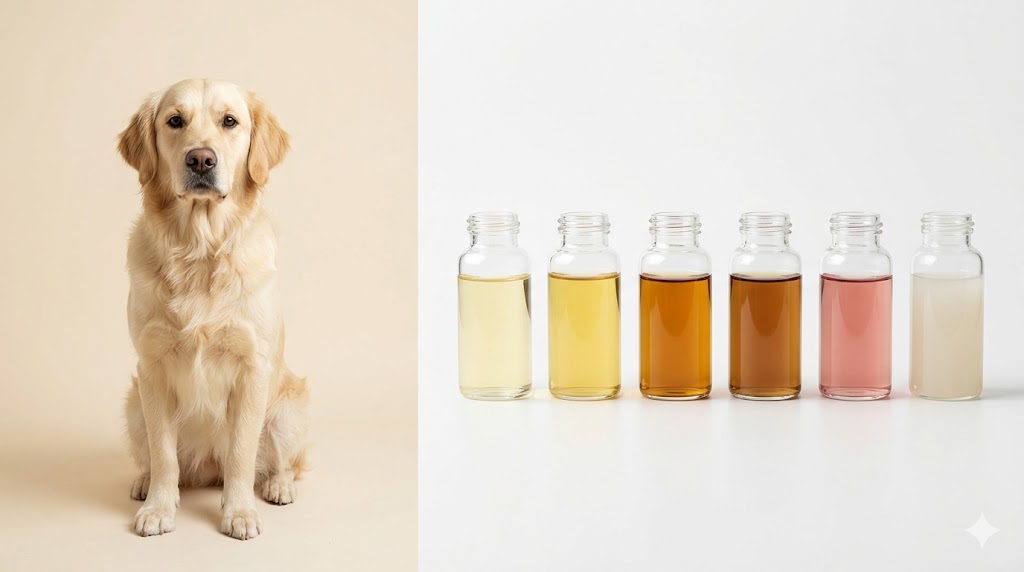
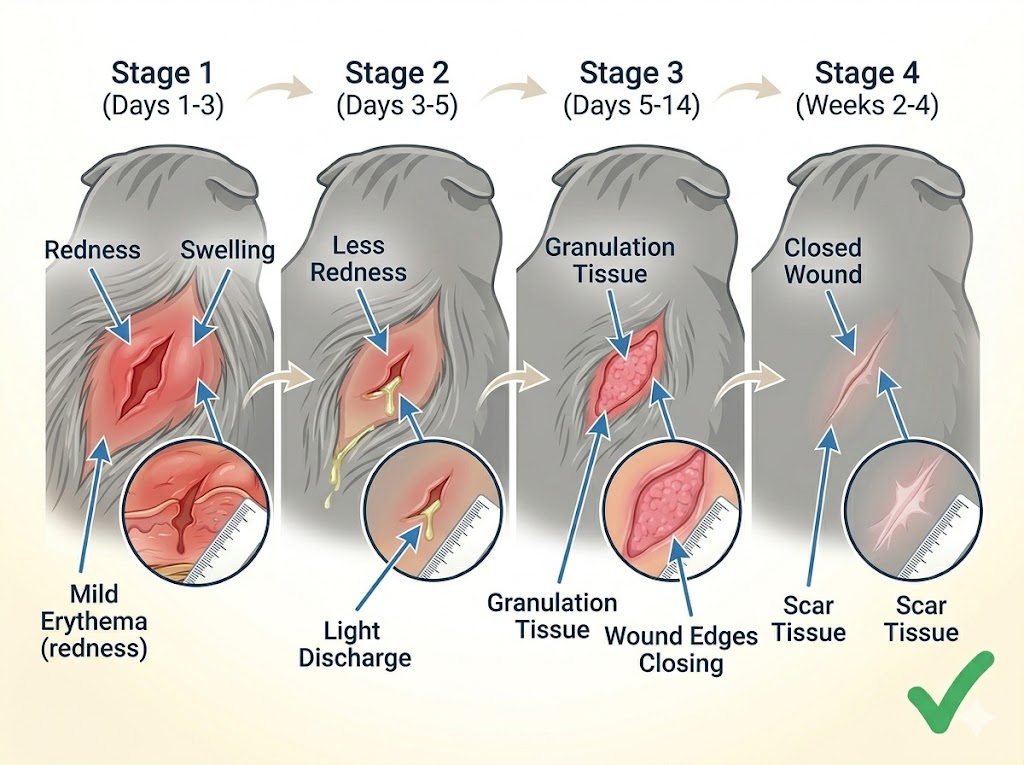
A small amount of clear or pale pink fluid is normal in the first 24-48 hours — it's the body's way of cleaning the wound. After that, any new discharge is a warning.
✅ Healthy healing
- ✓Clear or slightly pink fluid in the first 1-2 days
- ✓Decreasing over time, dry scab forming by day 3-5
- ✓No fluid at all once a scab is in place
🚨 Infected
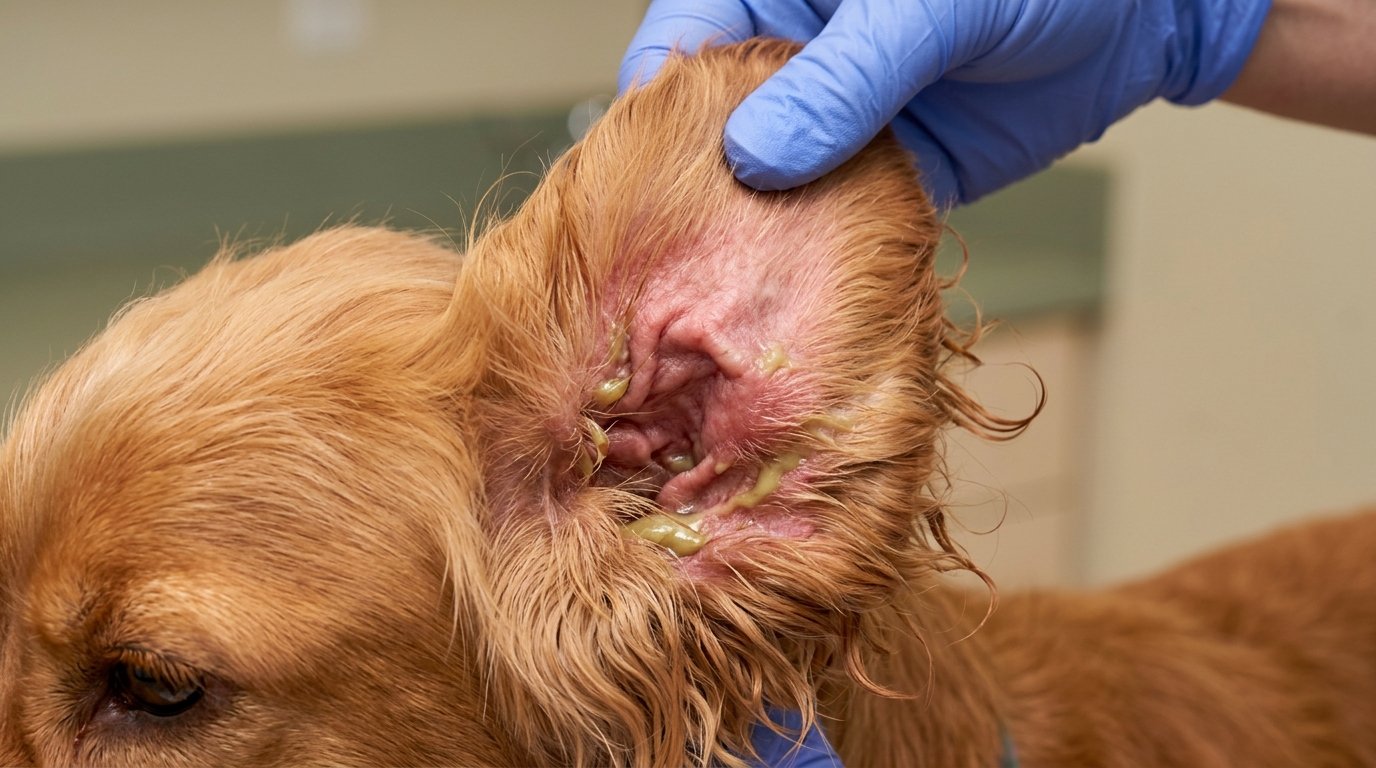
- ✓Thick yellow or green pus (cloudy or opaque)
- ✓White or cloudy white discharge
- ✓Volume increasing over time, not decreasing
- ✓Wound stays wet or sticky past day 3
Sign 3 — Smell
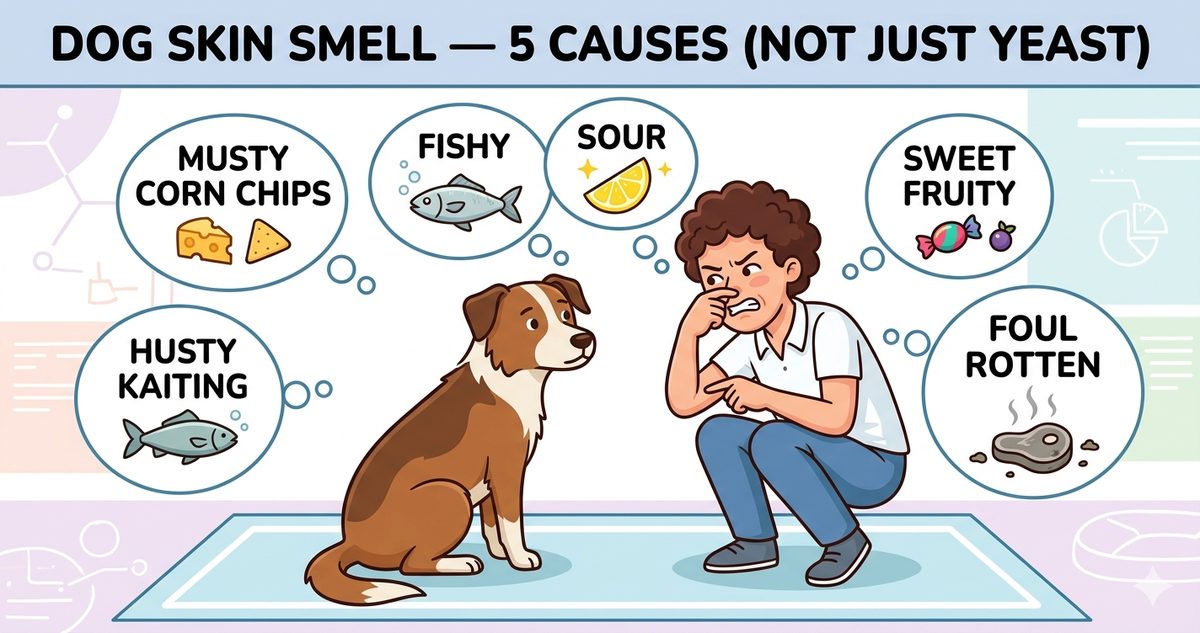
This is the simplest test — lean close and smell. A healing wound has no smell. An infected wound has a distinct foul, sweet-rotten, or "off" odor that you'll notice immediately. If you're unsure if you're imagining it, ask someone else to smell. Foul smell + visible signs from the table = vet visit today.
Sign 4 — Texture & Heat
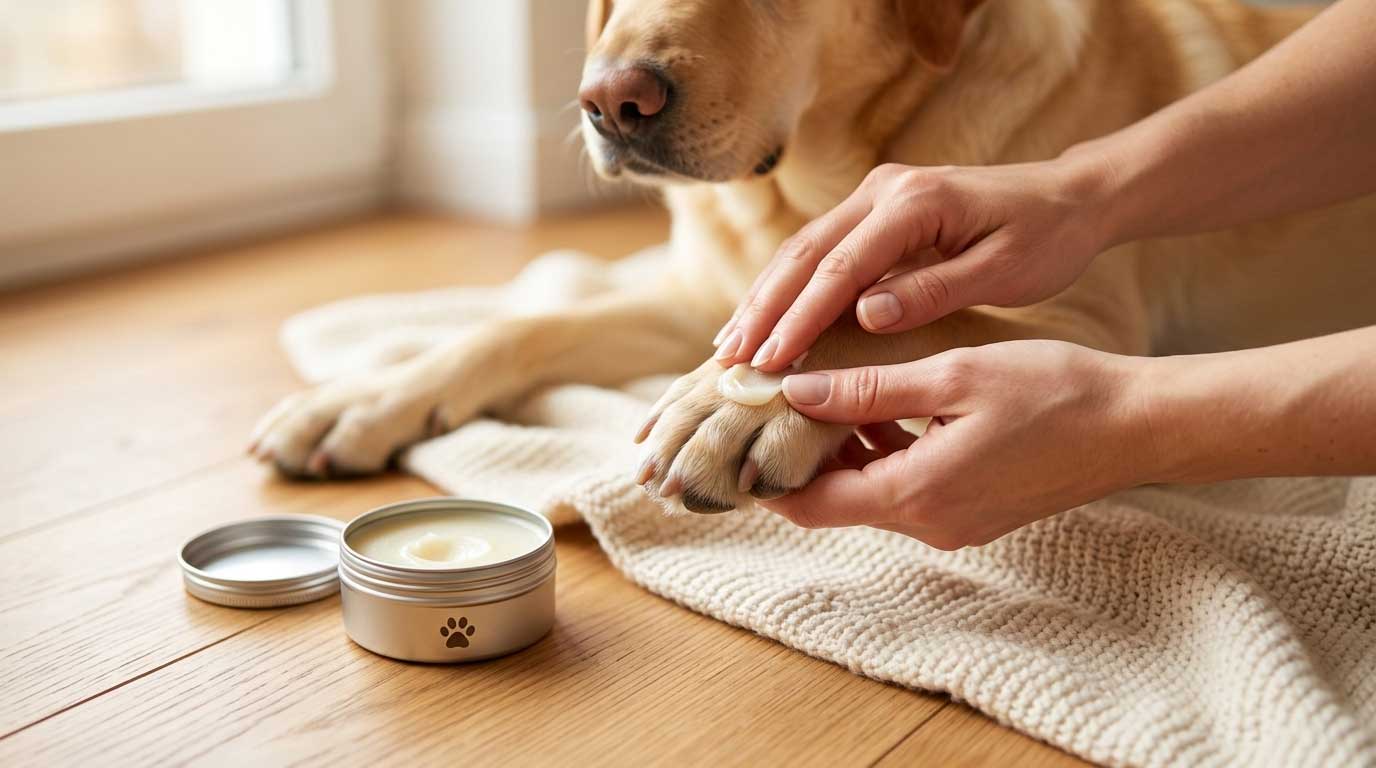
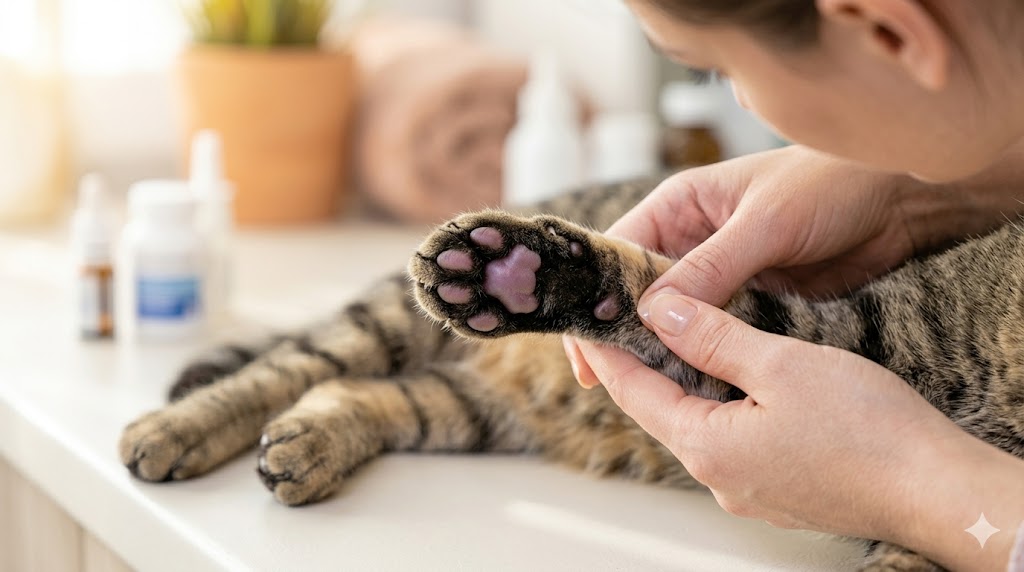
Touch the area gently (clean hands first). A healing wound area feels cool or about the same temperature as your dog's surrounding skin. An infected wound feels noticeably warmer — sometimes hot — and the surrounding tissue is firm or boggy with swelling that doesn't go down.
- ✓✅ Healing: cool, dry scab, mild bumpy granulation tissue underneath
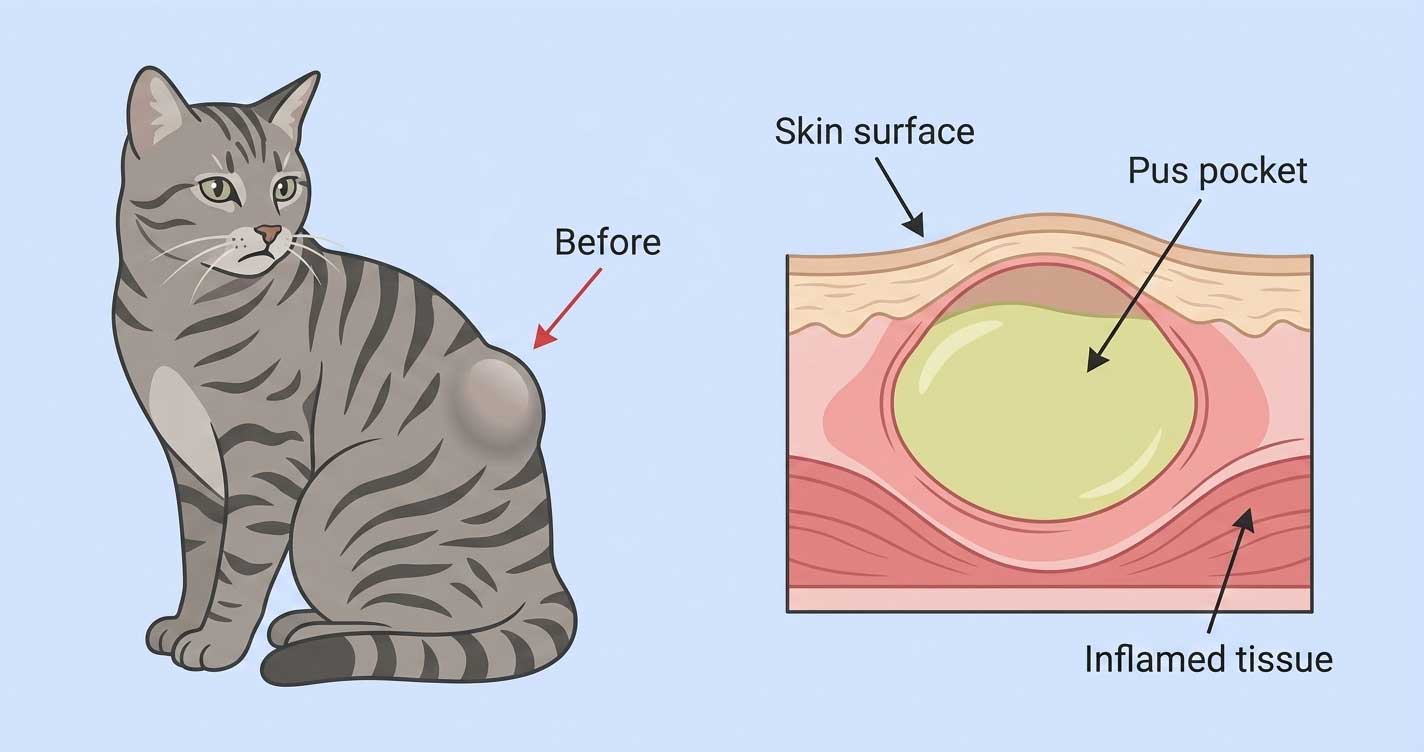
- ✓🚨 Infected: hot, swollen, firm or fluctuant (squishy with fluid underneath), tender to touch
Sign 5 — Behavior
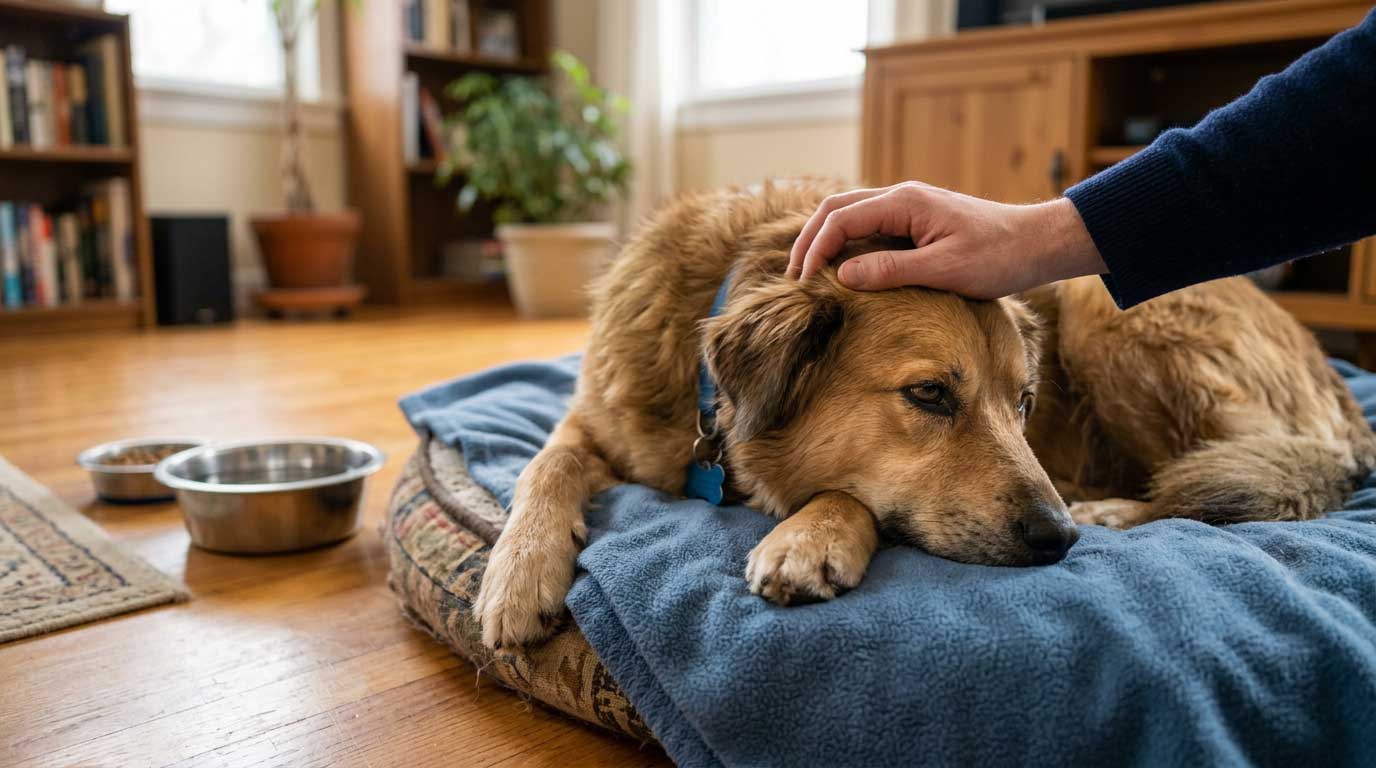
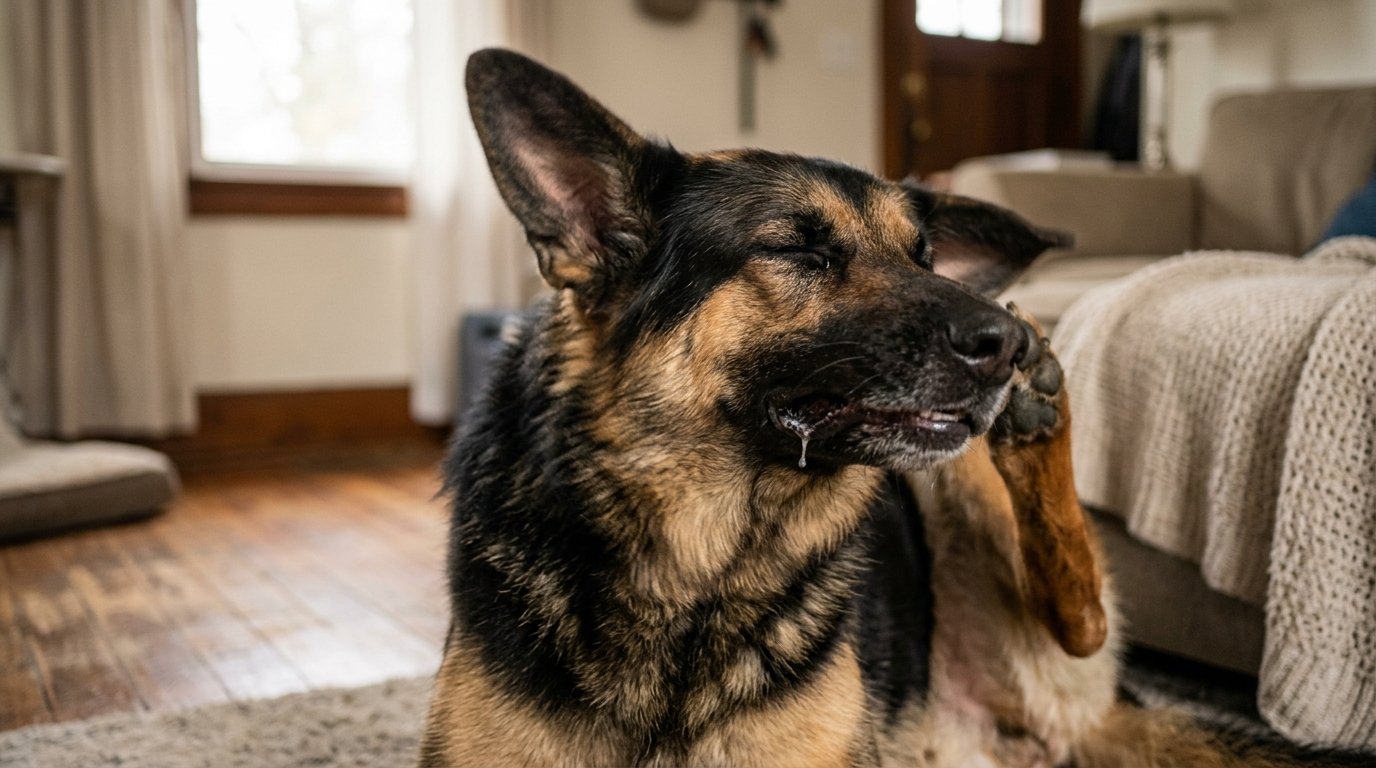
Behavior is often your earliest warning — before the wound looks dramatically worse. A healing dog acts mostly normal. An infected dog starts to feel sick.
✅ Healthy healing behavior
- ✓Eating, drinking, normal activity
- ✓Mild attention to the wound but not obsessive
- ✓No fever, no lethargy
🚨 Infected behavior
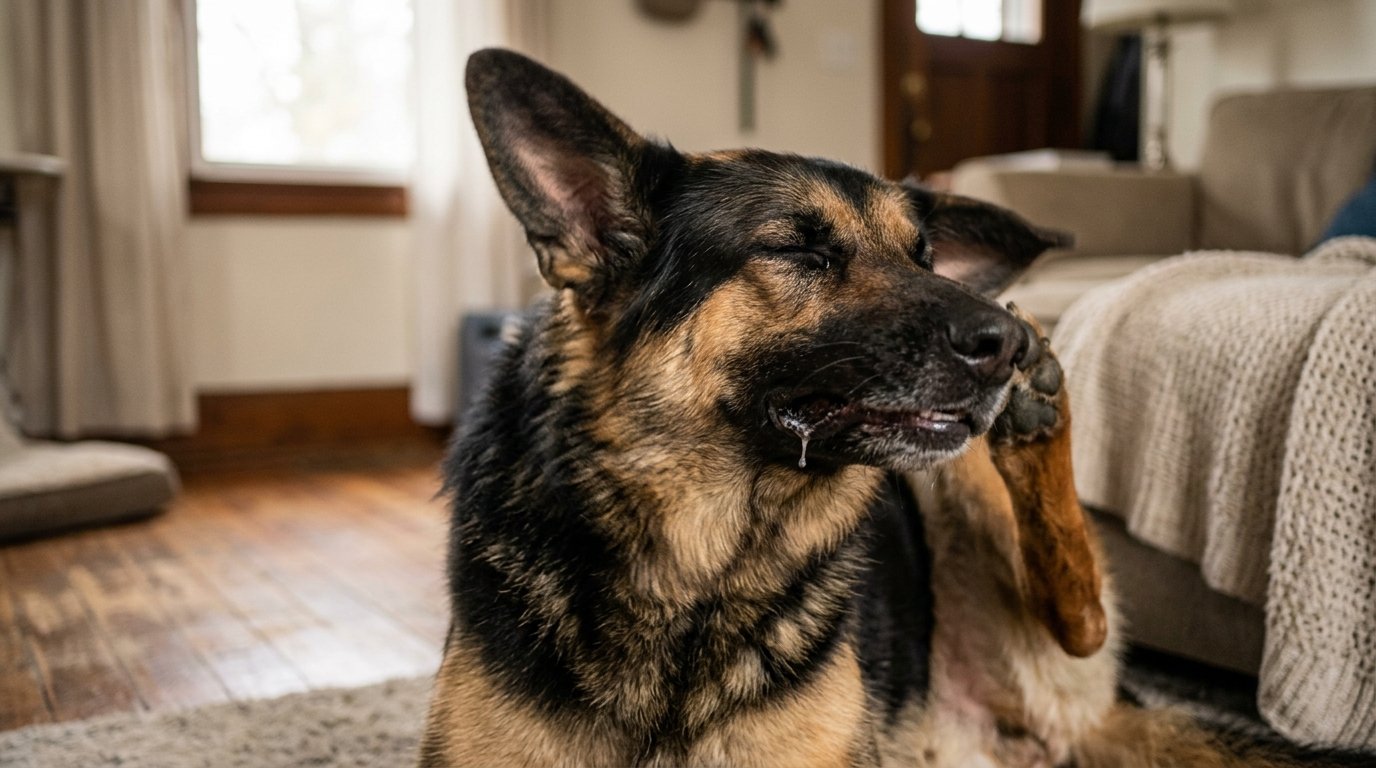
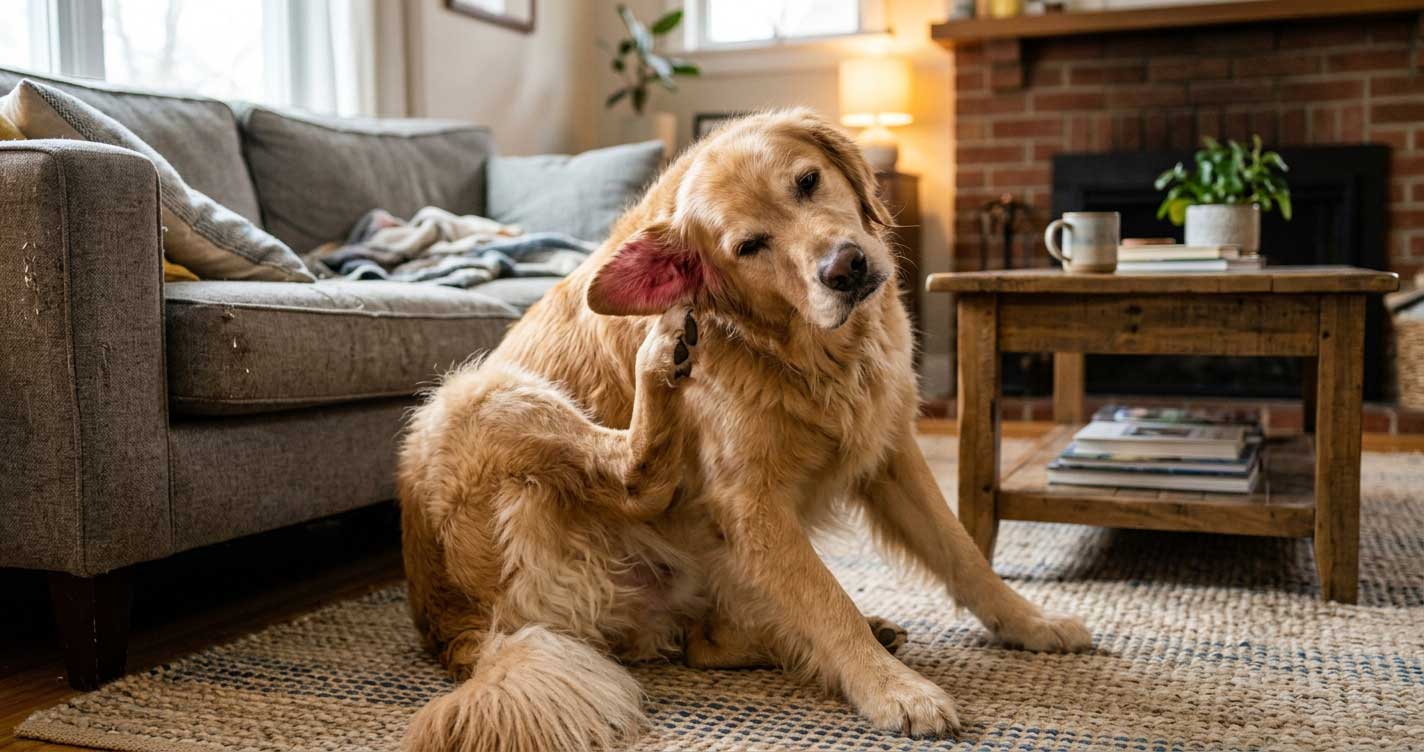
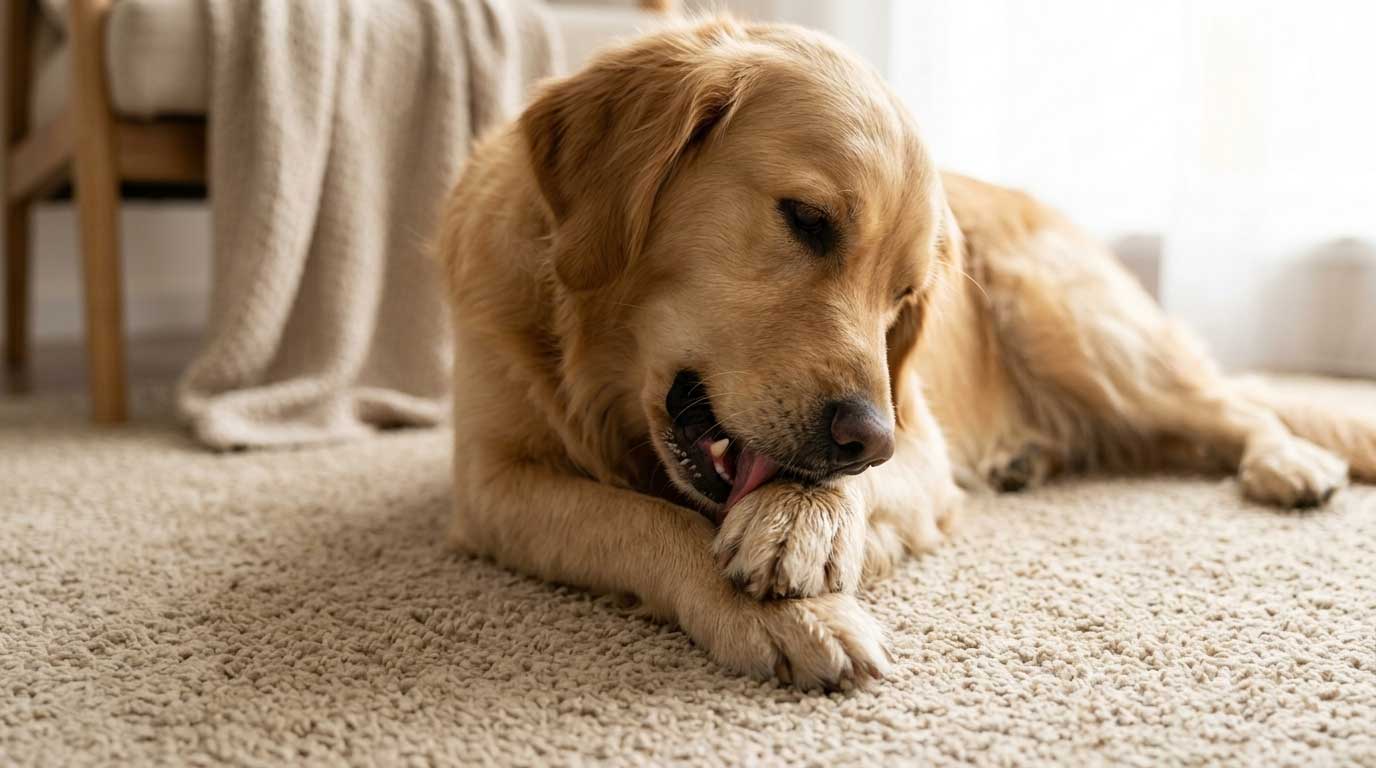
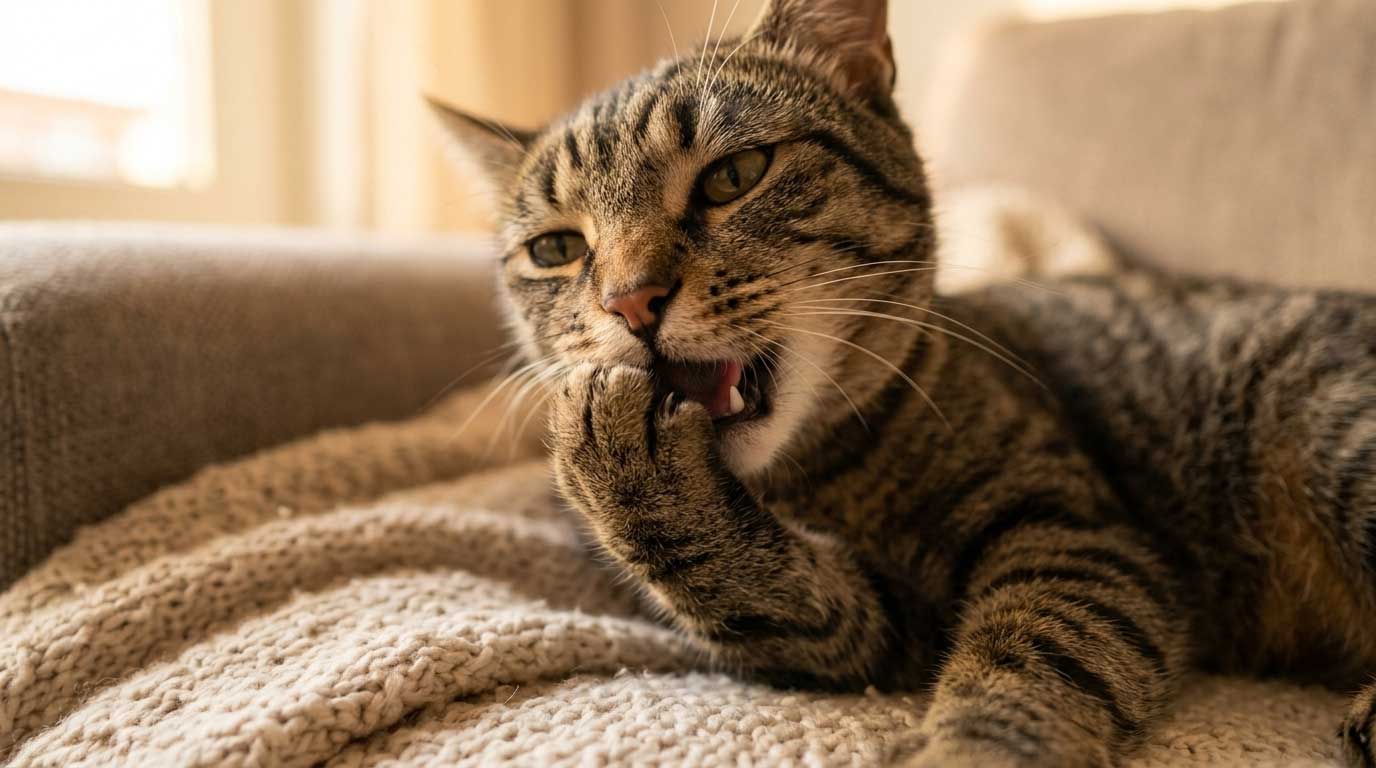
- ✓Excessive licking, chewing, or guarding the wound
- ✓Refusing food or eating less than usual
- ✓Hiding, sleeping more than normal, less interested in walks
- ✓Limping or favoring the area more (not less) over time
- ✓Fever (warm ears, dry nose, panting at rest)
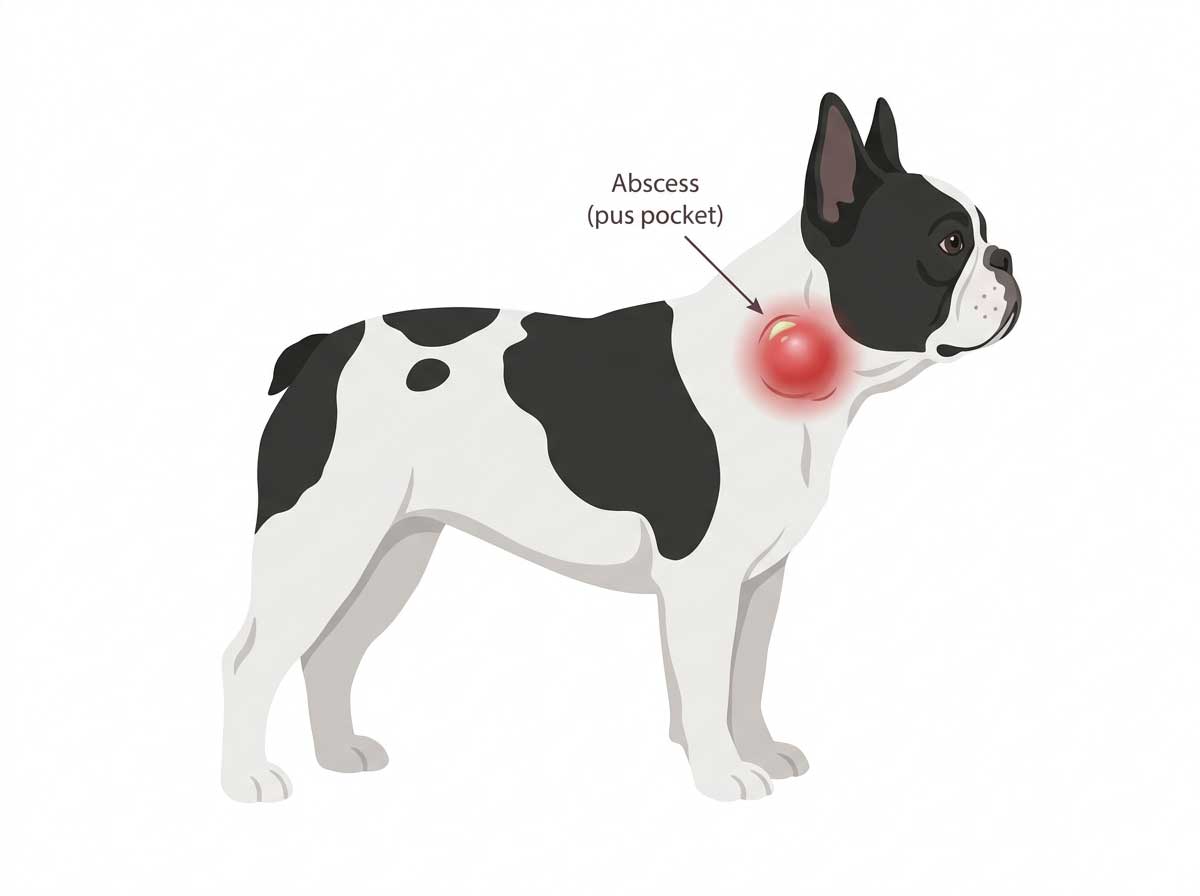
Spotting 2 or more infected signs above? Get an AI second opinion in 30 seconds.
Check Dog WoundSurgical Incision Infection: What to Look For
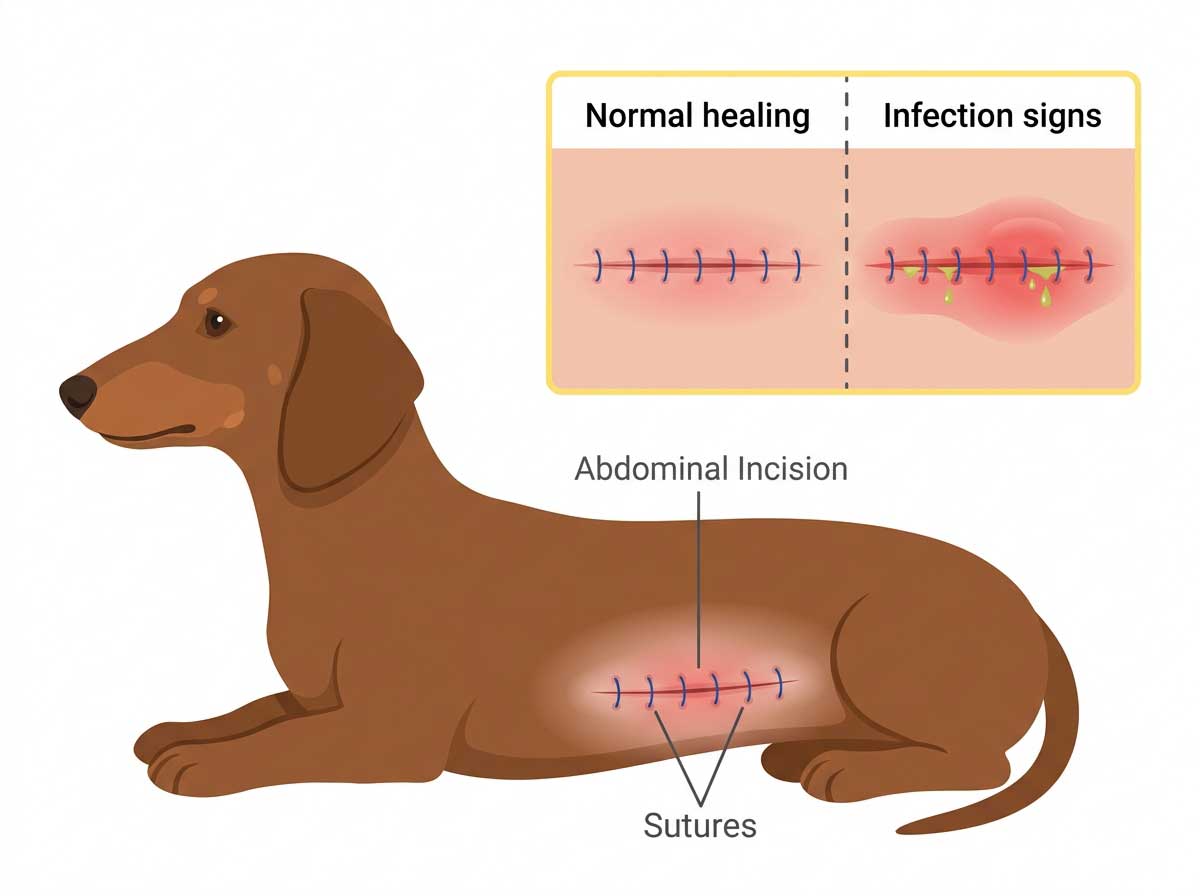
Surgical wounds (spay, neuter, mass removal) have a different "normal" timeline. The 5-point comparison still works, but expect mild redness along the incision line for the first 3-5 days (Stage 1-2 inflammation). After that, the same warning signs apply:
- ✓🚨 Incision starts to gap or open (especially after 7 days when it should be closing)
- ✓🚨 Discharge of any color appears after the wound surface dried
- ✓🚨 Stitches are red, hot, or have yellow/white crust around them
- ✓🚨 Hard, swollen area under the skin around the incision (seroma or abscess)
- ✓🚨 Your dog vomits or refuses food past day 2
If you see any of these, call the surgeon who performed the procedure — not just any vet. The surgeon knows exactly what they did and can advise faster.
Can You Treat an Infected Dog Wound at Home?
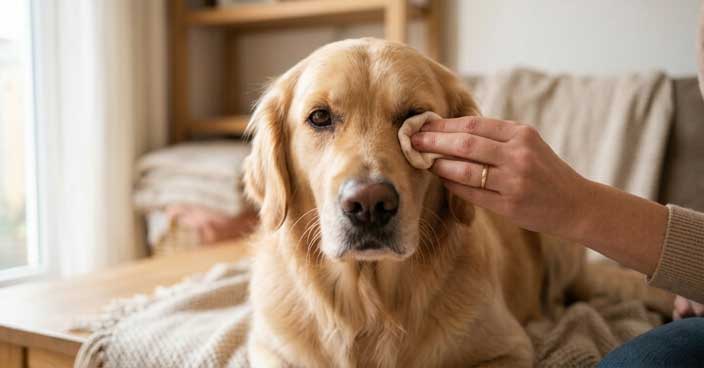
Short answer: no. Once a wound is infected, it needs prescription antibiotics — either topical, oral, or both. Home remedies (saline rinsing, gentle cleaning, e-collar) can support the recovery but cannot resolve the infection itself.
Untreated wound infections can spread to deeper tissue, cause abscesses that require surgery to drain, or progress to sepsis (blood infection). The cost of a vet visit + antibiotics ($100-300) is far less than emergency abscess drainage or sepsis treatment ($800-3,000+).
What you can do at home to support healing once your vet has prescribed treatment:
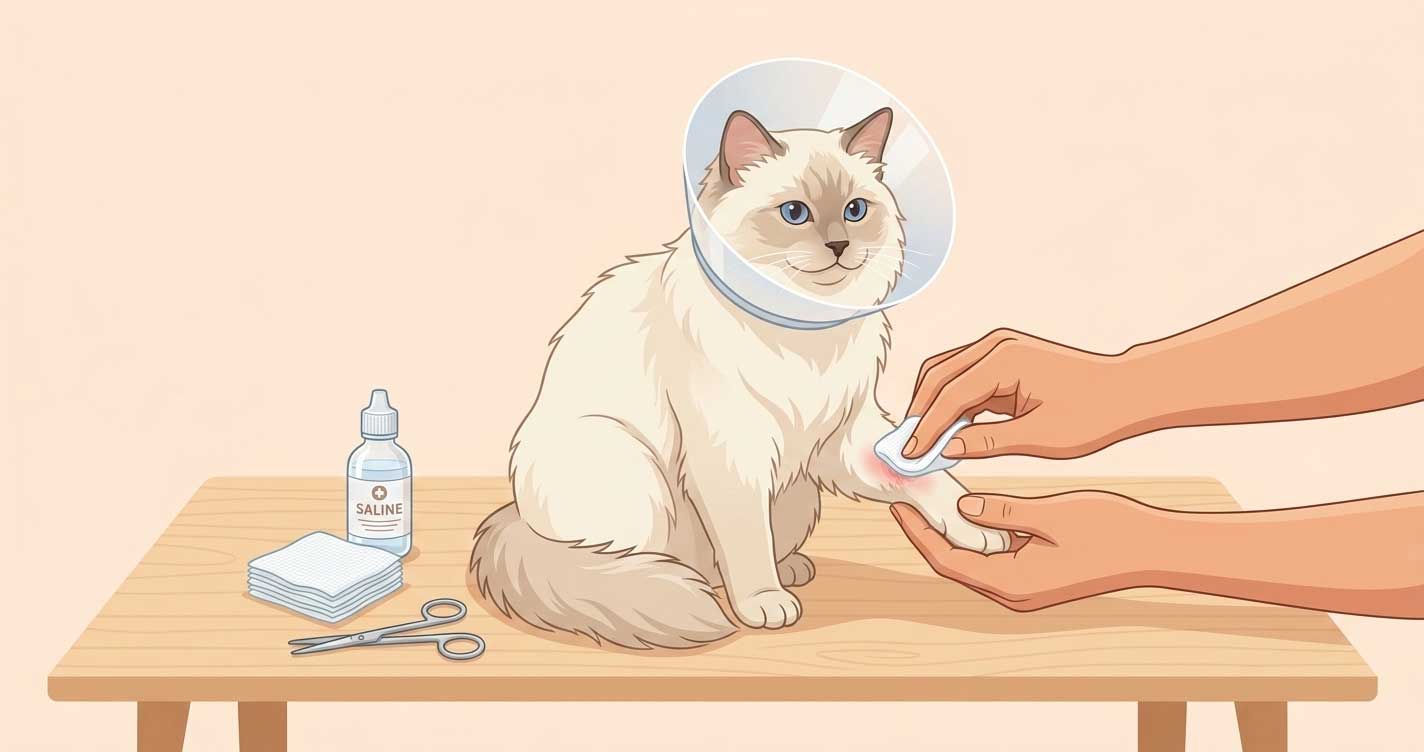
- ✓Gently flush with sterile saline (1 tsp salt in 2 cups boiled, cooled water) once or twice daily
- ✓Apply prescribed antibiotic ointment if your vet says so
- ✓Use an e-collar 24/7 to stop your dog from licking
- ✓Keep the area clean and dry between flushes
- ✓**Never use hydrogen peroxide or alcohol** — they damage healthy tissue and slow healing
When to Call Your Vet Immediately
- ✓You see 2 or more infected signs from the comparison table
- ✓Spreading redness or red streaks moving away from the wound
- ✓Yellow, green, or foul-smelling discharge
- ✓Dark purple, black, or gray dead tissue
- ✓Your dog has a fever (warm ears, dry nose) or refuses food
- ✓Any bite wound from another animal — always emergency
- ✓Surgical incision opening, gapping, or with new discharge
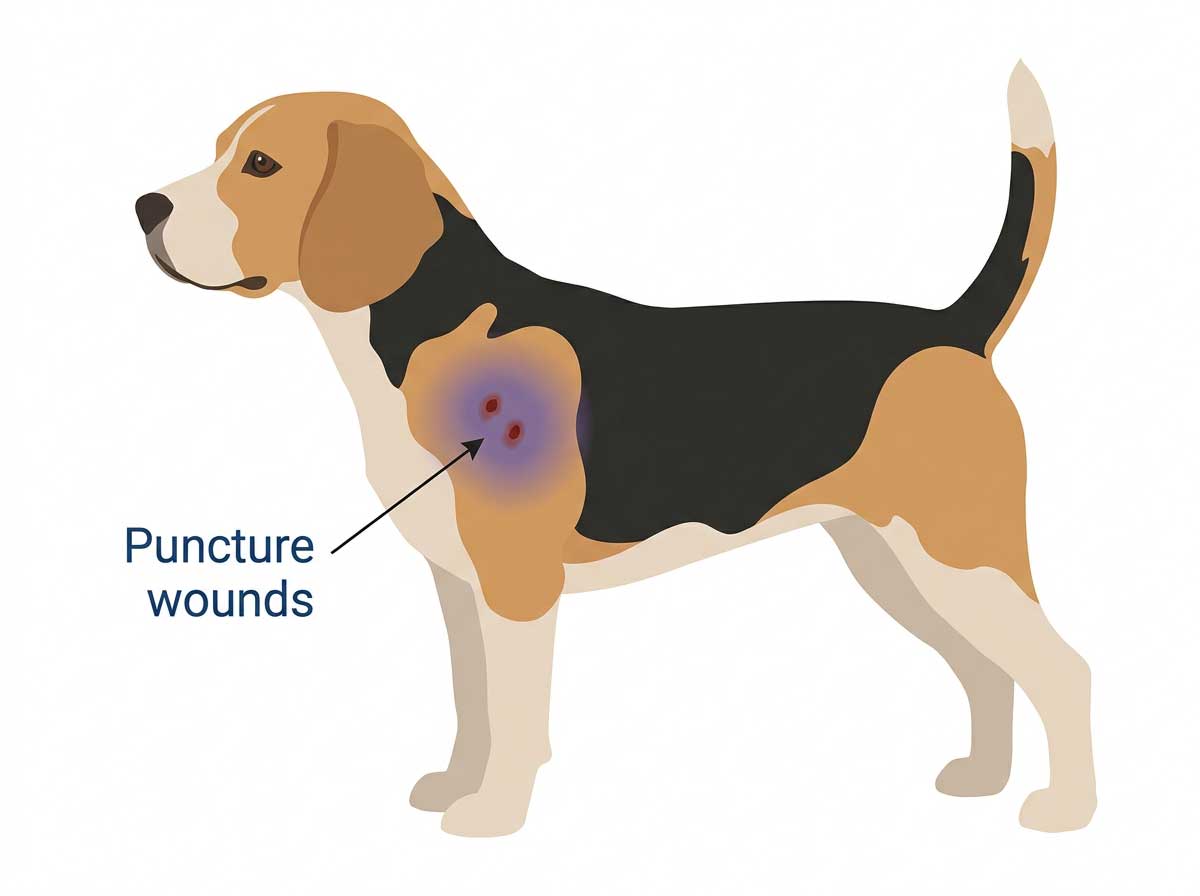
Want a clear answer now? Upload a photo and let AI compare your dog's wound to the 5 healing vs infected signs.
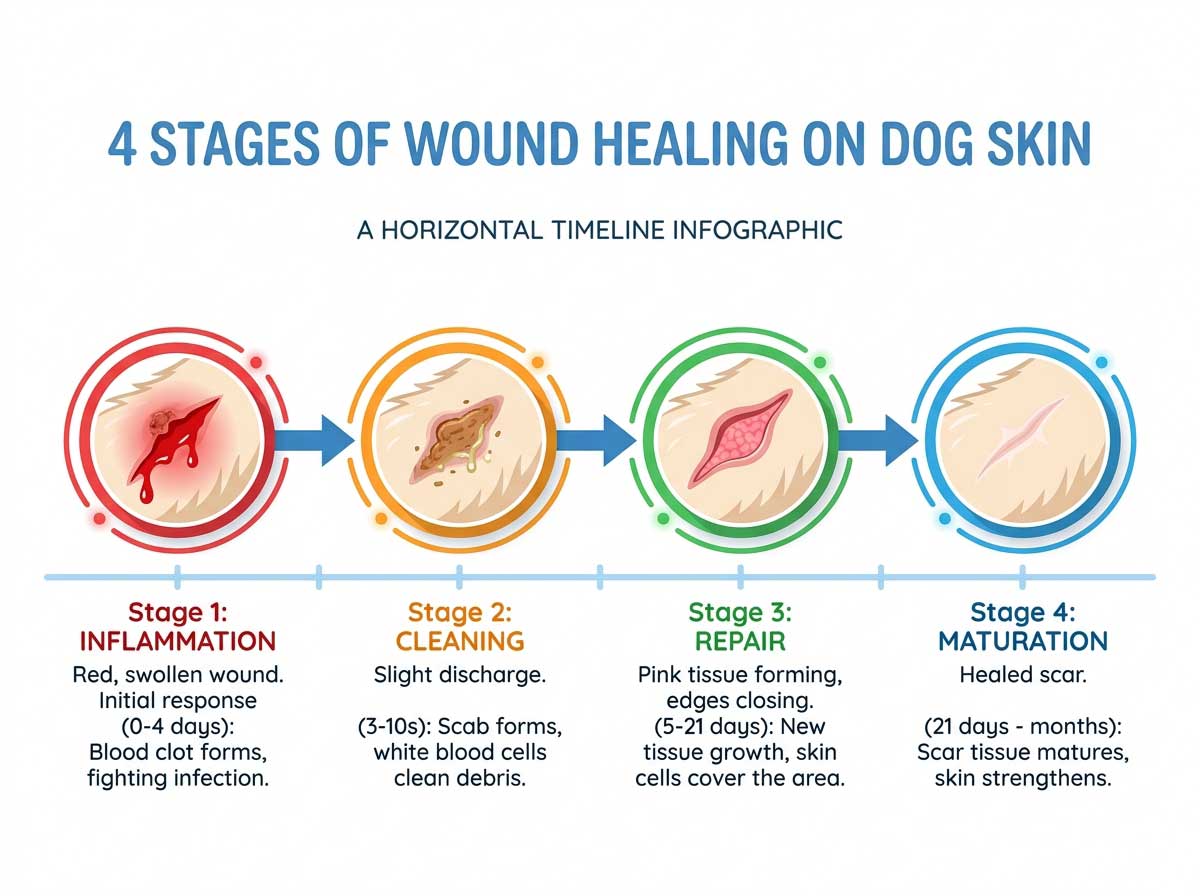
Check Dog WoundFor more on dog wound recovery, see our 4-stage dog wound healing timeline and complete dog wound care guide. If you have a cat with similar wound concerns, see our cat wound healing stages guide. The 5-point comparison framework here is consistent with veterinary references — for further reading, see Vetericyn's healing stages guide and PetMD's incision check guide.
Wound vs lump confusion — ulcerated tail lumps can look like open wounds. Our new AI tool distinguishes cyst vs lipoma vs concerning mass from your dog photo.
Try Tail Lump Pictures AI ToolFrequently Asked Questions
What does an infected wound look like on a dog?
+
Does a dog wound heal faster, covered or uncovered?
+
Can you treat an infected dog wound at home?
+
What are the first signs of dog wound healing?
+
Worried About Your Dog's Wound?
Upload a clear photo for an instant AI assessment of healing stage, possible infection signs, and recommended next steps.
Disclaimer: This article is for informational purposes only and is not a substitute for professional veterinary advice. Always consult a licensed veterinarian for diagnosis and treatment of your pet's health conditions.