Dog Ear Hematoma: Causes, Symptoms, Vet Guide [2026]
Dog ear hematoma — what causes the balloon-like ear flap swelling, symptoms, what happens if left untreated, surgery cost, can it kill a dog + when to see a vet.
Published 2026-06-20
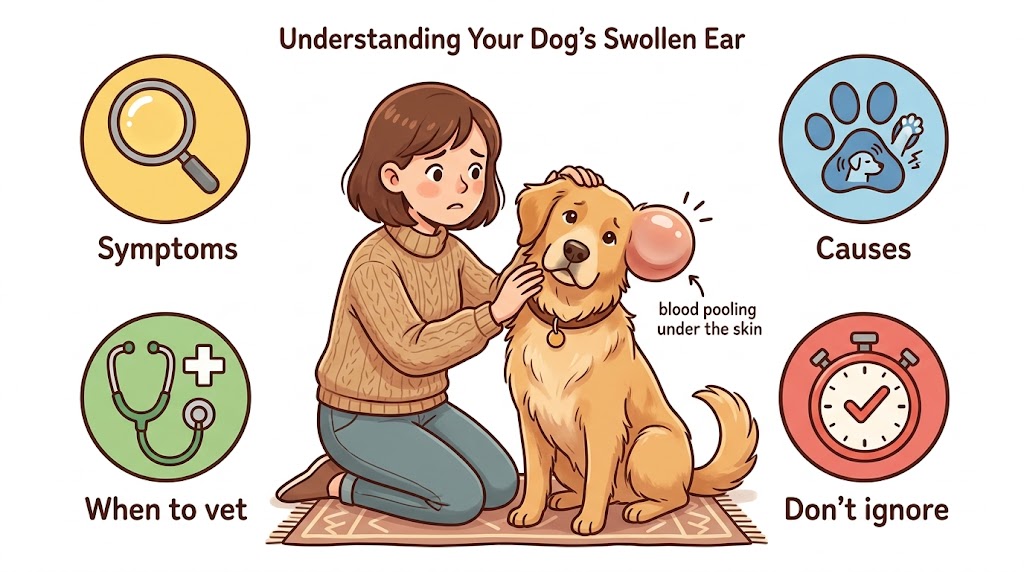
Dog Ear Hematoma? Identify the Underlying Cause
Upload a close-up photo of your dog's ear — the AI compares against yeast / bacterial / mites patterns that commonly trigger hematoma, telling you urgency + when to vet.
Dog ear hematoma is one of the most alarming dog ear conditions to discover — one moment your dog's ear looks normal, the next it is a soft balloon-like swelling that wobbles when touched. This guide covers the 6 things every dog owner needs to know about dog ear hematoma: what it actually is (blood pooling under the ear skin), the dog ear hematoma causes (it is almost always secondary to a deeper ear problem), the symptoms beyond the obvious swelling, what happens if you leave a dog ear hematoma untreated, dog ear hematoma surgery cost expectations, the urgent question "can ear hematoma kill dog," and the clear vet timeline that prevents complications.
See unusual swelling on your dog's ear flap and want an AI pattern check before the vet visit? Upload a close-up photo.
Check Dog Ear Pattern →What Is a Dog Ear Hematoma? (Causes)
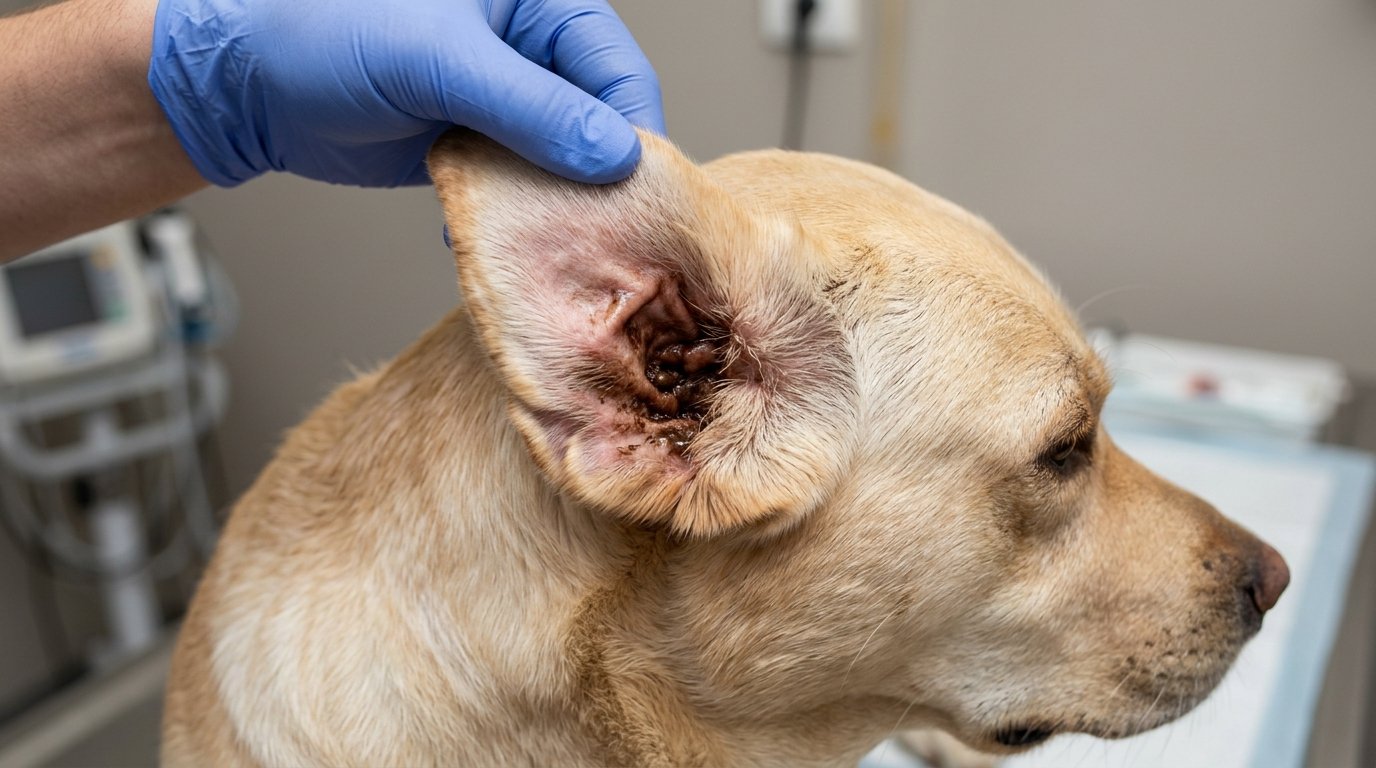
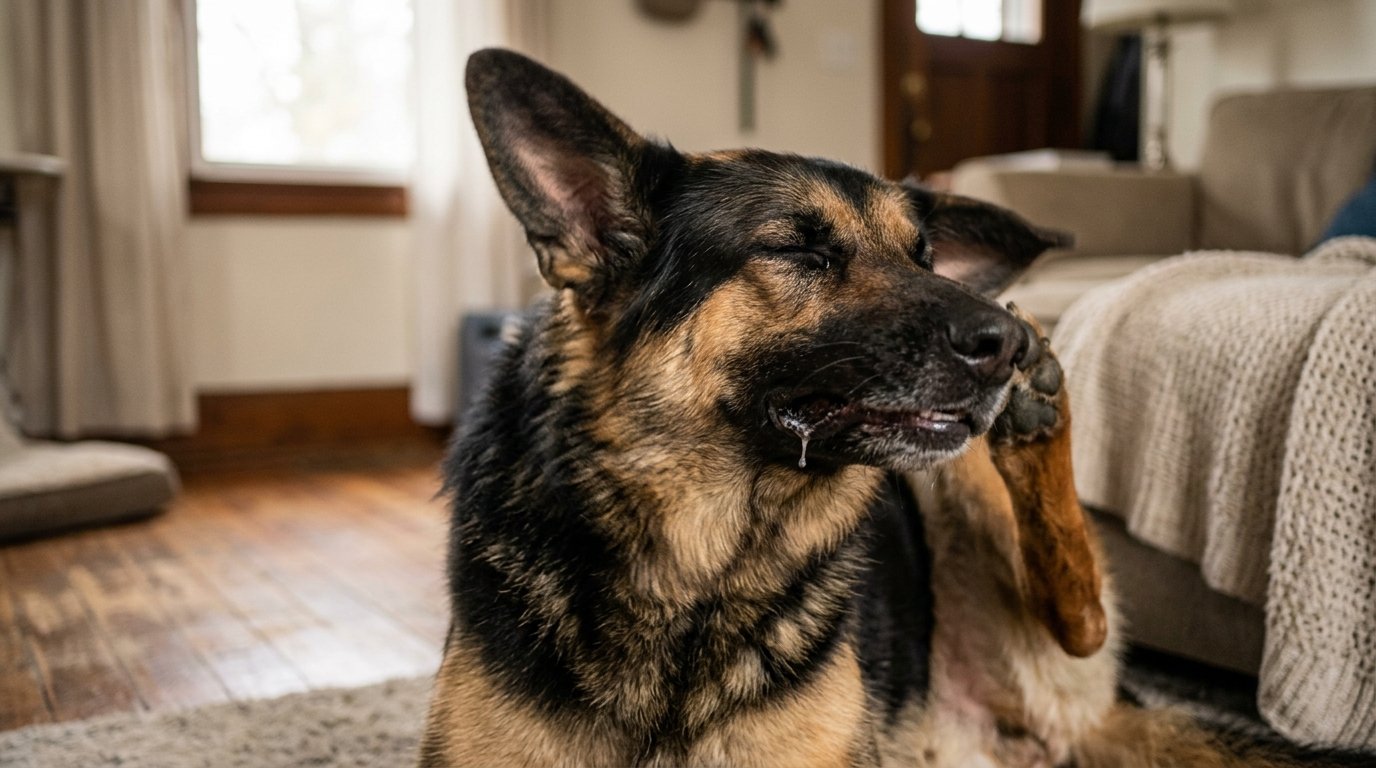
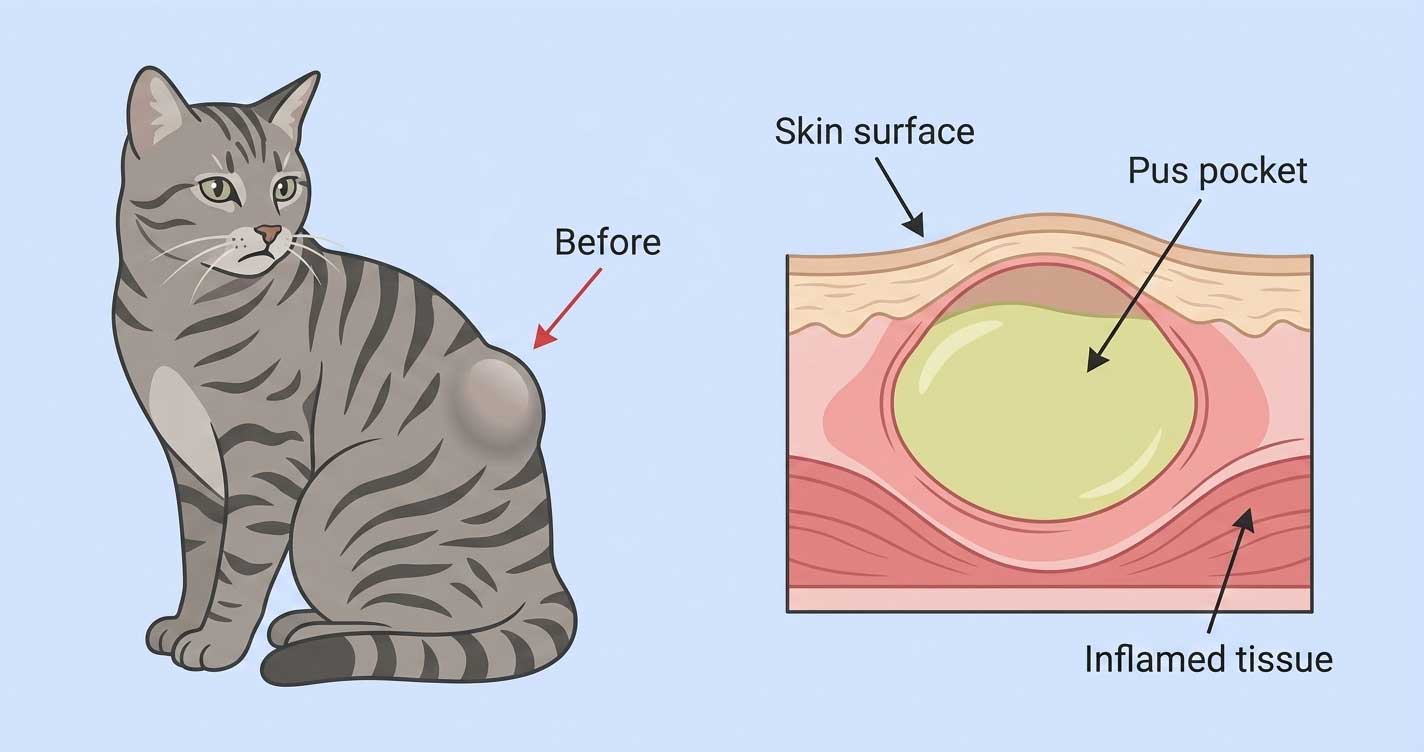
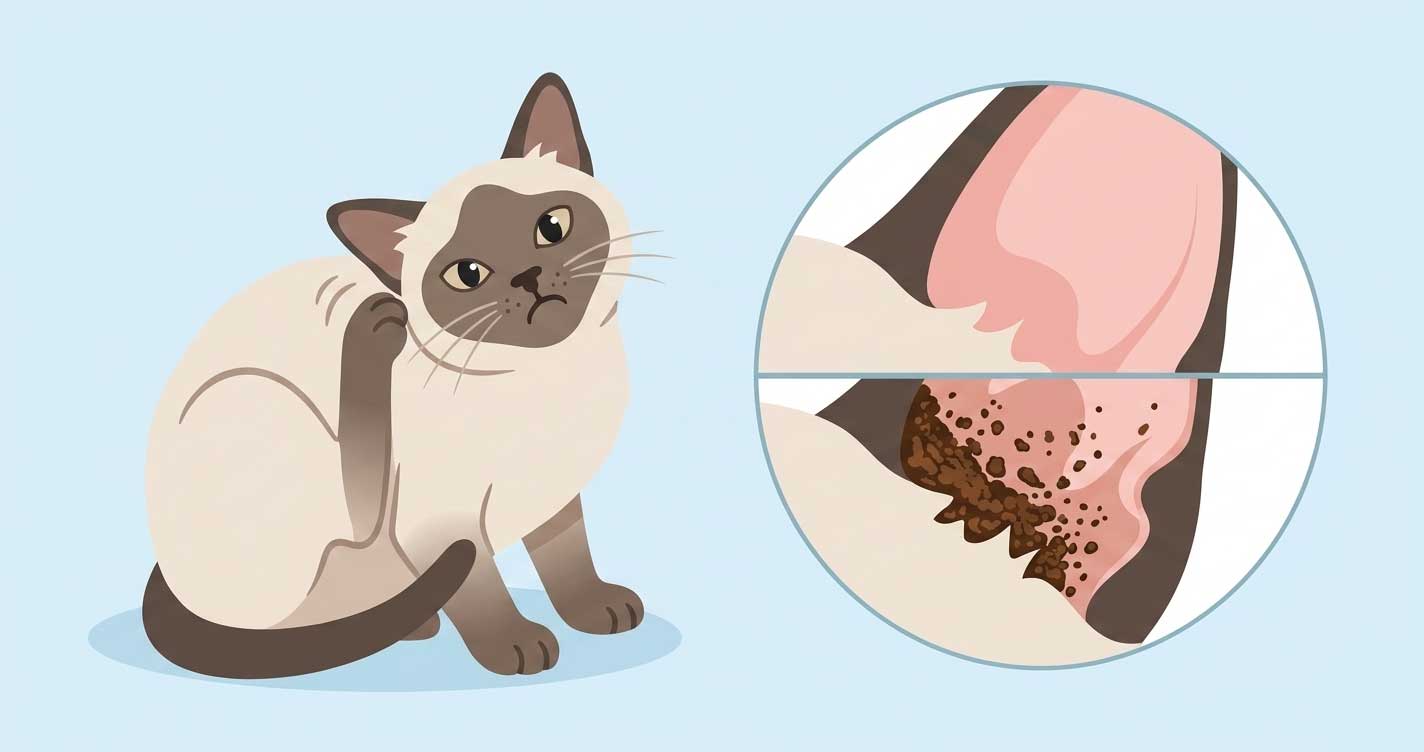
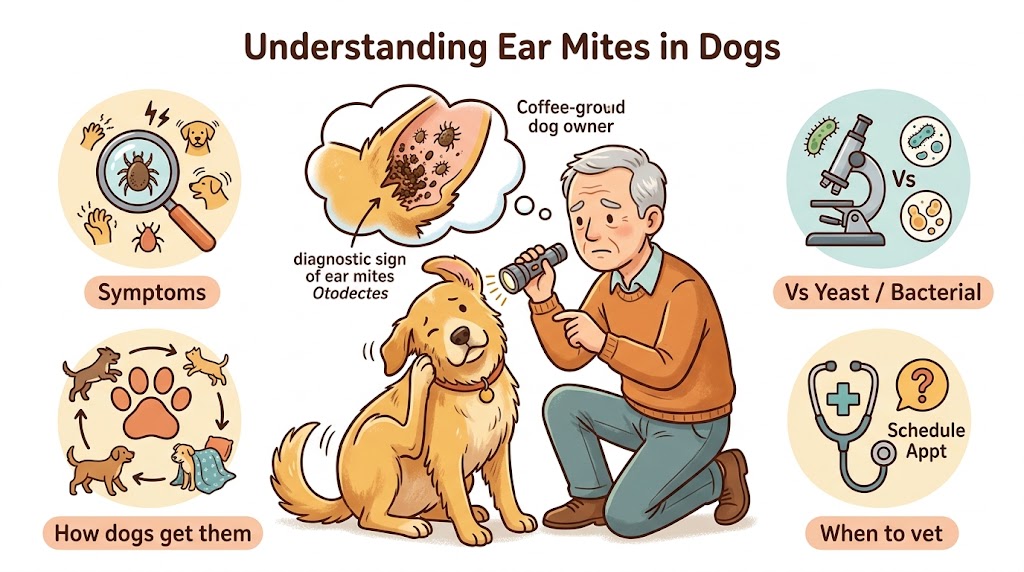
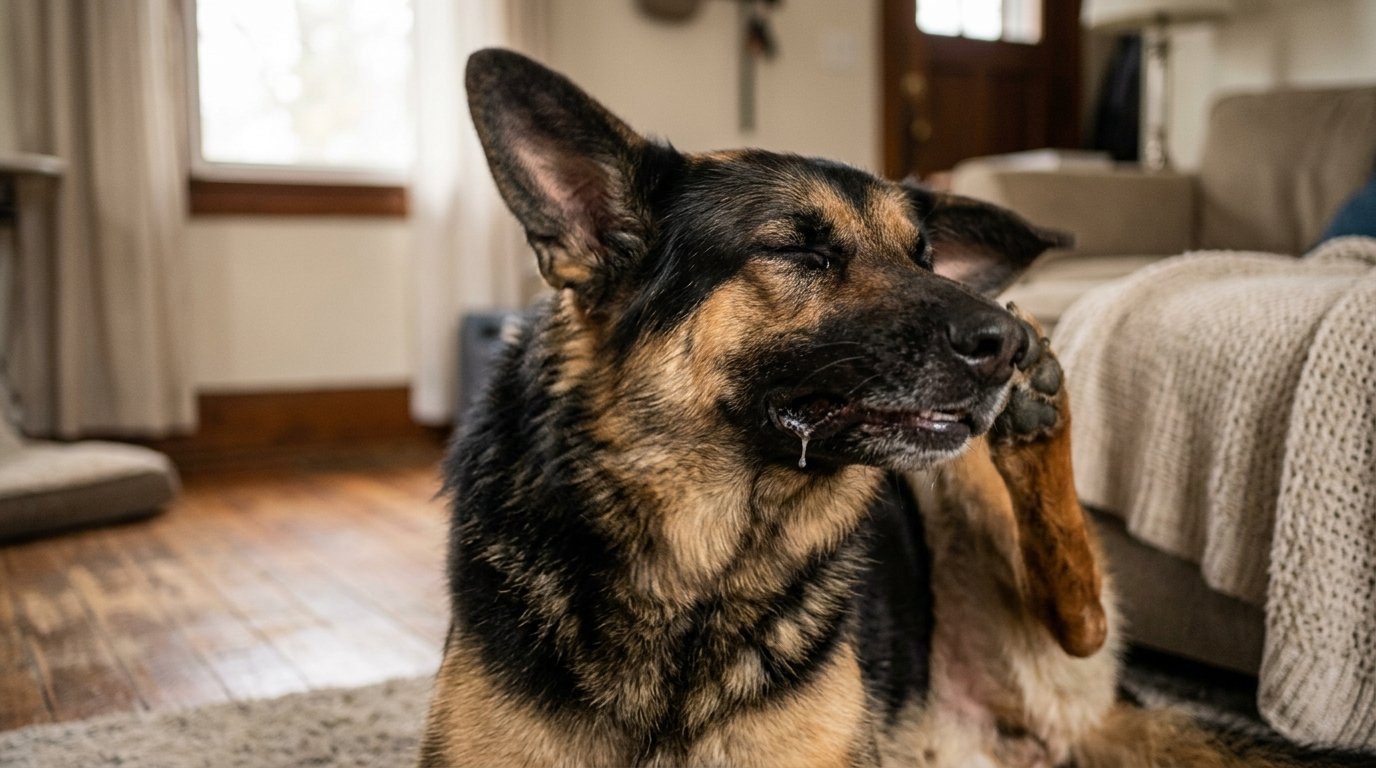
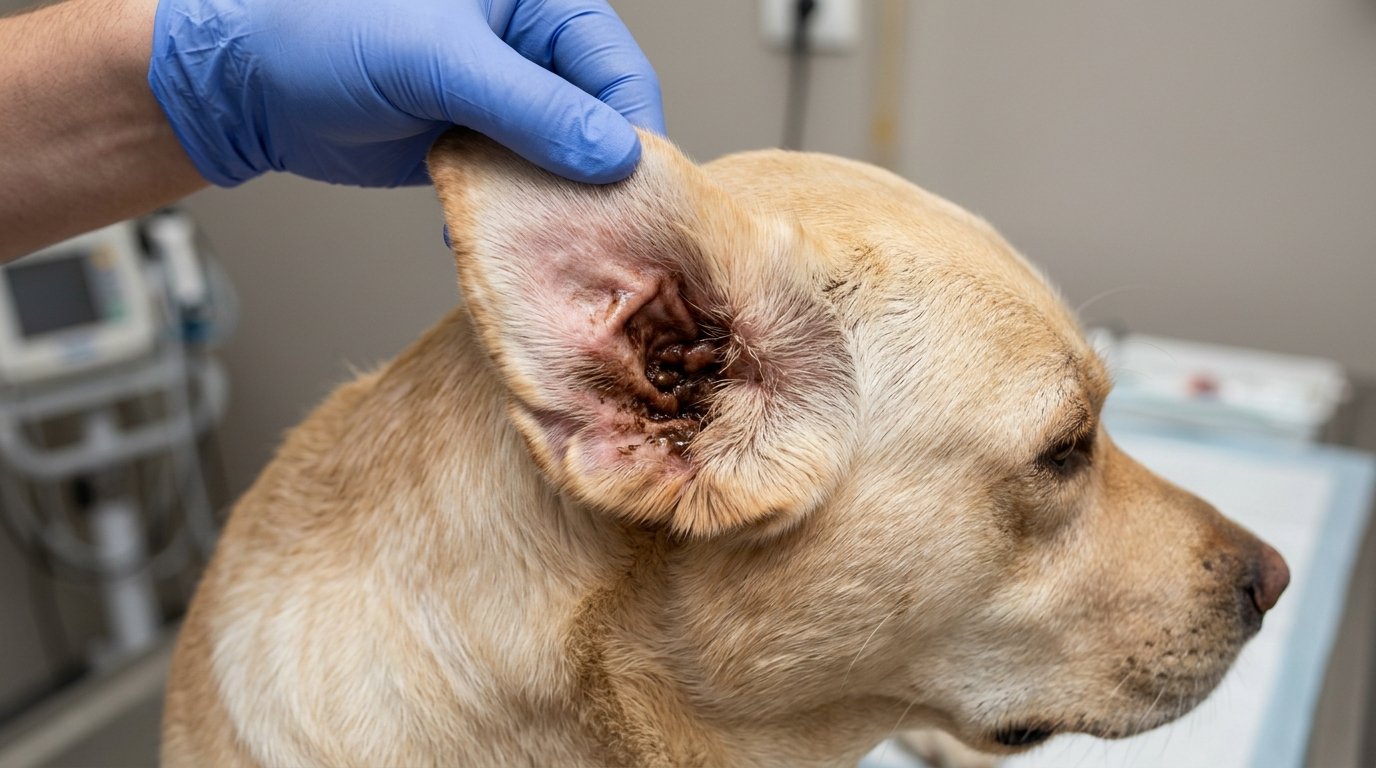
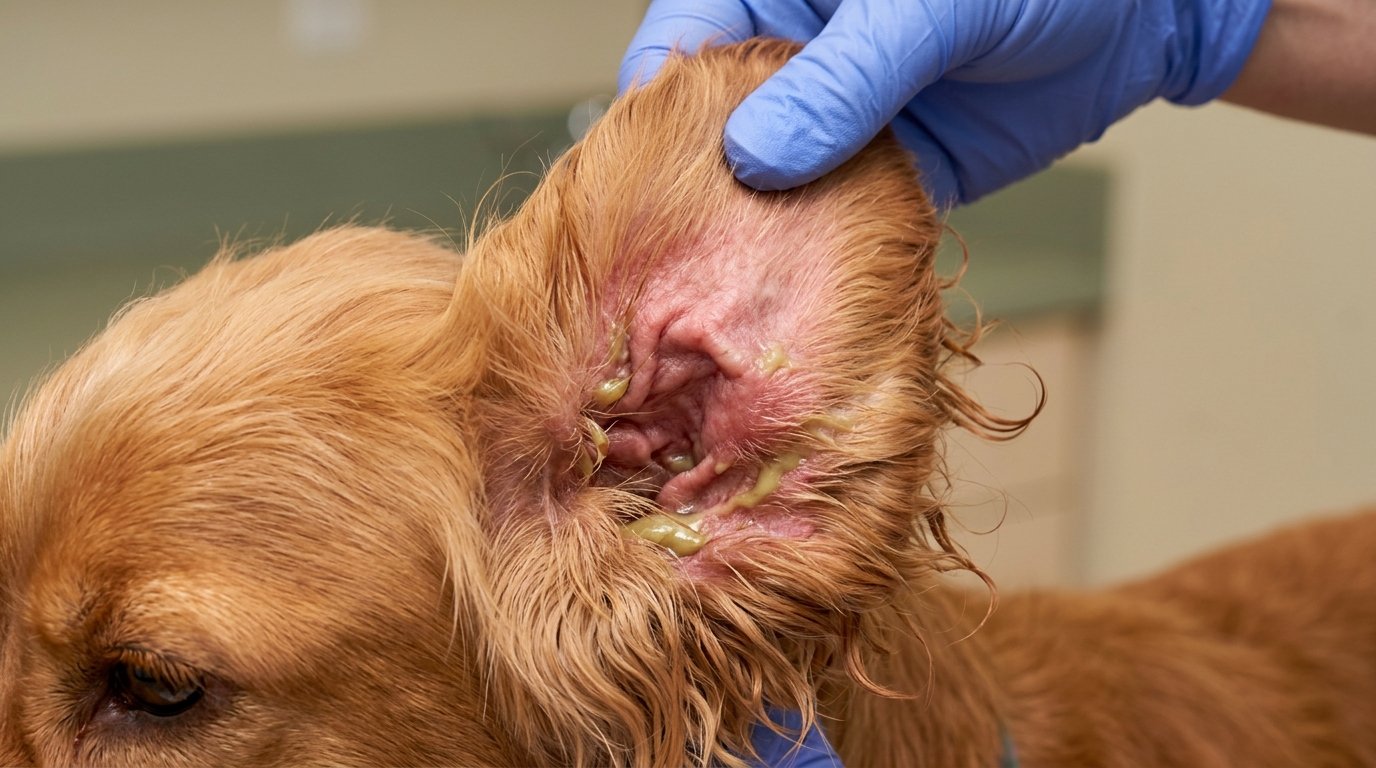
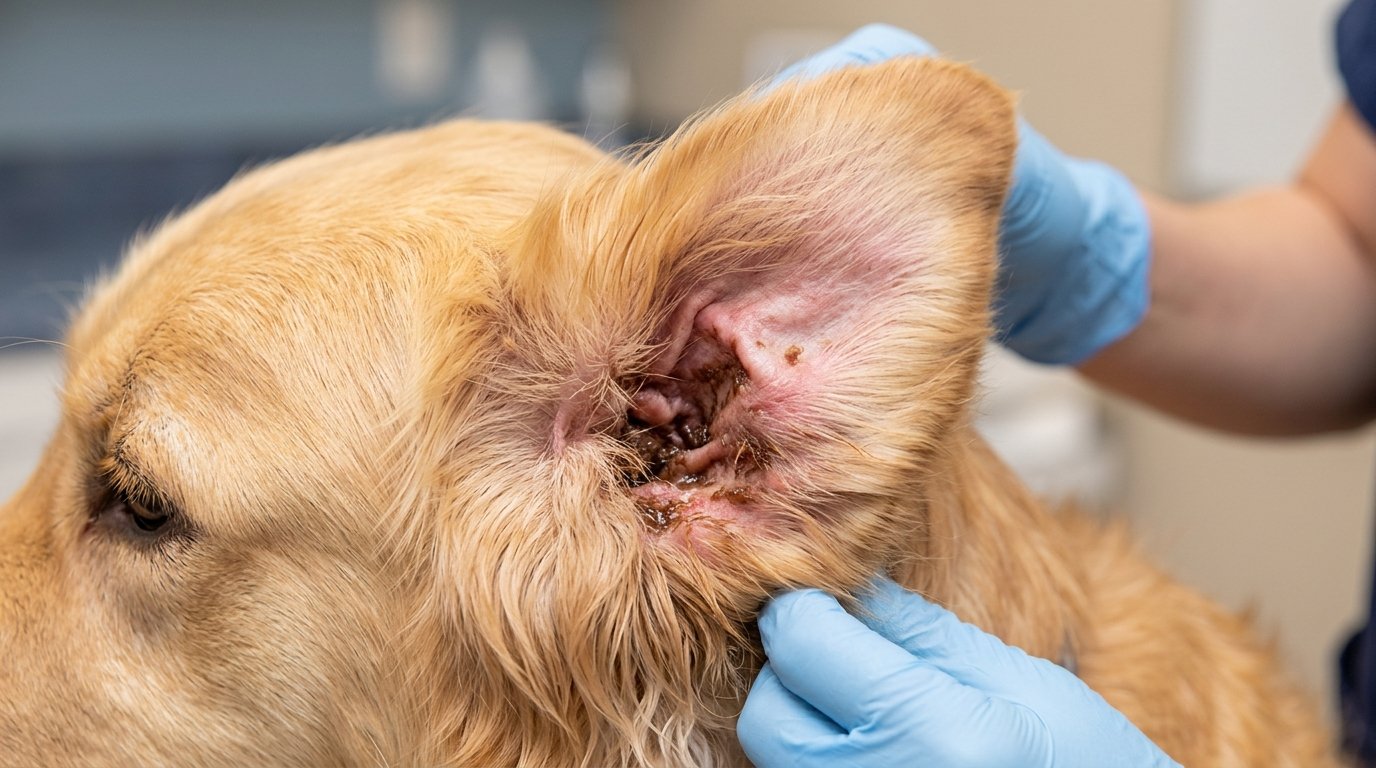
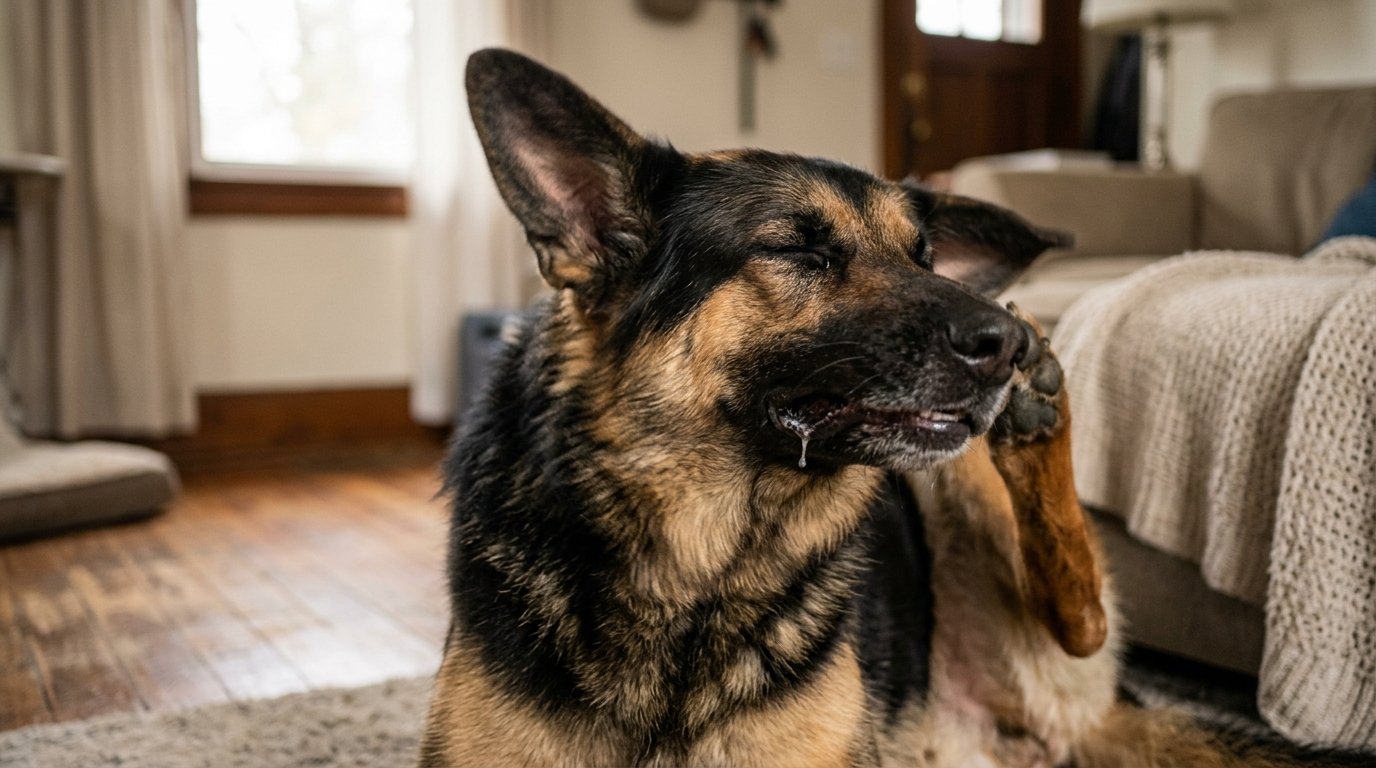
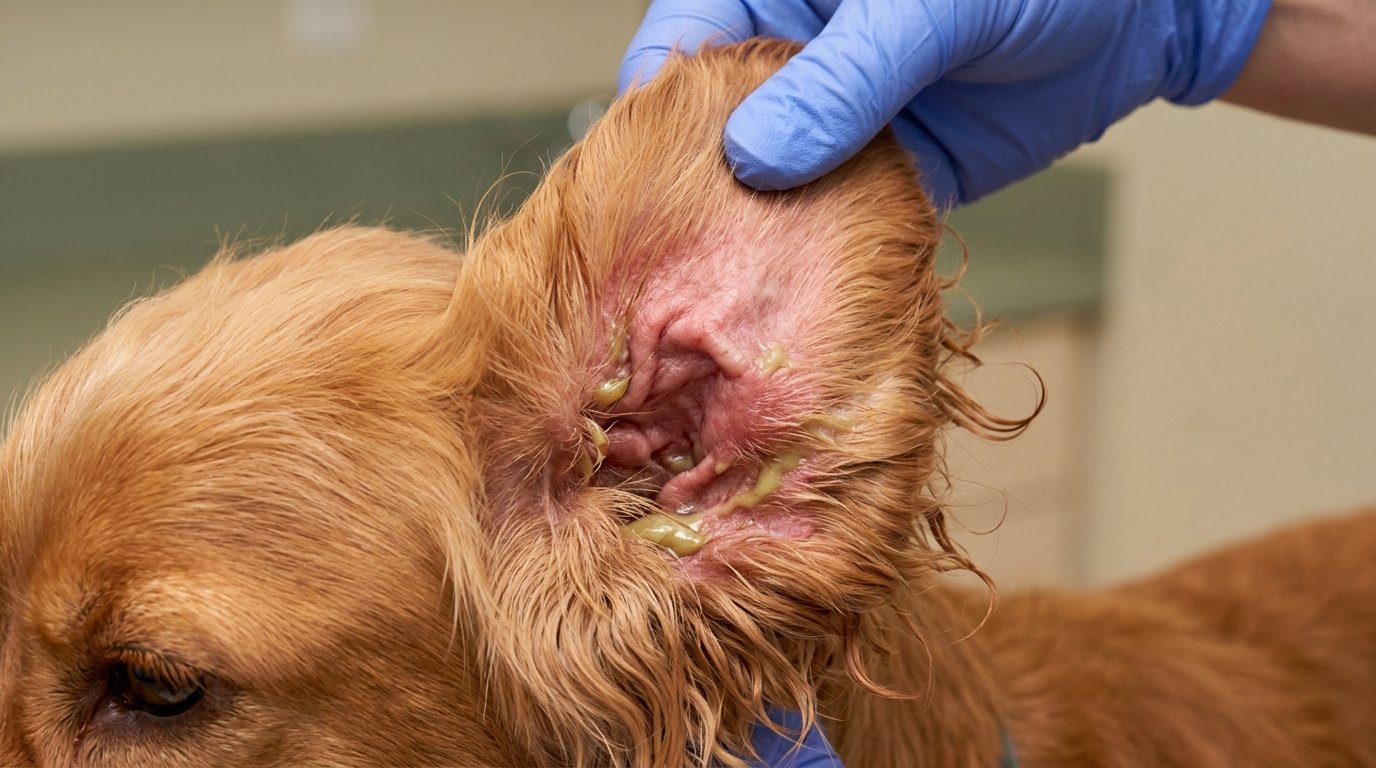
A dog ear hematoma (technically called aural hematoma) is a collection of blood that pools between the skin and cartilage of the ear flap (pinna). Dog ear hematoma causes are almost ALWAYS secondary to a deeper underlying ear problem: the dog has an itchy or painful ear → scratches the ear violently or shakes the head repeatedly → blood vessels under the ear skin rupture from the trauma → blood pools and the ear flap swells. The 4 most common underlying causes that lead to dog ear hematoma: (1) ear infection (yeast, bacterial, or mixed) — the dog shakes the head violently from itching and discomfort; (2) ear mites — same violent head shaking pattern; (3) foreign object in the ear (grass seed / foxtail) — sudden head shaking after outdoor time; (4) allergic ear inflammation from atopy or food allergy — chronic itching. Bleeding disorders are a rare additional cause. The hematoma itself is the visible result; the underlying ear problem is the actual disease that needs addressing.
Symptoms — What It Looks Like
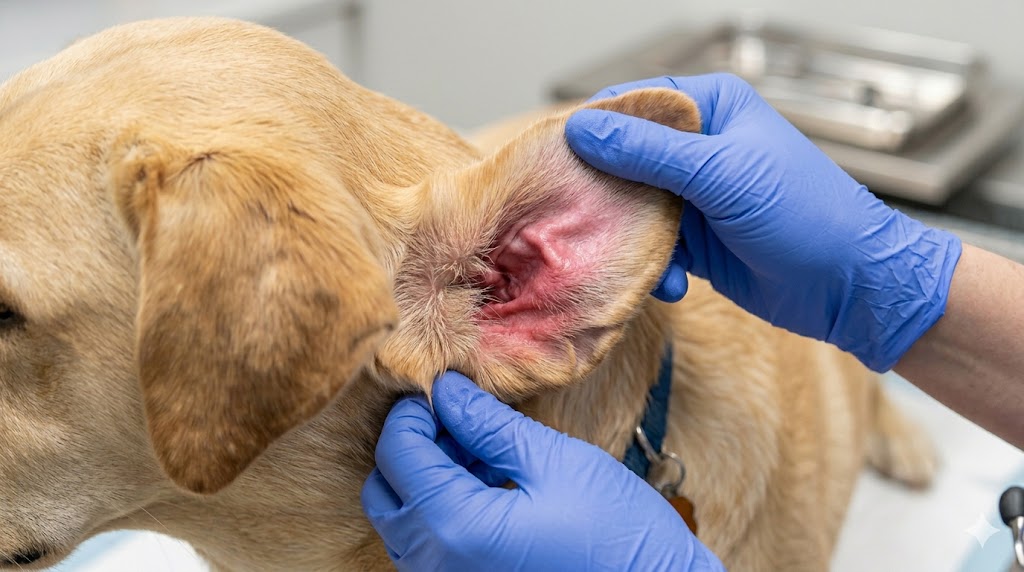
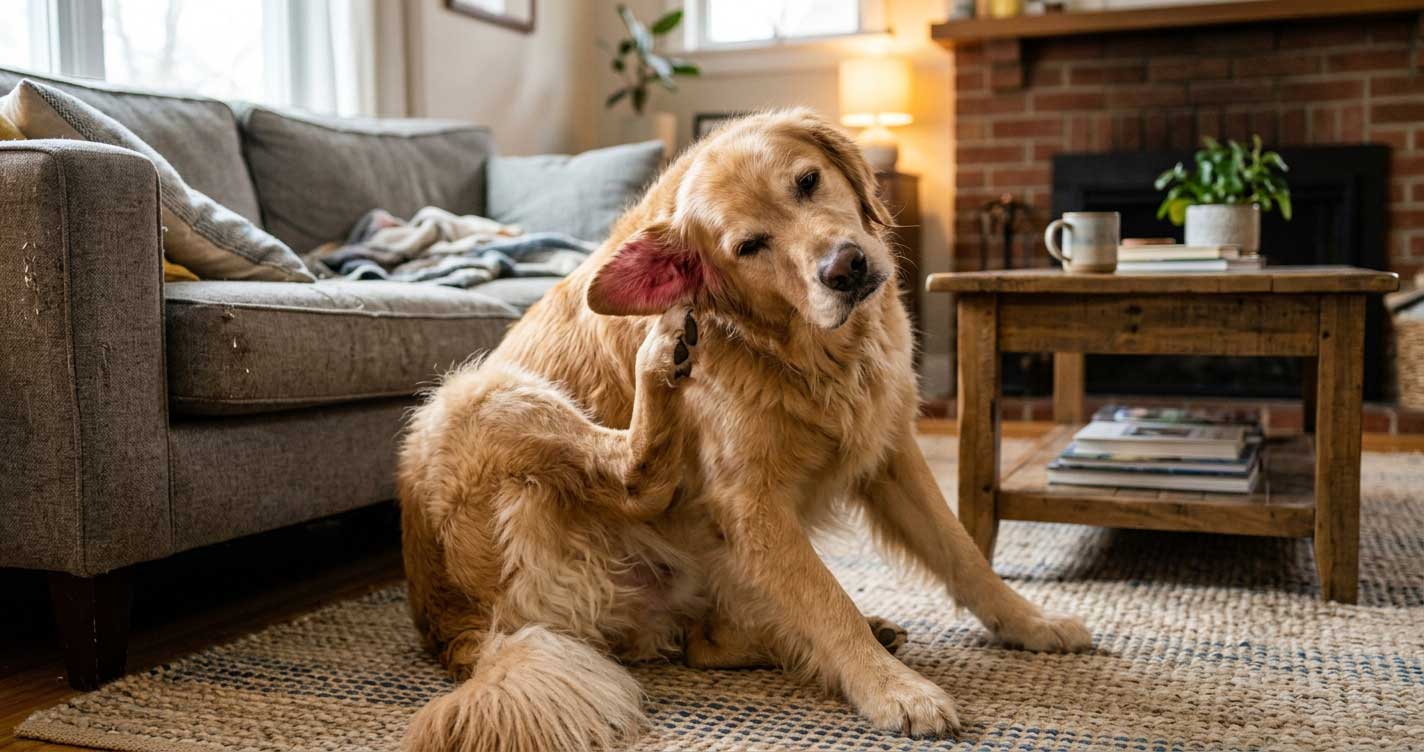
Dog ear hematoma symptoms are usually unmistakable once formed. The diagnostic visual sign: one ear flap is visibly swollen, soft, fluid-filled, and feels like a balloon or water bed when gently touched. The swelling can range from a small grape-sized soft spot to the entire ear flap puffing up to 2-3× normal size. Other dog ear hematoma symptoms: the dog tilts head to the affected side (the weight of the swollen ear is uncomfortable), continued head shaking or scratching (the underlying ear problem is still active), tenderness when the ear is touched, sometimes a warm feeling on the swollen area, and frequently signs of the underlying ear infection (dark debris, discharge, odor) since hematoma usually develops on top of an ear infection. Some dogs are quieter than usual because the swollen ear is uncomfortable. Important: if your dog ear hematoma popped on its own (the swelling burst and blood drained out), the immediate emergency is over but the wound now needs vet care to prevent infection and proper vet workup — do NOT assume a popped hematoma resolved itself.
What Happens if Left Untreated
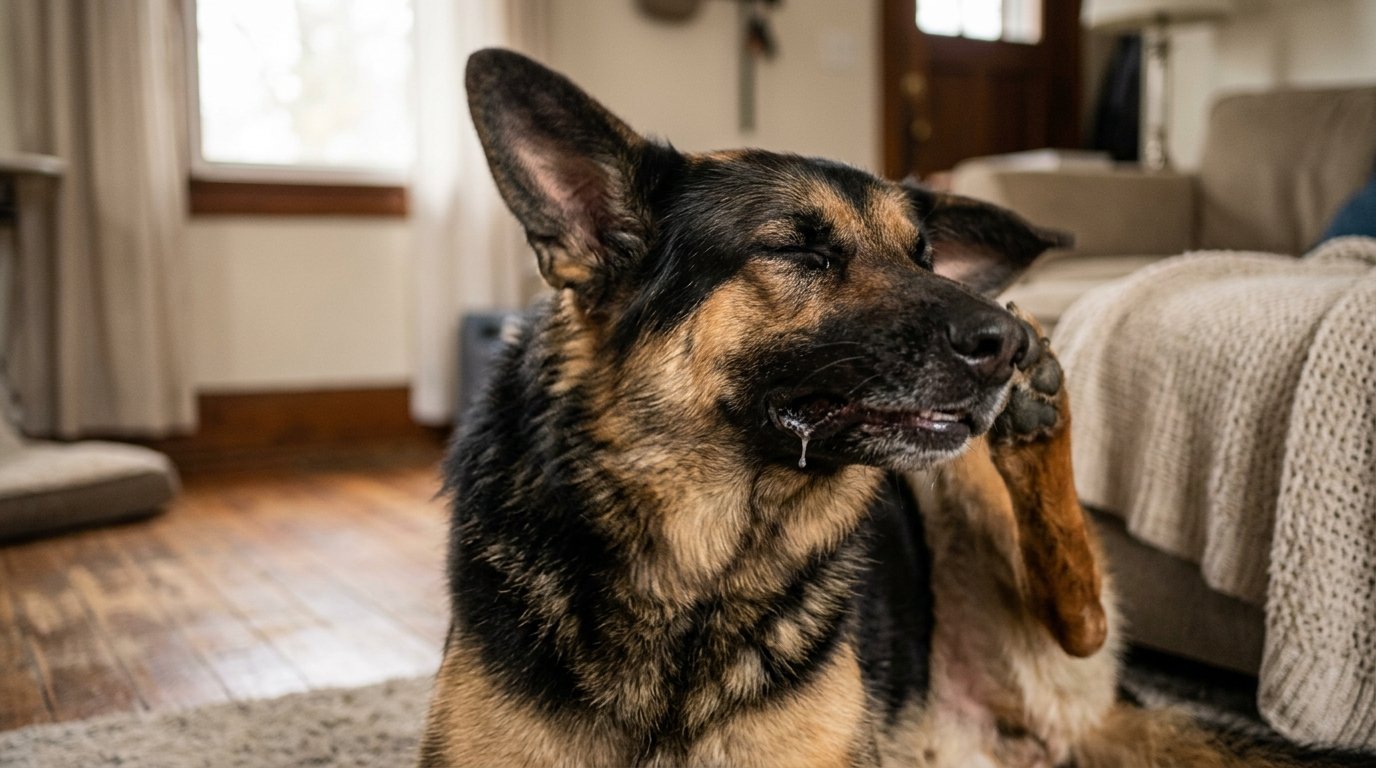
Leaving a dog ear hematoma untreated is the single biggest mistake owners make — and the consequences are permanent. What happens if you leave a dog ear hematoma untreated: (a) the blood inside the ear flap eventually clots, contracts, and the contracted blood pulls the ear skin and cartilage into a scarred, shriveled, cauliflower-shaped ear flap that is permanently disfigured (this is called "cauliflower ear" in dogs, similar to wrestlers / boxers in humans); (b) the underlying ear problem (infection, mites, allergy) is still NOT addressed and continues damaging the ear canal, often causing chronic ear inflammation that scars the canal and predisposes to lifelong recurrent ear infections; (c) the deformed ear flap has reduced air flow, which makes the ear canal even more prone to future infections; (d) some dogs develop a follow-up hematoma in the same or opposite ear because the underlying problem was never solved. The hematoma itself rarely causes systemic illness but it virtually never resolves cleanly without vet care.
See the swelling and want to understand the underlying ear cause? Upload a photo for AI pattern triage.
Check Dog Ear Pattern →When to Seek Vet Care
See a vet within 48 hours of noticing a dog ear hematoma — this is one of the dog ear conditions where time really matters. Why 48-hour timeline: fresh hematomas (under 48-72 hours old) can often be addressed with simpler procedures (needle drainage + bandaging, or anti-inflammatory care) before the blood clots and contracts. Hematomas older than 72 hours frequently need formal surgical drainage with stitching to prevent the cauliflower-ear deformity. Same-day vet visit if: the swelling is rapidly expanding within hours, both ears are affected, the dog is in obvious pain (whimpering, refusing food, head pressed against furniture), severe bleeding through the skin, or the dog has a known bleeding disorder. The vet workup for dog ear hematoma is methodical: physical exam of the swollen ear, ear swab + cytology to identify the underlying ear infection (almost always present), sometimes a needle aspirate to confirm blood vs other fluid, and then a discussion of the appropriate care plan based on age of hematoma and underlying cause severity.
Dog Ear Hematoma Surgery Cost — What to Expect
Dog ear hematoma surgery cost in the US typically ranges from $300-$1,500+ depending on multiple factors. The cost variables: (a) procedure complexity — simple needle drainage costs $300-$500, formal surgical drainage with stitching costs $800-$1,500+, dog ear hematoma wrap and compression bandaging adds $50-150 per follow-up visit; (b) underlying ear infection care — if a bacterial or yeast infection is also present (almost always is), add $150-400 for ear cytology + vet-appropriate care plan; (c) anesthesia type — local sedation is cheaper than full general anesthesia; (d) geographic location — major metro areas (NYC, San Francisco, LA) run 30-50% higher than rural areas; (e) breed size — large dogs (Labrador, German Shepherd) need more anesthesia + longer surgery time than small dogs. Pet insurance with a wellness add-on typically covers 70-80% of dog ear hematoma surgery cost. How much does it cost to fix a dog's ear hematoma is therefore between $300 (small dog, simple aspiration, no infection care needed — rare) and $1,500+ (large dog, surgical drainage with stitching, plus underlying ear infection care). VCA Hospitals' aural hematoma in dogs guide walks through the procedure options, and PetMD's ear hematoma overview covers cost ranges and recovery timeline.
Can Ear Hematoma Kill a Dog?
Can ear hematoma kill dog is one of the most-searched questions for this condition, and the honest answer requires nuance. The short answer: dog ear hematoma itself almost never kills a dog directly — the volume of blood pooling in the ear flap is far too small to cause systemic blood loss. BUT there are 3 rare scenarios where it can contribute to a serious outcome: (1) the underlying severe bacterial ear infection that triggered the hematoma can in rare cases progress to systemic sepsis if untreated for weeks; (2) the dog has an undiagnosed bleeding disorder (von Willebrand disease, certain rat poison ingestion) where the hematoma is actually a warning sign of dangerous bleeding elsewhere — this is rare but worth ruling out with bloodwork; (3) anesthesia complications during surgical repair in very old or very sick dogs (this is the most common indirect contribution, but is preventable with proper pre-surgical workup). The practical takeaway: a dog ear hematoma alone is not a death sentence, but it is a strong signal to see the vet quickly because (a) the underlying ear disease needs vet care, (b) bleeding disorders need ruling out, and (c) the disfigurement risk is permanent if untreated.
Suspected dog ear hematoma + visible ear infection signs? Upload a photo for AI pattern check before the vet visit.
Check Dog Ear Now →Related Dog Ear Reading
For more dog ear visual identification, see our Dog Ear Yeast Infection Pictures tool (one of the most common underlying causes of dog ear hematoma), our Severely Infected Dog Ear Wax Pictures tool (another common underlying cause), our Ear Mites in Dogs Symptoms Guide (mites are a frequent hematoma trigger from violent head shaking), and the Why Do My Dog's Ears Smell guide (the underlying infection signal). Identifying and addressing the underlying ear problem is the key to preventing a follow-up hematoma in the future.
Frequently Asked Questions
What causes a dog ear hematoma?
+
What are the symptoms of a dog ear hematoma?
+
What happens if I leave my dog's hematoma untreated?
+
How much does it cost to fix a dog's ear hematoma?
+
When should I seek vet care for a dog ear hematoma?
+
Can ear hematoma kill a dog?
+
Dog Ear Hematoma? Identify the Underlying Cause
Upload a close-up photo of your dog's ear — the AI compares against yeast / bacterial / mites patterns that commonly trigger hematoma, telling you urgency + when to vet.
Disclaimer: This article is for informational purposes only and is not a substitute for professional veterinary advice. Always consult a licensed veterinarian for diagnosis and treatment of your pet's health conditions.